
 English
 Español
 русский
 عربى
عربى

- Cotton Kinesiology Tape
- Synthetic Kinesiology Tape
- Nylon Kinesiology Tape
- 4-Way Stretch Elastic Kinesiology Tape
- Standard Kinesiology Tape Roll
- Pre-Cut Kinesiology Tape Strips
- Printed / Pattern Kinesiology Tape
- Perforated Kinesiology Tape (Ventilated)
- Special Shape Kinesiology Tape
- Water-Resistant Kinesiology Tape
- Pregnancy Support Tape
- Face Lift Kinesiology Tape
- Gentle / Beauty Kinesiology Tape
- Veterinary Kinesiology Tape
- Breast Lift Tape
- Customized Kinesiology Tape
- Pre-cut I Strip Kinesiology Tape
- Pre-cut Y Strip Kinesiology Tape
- Pre-cut X Strip Kinesiology Tape
- Knee Kinesiology Tape
- Leg Kinesiology Tape
- Shoulder Kinesiology Tape
- Back Kinesiology Tape
- Waist Kinesiology Tape
- Ankle Kinesiology Tape
- Pregnancy Belly Tape
- Beauty Face Tape
- Solid Color Cohesive Bandage Roll
- Printed & Pattern Cohesive Bandage
- Non-Woven Self-Adhesive Bandage
- Cotton Self-Adhesive Bandage
- PBT Gauze Cohesive Bandage Rolls
- Pet Vet Wrap
- Horse and Cattle Self-Adhesive Bandage
- Veterinary Cohesive Bandage
- Camo Cohesive Wrap Tape
- Military and Tactical Cohesive Bandage
- Tattoo Grip Tape
- Latex Cohesive Bandage
- Latex-Free Cohesive Bandage
- Pet Laminated Self-Adhesive Bandage
- High-Tensile Cohesive Bandage
- Football Sock Wrap Self-Adhesive Bandage
- Sterile Cohesive Bandage
- Special Function Cohesive Bandage
- OEM / Bulk Cohesive Bandage Roll
- Rigid Strapping Tape
- Athletic Tape
- Zinc Oxide Sports Tape
- Rayon Rigid Sports Tape
- Sports Strapping Tape
- Finger Bob Bandages
- Boxing Tape
- Heavyweight Elastic Adhesive Bandage (EAB)
- 93 Cotton Heavyweight Elastic Adhesive Bandages(EAB)
- Athletic Heavyweight Elastic Adhesive Bandage (EAB)
- Lightweight Elastic Adhesive Bandage (EAB)
- Athletic Lightweight Elastic Adhesive Bandage (EAB)
- American Style Elastic Adhesive Bandage (EAB)
- Japanese Style Elastic Adhesive Bandage (EAB)
- Elastic Adhesive Compression Bandage
- Veterinary Elastic Adhesive Bandage (EAB)
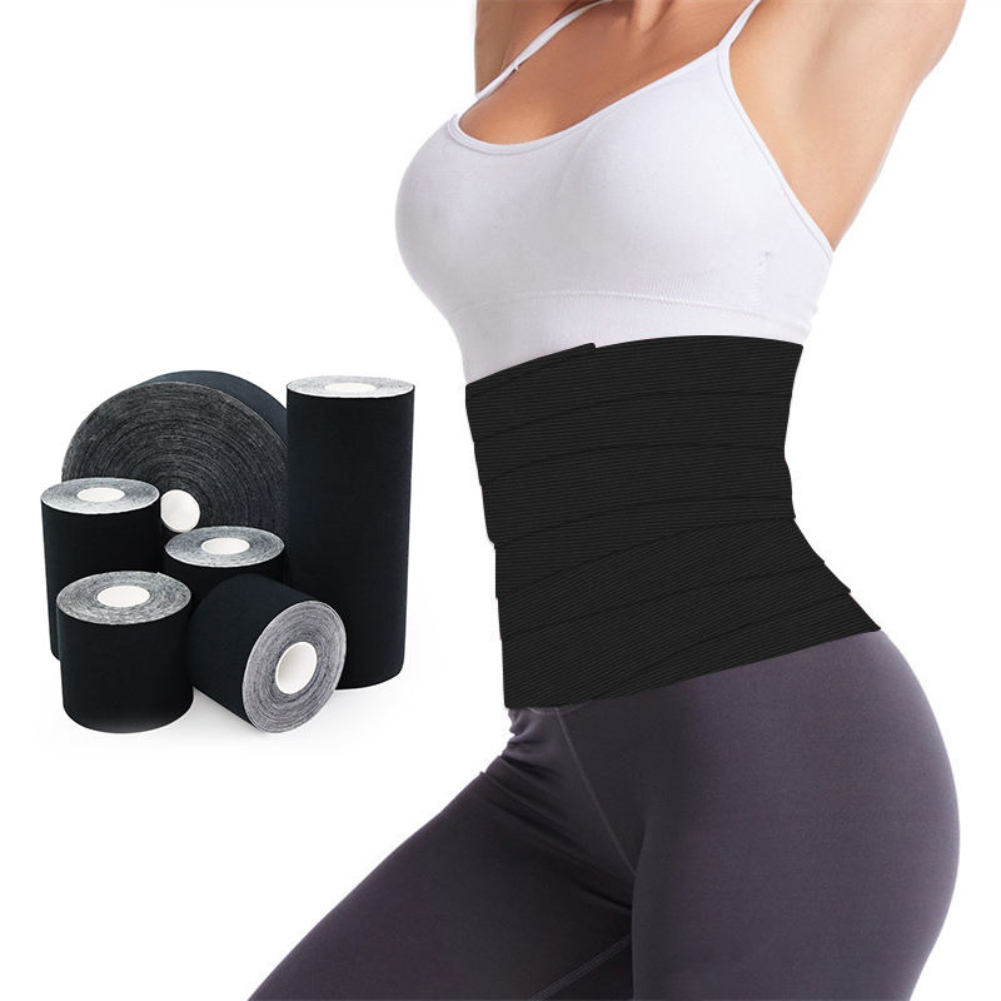
Kinesiology Tape: A Comprehensive Guide to Adhesive Types and Their Benefits
Content
Kinesiology tape is a highly effective and widely used product designed to support and relieve pain in muscles and joints. It is primarily used in sports, rehabilitation, and injury recovery. One of the key factors determining the performance of kinesiology tape is the adhesive it uses. This article explores three common adhesive types: Hot Melt Adhesive, Acrylic Adhesive, and Henkel Adhesive. We will also discuss their differences, advantages, and applications, helping you make an informed choice based on specific needs.
Types of Kinesiology Tape Adhesives
Hot Melt Adhesive
Hot melt adhesives are solid at room temperature but soften when heated. They offer a quick bonding process and are typically used for high-stress applications. The adhesive is activated by heat, making it ideal for use in products that require a strong initial tack.
Advantages:
- Fast bonding process
- Strong adhesion to the skin, ensuring long-lasting effects
- Excellent resistance to environmental factors such as water and sweat
Acrylic Adhesive
Acrylic adhesives are commonly used in kinesiology tapes due to their versatility and superior durability. They form a strong bond without requiring heat activation and are known for their stability over a wide temperature range.
Advantages:
- Hypoallergenic properties, suitable for sensitive skin
- Excellent long-term adhesion even with repeated use
- Resistant to UV rays, making it ideal for outdoor sports or activities
- Flexible and breathable, enhancing comfort
Henkel Adhesive
Henkel adhesives are formulated for high-performance bonding, offering a balance between strength and flexibility. They are designed for sensitive applications, ensuring that they do not irritate the skin while still providing a reliable bond.
Advantages:
- Superior skin-friendliness and minimal irritation
- Long-lasting adhesion in extreme conditions, including high sweat or moisture environments
- Flexible and ideal for dynamic movements without peeling
Key Differences and Benefits
When choosing kinesiology tape, it is essential to consider the type of adhesive used, as it greatly affects the tape’s performance. Here’s a quick comparison:
| Adhesive Type | Bond Strength | Skin Compatibility | Durability | Application Suitability |
| Hot Melt Adhesive | High | Moderate | High | High-stress or intense activity |
| Acrylic Adhesive | Moderate | High | Very High | Long-term use and sensitive skin |
| Henkel Adhesive | High | Very High | High | Extreme sports and moisture-heavy environments |
Each adhesive type offers unique benefits, so your choice should depend on your specific requirements. Whether you need a tape for high-performance athletic use, or a more skin-friendly option for long-term wear, there is a kinesiology tape adhesive for every need.
Company Advantages and Expertise
Our company specializes in providing top-quality kinesiology tape with various adhesive options tailored to specific customer needs. We ensure that all our products are manufactured under strict quality control standards, offering reliability and durability. Whether you are an athlete, physiotherapist, or simply someone looking for pain relief, we provide a range of kinesiology tapes to support your specific requirements.
Application Areas of Kinesiology Tape
Kinesiology tape is used widely across different sectors, including:
- Sports and Fitness: For injury prevention, pain relief, and muscle recovery during high-intensity activities.
- Rehabilitation: To aid in the recovery of injured muscles and joints by enhancing circulation and promoting muscle re-education.
- Pain Management: For chronic pain relief, especially in conditions like arthritis and lower back pain.
- Post-Surgery Recovery: To support healing and prevent re-injury.
In conclusion, kinesiology tape is an excellent tool for both athletes and individuals recovering from injuries or dealing with chronic pain. Choosing the right adhesive ensures maximum benefit and comfort during use.
Share:
RECOMMENDED PRODUCTS
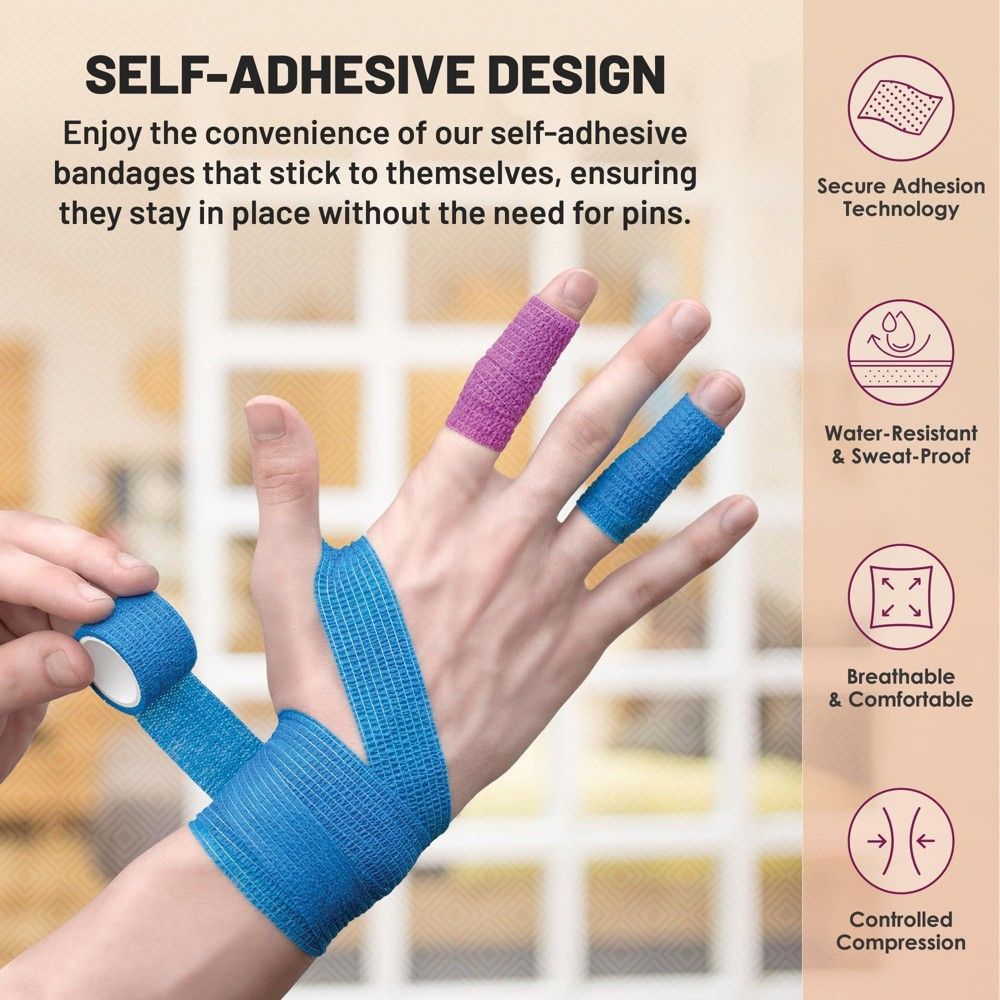
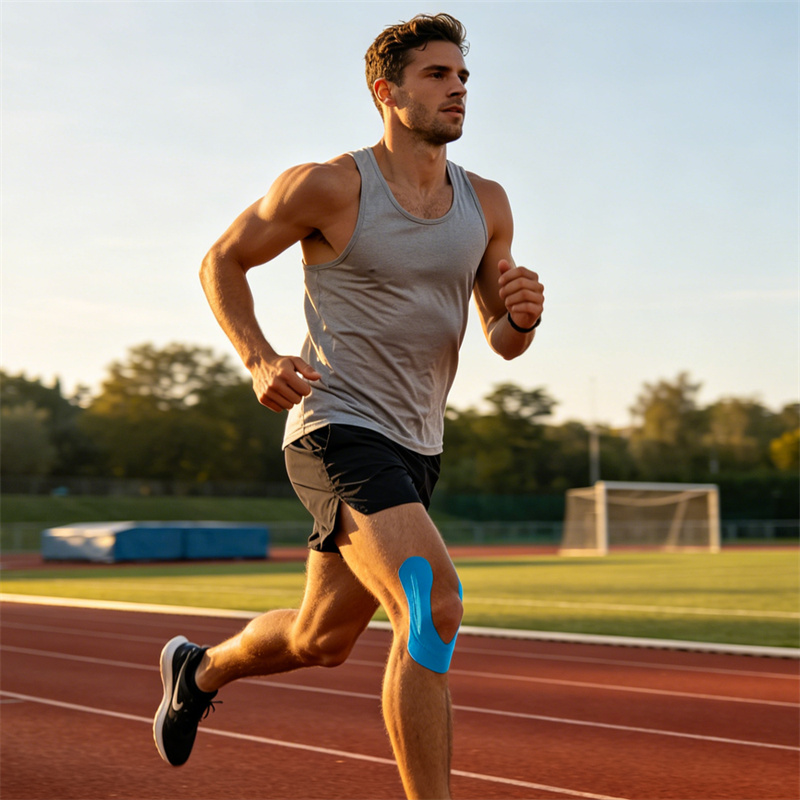
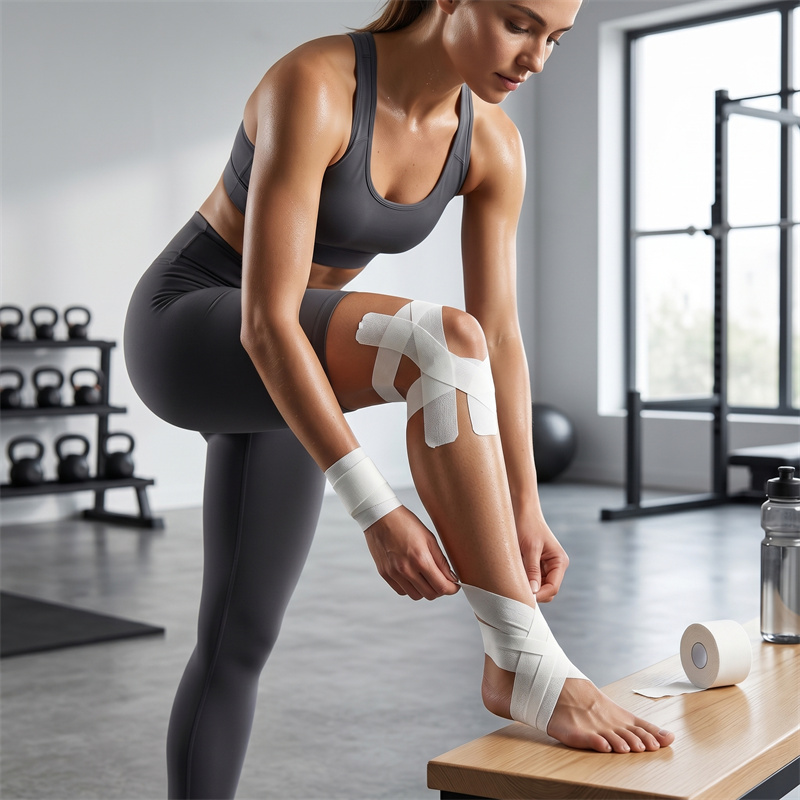
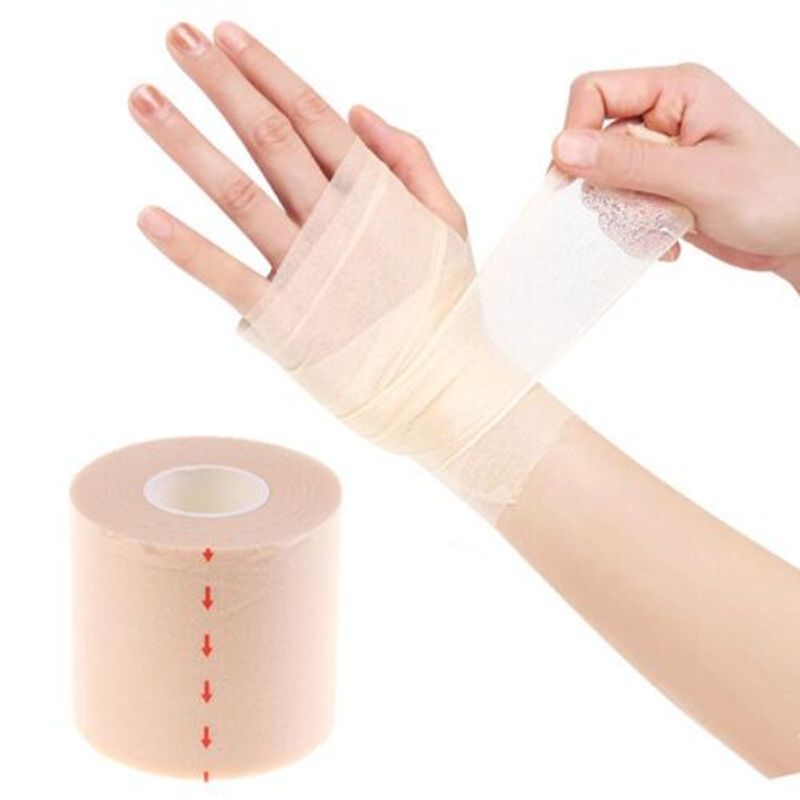

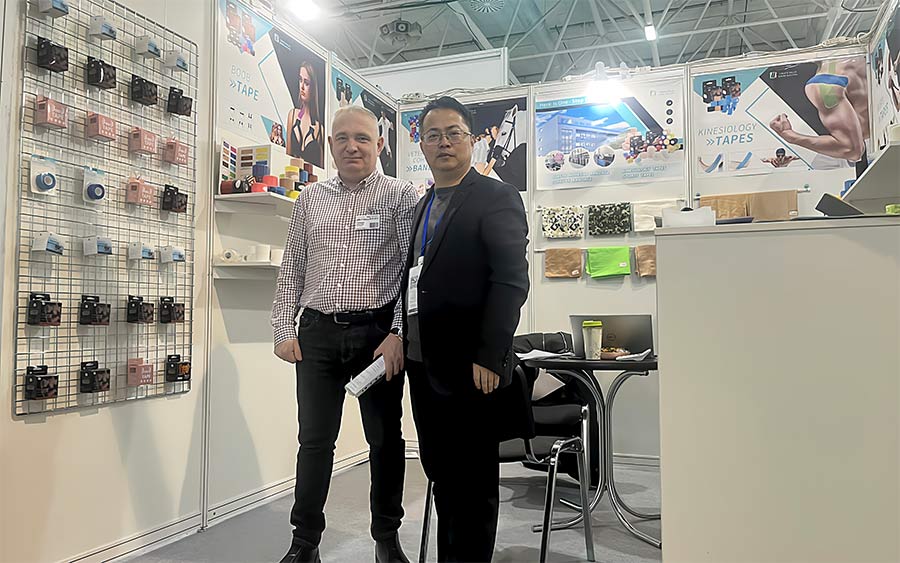
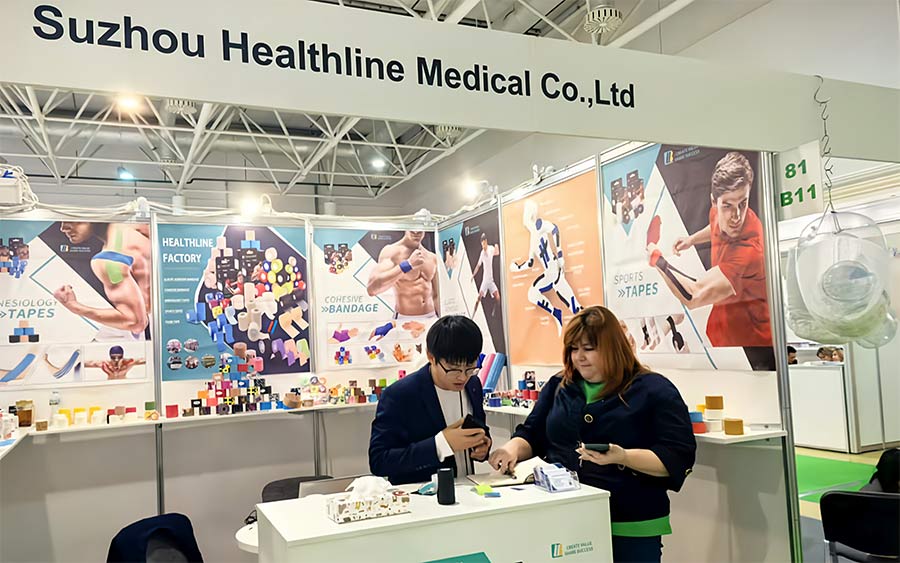
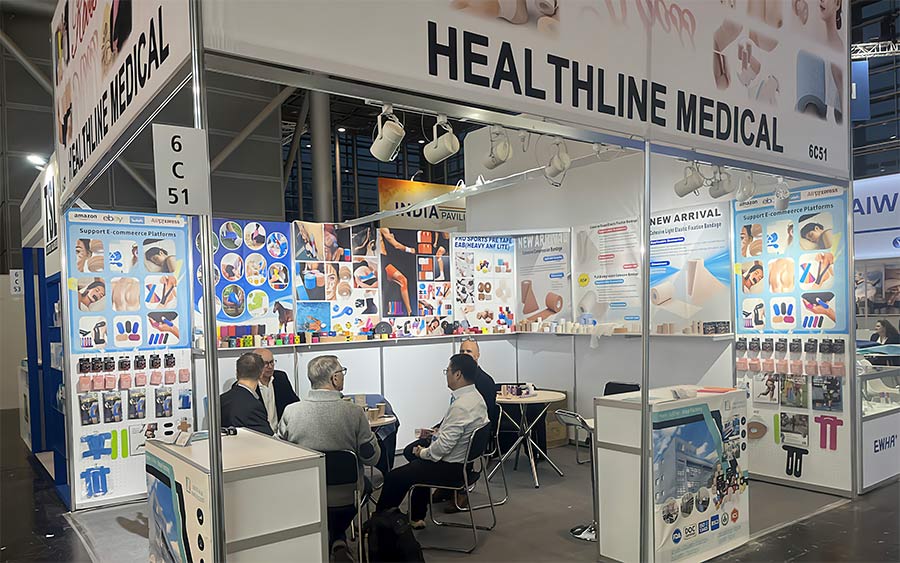
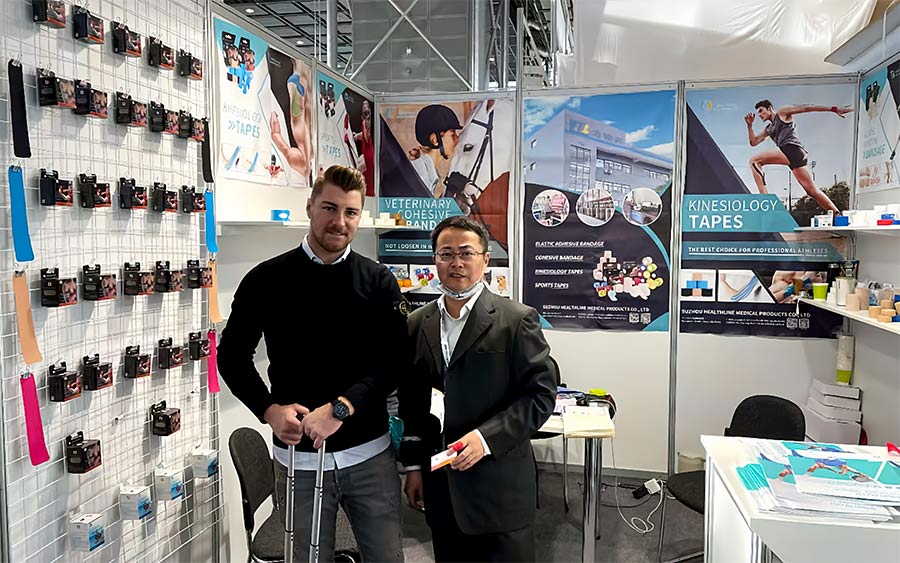
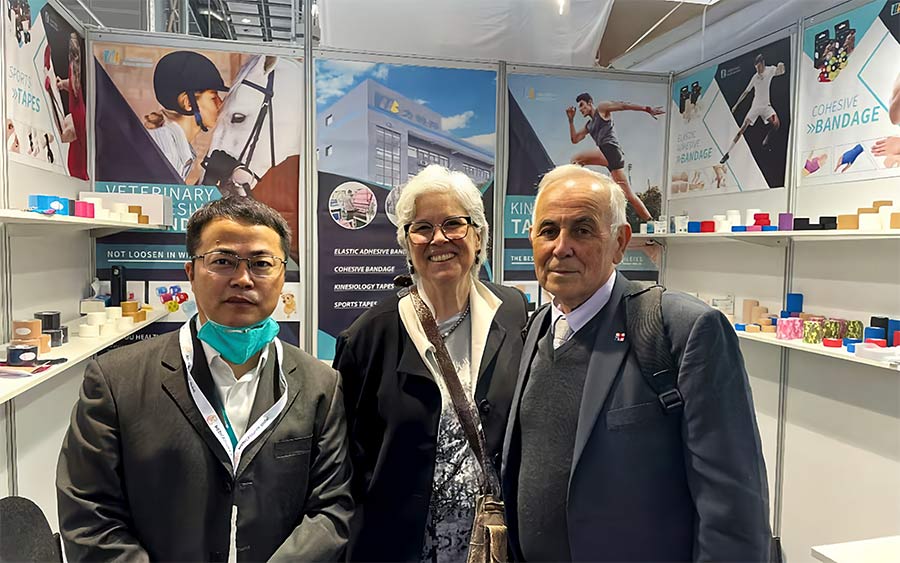
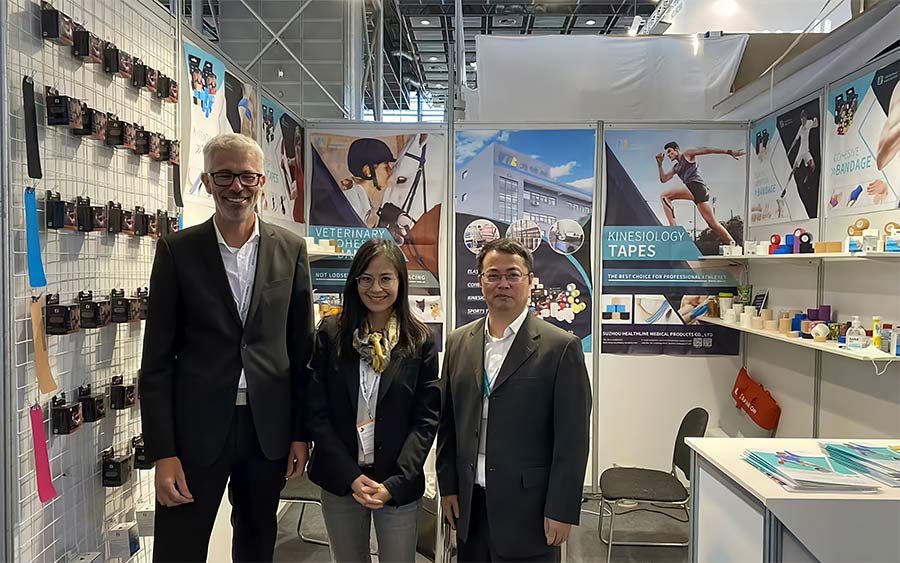
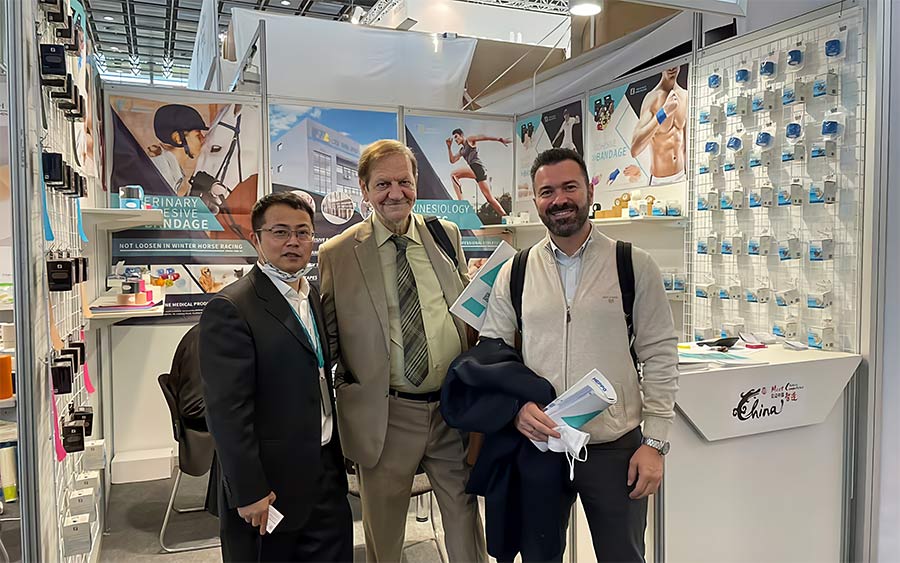
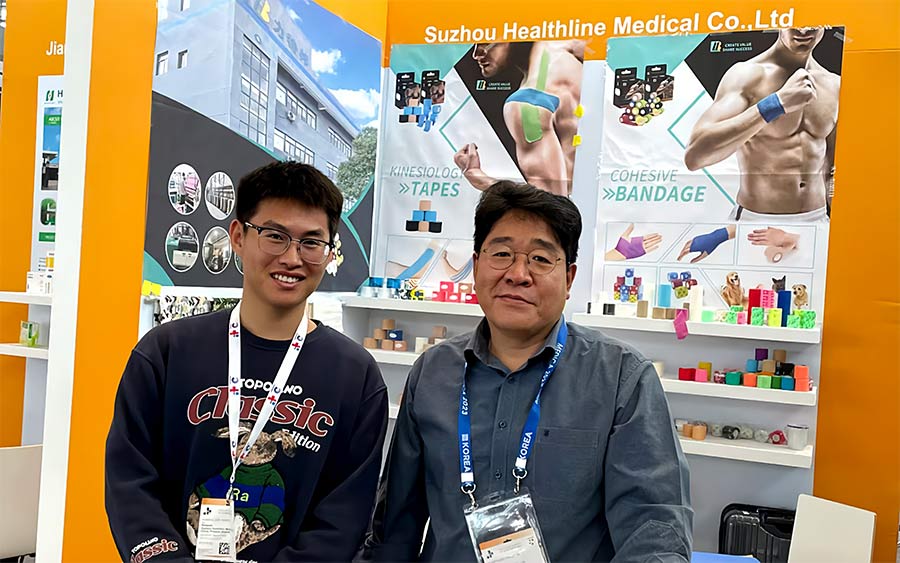
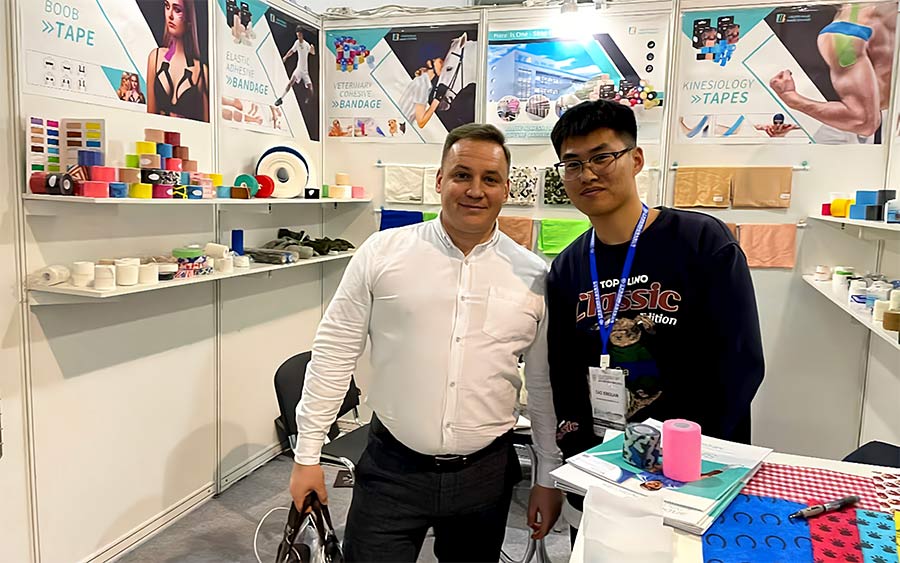
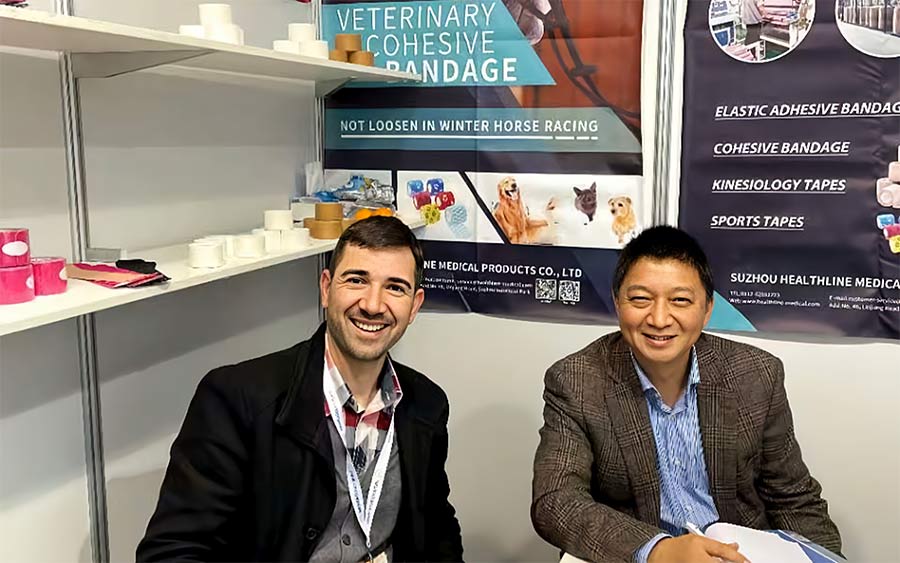
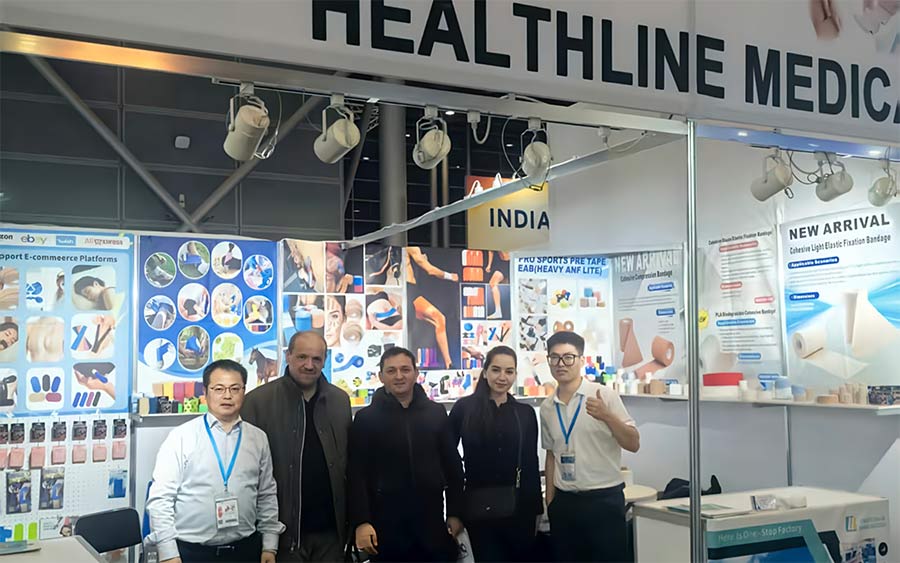
Driven by uncompromising quality, competitive value, and customer-centric service, Healthline’s products are now present in over 50 countries and regions across the globe. As a dedicated OEM/ODM manufacturer of medical cohesive bandages and sports tape, we serve a diverse client portfolio—including hospitals and clinics,veterinary,authorized distributors, government procurement agencies, national pharmacy chains, and retail supermarkets,on-line Amazon,Lotte & Tiktok e-commerce industry .
We are proud to be the long-term OEM/ODM partner for globally recognized names such as Target, CVS, Aldi, Lidl, Carrefour,Tesco, Alliance Boots,Deathlon,Covetrus and Kruuse. Our annual sales volume has maintained a steady year-over-year growth of 15% for consecutive years—a testament to the trust our partners place in us.
In today’s competitive global market, we believe sustainable success comes from continuously delivering superior products and responsive service at a fair price. This philosophy has guided Healthline for three decades, and we are committed to repaying your trust with solutions that help your business grow.







- Asher.cao
- Tel:+86-512-6289 3223
- Mob:+86-176 2548 7782
- Email:Asher.cao@healthline-medical.com
- Whatsapp / Wechat:+86-176 2548 7782
- Skype:+86-176 2548 7782
- Ethan Zhang
- Tel:+86-512-6289 3223
- Mob:+86-19822909189
- Email:ethanzhang@healthline-medical.com
- Whatsapp / Wechat:+86-19822909189
- Skype:+86-19822909189
- Jason Zhang
- Tel:+86-512-6289 3223
- Mob:+86-13152123359
- Email:jason@healthline-medical.com
- Whatsapp / Wechat:+86-13152123359
Copyright © 2025 SUZHOU HEALTHLINE MEDICAL PRODUCTS CO., LTD
All Rights Reserved.
 Sports Tape Manufacturers Cohesive Bandages Suppliers
The information provided on this website is intended for use only in countries and jurisdictions outside of the People's Republic of China.


