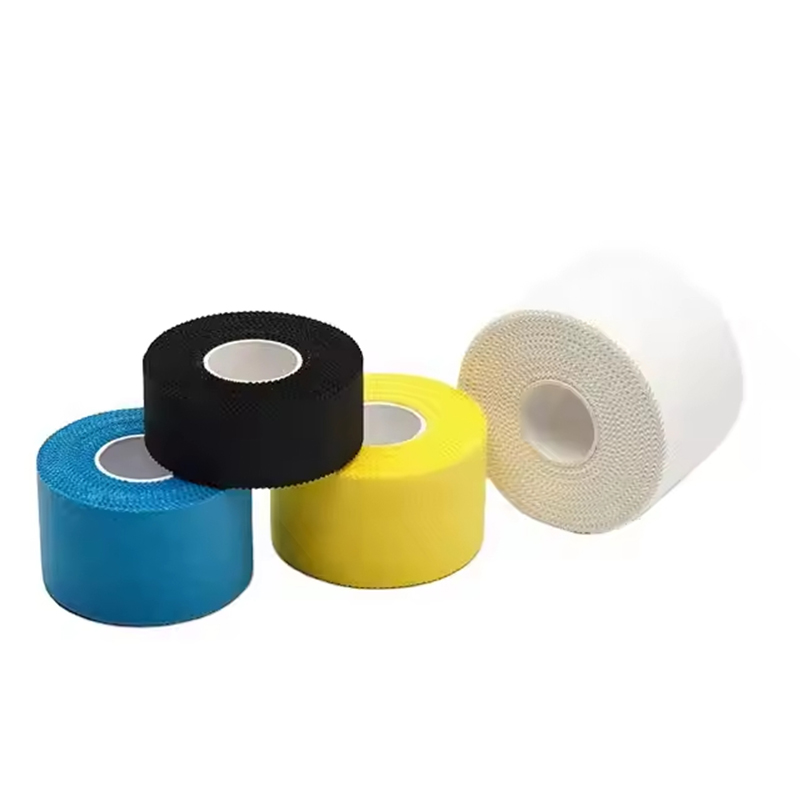
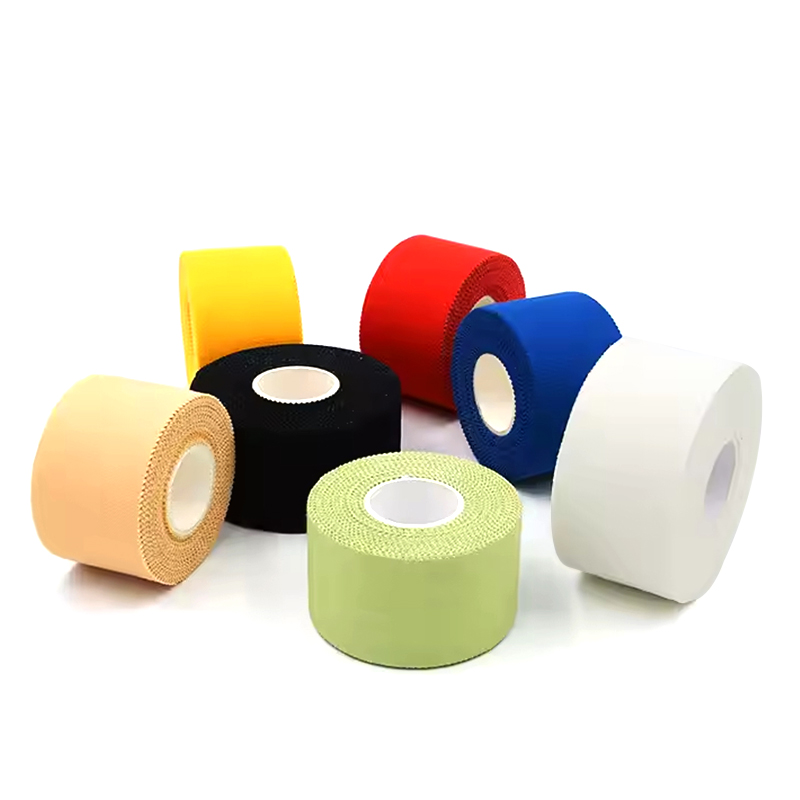
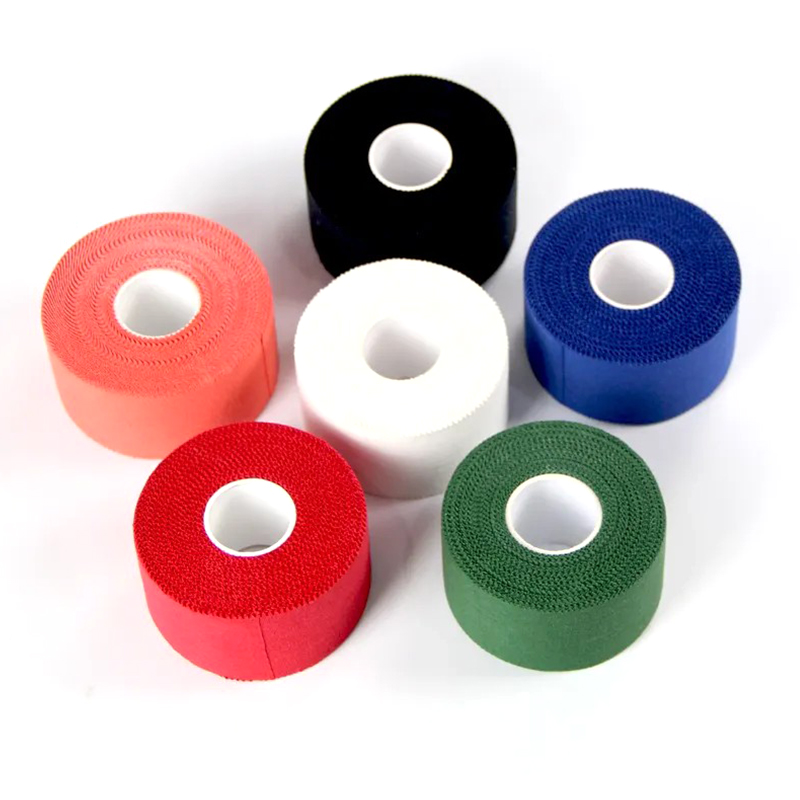
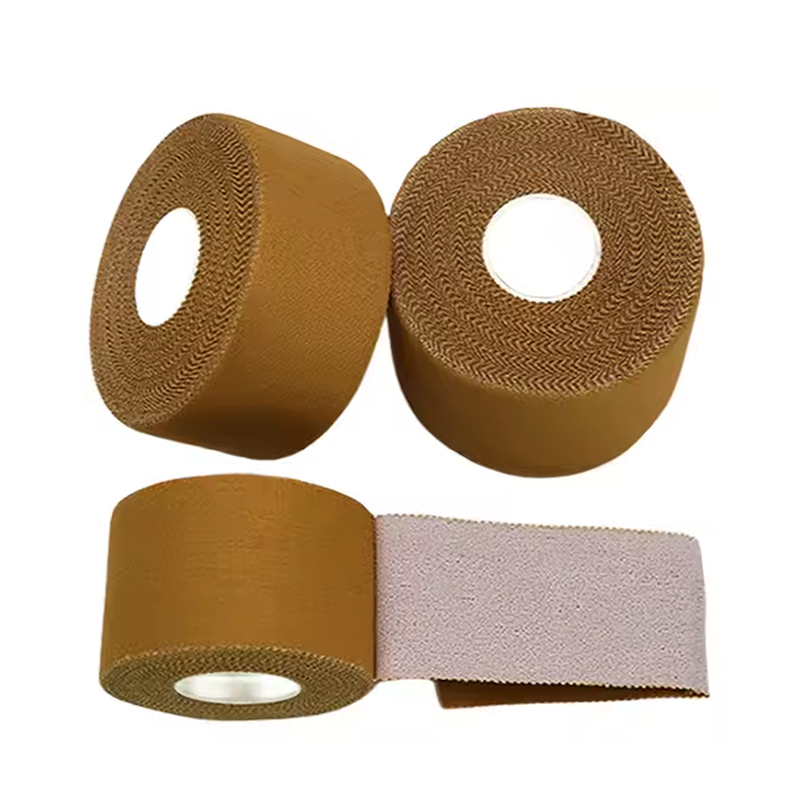
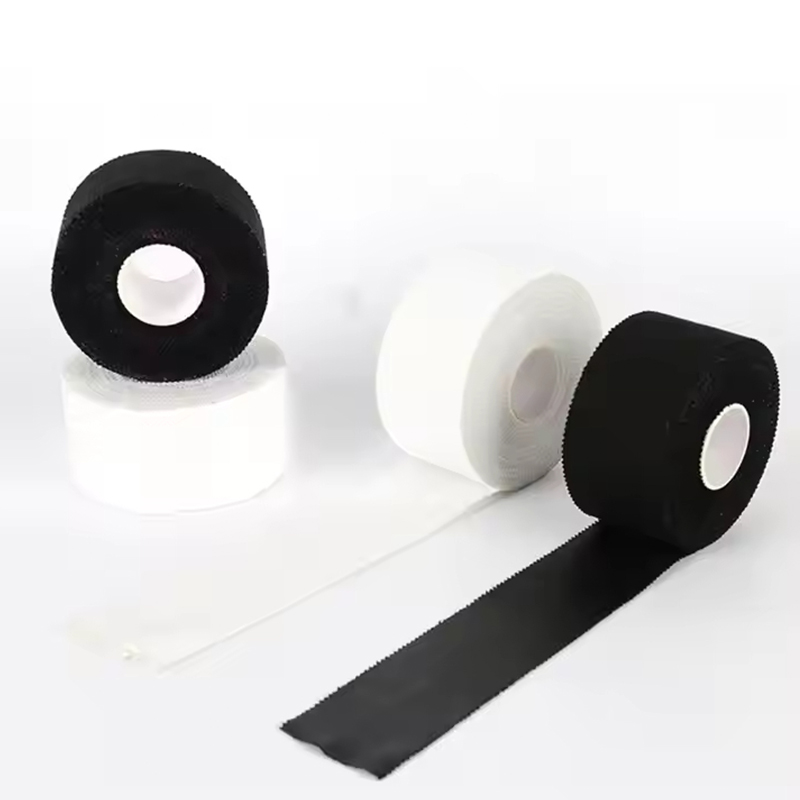
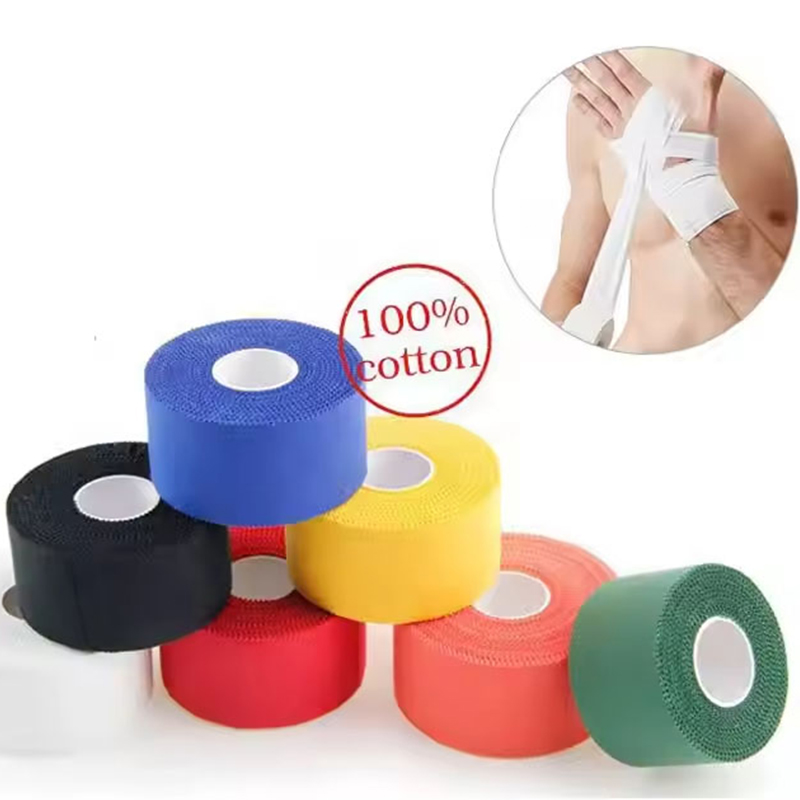
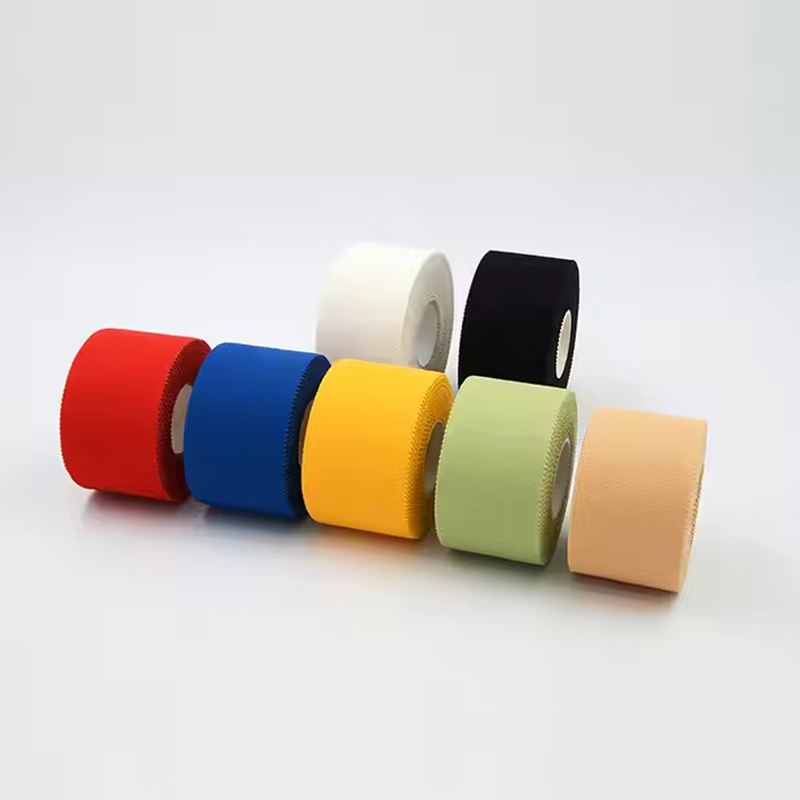
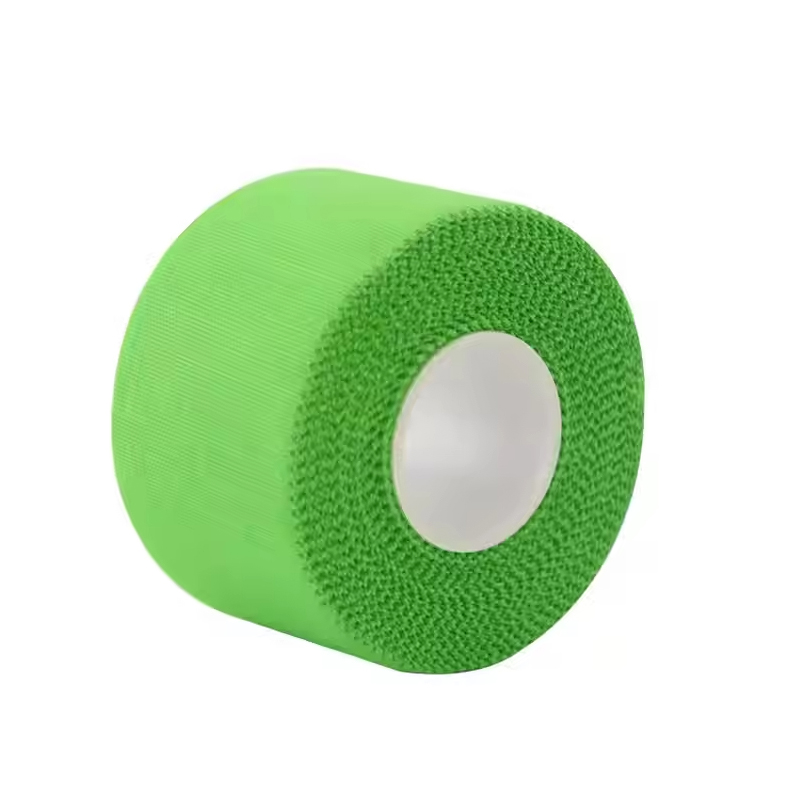
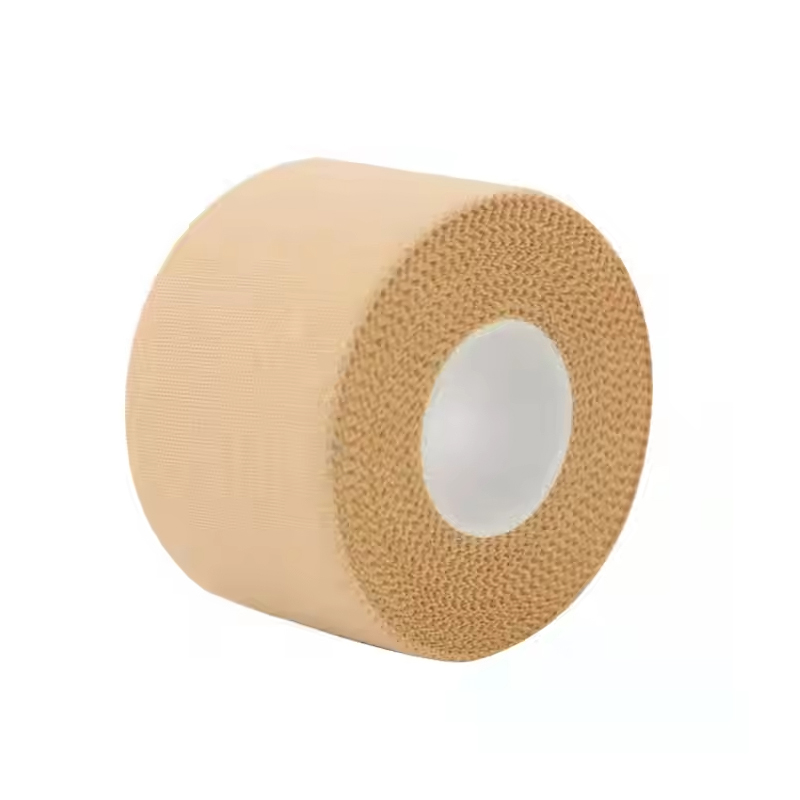
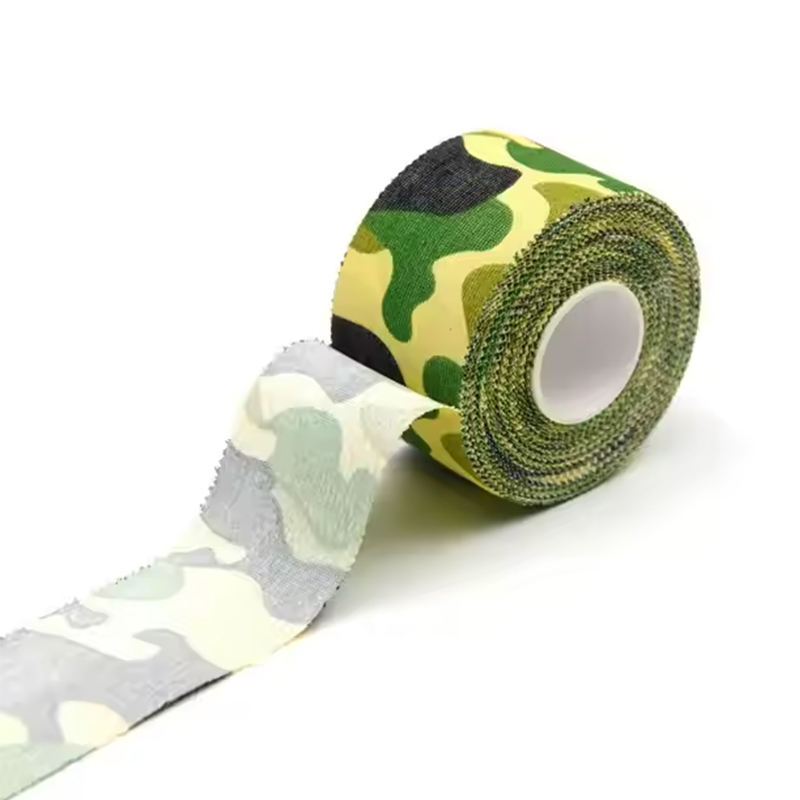
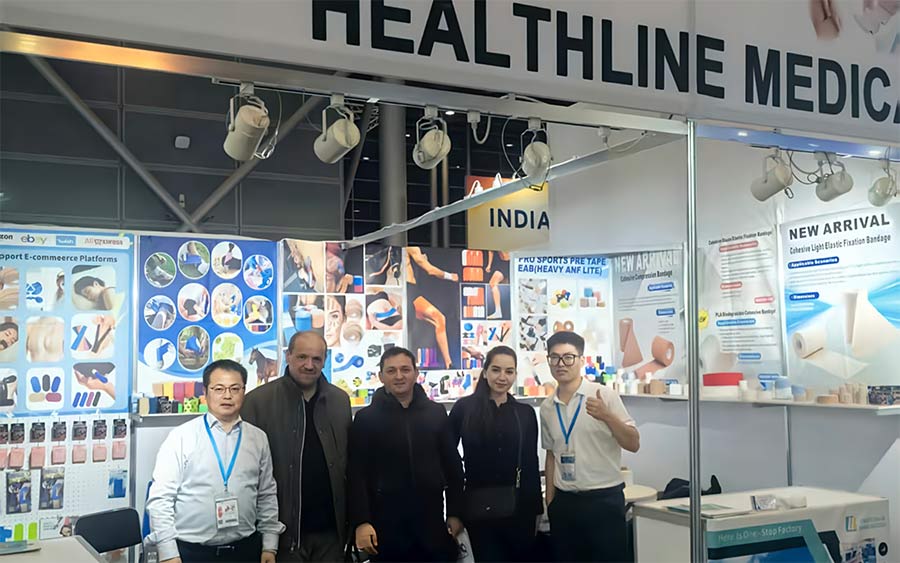
Healthline Medical: Specialists in Medical and Sports Tapes, Including Rigid Strapping Tape, Since 1993
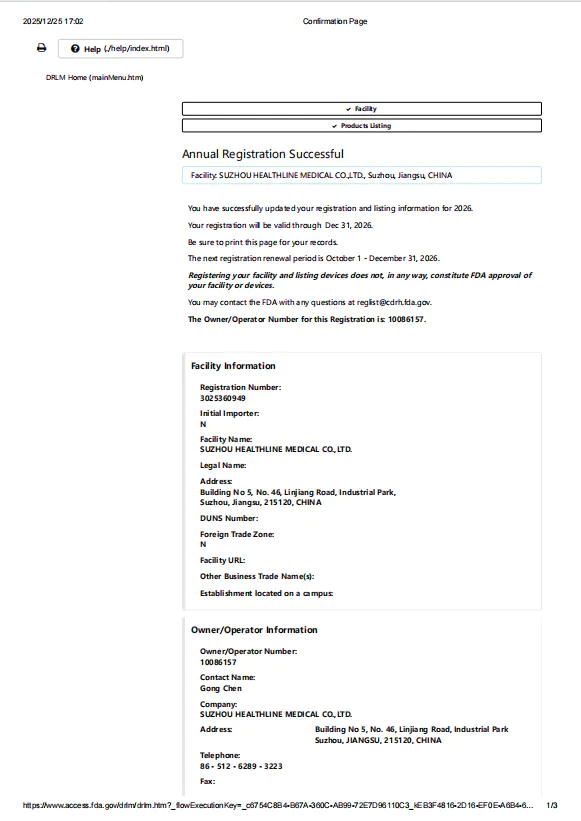
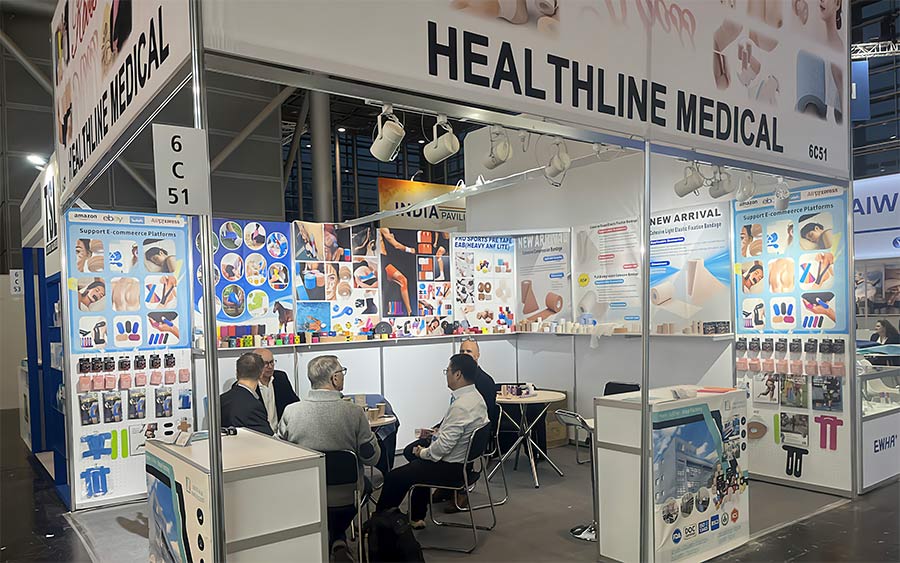
Healthline Medical specializes in designing and manufacturing high-quality cohesive bandages, elastic adhesive bandages, kinesiology tapes, and sports tapes. With over 30 years of know-how and persistent innovation since our founding in 1993, we leverage advanced fabric and coating technology to serve the medical, sports, therapy, and veterinary fields. We aim to provide our customers with top-tier OEM products as well as comprehensive one-stop ODM services.
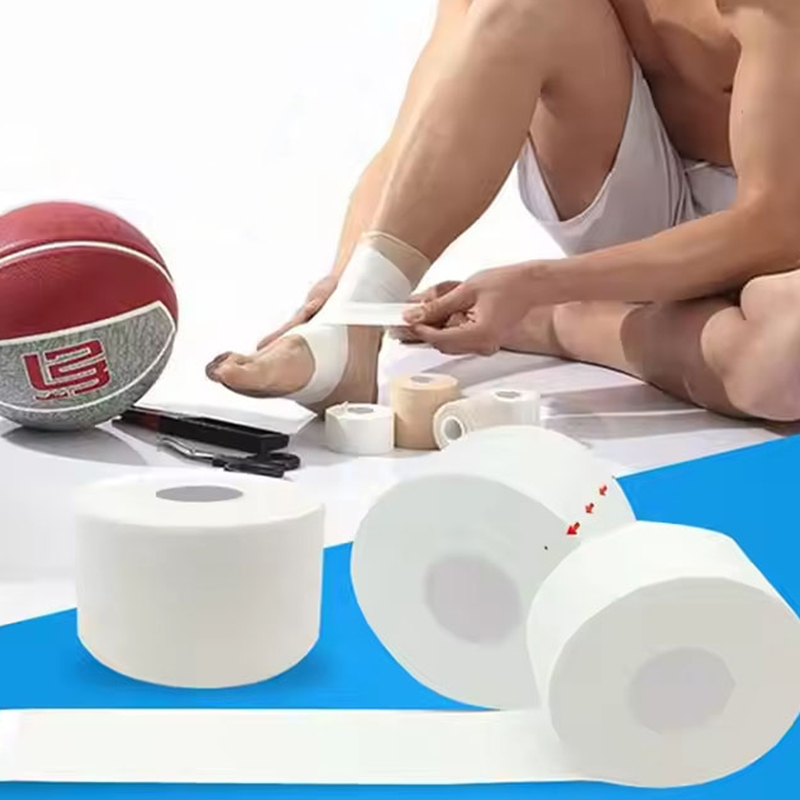
Using rigid sports tape correctly is crucial for providing effective support and preventing skin irritation or circulatory problems. Unlike elastic kinesiology tape, rigid sports tape is non-stretchy and designed to immobilize a joint or limit its range of motion.
Here are the key application techniques to ensure you're using sports strapping tape effectively and safely:
1. Skin Preparation is Essential
Clean and Dry: The area must be clean, dry, and free of any lotions, oils, or sweat. The tape won't adhere properly to oily or moist skin, which can also lead to irritation.
Hair Removal: Shave or trim the hair from the area 12 hours before taping. Short stubble can cause discomfort upon tape removal, and the hair can prevent the rigid sports tape from sticking properly.
Protect Damaged Skin: Never apply tape directly over open wounds, scrapes, blisters, or irritated skin. Use a bandage or a protective underwrap for these areas.
Underwrap or Pre-Taping Spray: For sensitive skin, or if you plan on taping regularly, use a foam underwrap or a pre-taping spray. These products create a protective barrier between the tape and the skin, improving adhesion and reducing the risk of irritation.
2. Application Techniques for Support and Circulation
Anchor Strips: Start by applying anchor strips at the top and bottom of the area you are taping. These strips serve as the foundation for the entire taping structure. Apply them firmly but without tension to avoid constricting blood flow.
Bridge the "Weak Area": The principle of rigid taping is to bridge over the injured or unstable area. This means you start the tape on a stable area, bridge it over the joint or muscle needing support, and then anchor it on another stable area.
Smooth and Firm Application: Apply the tape smoothly and firmly, being careful to avoid wrinkles or folds. Wrinkles are a common cause of skin irritation and blisters because they can create pressure points. If a wrinkle forms, it's best to reapply the strip.
Apply with Tension, Not Tightness: The goal is to provide support, not to cut off circulation. Apply tension to the tape only when bridging over the unstable area to limit unwanted movement. The anchor strips and the ends of the tape should be applied without tension.
Check for Circulation: After taping, always check for signs of compromised circulation. Look for any changes in skin color (paleness or a bluish tint), coolness to the touch, numbness, or a "pins and needles" sensation. You should also check the capillary refill time by pressing on a nail bed or the skin below the tape. If it takes longer than 2-3 seconds for the color to return, the tape is too tight and must be re-applied immediately.
Minimal Tape: Use the minimum amount of tape necessary to achieve your objective. Over-taping can be overly restrictive and may increase the risk of skin issues.
3. Proper Removal
Don't Rip It Off: To prevent skin damage, do not yank or rip the tape off quickly.
Slow and Gentle Removal: Gently and slowly peel the tape back, pulling parallel to the skin and in the direction of hair growth. You can use your other hand to apply pressure to the skin, pushing it away from the tape as you go.
Tape Removal Products: Use a rigid sports strapping tape removal spray or liquid, or soak the tape with a wet washcloth, baby oil, or rubbing alcohol to help loosen the adhesive.
Post-Removal Care: After removal, wash the skin with soap and water to remove any remaining adhesive and then apply a moisturizing cream. If you experience any skin damage, apply an antiseptic ointment.
Important Note: Taping is not a substitute for proper diagnosis and treatment. If you have an injury, it's best to consult with a physical therapist, athletic trainer, or other medical professional. Since 2021, with the restructuring of Suzhou Healthline Medical Products Company, we have redoubled our commitment to quality and differentiated products. We believe that we'll come to know you and your needs as well as we know ourselves. They can provide a personalized taping strategy and ensure you are using the correct technique for your specific needs.


 English
 Español
 русский
 عربى
عربى