
 English
 Español
 русский
 عربى


- Cotton Kinesiology Tape
- Synthetic Kinesiology Tape
- Nylon Kinesiology Tape
- 4-Way Stretch Elastic Kinesiology Tape
- Standard Kinesiology Tape Roll
- Pre-Cut Kinesiology Tape Strips
- Printed / Pattern Kinesiology Tape
- Perforated Kinesiology Tape (Ventilated)
- Special Shape Kinesiology Tape
- Water-Resistant Kinesiology Tape
- Pregnancy Support Tape
- Face Lift Kinesiology Tape
- Gentle / Beauty Kinesiology Tape
- Veterinary Kinesiology Tape
- Breast Lift Tape
- Customized Kinesiology Tape
- Pre-cut I Strip Kinesiology Tape
- Pre-cut Y Strip Kinesiology Tape
- Pre-cut X Strip Kinesiology Tape
- Knee Kinesiology Tape
- Leg Kinesiology Tape
- Shoulder Kinesiology Tape
- Back Kinesiology Tape
- Waist Kinesiology Tape
- Ankle Kinesiology Tape
- Pregnancy Belly Tape
- Beauty Face Tape
- Solid Color Cohesive Bandage Roll
- Printed & Pattern Cohesive Bandage
- Non-Woven Self-Adhesive Bandage
- Cotton Self-Adhesive Bandage
- PBT Gauze Cohesive Bandage Rolls
- Pet Vet Wrap
- Horse and Cattle Self-Adhesive Bandage
- Veterinary Cohesive Bandage
- Camo Cohesive Wrap Tape
- Military and Tactical Cohesive Bandage
- Tattoo Grip Tape
- Latex Cohesive Bandage
- Latex-Free Cohesive Bandage
- Pet Laminated Self-Adhesive Bandage
- High-Tensile Cohesive Bandage
- Football Sock Wrap Self-Adhesive Bandage
- Sterile Cohesive Bandage
- Special Function Cohesive Bandage
- OEM / Bulk Cohesive Bandage Roll
- Rigid Strapping Tape
- Athletic Tape
- Zinc Oxide Sports Tape
- Rayon Rigid Sports Tape
- Sports Strapping Tape
- Finger Bob Bandages
- Boxing Tape
- Heavyweight Elastic Adhesive Bandage (EAB)
- 93 Cotton Heavyweight Elastic Adhesive Bandages(EAB)
- Athletic Heavyweight Elastic Adhesive Bandage (EAB)
- Lightweight Elastic Adhesive Bandage (EAB)
- Athletic Lightweight Elastic Adhesive Bandage (EAB)
- American Style Elastic Adhesive Bandage (EAB)
- Japanese Style Elastic Adhesive Bandage (EAB)
- Elastic Adhesive Compression Bandage
- Veterinary Elastic Adhesive Bandage (EAB)

Basketball Tape for Fingers: Widths, Taping Steps and Wholesale Buying Notes
Content
- What Finger Taping Actually Does on Court
- Rigid, Cohesive or Kinesiology: Matching Tape to the Job
- Width, Thickness and Edge: The Numbers That Matter
- How to Tape a Finger for Basketball, Step by Step
- Jammed Fingers and Buddy Taping: Where Tape Stops Working
- Buying Finger Tape by the Case: What to Verify
- Finger Taping Questions Coaches Ask Most
A 12.5 mm strip of rigid tape around a ring finger weighs under two grams and costs a club a few cents. Skipping it can cost a player three weeks of a season. That is the whole economics of basketball tape for fingers: a thin, disposable layer that protects the most exposed joints on the hand during rebounds, deflections and hand checks.
Trainers reach for finger tape for three reasons - joint support, skin protection and neighbour taping - and each one calls for a different width and a different amount of stretch.
What Finger Taping Actually Does on Court
Finger taping in basketball does three jobs: it limits sideways movement at the middle and distal joints, it shields skin and nails from ball friction, and it lets a trainer buddy-tape a sprained finger to a healthy neighbour.
- Joint support. Overlapping strips act as an external ligament and resist the sideways buckle that happens when a fingertip meets the ball at an angle.
- Skin and nail protection. One wrap over the middle phalanx cuts friction blisters and split nails during long shooting sessions.
- Buddy taping. Two fingers bound together share the load and stay in a safer line of pull, which is the standard first response to a jammed finger.
Basketball finger tape is a narrow, non-elastic cotton or rayon strip coated with zinc oxide adhesive and wrapped in overlapping turns around a digit, restricting joint motion without immobilising the whole hand.
Width and adhesive matter far more than colour. A half-inch roll built for digits behaves differently from a 38 mm ankle strapping tape, even when both are labelled zinc oxide, and the gap shows up in the first minute of play. Teams that keep one narrow rigid roll for fingers and one wider roll for ankles waste less material, and the finger work sits naturally inside the broader set of sports protection applications that trainers already carry.
Rigid, Cohesive or Kinesiology: Matching Tape to the Job
Rigid zinc oxide tape is the default for finger joint support, cohesive self-adherent wrap suits buddy taping and fast changes, and kinesiology tape is better kept for swelling and skin comfort than for splinting.
| Tape type | Stretch | Common width | Best courtside job | Watch out for |
| Rigid zinc oxide cotton | None | 12.5 mm and 25 mm | Joint support, jammed finger, nail protection | Needs a clean cut and grips hard to skin |
| Cohesive self-adherent wrap | Slight | 25 mm | Buddy taping, blister cover, fast re-wrap | Sticks to itself, not skin, and softens with sweat |
| Pre-cut kinesiology finger strip | Four-way | 25 mm strip | Swelling, skin irritation, light awareness cue | Cannot restrict joint motion |
| Elastic adhesive bandage | Moderate | 50 mm and above | Compression around hand or wrist | Too wide for a single phalanx |
- the joint needs real restriction
- hands are dry and the tape must hold a full quarter
- a nail needs shielding from repeated contact
- there is swelling and the wrap must be re-checked
- a player needs a fast re-wrap at half time
- skin is sensitive or the player is young
If the tape has to stop a joint, use rigid. If it only has to hold a dressing or a neighbour finger, use cohesive.
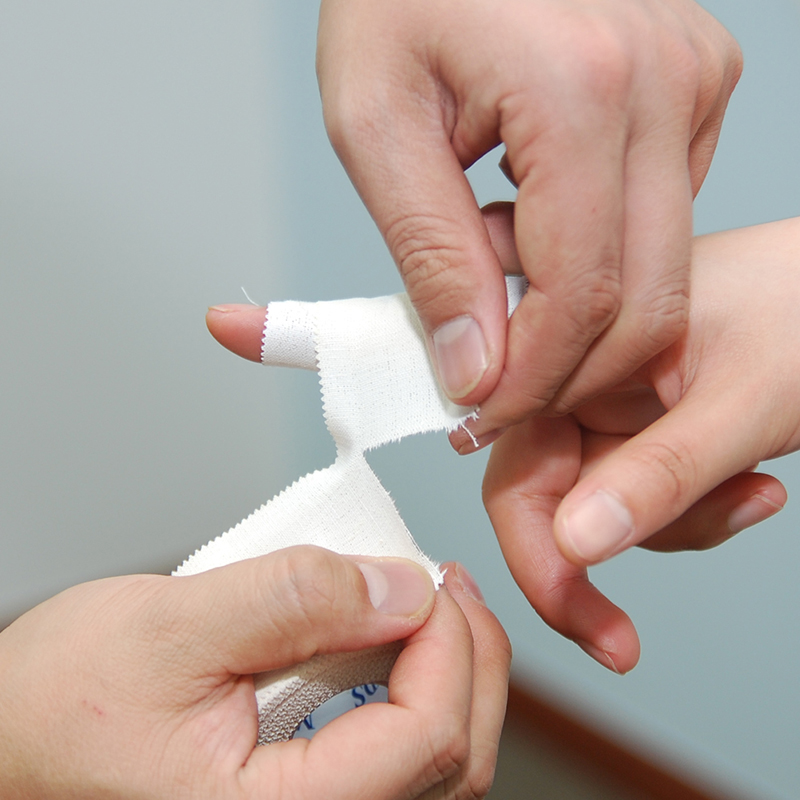 Athletic Finger Tape for Joint Support and CompressionLightweight cotton-elastane finger tape provides dynamic stabilization and secure adhesion for sports, rehabilitation, and extended wear.View Product →
Width, Thickness and Edge: The Numbers That Matter
Half-inch 12.5 mm rigid tape is the working standard for fingers, 25 mm covers buddy taping, and wider rolls should be cut down before they touch a phalanx.
Edge cut decides how fast a strip leaves the roll. A serrated or zigzag edge tears by hand, which matters when a trainer is working with cold fingers and thirty seconds left in a timeout. Flat-edge rolls need scissors, cut cleaner lines and suit boxed pre-cut strips. Thickness is the smaller factor, though a heavyweight cotton holds a joint more firmly than a thin weave, at the cost of bulk under a shooting hand.
A finger strip should never be thicker than two overlapping layers over the joint. Past that point the tape adds bulk and cuts circulation instead of adding support.
How to Tape a Finger for Basketball, Step by Step
Clean and dry the skin, anchor a strip across the middle phalanx, add two overlapping strips over the joint, then check the fingertip colour before the player goes back on the floor.
Buddy taping follows the same logic with one change: place a small pad or a strip of cohesive wrap between the two fingers before binding them, otherwise sweat softens the skin and the tape chafes.
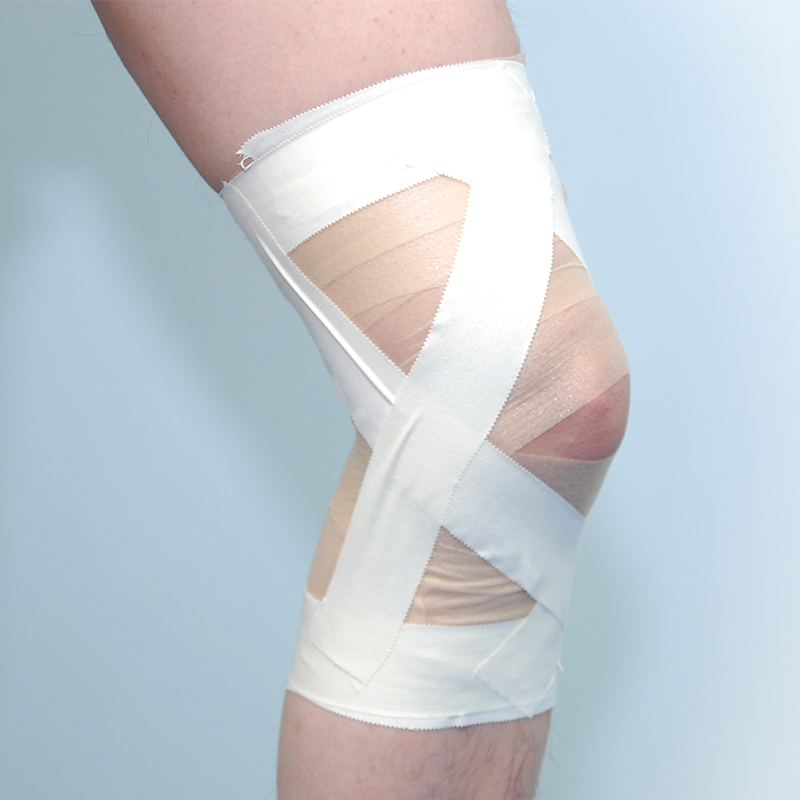 Rigid Cotton Sports Tape for Joint StabilizationHigh-strength rigid cotton tape offers firm compression and support for fingers, knees, toes, and ankles during sport and rehabilitation.View Product →
Jammed Fingers and Buddy Taping: Where Tape Stops Working
Buddy taping supports a sprained finger but cannot rule out a fracture, so a finger that swells quickly, sits at an odd angle or will not straighten needs imaging rather than another wrap.
- Pain that stays sharp when the joint is pressed from the side
- Visible deformity, or a finger that will not bend or straighten through its normal range
- Numbness, tingling or a fingertip that turns pale, white or blue
- Swelling that keeps growing after twenty minutes of taping
The courtside technique for a damaged digit is covered in more depth in this guide to athletic tape for a jammed finger, including safe tension and when the tape should come off.
Rigid finger tape is a single-session product. Remove it after training, check the skin, and never leave a wrapped finger overnight. If a player complains of throbbing under the tape, take it off and start again.
Buying Finger Tape by the Case: What to Verify
Volume buyers should lock width tolerance, adhesive chemistry, edge cut and roll length before comparing price per case, because those four variables decide how much tape ends up in the bin.
- Width tolerance. A roll sold as 12.5 mm that measures 11 mm handles differently on a small joint, so ask for the cutting tolerance in writing.
- Adhesive chemistry. Natural rubber zinc oxide grips hard but can irritate, while latex-free synthetic adhesive suits clinics and schools.
- Edge and core. Serrated edges save scissors courtside, and a 25 mm or 38 mm core changes how the roll sits on a taping cart.
- Roll length and shelf life. A 10 m roll and a 13.7 m roll look identical on a price list until you divide cost per metre.
For clubs, schools and team suppliers, cohesive finger bandages are worth stocking alongside rigid rolls because they solve the swelling and sensitive-skin cases that rigid tape handles badly.
Ask any supplier for three things before a first order: a measured width, the adhesive type in writing, and a sample roll from the batch that will actually ship.
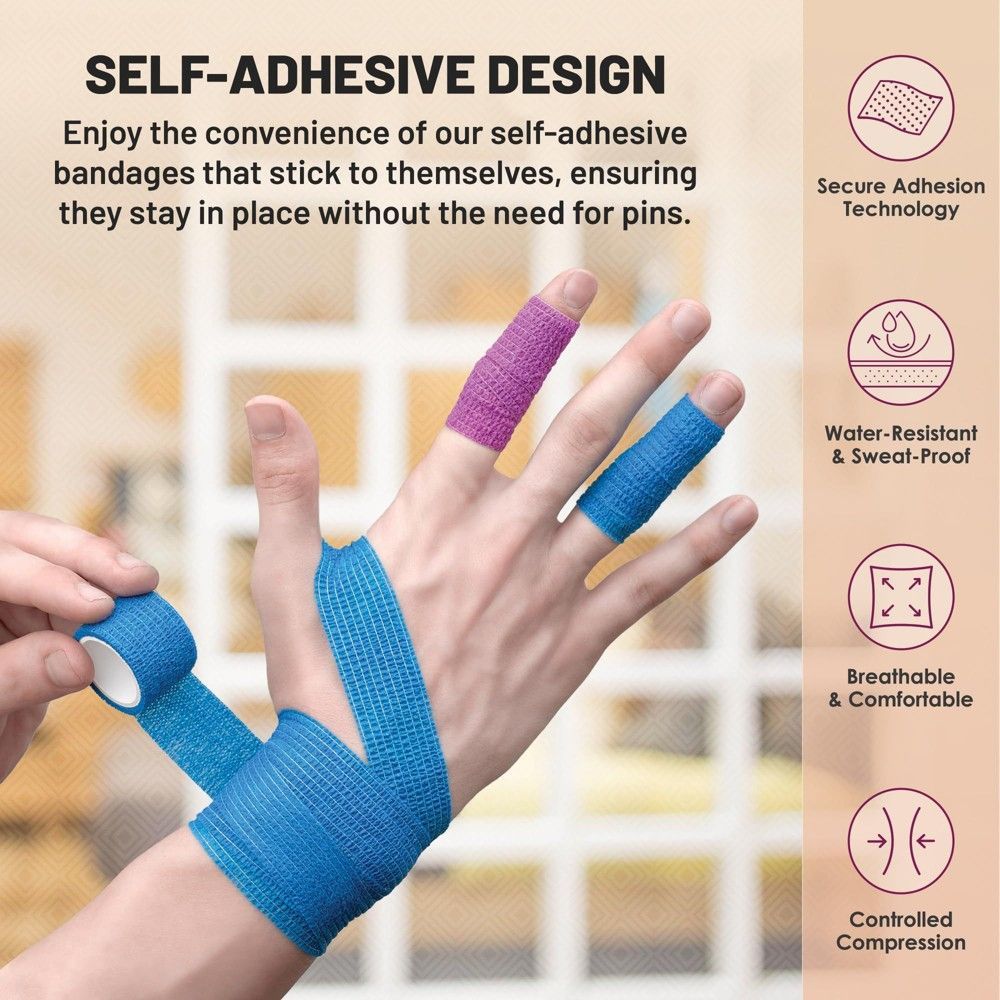
 Self-Adherent Cohesive Finger Bandages for Flexible ProtectionElastic self-adhering bandages conform to fingers without clips or adhesive residue, suitable for minor injuries and customizable sizes.View Product →
Finger Taping Questions Coaches Ask Most
How wide should basketball finger tape be?
12.5 mm is the practical standard for a single finger, 25 mm is used when two fingers are taped together, and 38 mm or wider belongs on hands, wrists and thumbs rather than on a phalanx.
Can you tape a finger with kinesiology tape instead?
You can, but it will not restrict joint motion. Pre-cut kinesiology strips help with swelling and skin irritation, while rigid zinc oxide tape is the material that actually supports a sprained joint.
How long can finger tape stay on?
One session. Rigid tape loses grip as hands sweat, and a tight wrap left on for hours can restrict blood flow, so remove it after training and check the skin.
Is finger tape allowed during a game?
Yes. Taping counts as normal equipment in most leagues, though officials may ask for it to be smooth and non-abrasive, which is one reason trainers prefer flat-edge strips over ragged hand tears.
Share:
RECOMMENDED PRODUCTS

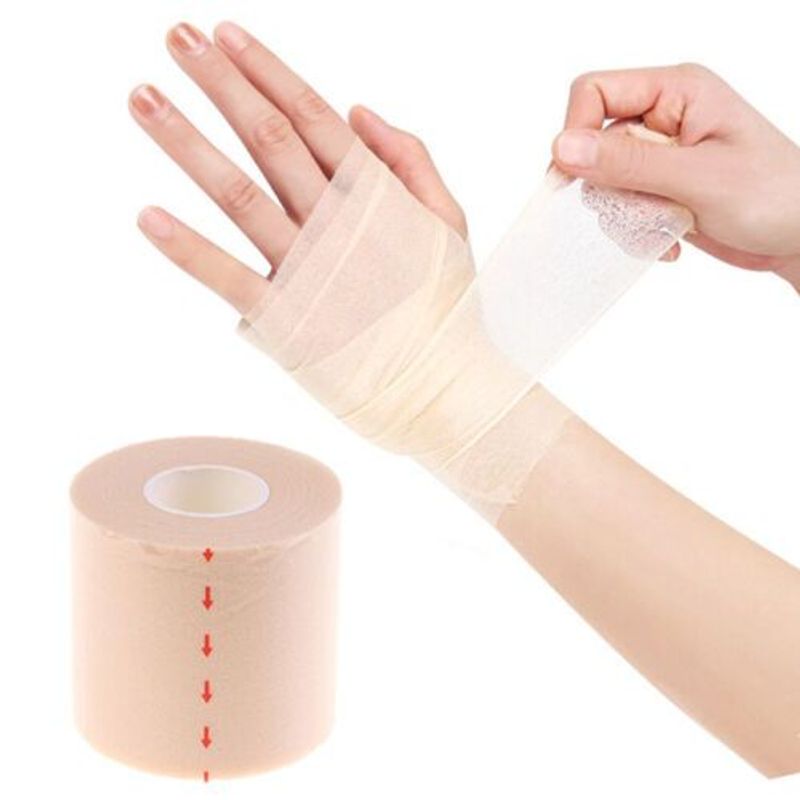

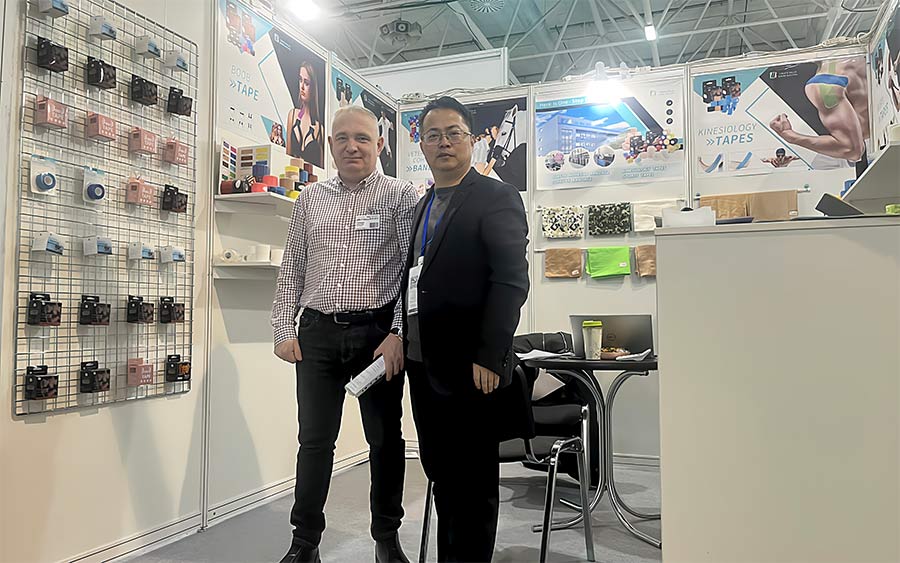
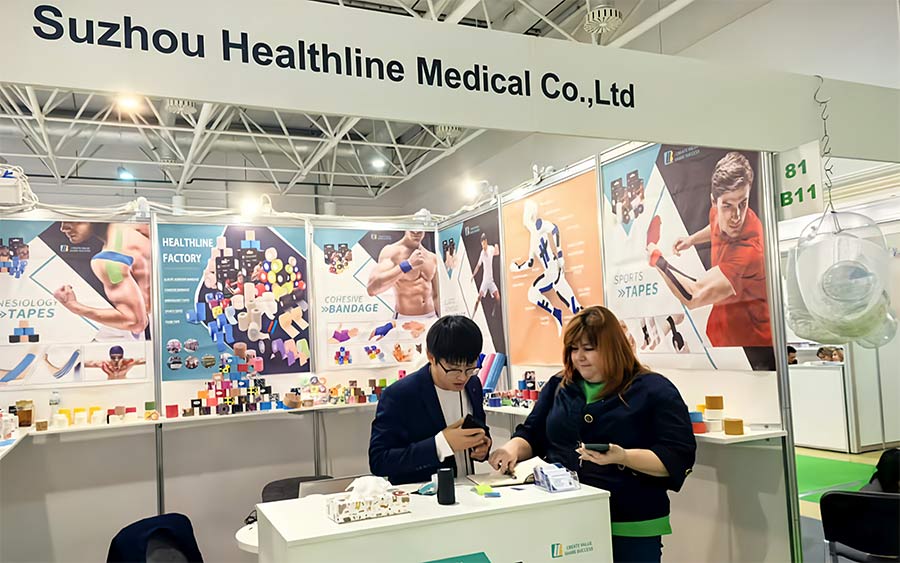
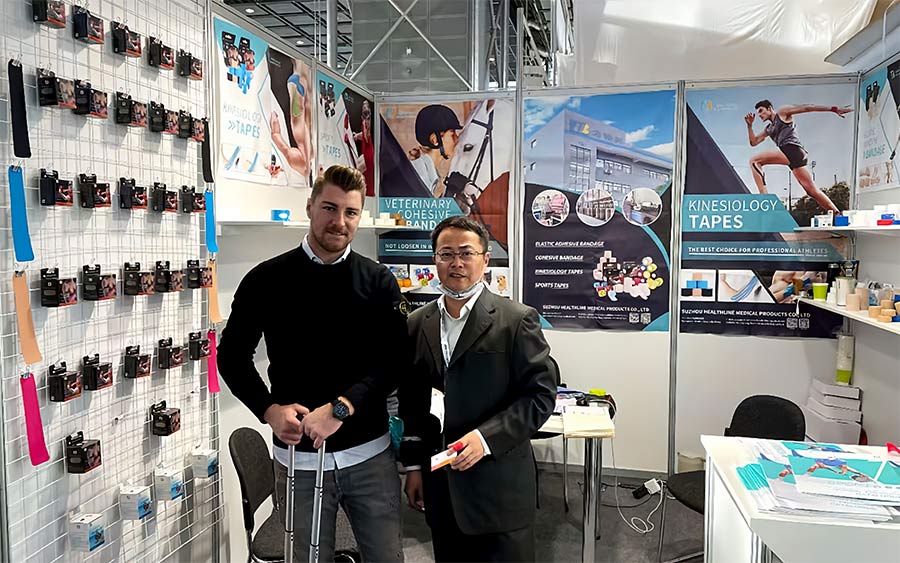
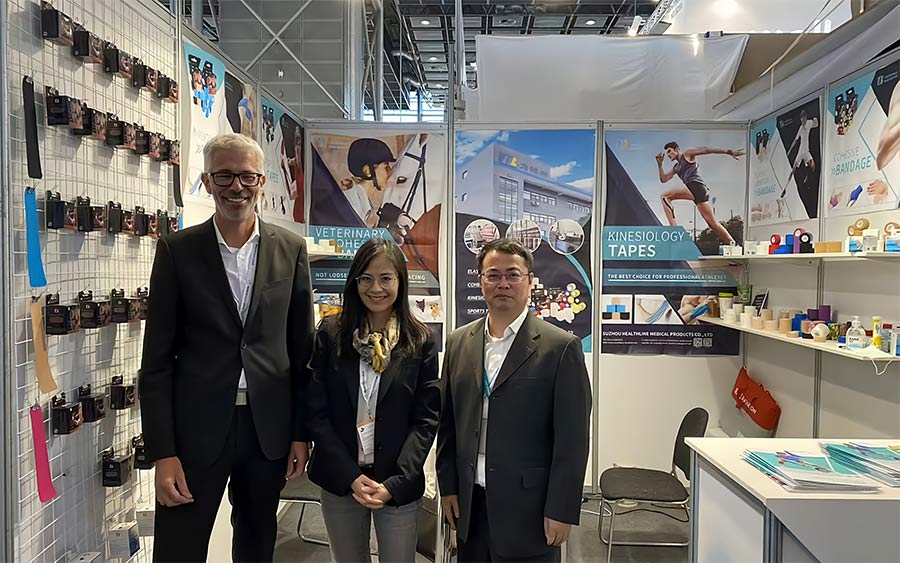
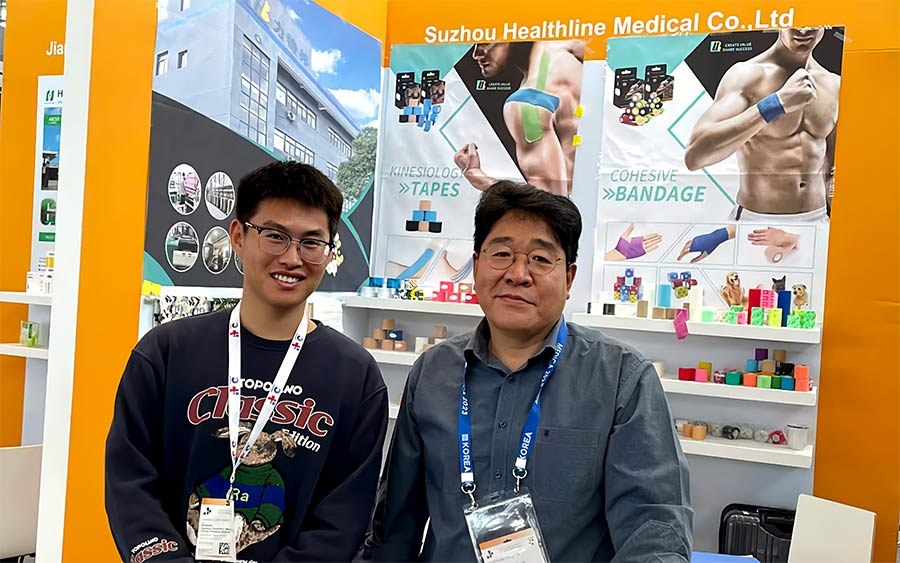
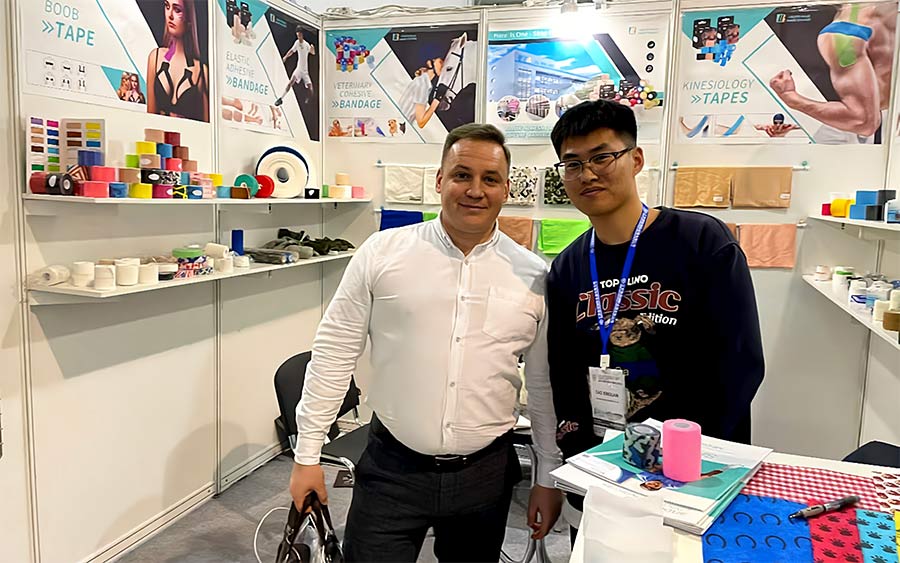
Driven by uncompromising quality, competitive value, and customer-centric service, Healthline’s products are now present in over 50 countries and regions across the globe. As a dedicated OEM/ODM manufacturer of medical cohesive bandages and sports tape, we serve a diverse client portfolio—including hospitals and clinics,veterinary,authorized distributors, government procurement agencies, national pharmacy chains, and retail supermarkets,on-line Amazon,Lotte & Tiktok e-commerce industry .
We are proud to be the long-term OEM/ODM partner for globally recognized names such as Target, CVS, Aldi, Lidl, Carrefour,Tesco, Alliance Boots,Deathlon,Covetrus and Kruuse. Our annual sales volume has maintained a steady year-over-year growth of 15% for consecutive years—a testament to the trust our partners place in us.
In today’s competitive global market, we believe sustainable success comes from continuously delivering superior products and responsive service at a fair price. This philosophy has guided Healthline for three decades, and we are committed to repaying your trust with solutions that help your business grow.


























- Ethan Zhang
- Tel:+86-512-6289 3223
- Mob:+86-19822909189
- Email:ethanzhang@healthline-medical.com
- Whatsapp / Wechat:+86-19822909189
- Skype:+86-19822909189
- Asher.cao
- Tel:+86-512-6289 3223
- Mob:+86-17625487782
-
Email:ethanzhang@healthline-medical.com
Asher.cao@healthline-medical.com
- Whatsapp / Wechat:+86-17625487782
- Skype:+86-176 2548 7782
- Jason Zhang
- Tel:+86-512-6289 3223
- Mob:+86-13152123359
- Email:jason@healthline-medical.com
- Whatsapp / Wechat:+86-13152123359
Copyright © 2025 SUZHOU HEALTHLINE MEDICAL PRODUCTS CO., LTD
All Rights Reserved.
 Sports Tape Manufacturers Cohesive Bandages Suppliers
The information provided on this website is intended for use only in countries and jurisdictions outside of the People's Republic of China.


