
 English
 Español
 русский
 عربى
عربى

- Cotton Kinesiology Tape
- Synthetic Kinesiology Tape
- Nylon Kinesiology Tape
- 4-Way Stretch Elastic Kinesiology Tape
- Standard Kinesiology Tape Roll
- Pre-Cut Kinesiology Tape Strips
- Printed / Pattern Kinesiology Tape
- Perforated Kinesiology Tape (Ventilated)
- Special Shape Kinesiology Tape
- Water-Resistant Kinesiology Tape
- Pregnancy Support Tape
- Face Lift Kinesiology Tape
- Gentle / Beauty Kinesiology Tape
- Veterinary Kinesiology Tape
- Breast Lift Tape
- Customized Kinesiology Tape
- Pre-cut I Strip Kinesiology Tape
- Pre-cut Y Strip Kinesiology Tape
- Pre-cut X Strip Kinesiology Tape
- Knee Kinesiology Tape
- Leg Kinesiology Tape
- Shoulder Kinesiology Tape
- Back Kinesiology Tape
- Waist Kinesiology Tape
- Ankle Kinesiology Tape
- Pregnancy Belly Tape
- Beauty Face Tape
- Solid Color Cohesive Bandage Roll
- Printed & Pattern Cohesive Bandage
- Non-Woven Self-Adhesive Bandage
- Cotton Self-Adhesive Bandage
- PBT Gauze Cohesive Bandage Rolls
- Pet Vet Wrap
- Horse and Cattle Self-Adhesive Bandage
- Veterinary Cohesive Bandage
- Camo Cohesive Wrap Tape
- Military and Tactical Cohesive Bandage
- Tattoo Grip Tape
- Latex Cohesive Bandage
- Latex-Free Cohesive Bandage
- Pet Laminated Self-Adhesive Bandage
- High-Tensile Cohesive Bandage
- Football Sock Wrap Self-Adhesive Bandage
- Sterile Cohesive Bandage
- Special Function Cohesive Bandage
- OEM / Bulk Cohesive Bandage Roll
- Rigid Strapping Tape
- Athletic Tape
- Zinc Oxide Sports Tape
- Rayon Rigid Sports Tape
- Sports Strapping Tape
- Finger Bob Bandages
- Boxing Tape
- Heavyweight Elastic Adhesive Bandage (EAB)
- 93 Cotton Heavyweight Elastic Adhesive Bandages(EAB)
- Athletic Heavyweight Elastic Adhesive Bandage (EAB)
- Lightweight Elastic Adhesive Bandage (EAB)
- Athletic Lightweight Elastic Adhesive Bandage (EAB)
- American Style Elastic Adhesive Bandage (EAB)
- Japanese Style Elastic Adhesive Bandage (EAB)
- Elastic Adhesive Compression Bandage
- Veterinary Elastic Adhesive Bandage (EAB)
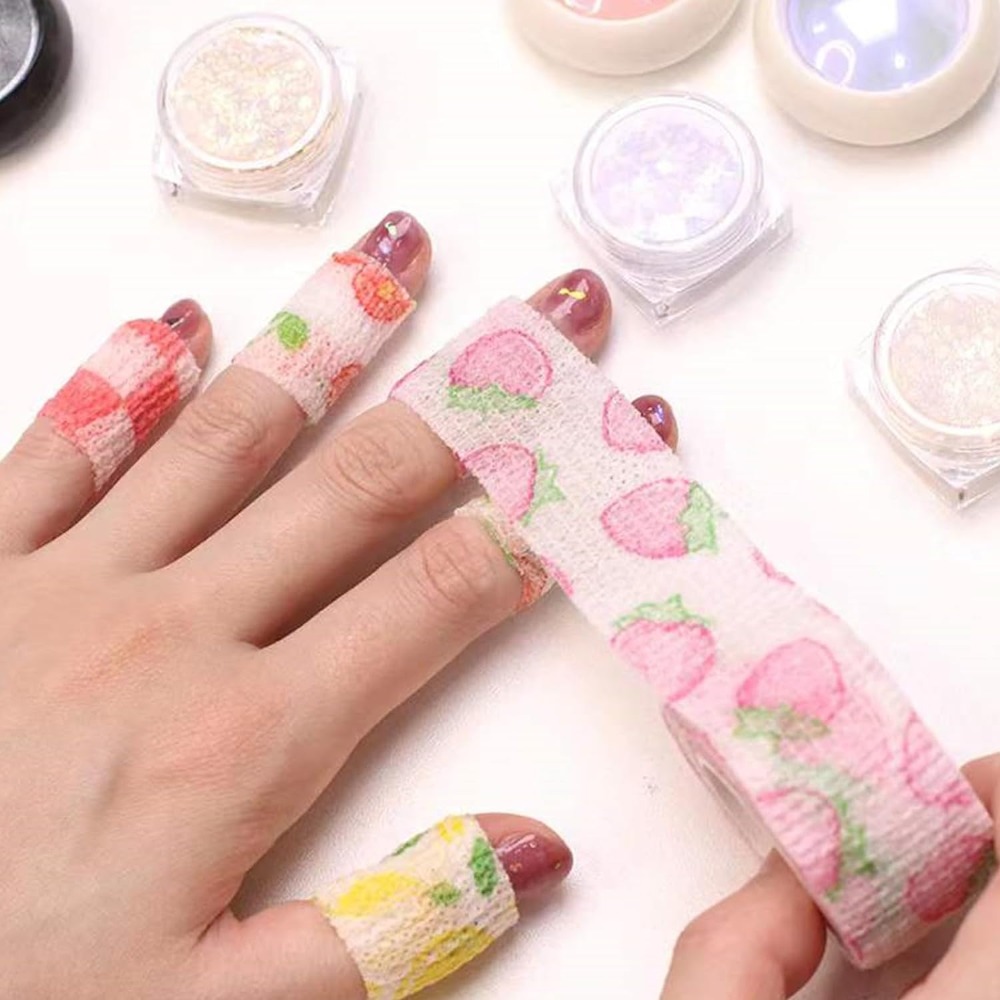
Are Cohesive Finger Bandages Suitable for Minor Cuts and Scratches?
Content
- Understanding Cohesive Finger Bandages
- Why People Consider Cohesive Finger Bandages for Minor Injuries
- Benefits of Using Cohesive Finger Bandages for Minor Cuts and Scratches
- When Cohesive Finger Bandages Are Suitable for Minor Injuries
- Limitations and Considerations
- Best Practices When Using Cohesive Finger Bandages
- Comparing Cohesive Finger Bandages to Traditional Adhesive Bandages
- Are They Suitable? A Practical Conclusion
Minor cuts and scratches are an inevitable part of everyday life. Whether someone is working in the kitchen, handling tools in a workshop, gardening outdoors, or simply opening a particularly stubborn package, small injuries to the fingers happen frequently. Because our hands are in constant motion—and are exposed to surfaces, dirt, and moisture—protecting even the smallest wound is important. Among the many first-aid options available, Cohesive Finger Bandages have gradually become a familiar choice. They are lightweight, flexible, and designed to adhere to themselves without sticking to the skin. But a common question arises: Are Cohesive Finger Bandages truly suitable for minor cuts and scratches?
Understanding Cohesive Finger Bandages
Cohesive Finger Bandages belong to a category of self-adhering elastic wraps that cling to themselves through a light, non-sticky cohesive property. Unlike adhesive bandages, which rely on glue to secure the dressing, cohesive bandages bond only when wrapped onto themselves. This characteristic is particularly appealing for those with sensitive skin, allergies to adhesives, or for situations where frequent finger movement could cause traditional bandages to peel away.
These bandages are typically made from elastic, breathable materials that stretch and conform to the natural shape of the fingers. Because they do not contain adhesives, they can be removed without discomfort and without pulling on skin or hair. This makes them especially helpful for people who change bandages frequently or who want a clean, residue-free dressing after extended wear.
Why People Consider Cohesive Finger Bandages for Minor Injuries
When someone experiences a small cut or scratch, the priority is usually simple: protect the wound, keep it clean, and support natural healing. Cohesive Finger Bandages serve this purpose in a way that many find convenient. Their conforming fit helps cover awkward areas on the fingers that might be difficult to wrap with a standard bandage. Plus, because they stay securely in place, they offer peace of mind for users who perform tasks that require constant hand movement.
There is also a practical appeal. Cohesive bandages are often sold in rolls or precut pieces, allowing users to choose the exact length they need. This adaptability encourages a more tailored fit compared to pre-shaped adhesive bandages, which do not always match the size or location of the injury.
Yet convenience alone does not answer the central question. To determine suitability for minor cuts and scratches, it is necessary to examine how these bandages perform under everyday conditions.
Benefits of Using Cohesive Finger Bandages for Minor Cuts and Scratches
1. Secure Fit Without Adhesive Irritation
One of the most notable advantages of Cohesive Finger Bandages is their ability to hold firmly without adhesives. Many people struggle with adhesive bandages that loosen when exposed to moisture or sweat. Others experience skin irritation, redness, or discomfort due to the adhesive material. Cohesive bandages eliminate these concerns by adhering only to themselves. The result is a secure wrap that stays put, even when the fingers bend or move continuously.
2. Flexibility and Range of Motion
Minor wounds on the fingers can be difficult to bandage because the area bends and stretches throughout the day. A dressing that restricts movement can feel uncomfortable or may peel away. Cohesive wraps solve this by offering elasticity and stretch. The bandage can move with the finger rather than resisting motion. This enhanced comfort makes them a suitable option for individuals who must continue typing, crafting, exercising, or performing other tasks without interruption.
3. Breathability and Comfort for Daily Wear
Good wound care involves more than coverage. Allowing airflow helps maintain a healthier healing environment. Many Cohesive Finger Bandages use porous materials that promote breathability. This reduces excessive moisture accumulation, which can irritate the skin or slow healing. While a cohesive wrap may not be as breathable as a minimal adhesive strip, it generally offers more ventilation than waterproof dressings.
4. Adjustable Compression
Although compression is not always needed for minor cuts and scratches, a gentle level of pressure can help control light bleeding or secure an underlying wound pad. Cohesive bandages make it easy to adjust compression simply by wrapping more tightly or loosely. This level of customizable support is difficult to achieve with adhesive bandages designed in fixed sizes.
5. Easy Removal Without Pain
Removing an adhesive bandage can sometimes feel more painful than the injury itself. Cohesive Finger Bandages avoid this problem completely. Because they stick only to themselves, they can be unwound effortlessly without tugging at the skin. This feature is particularly beneficial for children, older adults, and individuals with fragile or sensitive skin.
When Cohesive Finger Bandages Are Suitable for Minor Injuries
Cohesive Finger Bandages can be useful for covering a range of small wounds, provided that the injury has been cleaned and properly treated beforehand. They work well in situations such as:
- Minor kitchen cuts
- Paper cuts
- Shallow scrapes or abrasions
- Small nicks from gardening or crafting
- Minor sports-related scratches
- Irritated skin around the joints
In these cases, the cohesive wrap not only protects the area but also helps cushion the finger from additional friction or impact. This is especially helpful when working with tools, handling rough materials, or engaging in repetitive tasks.
Some people may choose to place a small piece of sterile gauze or a wound pad underneath the cohesive wrap. This adds a layer of absorption and hygiene while still allowing the bandage to hold everything securely.
Limitations and Considerations
While Cohesive Finger Bandages offer many advantages, they are not a universal solution. Understanding their limitations helps users make responsible and safe choices.
1. Not Ideal for Actively Bleeding or Deep Wounds
Minor cuts and scratches fall within the suitable range, but injuries that bleed heavily, are deep, or show signs of infection should not rely solely on a cohesive wrap. Such wounds may require medical attention, sutures, or more advanced dressings capable of managing larger amounts of fluid.
2. Potential for Too Much Compression
Although adjustable compression is a benefit, it can become a drawback when applied incorrectly. Wrapping too tightly can restrict circulation, leading to swelling or discomfort. Users should ensure the bandage feels secure but not constricting. It is generally advisable to check circulation by observing whether the fingertip remains warm and retains its natural color.
3. Moisture Exposure May Reduce Durability
Cohesive Finger Bandages are not always waterproof. Although many are somewhat water-resistant, significant exposure to water can reduce their cohesion and cause them to unravel. For tasks involving heavy water use—such as washing dishes, swimming, or cleaning—users may need to rewrap the bandage more frequently or use an additional finger cot for protection.
4. Bulkiness Compared to Adhesive Strips
Because they require wrapping, cohesive bandages may feel bulkier than thin adhesive bandages. This may not be ideal for users who prefer an almost invisible bandage or who require a minimal profile to perform fine motor tasks.
Best Practices When Using Cohesive Finger Bandages
Using the bandage correctly ensures better protection, comfort, and healing support. Some practical recommendations include:
Clean the Wound Thoroughly
Before applying any bandage, clean the wound with mild soap and water, and dry it gently. Apply an antiseptic if needed. Only after the bleeding has stopped should the bandage be wrapped.
Use a Protective Pad for Open Cuts
A sterile gauze pad or wound dressing placed beneath the cohesive wrap helps maintain a clean environment. This extra layer can absorb moisture and reduce friction.
Wrap With Moderate Tension
Avoid pulling the wrap too tightly. A gently snug fit is enough to keep the bandage in place. Periodically check the fingertip to ensure there are no signs of restricted blood flow.
Replace When Necessary
Since cohesive bandages may become loose or dirty over time, it is best to replace them regularly—especially if the wrap comes into contact with water or if the wound needs fresh cleaning.
Remove Before Sleeping When Appropriate
For very minor injuries, some people may choose to remove the bandage before bedtime to let the skin breathe. Others may prefer to keep it on for protection. The decision depends on the nature of the wound and personal comfort.
Comparing Cohesive Finger Bandages to Traditional Adhesive Bandages
To decide whether cohesive wraps are suitable, it helps to compare them with standard adhesive options.
| Feature | Cohesive Finger Bandages | Adhesive Bandages |
| Skin irritation | Low risk | Possible for sensitive skin |
| Fit and flexibility | Highly adjustable | Pre-shaped, less adaptable |
| Adhesion | Self-cohesive, no glue | Adhesive backing |
| Removal | Easy and pain-free | May tug on skin |
| Water resistance | Varies | Some waterproof versions available |
| Bulkiness | Moderately bulky | Usually slim |
This comparison shows that cohesive bandages offer unique advantages, especially for users who need comfort, flexibility, or skin-friendly materials. However, adhesive bandages still excel in situations that require a low-profile, waterproof, or quick-application solution.
Are They Suitable? A Practical Conclusion
Cohesive Finger Bandages are indeed suitable for minor cuts and scratches, provided they are used appropriately. Their self-adhering nature, flexibility, and gentle removal make them a convenient option for everyday finger injuries. They protect the wound, support natural healing, and offer adaptability that many traditional adhesive bandages cannot match.
However, suitability depends on matching the bandage to the type of injury. These cohesive wraps are designed for minor, shallow wounds. For deeper cuts, severe bleeding, or signs of infection, more advanced care is necessary.
When used responsibly, Cohesive Finger Bandages can be an effective and comfortable part of any basic first-aid routine. They offer a practical blend of protection, flexibility, and ease of use—qualities that many people appreciate in their daily lives. For anyone seeking a gentle, secure, and customizable dressing for minor finger injuries, they provide a thoughtful alternative worth considering.
Share:
RECOMMENDED PRODUCTS




















- Asher.cao
- Tel:+86-512-6289 3223
- Mob:+86-176 2548 7782
- Email:Asher.cao@healthline-medical.com
- Whatsapp / Wechat:+86-176 2548 7782
- Skype:+86-176 2548 7782
- Ethan Zhang
- Tel:+86-512-6289 3223
- Mob:+86-19822909189
- Email:ethanzhang@healthline-medical.com
- Whatsapp / Wechat:+86-19822909189
- Skype:+86-19822909189
- Jason Zhang
- Tel:+86-512-6289 3223
- Mob:+86-13152123359
- Email:jason@healthline-medical.com
- Whatsapp / Wechat:+86-13152123359
Copyright © 2025 SUZHOU HEALTHLINE MEDICAL PRODUCTS CO., LTD
All Rights Reserved.
 Sports Tape Manufacturers Cohesive Bandages Suppliers
The information provided on this website is intended for use only in countries and jurisdictions outside of the People's Republic of China.


