
 English
 Español
 русский
 عربى
عربى

- Cotton Kinesiology Tape
- Synthetic Kinesiology Tape
- Nylon Kinesiology Tape
- 4-Way Stretch Elastic Kinesiology Tape
- Standard Kinesiology Tape Roll
- Pre-Cut Kinesiology Tape Strips
- Printed / Pattern Kinesiology Tape
- Perforated Kinesiology Tape (Ventilated)
- Special Shape Kinesiology Tape
- Water-Resistant Kinesiology Tape
- Pregnancy Support Tape
- Face Lift Kinesiology Tape
- Gentle / Beauty Kinesiology Tape
- Veterinary Kinesiology Tape
- Breast Lift Tape
- Customized Kinesiology Tape
- Pre-cut I Strip Kinesiology Tape
- Pre-cut Y Strip Kinesiology Tape
- Pre-cut X Strip Kinesiology Tape
- Knee Kinesiology Tape
- Leg Kinesiology Tape
- Shoulder Kinesiology Tape
- Back Kinesiology Tape
- Waist Kinesiology Tape
- Ankle Kinesiology Tape
- Pregnancy Belly Tape
- Beauty Face Tape
- Solid Color Cohesive Bandage Roll
- Printed & Pattern Cohesive Bandage
- Non-Woven Self-Adhesive Bandage
- Cotton Self-Adhesive Bandage
- PBT Gauze Cohesive Bandage Rolls
- Pet Vet Wrap
- Horse and Cattle Self-Adhesive Bandage
- Veterinary Cohesive Bandage
- Camo Cohesive Wrap Tape
- Military and Tactical Cohesive Bandage
- Tattoo Grip Tape
- Latex Cohesive Bandage
- Latex-Free Cohesive Bandage
- Pet Laminated Self-Adhesive Bandage
- High-Tensile Cohesive Bandage
- Football Sock Wrap Self-Adhesive Bandage
- Sterile Cohesive Bandage
- Special Function Cohesive Bandage
- OEM / Bulk Cohesive Bandage Roll
- Rigid Strapping Tape
- Athletic Tape
- Zinc Oxide Sports Tape
- Rayon Rigid Sports Tape
- Sports Strapping Tape
- Finger Bob Bandages
- Boxing Tape
- Heavyweight Elastic Adhesive Bandage (EAB)
- 93 Cotton Heavyweight Elastic Adhesive Bandages(EAB)
- Athletic Heavyweight Elastic Adhesive Bandage (EAB)
- Lightweight Elastic Adhesive Bandage (EAB)
- Athletic Lightweight Elastic Adhesive Bandage (EAB)
- American Style Elastic Adhesive Bandage (EAB)
- Japanese Style Elastic Adhesive Bandage (EAB)
- Elastic Adhesive Compression Bandage
- Veterinary Elastic Adhesive Bandage (EAB)
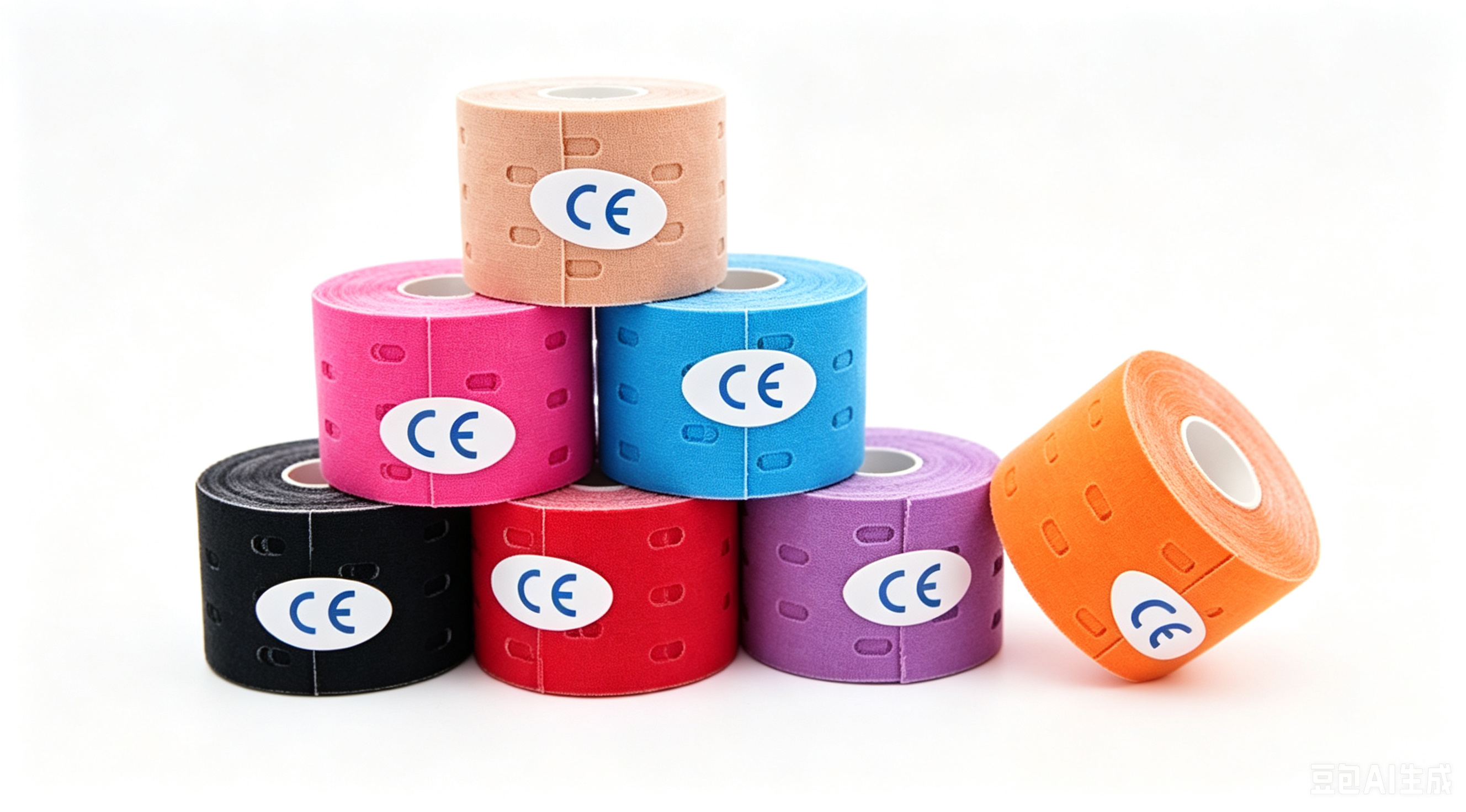
Does Kinesiology Tape Really Work? 8 Key Findings You Should Know
Content
Introduction
During major sports events, you may notice many professional athletes wearing colorful kinesiology tape on different parts of their bodies. From runners and football players to rehabilitation patients, kinesiology tape has become increasingly popular worldwide.
But what exactly is kinesiology tape? Does it really improve sports performance, reduce pain, or support recovery? In this article, we will explore the basic principles of kinesiology tape and summarize important findings from clinical research.
What Is Kinesiology Tape?
Kinesiology tape is an elastic therapeutic tape widely used in sports protection, rehabilitation, and physical therapy. It was developed in Japan in the late 1970s by Dr. Kenzo Kase.
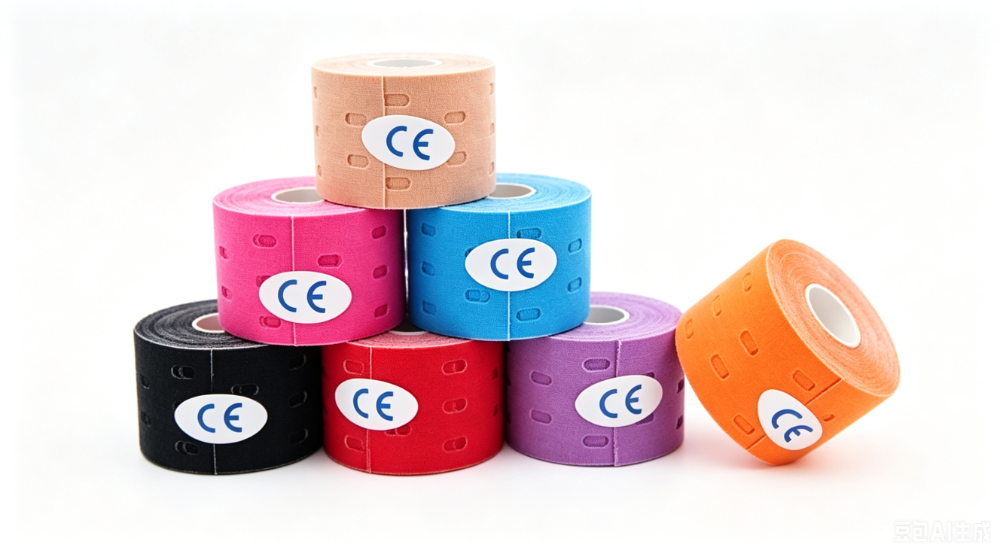
The name comes from the word “Kinesiology”, which refers to the study of human movement. Today, it is commonly known as kinesiology tape, muscle tape, or sports recovery tape.
Unlike traditional rigid sports tape, kinesiology tape is designed to stretch and move with the body, allowing users to maintain flexibility during activities.
Structure of Kinesiology Tape
A typical kinesiology tape consists of three main layers:
1. Outer layer: A breathable and elastic fabric layer, usually made from cotton, polyester, or a blend of materials. It provides flexibility and allows the tape to stretch.
2. Adhesive layer: A skin-friendly acrylic adhesive that provides reliable attachment while reducing the risk of irritation. The adhesive pattern is often designed with wave-like structures to improve comfort and performance.
3. Release liner: A protective paper layer that keeps the adhesive surface clean before application.
High-quality kinesiology tape should pass relevant safety and biocompatibility tests and should be latex-free when required.
Potential Benefits of Kinesiology Tape
Kinesiology tape is widely used by athletes, coaches, and therapists because of its potential benefits, including:
• Supporting muscles and joints during movement
• Providing additional stability during sports activities
• Helping improve body awareness and movement control
• Supporting rehabilitation programs
• Providing a comfortable alternative to traditional rigid taping methods
However, the actual effects of kinesiology tape have been widely discussed in scientific research.
8 Key Findings from Clinical Research
1. Some studies suggest kinesiology tape may temporarily influence muscle activation, but the improvement is generally not considered significant for increasing strength in healthy individuals.
2. Research comparing different taping techniques has not consistently shown that kinesiology tape can significantly increase or decrease muscle strength.
3. Some reported benefits may be related to psychological effects, such as increased confidence and awareness of the taped area.
4. Kinesiology tape may provide support during sports activities, but more evidence is needed to confirm its role in injury prevention.
5. Studies investigating pain relief effects have shown mixed results, with some improvements being clinically limited.
6. Research on lower back pain has found that different stretching methods during tape application may not always produce significantly different results.
7. Proper application of kinesiology tape can help limit certain joint movements and provide additional support.
8. Current studies do not clearly demonstrate that kinesiology tape increases athletic performance indicators such as peak torque or total work output in healthy adults.
Conclusion
Kinesiology tape is not a replacement for professional medical treatment, but it remains a valuable tool in sports protection, rehabilitation, and movement support.
Its greatest advantages come from providing comfortable support, improving body awareness, and assisting athletes during training and competition.
For sports brands, distributors, and healthcare professionals, choosing a high-quality kinesiology tape supplier with reliable materials, adhesive performance, and manufacturing capability is essential for delivering consistent product performance.
Share:
RECOMMENDED PRODUCTS

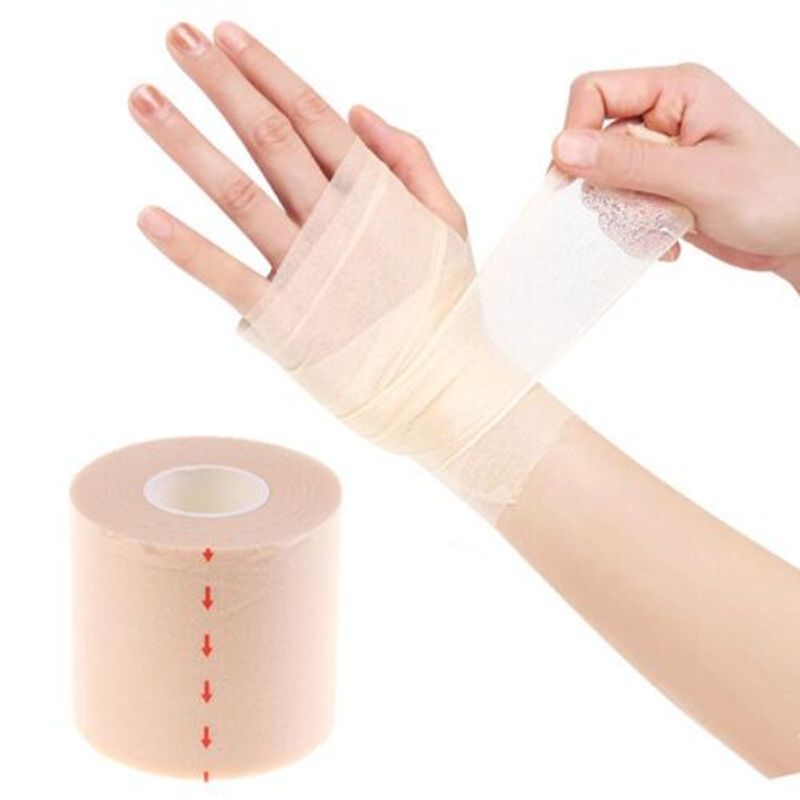

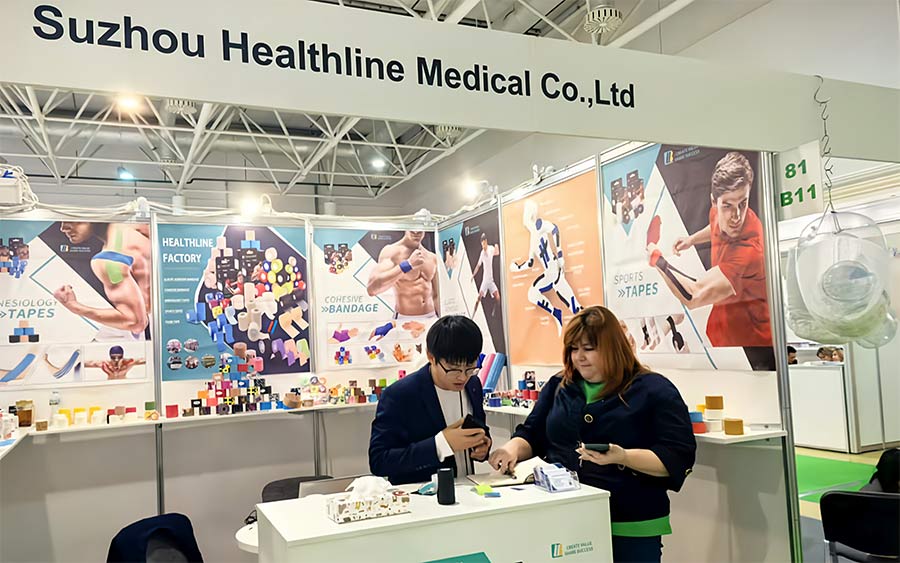
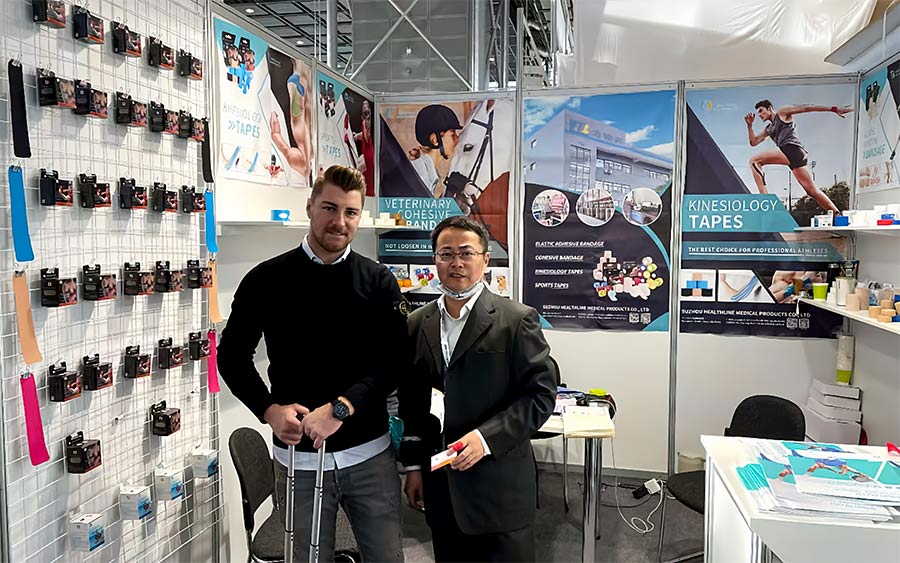
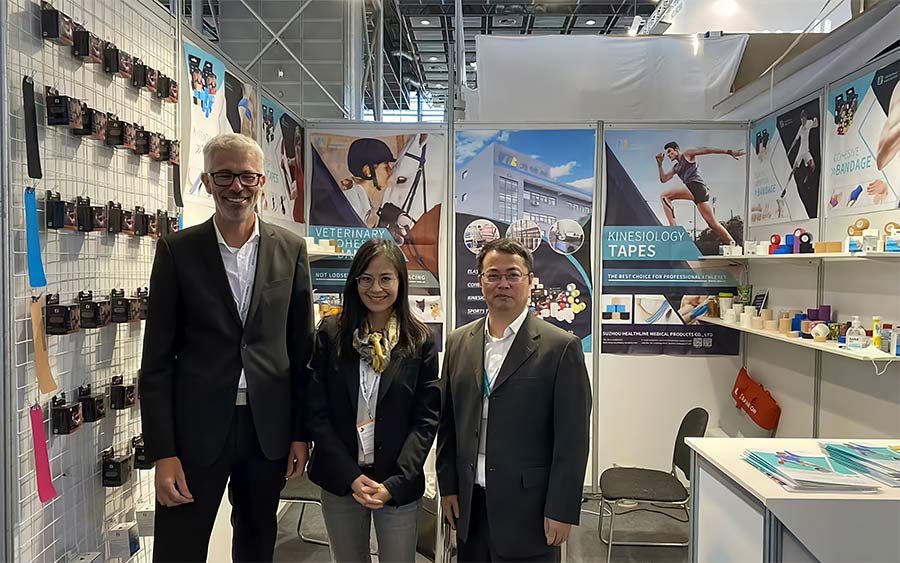
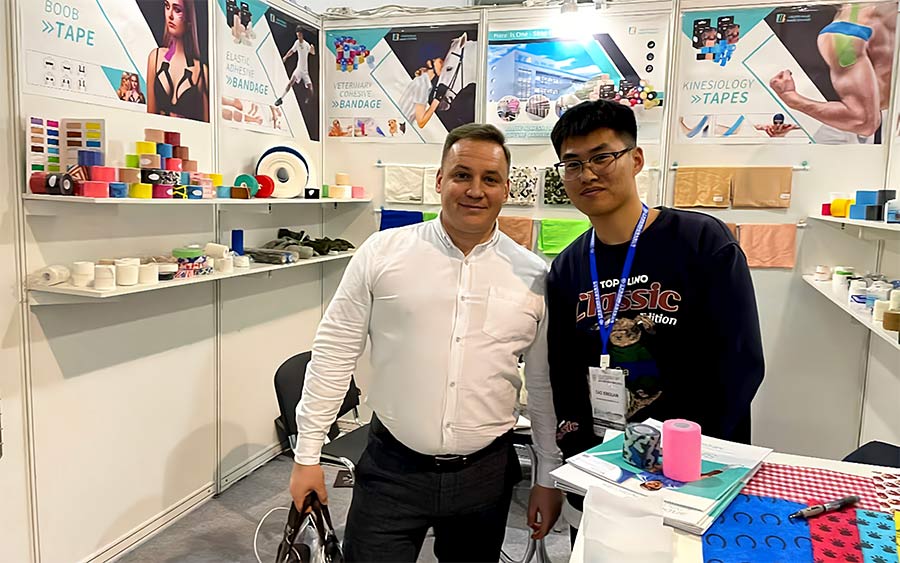
Driven by uncompromising quality, competitive value, and customer-centric service, Healthline’s products are now present in over 50 countries and regions across the globe. As a dedicated OEM/ODM manufacturer of medical cohesive bandages and sports tape, we serve a diverse client portfolio—including hospitals and clinics,veterinary,authorized distributors, government procurement agencies, national pharmacy chains, and retail supermarkets,on-line Amazon,Lotte & Tiktok e-commerce industry .
We are proud to be the long-term OEM/ODM partner for globally recognized names such as Target, CVS, Aldi, Lidl, Carrefour,Tesco, Alliance Boots,Deathlon,Covetrus and Kruuse. Our annual sales volume has maintained a steady year-over-year growth of 15% for consecutive years—a testament to the trust our partners place in us.
In today’s competitive global market, we believe sustainable success comes from continuously delivering superior products and responsive service at a fair price. This philosophy has guided Healthline for three decades, and we are committed to repaying your trust with solutions that help your business grow.
















- Asher.cao
- Tel:+86-512-6289 3223
- Mob:+86-176 2548 7782
- Email:Asher.cao@healthline-medical.com
- Whatsapp / Wechat:+86-176 2548 7782
- Skype:+86-176 2548 7782
- Ethan Zhang
- Tel:+86-512-6289 3223
- Mob:+86-19822909189
- Email:ethanzhang@healthline-medical.com
- Whatsapp / Wechat:+86-19822909189
- Skype:+86-19822909189
- Jason Zhang
- Tel:+86-512-6289 3223
- Mob:+86-13152123359
- Email:jason@healthline-medical.com
- Whatsapp / Wechat:+86-13152123359
Copyright © 2025 SUZHOU HEALTHLINE MEDICAL PRODUCTS CO., LTD
All Rights Reserved.
 Sports Tape Manufacturers Cohesive Bandages Suppliers
The information provided on this website is intended for use only in countries and jurisdictions outside of the People's Republic of China.


