
 English
 Español
 русский
 عربى
عربى

- Cotton Kinesiology Tape
- Synthetic Kinesiology Tape
- Nylon Kinesiology Tape
- 4-Way Stretch Elastic Kinesiology Tape
- Standard Kinesiology Tape Roll
- Pre-Cut Kinesiology Tape Strips
- Printed / Pattern Kinesiology Tape
- Perforated Kinesiology Tape (Ventilated)
- Special Shape Kinesiology Tape
- Water-Resistant Kinesiology Tape
- Pregnancy Support Tape
- Face Lift Kinesiology Tape
- Gentle / Beauty Kinesiology Tape
- Veterinary Kinesiology Tape
- Breast Lift Tape
- Customized Kinesiology Tape
- Pre-cut I Strip Kinesiology Tape
- Pre-cut Y Strip Kinesiology Tape
- Pre-cut X Strip Kinesiology Tape
- Knee Kinesiology Tape
- Leg Kinesiology Tape
- Shoulder Kinesiology Tape
- Back Kinesiology Tape
- Waist Kinesiology Tape
- Ankle Kinesiology Tape
- Pregnancy Belly Tape
- Beauty Face Tape
- Solid Color Cohesive Bandage Roll
- Printed & Pattern Cohesive Bandage
- Non-Woven Self-Adhesive Bandage
- Cotton Self-Adhesive Bandage
- PBT Gauze Cohesive Bandage Rolls
- Pet Vet Wrap
- Horse and Cattle Self-Adhesive Bandage
- Veterinary Cohesive Bandage
- Camo Cohesive Wrap Tape
- Military and Tactical Cohesive Bandage
- Tattoo Grip Tape
- Latex Cohesive Bandage
- Latex-Free Cohesive Bandage
- Pet Laminated Self-Adhesive Bandage
- High-Tensile Cohesive Bandage
- Football Sock Wrap Self-Adhesive Bandage
- Sterile Cohesive Bandage
- Special Function Cohesive Bandage
- OEM / Bulk Cohesive Bandage Roll
- Rigid Strapping Tape
- Athletic Tape
- Zinc Oxide Sports Tape
- Rayon Rigid Sports Tape
- Sports Strapping Tape
- Finger Bob Bandages
- Boxing Tape
- Heavyweight Elastic Adhesive Bandage (EAB)
- 93 Cotton Heavyweight Elastic Adhesive Bandages(EAB)
- Athletic Heavyweight Elastic Adhesive Bandage (EAB)
- Lightweight Elastic Adhesive Bandage (EAB)
- Athletic Lightweight Elastic Adhesive Bandage (EAB)
- American Style Elastic Adhesive Bandage (EAB)
- Japanese Style Elastic Adhesive Bandage (EAB)
- Elastic Adhesive Compression Bandage
- Veterinary Elastic Adhesive Bandage (EAB)
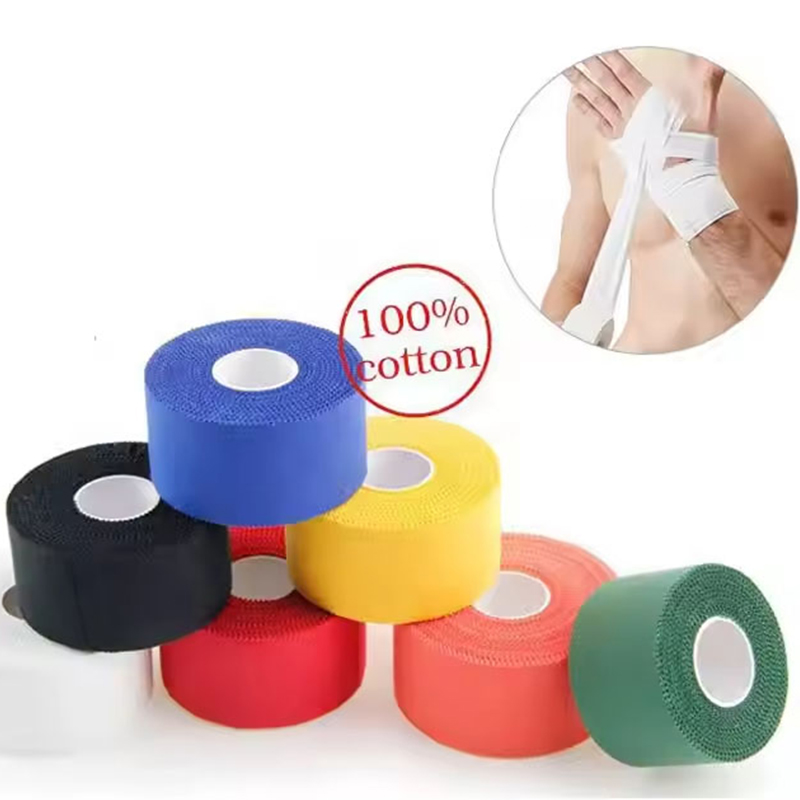
Rigid Sports Strapping Tape: Reliable Joint Support for Athletes
Content
Immediate Stabilization and Injury Risk Reduction
Rigid sports strapping tape delivers immediate, measurable joint stability by restricting harmful end-range motion without completely immobilizing the area. This targeted mechanical support, combined with enhanced proprioceptive feedback, can reduce ankle sprain recurrence by up to 30 percent in high-risk athletes. The non-elastic construction maintains consistent compression during activity, making it a reliable choice for injury prevention, rehabilitation, and emergency splinting.
How Rigid Tape Enhances Joint Stability
Unlike elastic alternatives, rigid strapping tape relies on a high-tensile backing that resists stretch. When applied with correct technique, it acts as an external ligament, limiting excessive joint translation. A study of lateral ankle sprains demonstrated that a properly applied rigid tape reduced maximum inversion angle by 28 percent compared to untaped conditions. This mechanical barrier is particularly valuable for the ankle, wrist, and acromioclavicular joint, where sudden directional changes or impacts frequently cause injury.
Knee taping techniques such as the McConnell method use rigid tape to correct patellar tracking, relieving anterior knee pain. Similarly, shoulder taping restricts excessive external rotation in throwing athletes, protecting the glenohumeral capsule during the late cocking phase. These applications succeed because the tape’s stiffness redirects force vectors and creates a passive restraint that muscles alone may fail to provide under fatigue.
Injury Prevention Through Targeted Compression
Compression from rigid sports tape does more than stabilize joints—it augments the body’s sensory feedback loop. The constant skin traction stimulates mechanoreceptors, sharpening the athlete’s awareness of joint position and movement. Research indicates that this enhanced proprioception can shorten muscle reaction time by 10 to 15 milliseconds, a clinically significant window for avoiding an ankle roll during a sudden landing.
Beyond proprioception, firm compression helps control soft tissue oscillation. In sports involving repetitive jumping, taping over the calf and Achilles complex reduces vibratory muscle damage and may lower the perception of fatigue. The resulting mechanical efficiency translates into more consistent movement patterns late in a match, when injury risk typically spikes.
Clinical and Emergency Applications
Post-Surgical Rehabilitation
Orthopedic departments frequently use rigid strapping tape during the early phases of recovery after ligament reconstruction or joint surgery. It provides adjustable, external support that protects healing grafts while allowing controlled, pain-free range of motion. For example, after anterior cruciate ligament repair, a tibial rotation-control strip can be integrated with rehabilitation exercises to prevent graft stress. Clinicians value the tape’s ability to be reapplied in varying configurations as the patient’s strength and swelling improve.
Emergency and First-Aid Splinting
In remote or sporting environments, rigid tape doubles as an effective temporary splinting material. Combined with a rigid support such as a padded board or folded magazine, it immobilizes suspected fractures of the fingers, wrist, or ankle until definitive medical care is available. Its strong adhesive, often a zinc oxide-based formulation, holds securely even when exposed to sweat or light moisture. Emergency medical teams also carry rigid sports tape to secure intravenous lines, stabilize rib fractures, or create improvised slings, proving its versatility far beyond the training room.
Material Science and Skin Safety
High-quality rigid strapping tapes are built on a breathable cotton-elastane base that balances structural integrity with wearer comfort. The open-weave construction allows moisture vapor to escape, reducing maceration risk during prolonged wear. Advanced hypoallergenic adhesive systems maintain reliable adhesion for up to 48 hours while minimizing irritation, even on sensitive skin. Many medical-grade products undergo ISO 13485-certified manufacturing, ensuring batch-to-batch consistency in peel strength, unwind force, and porosity. These standards matter: a tape that loses grip prematurely during a competition negates its protective value, while one that bonds too aggressively can cause skin tears upon removal.
Selecting the Appropriate Rigid Sports Tape
Choosing the right tape depends on the specific anatomical site, required support level, and skin condition. The table below outlines key performance parameters for two common rigid tape categories.
| Feature | Standard Athletic Grade | Premium Medical Grade |
|---|---|---|
| Tensile Strength | 160–200 N/cm | 200–240 N/cm |
| Adhesion Level | Medium-high | High, shear-resistant |
| Breathability | Moderate porosity | Enhanced open weave |
| Skin Sensitivity | Standard zinc oxide | Hypoallergenic acrylic blend |
| Typical Use Case | Short-duration match taping | Prolonged post-operative wear |
In addition to the specifications above, consider the width and edge finish. Tapes with serrated or easy-tear edges speed up application in fast-paced clinical settings, while pre-cut strip formats reduce waste and improve consistency in taping patterns. Regardless of grade, always conduct a patch test on a small skin area before full application, especially when working with athletes who have a history of adhesive allergies.
Practical Application Principles for Long-Term Benefit
Technique governs outcome. A tape applied too loosely fails to restrict motion; applied too tightly, it compromises circulation and can cause nerve compression. Effective application requires skin preparation, correct anchor placement, and consistent tension control. The following steps form a reliable foundation for most joint strapping protocols:
- Cleanse the skin with an alcohol wipe and allow it to dry completely. Shave the area if dense hair prevents adhesion.
- Apply a hypoallergenic underwrap if prolonged wear is anticipated or the skin is fragile.
- Position the joint in its functional, mid-range position before laying down anchor strips.
- Overlap each layer by approximately half the tape width to distribute load evenly.
- Smooth the tape firmly, avoiding wrinkles that can create pressure points or shear blisters.
- Check distal circulation, sensation, and motor function immediately after application and periodically during wear.
Removing rigid sports tape safely is equally important. Use a blunt-edged tape scissors and, whenever possible, peel the tape in the direction of hair growth while supporting the skin. Adhesive remover wipes help dissolve residual glue without excessive friction. These practices protect skin integrity, enabling consistent tape use throughout a long athletic season or rehabilitation period.
Share:
RECOMMENDED PRODUCTS


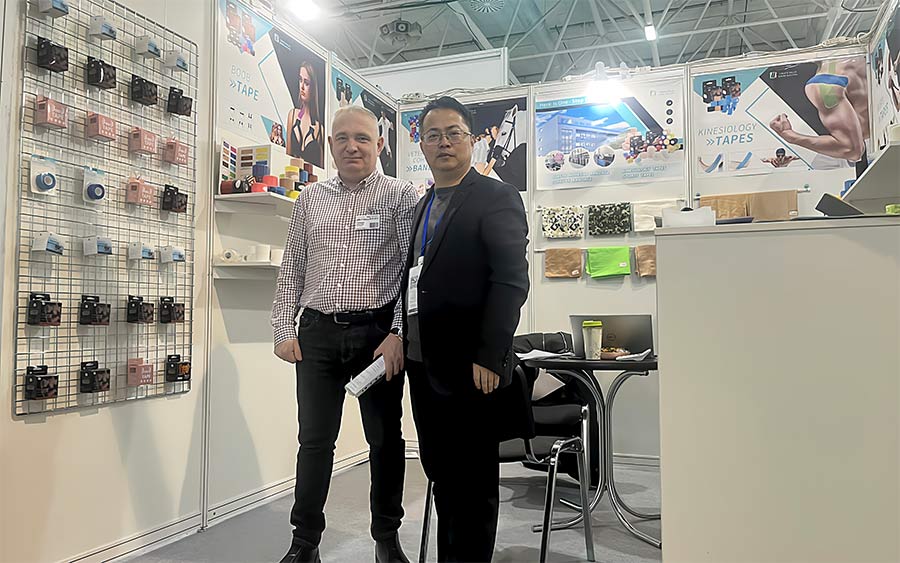
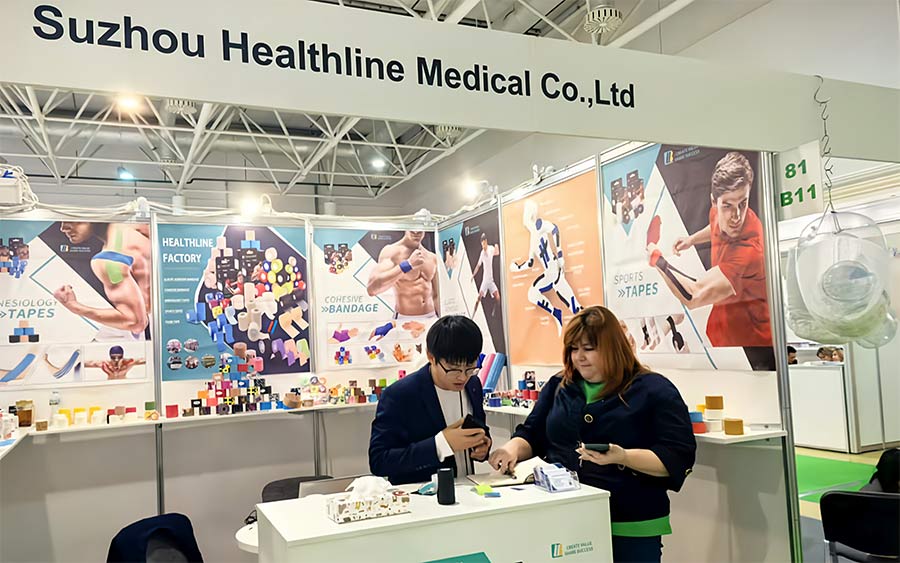
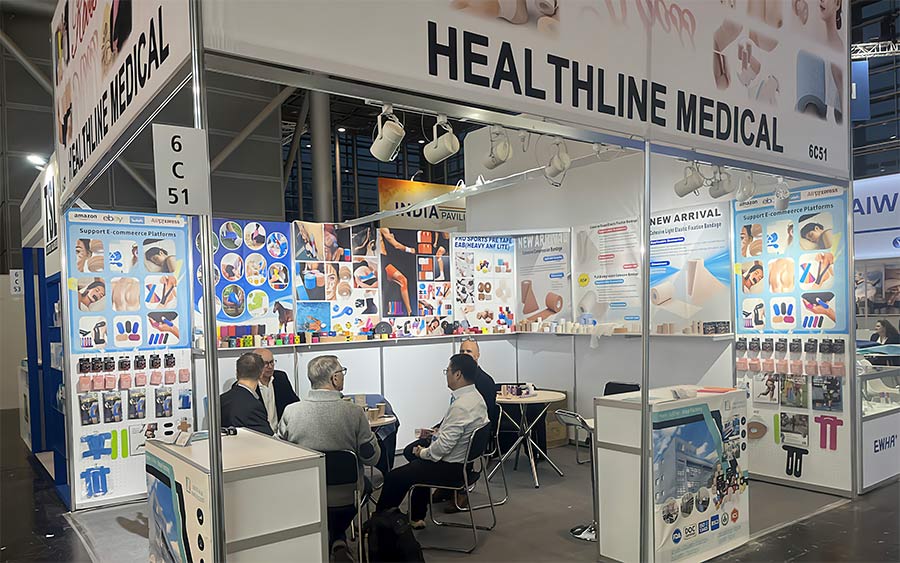
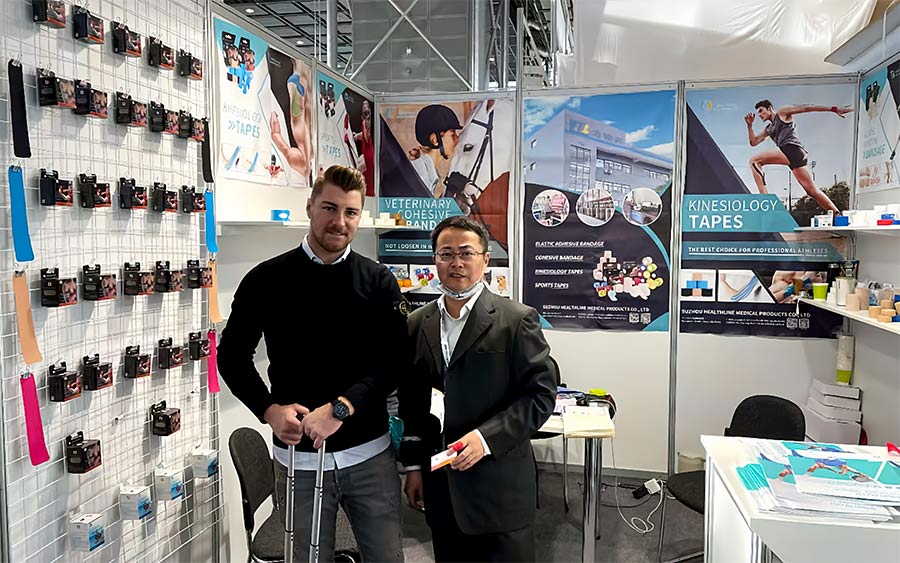
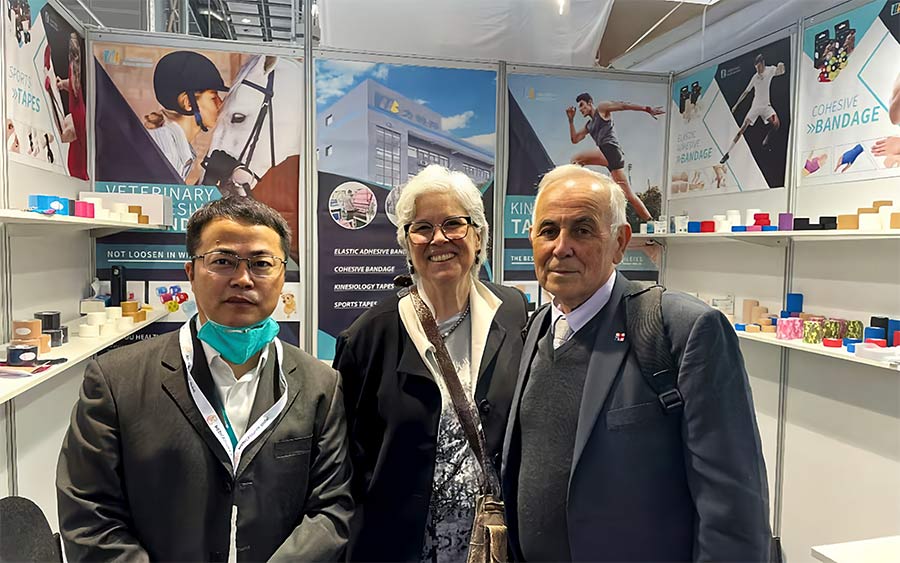
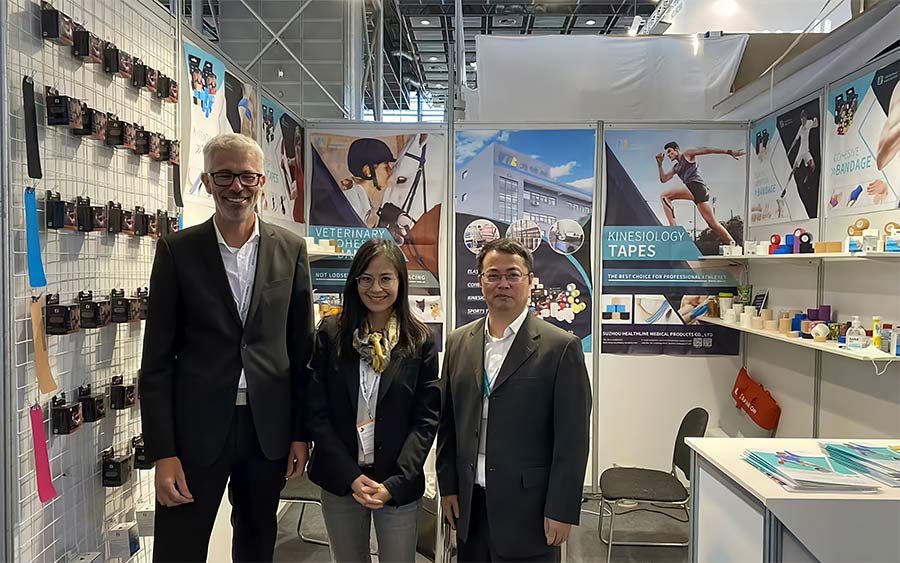
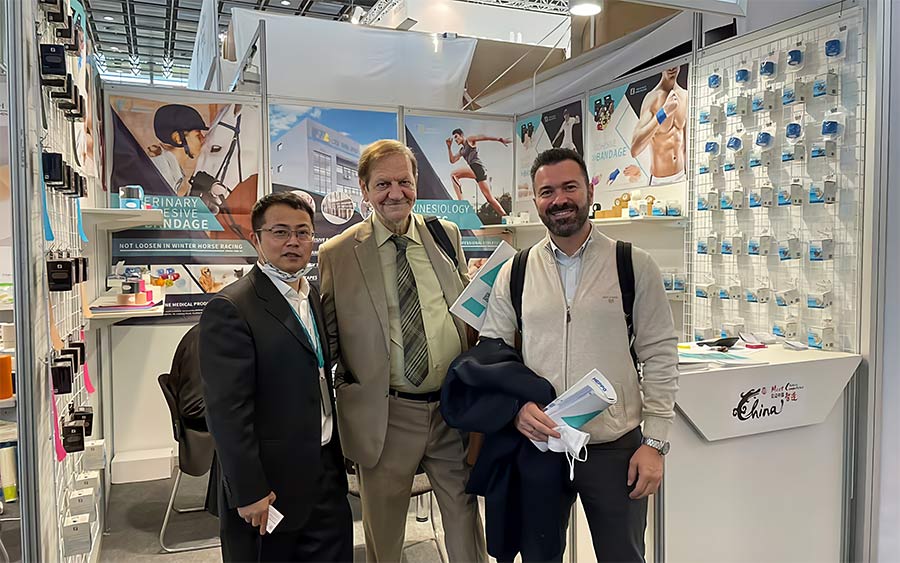
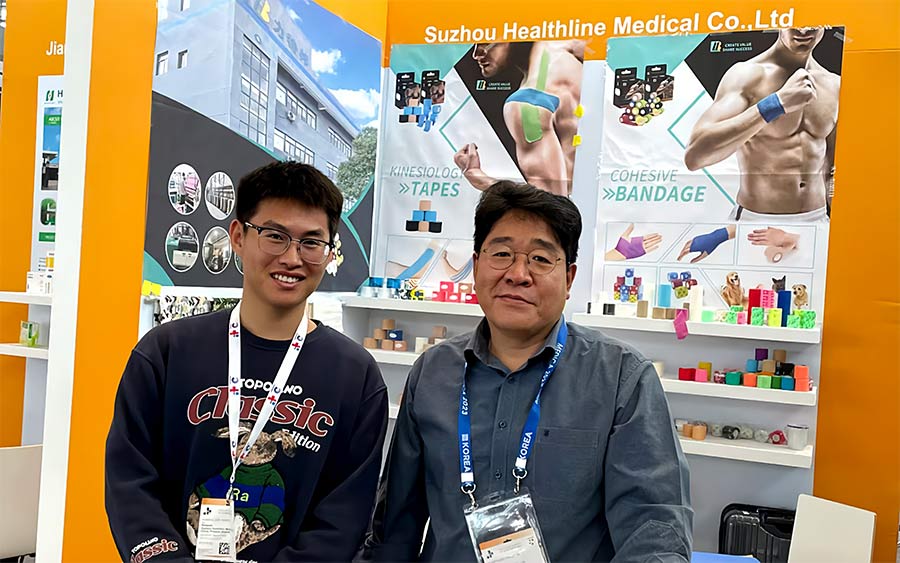
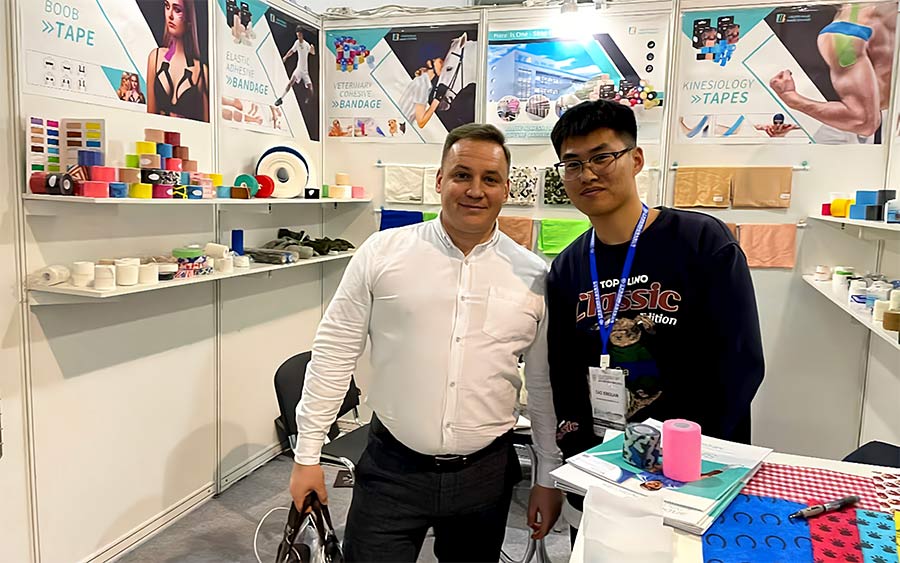
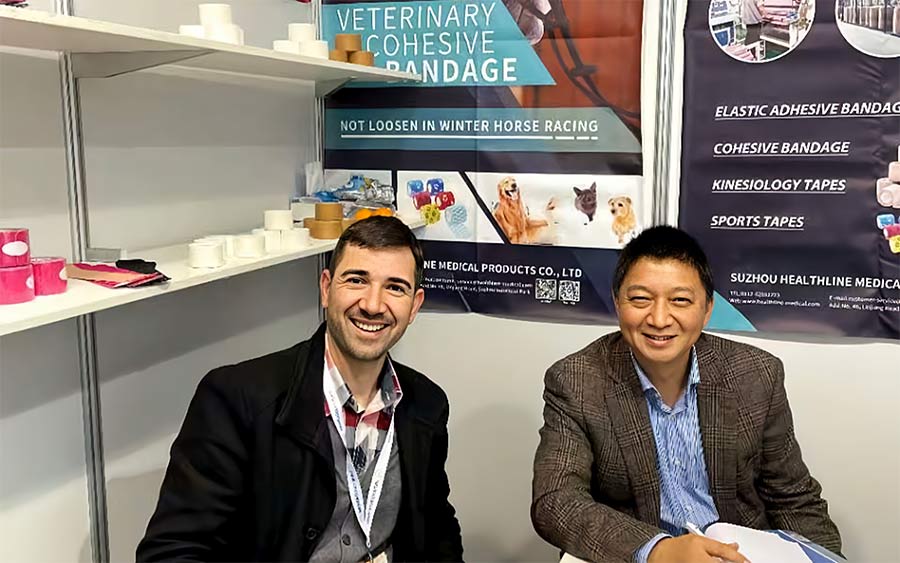
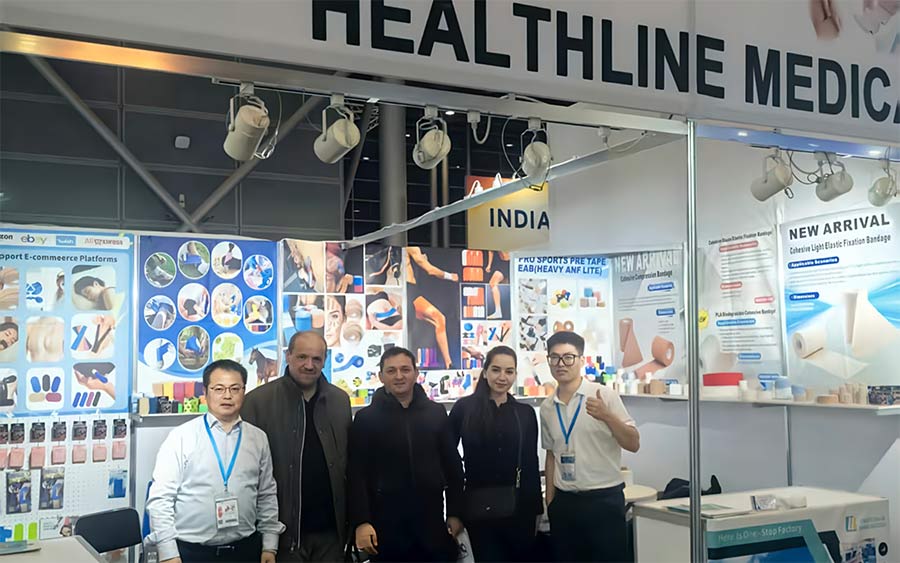
Driven by uncompromising quality, competitive value, and customer-centric service, Healthline’s products are now present in over 50 countries and regions across the globe. As a dedicated OEM/ODM manufacturer of medical cohesive bandages and sports tape, we serve a diverse client portfolio—including hospitals and clinics,veterinary,authorized distributors, government procurement agencies, national pharmacy chains, and retail supermarkets,on-line Amazon,Lotte & Tiktok e-commerce industry .
We are proud to be the long-term OEM/ODM partner for globally recognized names such as Target, CVS, Aldi, Lidl, Carrefour,Tesco, Alliance Boots,Deathlon,Covetrus and Kruuse. Our annual sales volume has maintained a steady year-over-year growth of 15% for consecutive years—a testament to the trust our partners place in us.
In today’s competitive global market, we believe sustainable success comes from continuously delivering superior products and responsive service at a fair price. This philosophy has guided Healthline for three decades, and we are committed to repaying your trust with solutions that help your business grow.





















- Ethan Zhang
- Tel:+86-512-6289 3223
- Mob:+86-19822909189
- Email:ethanzhang@healthline-medical.com
- Whatsapp / Wechat:+86-19822909189
- Skype:+86-19822909189
- Asher.cao
- Tel:+86-512-6289 3223
- Mob:+86-17625487782
-
Email:ethanzhang@healthline-medical.com
Asher.cao@healthline-medical.com
- Whatsapp / Wechat:+86-17625487782
- Skype:+86-176 2548 7782
- Jason Zhang
- Tel:+86-512-6289 3223
- Mob:+86-13152123359
- Email:jason@healthline-medical.com
- Whatsapp / Wechat:+86-13152123359
Copyright © 2025 SUZHOU HEALTHLINE MEDICAL PRODUCTS CO., LTD
All Rights Reserved.
 Sports Tape Manufacturers Cohesive Bandages Suppliers
The information provided on this website is intended for use only in countries and jurisdictions outside of the People's Republic of China.


