
 English
 Español
 русский
 عربى
عربى

- Cotton Kinesiology Tape
- Synthetic Kinesiology Tape
- Nylon Kinesiology Tape
- 4-Way Stretch Elastic Kinesiology Tape
- Standard Kinesiology Tape Roll
- Pre-Cut Kinesiology Tape Strips
- Printed / Pattern Kinesiology Tape
- Perforated Kinesiology Tape (Ventilated)
- Special Shape Kinesiology Tape
- Water-Resistant Kinesiology Tape
- Pregnancy Support Tape
- Face Lift Kinesiology Tape
- Gentle / Beauty Kinesiology Tape
- Veterinary Kinesiology Tape
- Breast Lift Tape
- Customized Kinesiology Tape
- Pre-cut I Strip Kinesiology Tape
- Pre-cut Y Strip Kinesiology Tape
- Pre-cut X Strip Kinesiology Tape
- Knee Kinesiology Tape
- Leg Kinesiology Tape
- Shoulder Kinesiology Tape
- Back Kinesiology Tape
- Waist Kinesiology Tape
- Ankle Kinesiology Tape
- Pregnancy Belly Tape
- Beauty Face Tape
- Solid Color Cohesive Bandage Roll
- Printed & Pattern Cohesive Bandage
- Non-Woven Self-Adhesive Bandage
- Cotton Self-Adhesive Bandage
- PBT Gauze Cohesive Bandage Rolls
- Pet Vet Wrap
- Horse and Cattle Self-Adhesive Bandage
- Veterinary Cohesive Bandage
- Camo Cohesive Wrap Tape
- Military and Tactical Cohesive Bandage
- Tattoo Grip Tape
- Latex Cohesive Bandage
- Latex-Free Cohesive Bandage
- Pet Laminated Self-Adhesive Bandage
- High-Tensile Cohesive Bandage
- Football Sock Wrap Self-Adhesive Bandage
- Sterile Cohesive Bandage
- Special Function Cohesive Bandage
- OEM / Bulk Cohesive Bandage Roll
- Rigid Strapping Tape
- Athletic Tape
- Zinc Oxide Sports Tape
- Rayon Rigid Sports Tape
- Sports Strapping Tape
- Finger Bob Bandages
- Boxing Tape
- Heavyweight Elastic Adhesive Bandage (EAB)
- 93 Cotton Heavyweight Elastic Adhesive Bandages(EAB)
- Athletic Heavyweight Elastic Adhesive Bandage (EAB)
- Lightweight Elastic Adhesive Bandage (EAB)
- Athletic Lightweight Elastic Adhesive Bandage (EAB)
- American Style Elastic Adhesive Bandage (EAB)
- Japanese Style Elastic Adhesive Bandage (EAB)
- Elastic Adhesive Compression Bandage
- Veterinary Elastic Adhesive Bandage (EAB)
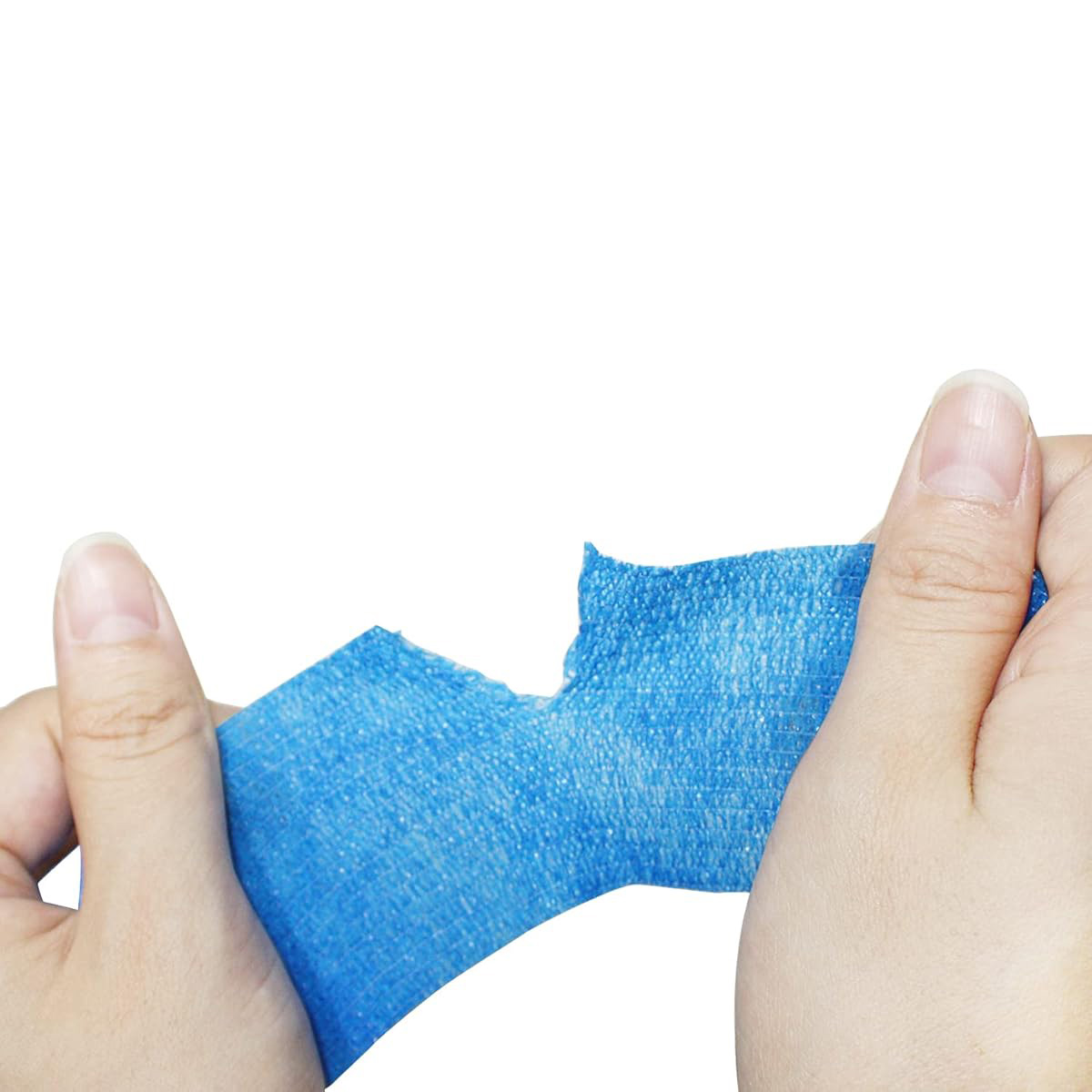
Self-Adhesive Bandages: Versatile Wrap Solutions for Medical, Sports & Pet Care
Content
Self-adhesive cohesive bandages are a versatile, clip-free wrap that adhere only to themselves, not to skin or hair. This property makes them an essential tool in first aid, sports medicine, postoperative care, veterinary bandaging, and even household uses like securing ice packs. Their elasticity and breathable construction provide comfortable compression to reduce swelling and stabilize joints without restricting movement or causing skin irritation. Whether you need a self adhesive bandage wrap for a sprained ankle or a self adhesive wrap for a pet’s leg, the right product eliminates the need for pins, tape, or clips, streamlining wound care and support.
The Technology Behind Self-Adherence
How Cohesive Bandages Bond
A self-adhesive bandage wrap uses a cohesive coating that bonds only to itself, not to skin, hair, or clothing. The surface contains a thin layer of synthetic or natural latex (latex-free options available) that creates instant molecular adhesion when overlapped. Unlike traditional adhesive tapes, there is no sticky residue left on the skin after removal, and the bond holds firmly yet releases easily when unwrapped. This self-adherent mechanism allows the bandage to be applied quickly, adjusted, and reused several times if kept clean.
Why Elasticity Matters
These wraps are engineered with a high stretch capacity, often reaching 150% to 200% elongation at break. The elastic recovery ensures that the bandage conforms closely to irregular body contours such as ankles, elbows, and knees while maintaining consistent pressure. A self adhesive wrap that stretches adequately distributes compression evenly, reducing the risk of constriction or slippage during movement.
Breathable Materials and Skin Safety
Self-adhesive bandages are typically made from a non-woven polyester or cotton-spandex blend that allows continuous airflow. The porous structure helps wick moisture away from the skin, reducing the risk of skin maceration even after hours of wear. Latex-free variants are available for users with latex allergies, offering the same cohesive performance without the sensitizing proteins. The soft, lightweight fabric minimizes friction, making self-adhesive cohesive bandages suitable for delicate skin, pediatric patients, and animals.
In veterinary and pet care, the absence of adhesives that pull fur is a critical advantage. A self adhesive bandage wrap can be wound around a dog's leg or a horse's tail without causing pain on removal, ensuring compliance and reducing stress during dressing changes.
Compression and Edema Control
Evidence-Based Compression Levels
The ability of a self adhesive wrap to deliver controlled compression is one of its most valuable clinical features. Mild to moderate compression in the range of 20–30 mmHg can effectively limit edema formation after an acute injury. In a sports medicine observation, participants who applied a cohesive compression wrap immediately after an ankle sprain showed up to 30% less swelling within 24 hours compared to those using only rest and ice. The wrap achieves this by increasing interstitial pressure, which promotes venous and lymphatic return while still allowing full range of motion.
Graduated Compression Application
For optimal results, the wrap should be applied with higher tension at the distal end of the limb and gradually less tension proximally. This technique creates a graduated pressure gradient that encourages fluid movement toward the core. A self-adhesive bandage maintains its position without clips, so the graduated compression stays intact during activity.
Choosing the Correct Self-Adhesive Bandage Size
Selecting the right width is essential for effective immobilization, comfort, and pressure distribution. The table below outlines standard self-adhesive bandage wrap sizes and their recommended applications.
| Width (cm/in) | Recommended Application |
|---|---|
| 2.5 cm / 1 inch | Fingers, toes, small animal limbs |
| 5 cm / 2 inches | Hands, wrists, small joint wraps |
| 7.5 cm / 3 inches | Ankles, elbows, medium-sized dressings |
| 10 cm / 4 inches | Knees, lower legs, horse legs |
| 15 cm / 6 inches | Thighs, large animal limbs, trunk |
Step-by-Step Application for Stable Support
Preparation and Positioning
Before wrapping, clean and dry the skin thoroughly. Position the limb in a functional, slightly stretched position. Begin the self adhesive wrap a few centimeters below the injury site, anchoring it with a single circular turn without tension. This base layer prevents slipping and protects the skin from uneven pressure.
Wrapping Technique for Joints
Apply the bandage in a spiral or figure-eight pattern, overlapping each layer by about 50% of the bandage width. Maintain consistent, moderate stretch—enough to provide compression but not so tight that it causes tingling or color changes. For joint support, wrap above and below the articulation, leaving the joint crease unobstructed to permit a full range of motion. The final turn should end on the cohesive surface itself; simply press down to secure—no clips or pins are needed.
Check capillary refill and sensation after application. The self adhesive bandage wrap should feel snug but comfortable, with no numbness or increased pain.
Storage and Shelf Life Guidelines
Cohesive bandages maintain their self-adherent properties best when stored in a cool, dry environment away from direct sunlight. Excessive heat can degrade the cohesive coating, reducing its ability to bond. Typically, an unopened roll retains full performance for 3 to 5 years from the manufacturing date when stored correctly. Once opened, keep the bandage in a sealed plastic bag to prevent dust accumulation and preserve tackiness. While a self-adhesive bandage can be reused a few times, its cohesive strength diminishes with each application, so inspect it before reapplication and discard if the bond feels weak or the material shows signs of fraying.
Versatile Applications Across Fields
- Medical and first aid: Secures gauze pads, provides light compression for venous ulcers, and stabilizes splints without adhesive trauma.
- Sports and athletic taping: Supports wrists, ankles, and knees during training; reduces muscle oscillation and the risk of re-injury.
- Veterinary and animal husbandry: Wraps legs of horses, dogs, and cattle; holds wound dressings in place without pulling fur or feathers.
- Post-surgical care: Maintains gentle pressure over incision sites to minimize seroma formation and protect sutures.
- Household and DIY: Bundles cords, secures ice packs, protects skin under braces, and serves as a temporary grip enhancer on tool handles.
A self adhesive bandage wrap is an indispensable, multi-purpose item that simplifies care routines across these diverse settings. Its combination of ease of use, reliable hold, and gentle removal continues to make it the preferred choice for professionals and home users alike.
Share:
RECOMMENDED PRODUCTS
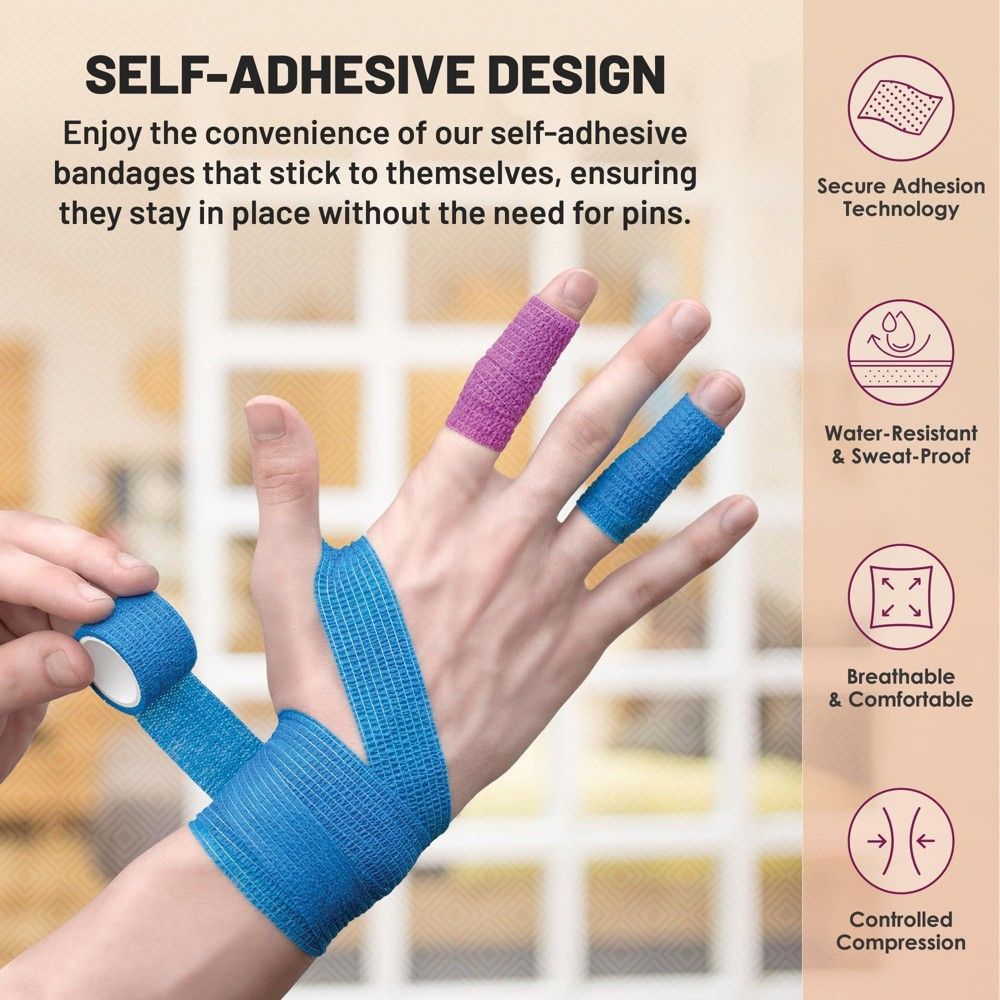

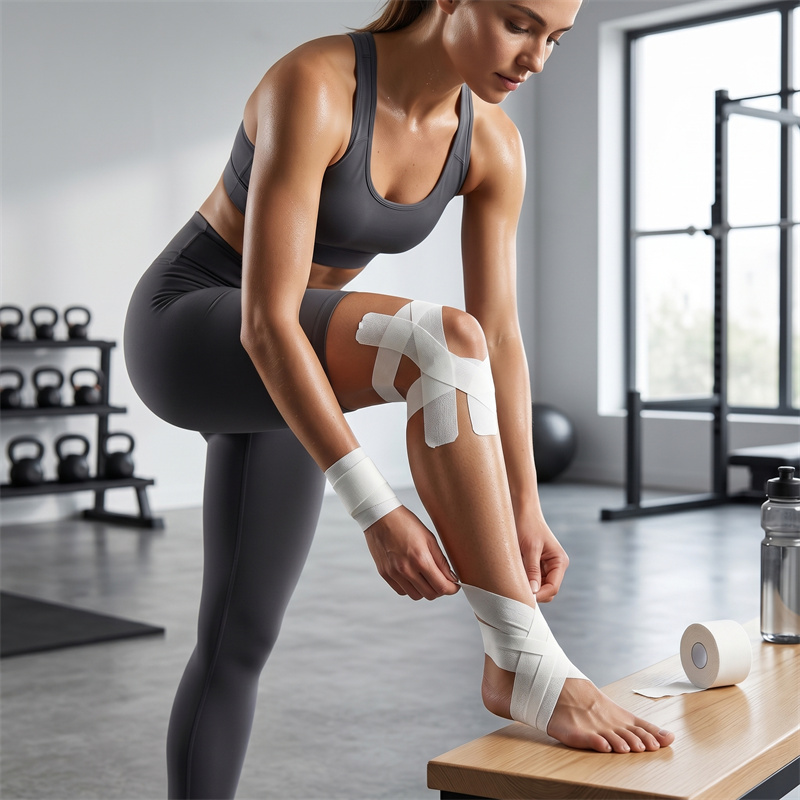
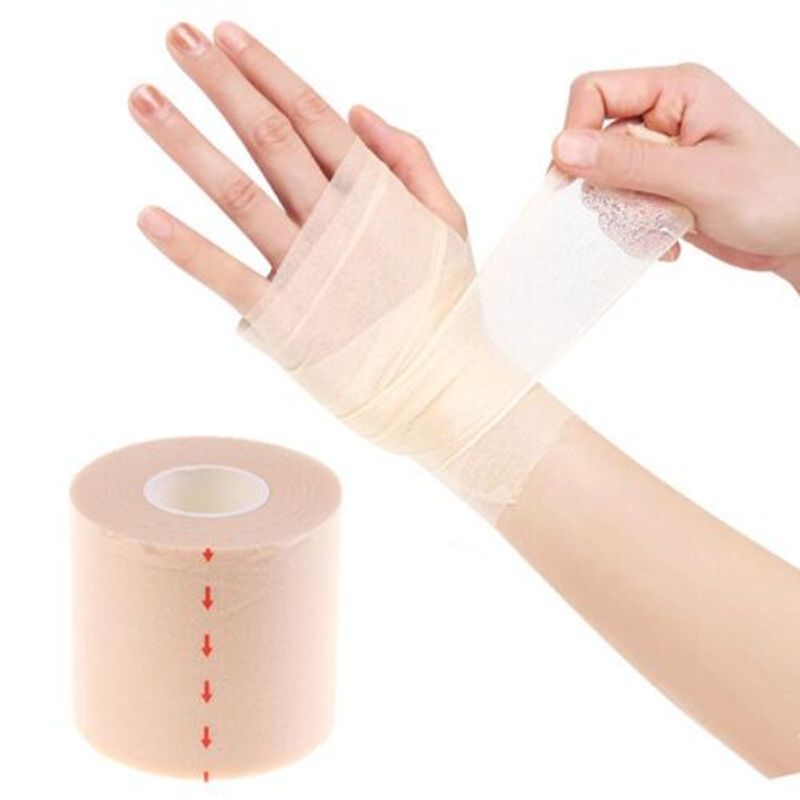

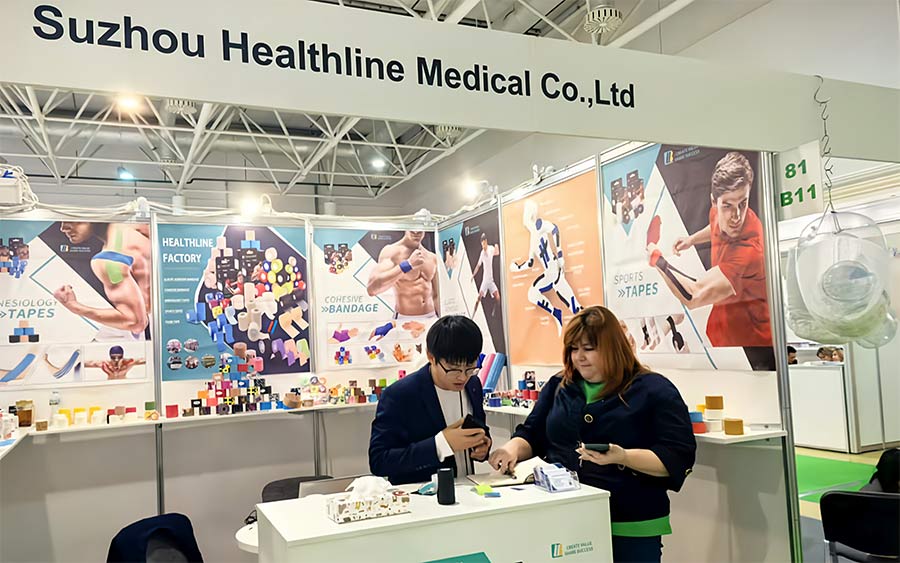
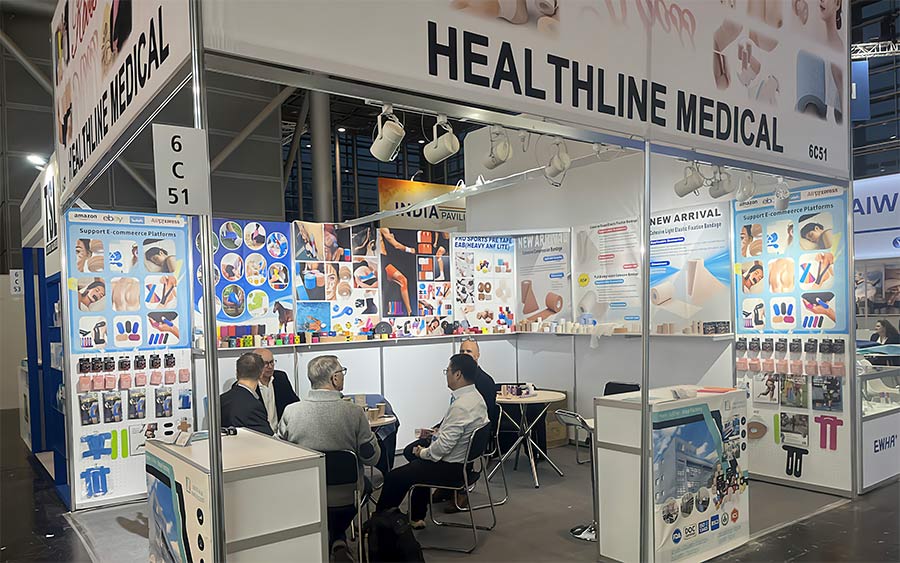
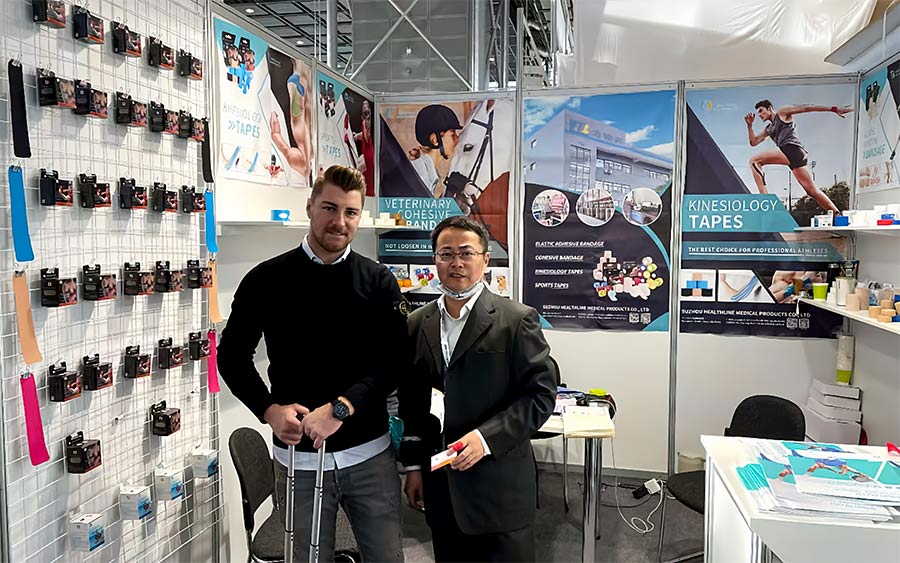
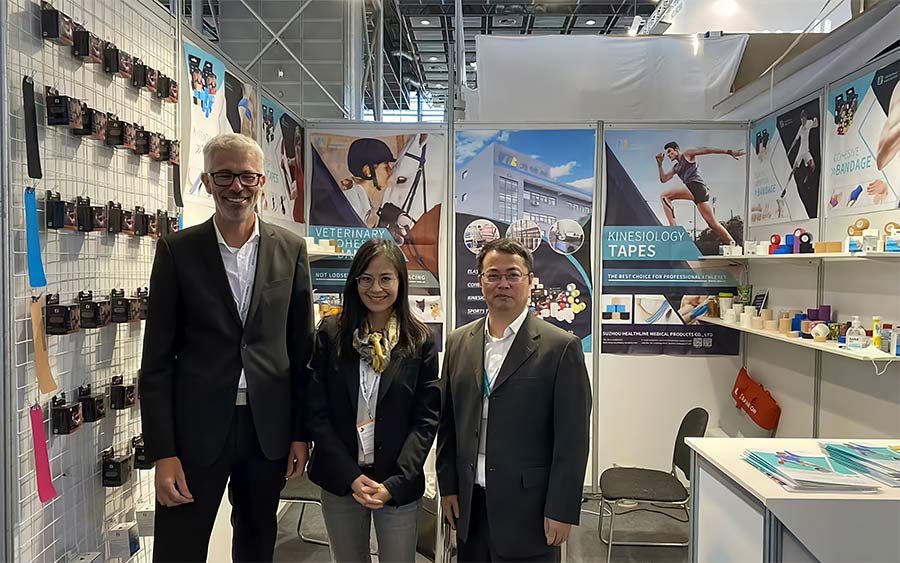
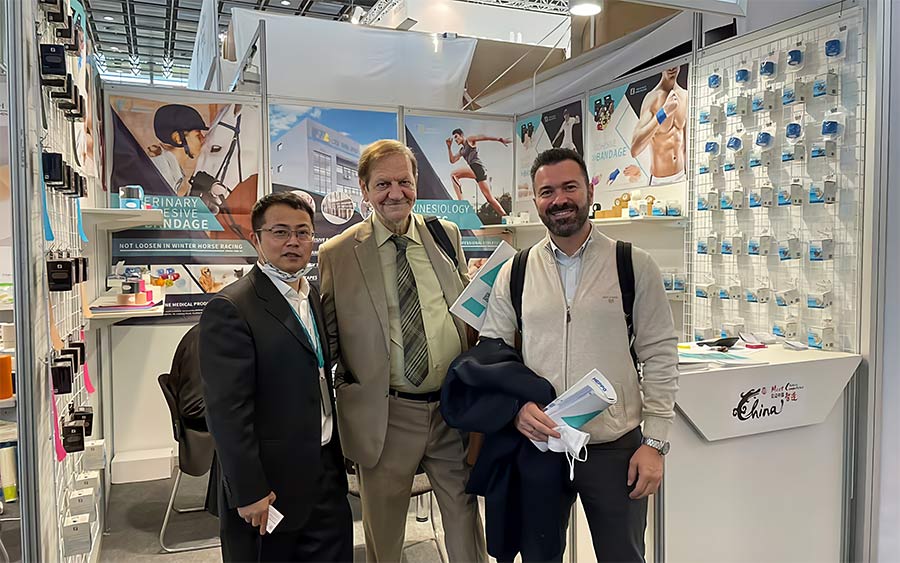
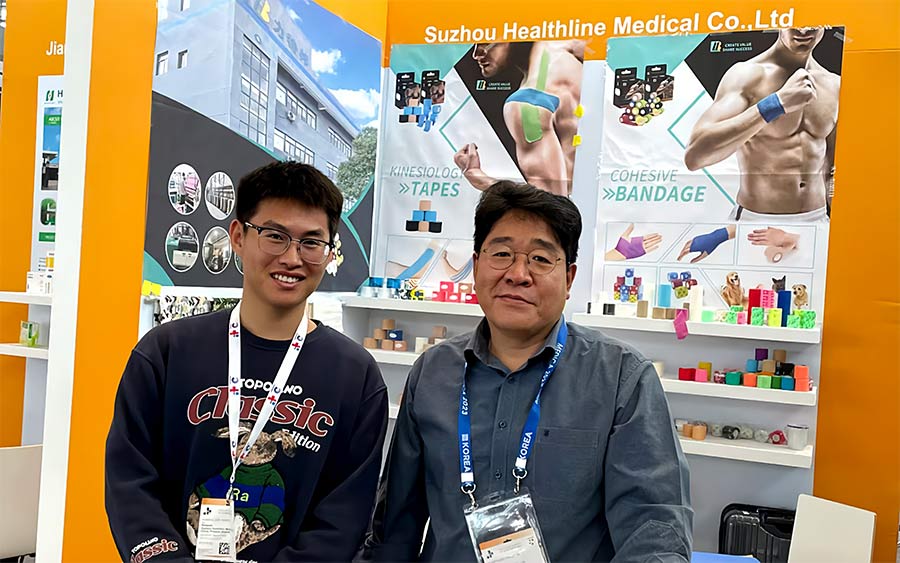
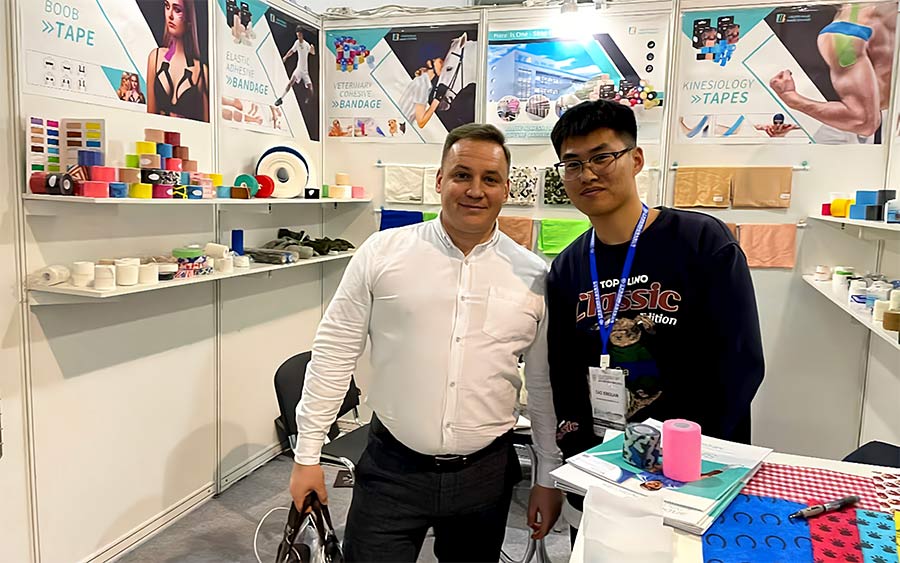
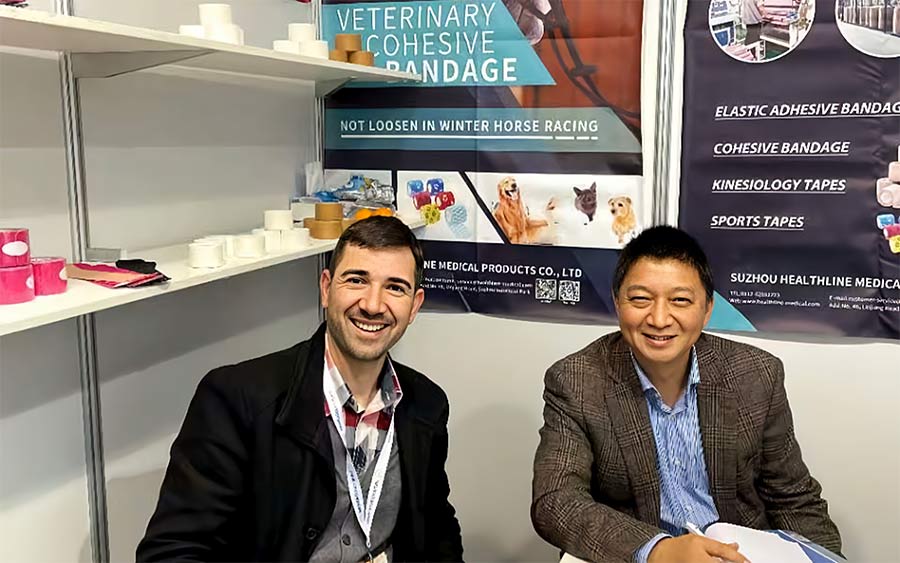
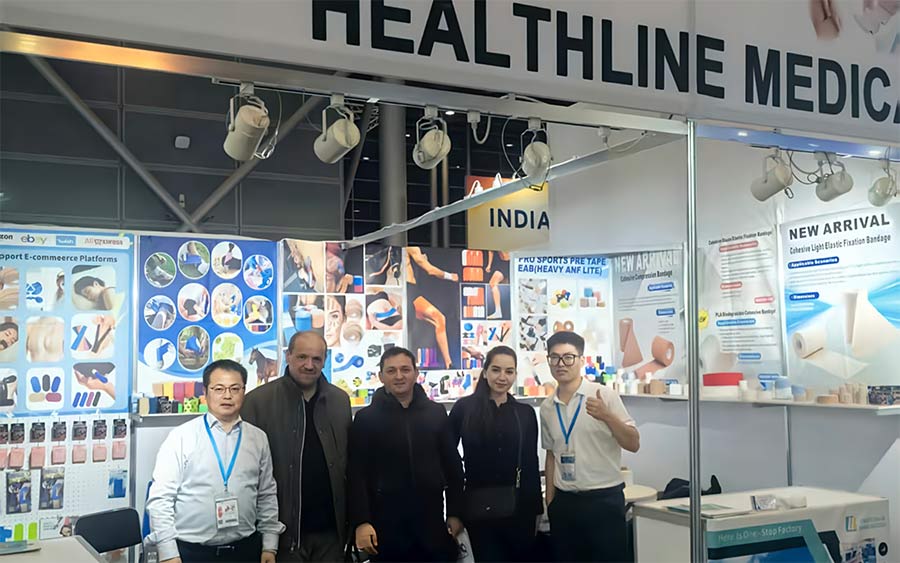
Driven by uncompromising quality, competitive value, and customer-centric service, Healthline’s products are now present in over 50 countries and regions across the globe. As a dedicated OEM/ODM manufacturer of medical cohesive bandages and sports tape, we serve a diverse client portfolio—including hospitals and clinics,veterinary,authorized distributors, government procurement agencies, national pharmacy chains, and retail supermarkets,on-line Amazon,Lotte & Tiktok e-commerce industry .
We are proud to be the long-term OEM/ODM partner for globally recognized names such as Target, CVS, Aldi, Lidl, Carrefour,Tesco, Alliance Boots,Deathlon,Covetrus and Kruuse. Our annual sales volume has maintained a steady year-over-year growth of 15% for consecutive years—a testament to the trust our partners place in us.
In today’s competitive global market, we believe sustainable success comes from continuously delivering superior products and responsive service at a fair price. This philosophy has guided Healthline for three decades, and we are committed to repaying your trust with solutions that help your business grow.























- Ethan Zhang
- Tel:+86-512-6289 3223
- Mob:+86-19822909189
- Email:ethanzhang@healthline-medical.com
- Whatsapp / Wechat:+86-19822909189
- Skype:+86-19822909189
- Asher.cao
- Tel:+86-512-6289-3223
- Mob:+86-17625487782
-
Email:ethanzhang@healthline-medical.com
+86-18305276521 Di.tian@healthline-medical.com
- Whatsapp / Wechat:+86-17625487782
- Skype:+86-17625487782
- Jason Zhang
- Tel:+86-512-6289 3223
- Mob:+86-13152123359
- Email:jason@healthline-medical.com
- Whatsapp / Wechat:+86-13152123359
Copyright © 2025 SUZHOU HEALTHLINE MEDICAL PRODUCTS CO., LTD
All Rights Reserved.
 Sports Tape Manufacturers Cohesive Bandages Suppliers
The information provided on this website is intended for use only in countries and jurisdictions outside of the People's Republic of China.


