
 English
 Español
 русский
 عربى
عربى

- Cotton Kinesiology Tape
- Synthetic Kinesiology Tape
- Nylon Kinesiology Tape
- 4-Way Stretch Elastic Kinesiology Tape
- Standard Kinesiology Tape Roll
- Pre-Cut Kinesiology Tape Strips
- Printed / Pattern Kinesiology Tape
- Perforated Kinesiology Tape (Ventilated)
- Special Shape Kinesiology Tape
- Water-Resistant Kinesiology Tape
- Pregnancy Support Tape
- Face Lift Kinesiology Tape
- Gentle / Beauty Kinesiology Tape
- Veterinary Kinesiology Tape
- Breast Lift Tape
- Customized Kinesiology Tape
- Pre-cut I Strip Kinesiology Tape
- Pre-cut Y Strip Kinesiology Tape
- Pre-cut X Strip Kinesiology Tape
- Knee Kinesiology Tape
- Leg Kinesiology Tape
- Shoulder Kinesiology Tape
- Back Kinesiology Tape
- Waist Kinesiology Tape
- Ankle Kinesiology Tape
- Pregnancy Belly Tape
- Beauty Face Tape
- Solid Color Cohesive Bandage Roll
- Printed & Pattern Cohesive Bandage
- Non-Woven Self-Adhesive Bandage
- Cotton Self-Adhesive Bandage
- PBT Gauze Cohesive Bandage Rolls
- Pet Vet Wrap
- Horse and Cattle Self-Adhesive Bandage
- Veterinary Cohesive Bandage
- Camo Cohesive Wrap Tape
- Military and Tactical Cohesive Bandage
- Tattoo Grip Tape
- Latex Cohesive Bandage
- Latex-Free Cohesive Bandage
- Pet Laminated Self-Adhesive Bandage
- High-Tensile Cohesive Bandage
- Football Sock Wrap Self-Adhesive Bandage
- Sterile Cohesive Bandage
- Special Function Cohesive Bandage
- OEM / Bulk Cohesive Bandage Roll
- Rigid Strapping Tape
- Athletic Tape
- Zinc Oxide Sports Tape
- Rayon Rigid Sports Tape
- Sports Strapping Tape
- Finger Bob Bandages
- Boxing Tape
- Heavyweight Elastic Adhesive Bandage (EAB)
- 93 Cotton Heavyweight Elastic Adhesive Bandages(EAB)
- Athletic Heavyweight Elastic Adhesive Bandage (EAB)
- Lightweight Elastic Adhesive Bandage (EAB)
- Athletic Lightweight Elastic Adhesive Bandage (EAB)
- American Style Elastic Adhesive Bandage (EAB)
- Japanese Style Elastic Adhesive Bandage (EAB)
- Elastic Adhesive Compression Bandage
- Veterinary Elastic Adhesive Bandage (EAB)
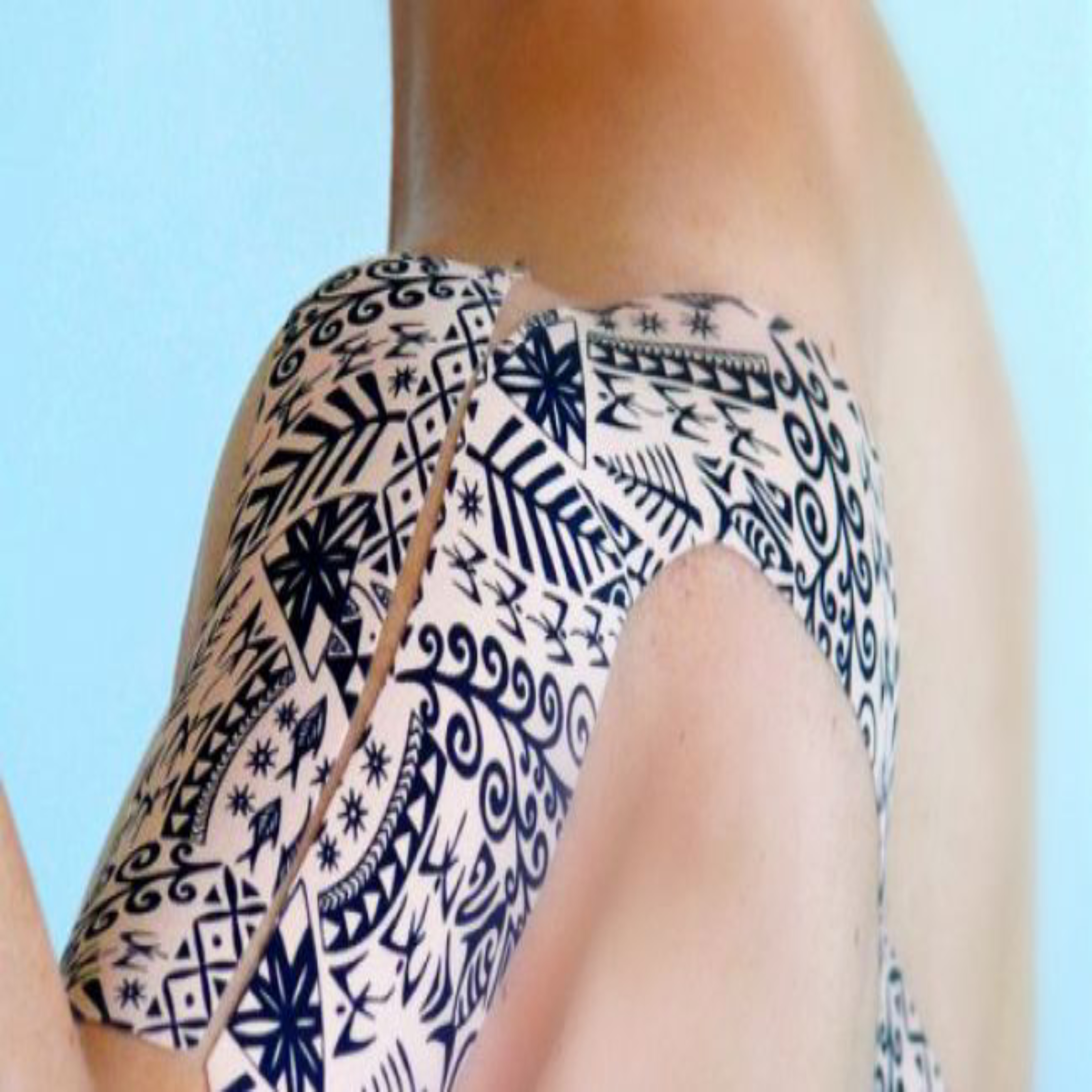
How to Remove Klnesio Tape Safely and Painlessly - Complete Guide
Content
The safest way to remove Klnesio tape is to apply oil or adhesive remover to loosen the adhesive, then slowly peel the tape back at a low angle while supporting your skin. This method minimizes pain and reduces the risk of skin irritation or damage. Never rip the tape off quickly, as this can cause skin tears, especially if you have sensitive skin or the tape has been on for several days.
Essential Supplies for Safe Tape Removal
Having the right materials on hand makes Klnesio tape removal significantly easier and less uncomfortable. The following items will help break down the adhesive and protect your skin during the process.
- Baby oil or coconut oil - Natural and gentle options that effectively dissolve adhesive
- Adhesive remover spray or wipes - Commercial products designed specifically for medical tape removal
- Warm water and mild soap - Helpful for initial loosening and final cleanup
- Clean towel or washcloth - For applying warm compresses and drying skin
- Moisturizing lotion - To soothe skin after tape removal
Step-by-Step Removal Process
Following a systematic approach ensures you remove Klnesio tape with minimal discomfort while protecting your skin from irritation or damage.
Prepare the Tape
Start by applying your chosen oil or adhesive remover generously along all edges of the tape. Allow it to soak in for 3-5 minutes. This waiting period is crucial as it gives the solution time to penetrate and break down the adhesive bond. For tape that has been on for more than 3 days, you may need to wait up to 10 minutes.
Begin Peeling
Locate one end of the tape and gently lift the corner. Pull the tape back over itself at a 180-degree angle, staying as close to the skin as possible. This low angle reduces tension on the skin. As you peel, use your other hand to press down on the skin just ahead of where you're removing the tape to provide counter-pressure.
Peel Slowly in the Direction of Hair Growth
Move slowly and deliberately, taking at least 30-60 seconds to remove each strip of tape. Rushing increases the risk of skin irritation. Continue applying oil or remover as you go if you encounter resistance. Peeling in the direction of hair growth significantly reduces discomfort and prevents hair pulling.
Clean and Moisturize
Once all tape is removed, wash the area with warm water and mild soap to remove adhesive residue and oil. Pat dry gently with a clean towel, then apply a fragrance-free moisturizer to soothe the skin.
Best Methods for Different Situations
Different circumstances require adjusted approaches to ensure safe and comfortable Klnesio tape removal.
| Situation | Best Method | Key Tip |
|---|---|---|
| Sensitive Skin | Baby oil + warm compress | Soak for 10 minutes before peeling |
| Hairy Areas | Coconut oil method | Always peel with hair growth direction |
| In the Shower | Warm water + soap | Let water run over tape for 5 minutes |
| Tape Worn 5+ Days | Commercial adhesive remover | May require two applications |
| Quick Removal Needed | Adhesive remover wipes | Still take at least 60 seconds per strip |
Common Mistakes to Avoid
Understanding what not to do is just as important as knowing the correct removal technique. These common errors can lead to unnecessary pain and skin damage.
Ripping the Tape Off Quickly
Fast removal is the primary cause of skin tears and irritation. Studies show that rapid tape removal can damage the skin's outer layer, leading to redness, inflammation, and in severe cases, blistering. Always take your time, even if you're in a hurry.
Pulling at a High Angle
Peeling tape straight up or at a 90-degree angle creates maximum tension on the skin. This increases pain and the likelihood of skin damage. The correct approach is to pull the tape back on itself at a low angle, parallel to the skin surface.
Skipping the Oil or Remover
Attempting dry removal makes the process significantly more uncomfortable and risky. The adhesive on Klnesio tape is designed to be strong and water-resistant, so it requires a breakdown agent for safe removal.
Using Harsh Chemicals
Avoid using rubbing alcohol, acetone, or other harsh solvents. While these may dissolve adhesive, they can severely dry out and irritate skin. Stick to gentle oils or products specifically designed for medical adhesive removal.
Managing Adhesive Residue
Even with proper removal technique, some sticky residue often remains on the skin. This is normal and easily addressed with the right approach.
Apply more oil to the residue and gently rub in circular motions. The oil will break down the remaining adhesive, causing it to ball up and roll off the skin. This typically takes 1-2 minutes of gentle rubbing. Alternatively, you can use a soft washcloth dampened with warm, soapy water to gently scrub the area.
If residue persists after washing, apply a small amount of baby oil and leave it on for several hours or overnight. The extended contact time allows the oil to fully penetrate and dissolve stubborn adhesive. In the morning, wash the area normally and the residue should come off easily.
When to Remove Klnesio Tape
Timing your tape removal correctly can make the process easier and safer for your skin.
Most Klnesio tape is designed to stay on for 3-5 days. While it may remain adhesive for up to a week, removal becomes progressively more difficult after the 5-day mark as the adhesive bonds more firmly to skin. The ideal removal window is between days 3 and 5, when the tape has served its therapeutic purpose but hasn't become overly adherent.
However, you should remove Klnesio tape immediately if you experience:
- Itching, burning, or stinging sensations under the tape
- Redness or rash developing around the edges
- Blistering or skin discoloration
- Excessive moisture buildup under the tape
- The tape edges begin to lift significantly
Post-Removal Skin Care
Proper aftercare helps your skin recover quickly and prepares it for future tape application if needed.
After removing all tape and residue, allow your skin to breathe for at least 24 hours before reapplying tape to the same area. This recovery period prevents cumulative irritation and allows the skin barrier to restore itself.
Apply a gentle, fragrance-free moisturizer twice daily for 2-3 days after removal. This helps replenish the skin's natural oils that may have been stripped during the taping and removal process. If you notice any redness or irritation, use a moisturizer containing aloe vera or colloidal oatmeal, which have soothing properties.
Avoid exfoliating or scrubbing the area for at least 48 hours, as the skin may be more sensitive than usual. If redness, itching, or irritation persists for more than 3 days after removal, consult a healthcare provider to rule out an allergic reaction or contact dermatitis.
Special Considerations for Sensitive Skin
People with sensitive skin, eczema, or a history of allergic reactions need to take extra precautions when removing Klnesio tape.
The warm shower method works best for sensitive skin. Before your shower, apply a generous layer of coconut oil or baby oil over the entire taped area. Let it sit for 10-15 minutes, then step into a warm (not hot) shower. Allow the water to run over the tape for at least 5 minutes before attempting removal. The combination of oil and warm water creates the gentlest removal conditions.
Consider using hypoallergenic tape varieties if you frequently experience skin reactions. These products use gentler adhesives specifically formulated for sensitive skin, making removal easier while still providing therapeutic benefits.
For individuals with extremely sensitive skin, applying a thin layer of barrier cream or oil to the skin before initial tape application can make eventual removal significantly easier, though this may slightly reduce the tape's adhesive strength.
Share:
RECOMMENDED PRODUCTS










- Asher.cao
- Tel:+86-512-6289 3223
- Mob:+86-176 2548 7782
- Email:Asher.cao@healthline-medical.com
- Whatsapp / Wechat:+86-176 2548 7782
- Skype:+86-176 2548 7782
- Ethan Zhang
- Tel:+86-512-6289 3223
- Mob:+86-19822909189
- Email:ethanzhang@healthline-medical.com
- Whatsapp / Wechat:+86-19822909189
- Skype:+86-19822909189
- Jason Zhang
- Tel:+86-512-6289 3223
- Mob:+86-13152123359
- Email:jason@healthline-medical.com
- Whatsapp / Wechat:+86-13152123359
Copyright © 2025 SUZHOU HEALTHLINE MEDICAL PRODUCTS CO., LTD
All Rights Reserved.
 Sports Tape Manufacturers Cohesive Bandages Suppliers
The information provided on this website is intended for use only in countries and jurisdictions outside of the People's Republic of China.


