
 English
 Español
 русский
 عربى
عربى

- Cotton Kinesiology Tape
- Synthetic Kinesiology Tape
- Nylon Kinesiology Tape
- 4-Way Stretch Elastic Kinesiology Tape
- Standard Kinesiology Tape Roll
- Pre-Cut Kinesiology Tape Strips
- Printed / Pattern Kinesiology Tape
- Perforated Kinesiology Tape (Ventilated)
- Special Shape Kinesiology Tape
- Water-Resistant Kinesiology Tape
- Pregnancy Support Tape
- Face Lift Kinesiology Tape
- Gentle / Beauty Kinesiology Tape
- Veterinary Kinesiology Tape
- Breast Lift Tape
- Customized Kinesiology Tape
- Pre-cut I Strip Kinesiology Tape
- Pre-cut Y Strip Kinesiology Tape
- Pre-cut X Strip Kinesiology Tape
- Knee Kinesiology Tape
- Leg Kinesiology Tape
- Shoulder Kinesiology Tape
- Back Kinesiology Tape
- Waist Kinesiology Tape
- Ankle Kinesiology Tape
- Pregnancy Belly Tape
- Beauty Face Tape
- Solid Color Cohesive Bandage Roll
- Printed & Pattern Cohesive Bandage
- Non-Woven Self-Adhesive Bandage
- Cotton Self-Adhesive Bandage
- PBT Gauze Cohesive Bandage Rolls
- Pet Vet Wrap
- Horse and Cattle Self-Adhesive Bandage
- Veterinary Cohesive Bandage
- Camo Cohesive Wrap Tape
- Military and Tactical Cohesive Bandage
- Tattoo Grip Tape
- Latex Cohesive Bandage
- Latex-Free Cohesive Bandage
- Pet Laminated Self-Adhesive Bandage
- High-Tensile Cohesive Bandage
- Football Sock Wrap Self-Adhesive Bandage
- Sterile Cohesive Bandage
- Special Function Cohesive Bandage
- OEM / Bulk Cohesive Bandage Roll
- Rigid Strapping Tape
- Athletic Tape
- Zinc Oxide Sports Tape
- Rayon Rigid Sports Tape
- Sports Strapping Tape
- Finger Bob Bandages
- Boxing Tape
- Heavyweight Elastic Adhesive Bandage (EAB)
- 93 Cotton Heavyweight Elastic Adhesive Bandages(EAB)
- Athletic Heavyweight Elastic Adhesive Bandage (EAB)
- Lightweight Elastic Adhesive Bandage (EAB)
- Athletic Lightweight Elastic Adhesive Bandage (EAB)
- American Style Elastic Adhesive Bandage (EAB)
- Japanese Style Elastic Adhesive Bandage (EAB)
- Elastic Adhesive Compression Bandage
- Veterinary Elastic Adhesive Bandage (EAB)
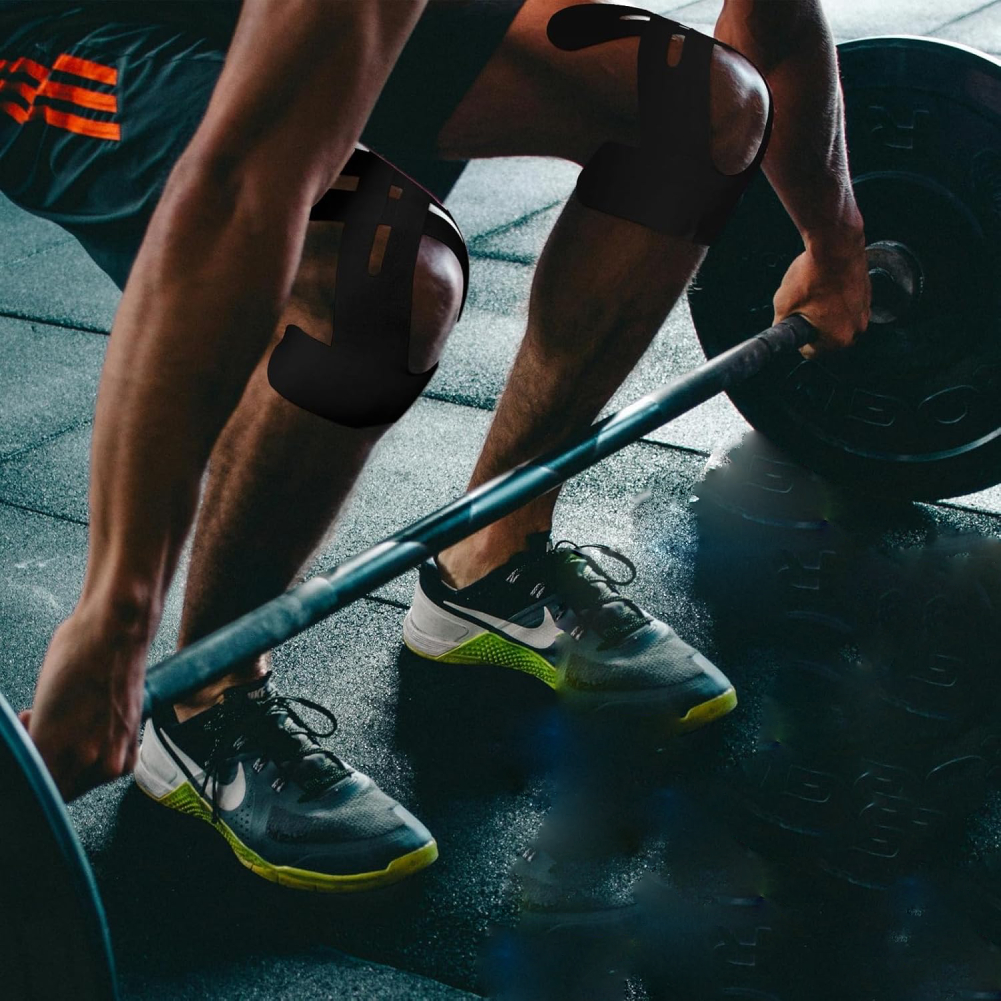
Pre-Cut Kinesiology Tape: Clever Convenience or Just a Gimmick?
Content
I remember the first time I saw a pre-cut kinesiology tape strip. It was at a trade show in Europe, and a brand owner handed me a small, neatly printed sachet. Inside was a single I-strip, precisely cut and ready to apply. No scissors, no measuring, no guessing. I thought to myself: this is either the smartest thing to happen to kinesiology tape since Dr. Kenzo Kase, or it's a solution to a problem that doesn't really exist.
Turns out, I was wrong to be skeptical. Pre-cut kinesiology tape has quietly become one of the fastest-growing segments in the sports tape market. And if you look at how people actually use kinesiology tape, the reason becomes obvious pretty quickly.
The Problem with Traditional Rolls
Kinesiology tape, as most people know it, comes in a standard roll. You buy it, you unroll it, you measure it against your body, you cut it with scissors, and then—if you know what you're doing—you apply it. If you don't know what you're doing, you probably end up with wrinkled, poorly placed tape that falls off halfway through your workout.
The truth is, most people don't know how to cut tape properly. They use too much, or too little, or they cut it into shapes that don't match the contours of their body. They waste material. They get frustrated. And eventually, the roll sits in the back of a drawer.
This is not a failure of the product. It's a failure of the format.
What Exactly Is Pre-Cut Kinesiology Tape?
Pre-cut kinesiology tape is exactly what it sounds like: kinesiology tape that has already been cut into specific shapes and sizes, individually packaged, and ready to apply straight out of the sachet. No scissors required.
The most common shapes include I-strips for linear muscle support, Y-strips for wrapping around joints, and fan strips for lymphatic drainage. But the real innovation has been in application-specific kits. These are pre-designed combinations of strips that target a particular body part or condition.
For example, a knee support kit might include an I-strip for the quadriceps, a Y-strip to frame the patella, and a shorter I-strip for the patellar tendon. All pre-cut. All packed together. All the user has to do is follow the instructions on the back of the packet.
Why Brands Are Paying Attention
If you run a sports tape brand, pre-cut strips solve several problems at once.
- Lower barrier to entry: Someone who has never used kinesiology tape before is far more likely to buy a pre-cut knee kit than a full roll and a pair of scissors. The kit tells them exactly what to do and makes them feel competent.
- Repeat purchases: A single roll of tape can last a casual user for months, but pre-cut strips are consumed in a single application or a few days of use, so users come back and buy the same kit again.
- Branding opportunity: Every sachet is a canvas—a miniature billboard that sits in someone's gym bag or medicine cabinet, reinforcing the brand with every use.
Does It Actually Work the Same Way?
Let's be clear: pre-cut kinesiology tape is the same product as roll tape, just in a different format. The same cotton-spandex fabric, the same medical-grade acrylic adhesive, the same 180-200% stretch. It works on the same principles Dr. Kase described—lifting the skin, decompressing underlying tissue, facilitating circulation and lymphatic drainage.
The difference is not in the mechanism. The difference is in the user experience.
And user experience matters more than most manufacturers want to admit. A product that is used correctly is far more effective than a product that is used incorrectly. By removing the cutting step, pre-cut strips eliminate one of the most common sources of user error. The shapes are designed by people who understand anatomy, not by a consumer squinting at a YouTube tutorial while holding scissors in their other hand.
What About Cost?
The most common objection to pre-cut tape is price. On a per-square-meter basis, pre-cut strips are more expensive than rolls. That's undeniable. The cutting process adds manufacturing steps, the individual packaging adds material cost, and the retail markup reflects the convenience premium.
But here's the thing: consumers are already paying that premium. A knee support kit that retails for $11.99 contains roughly the same amount of effective taping area as a portion of a $7.99 roll. Yet the kit format consistently outsells rolls in certain categories, particularly among first-time users and gift buyers. The market has spoken. Convenience has value, and people are willing to pay for it.
So, Gimmick or Genuine Innovation?
I don't think pre-cut kinesiology tape is a gimmick. It doesn't replace traditional rolls, and it was never meant to. Professional athletic trainers and experienced users will always prefer the flexibility and economy of a roll. But for the vast majority of people who use kinesiology tape casually—for a sore knee after a weekend run, for a stiff shoulder after a long day at a desk—the pre-cut format makes the product accessible in a way that a roll never could.
It's not a different product. It's a different way of delivering the same product to a different audience. And that, in business terms, is what you call a market expansion.
If you're building a sports tape brand and you're only selling rolls, you might be leaving a significant portion of the market untouched. Pre-cut strips don't cannibalize your existing sales. They bring in new customers who would never have bought a roll in the first place.
And in a market as crowded as kinesiology tape, finding a new customer is worth more than fighting over an existing one.
If you're interested in exploring pre-cut kinesiology tape for your own brand—whether knee kits, bunion corrector strips, or custom shapes—we'd be happy to share our experience. At Healthline Medical, we've been helping brands develop their own pre-cut product lines for years. Reach out anytime.
Share:
RECOMMENDED PRODUCTS


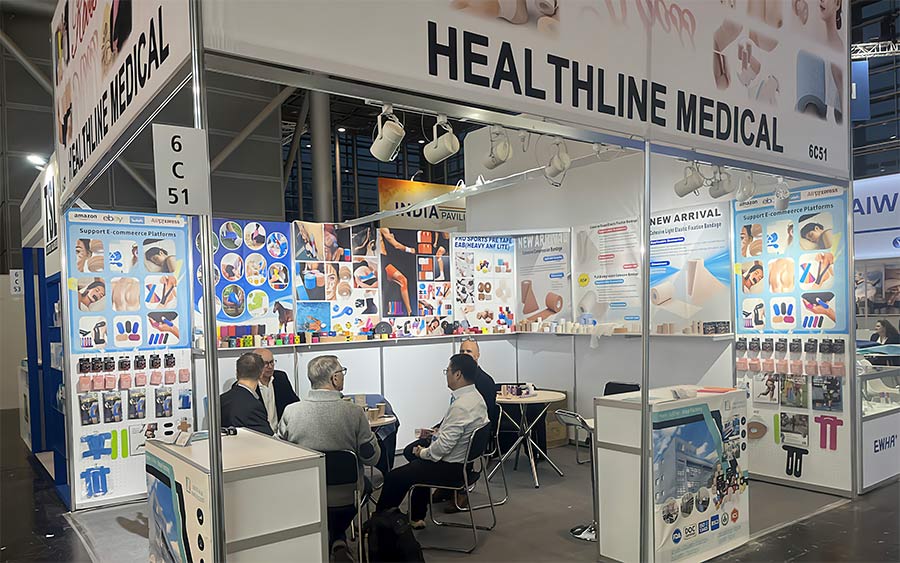
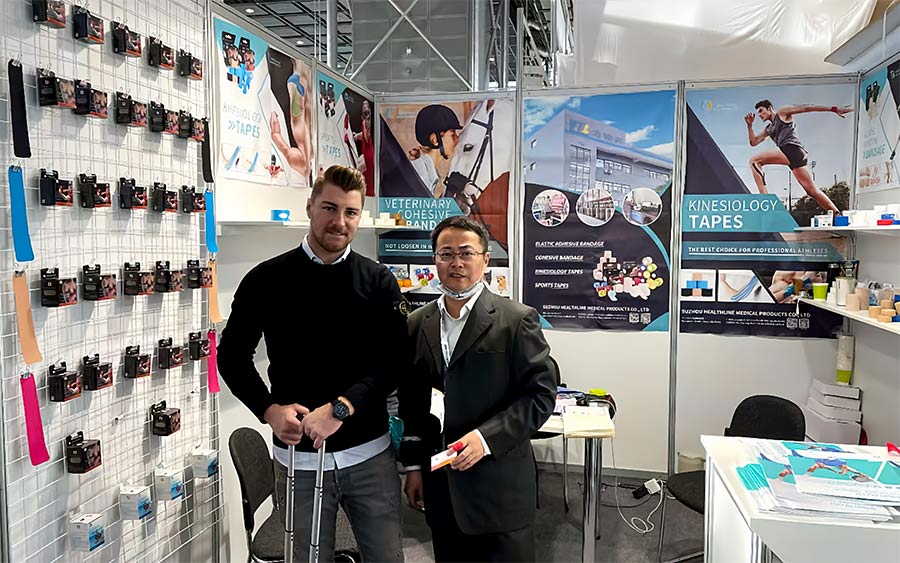
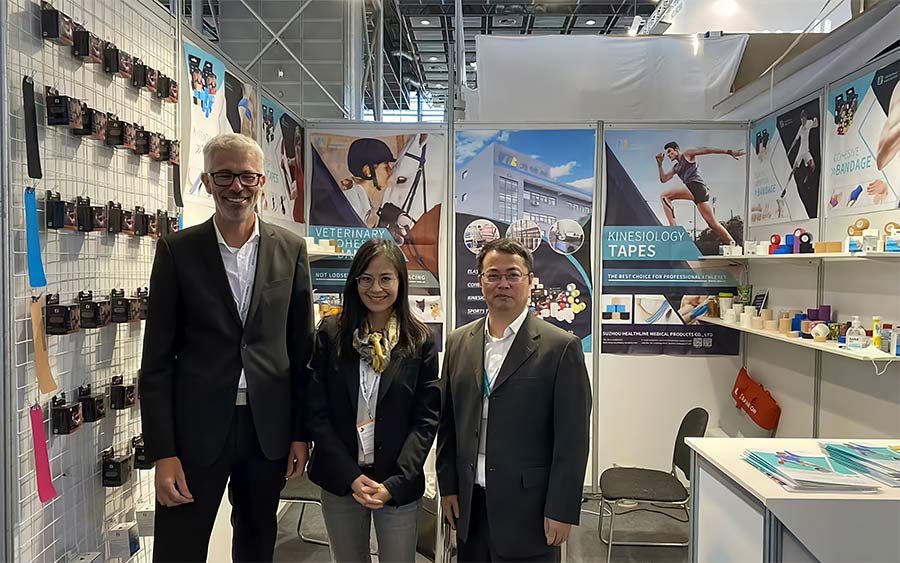
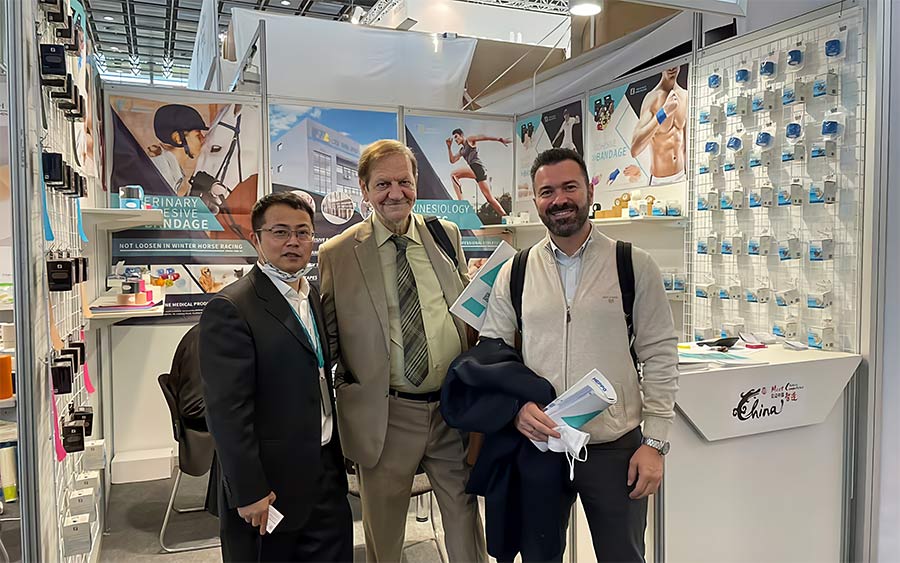
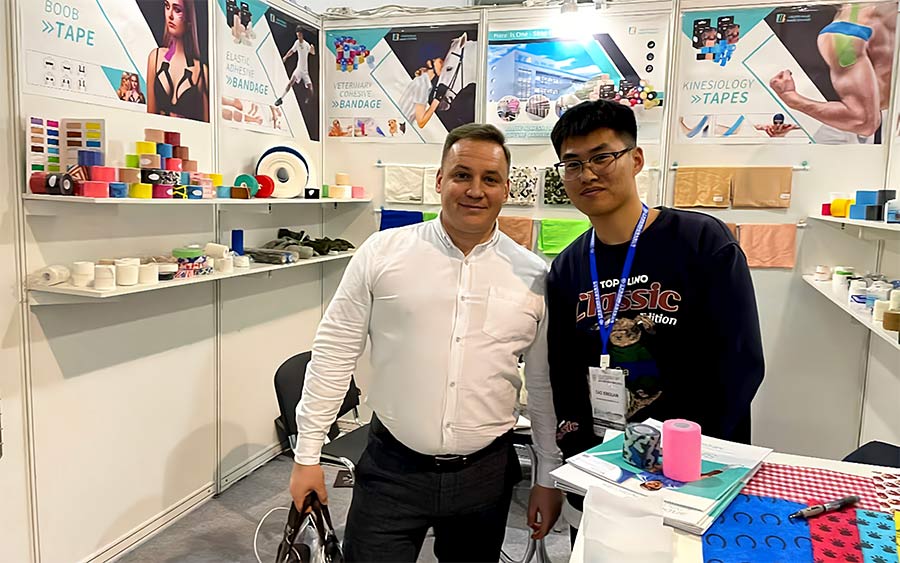
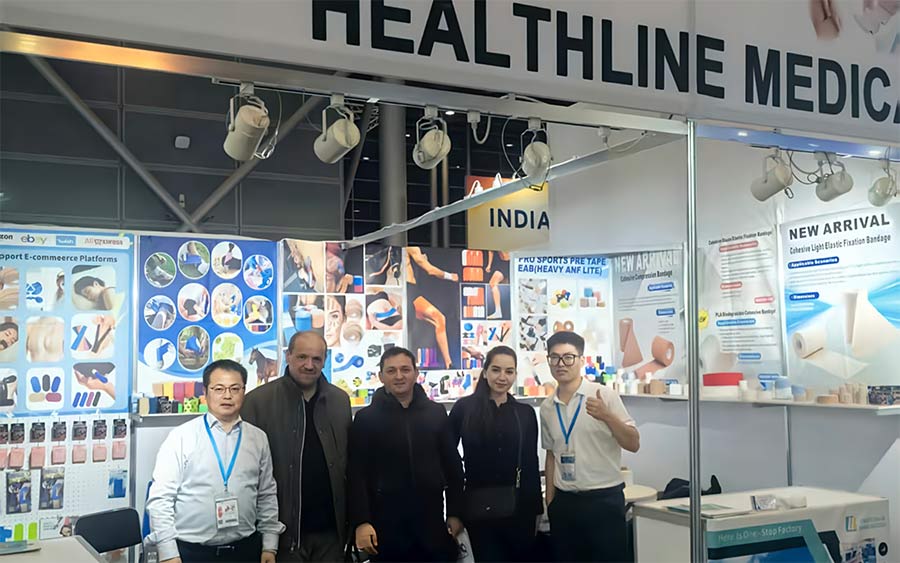
Driven by uncompromising quality, competitive value, and customer-centric service, Healthline’s products are now present in over 50 countries and regions across the globe. As a dedicated OEM/ODM manufacturer of medical cohesive bandages and sports tape, we serve a diverse client portfolio—including hospitals and clinics,veterinary,authorized distributors, government procurement agencies, national pharmacy chains, and retail supermarkets,on-line Amazon,Lotte & Tiktok e-commerce industry .
We are proud to be the long-term OEM/ODM partner for globally recognized names such as Target, CVS, Aldi, Lidl, Carrefour,Tesco, Alliance Boots,Deathlon,Covetrus and Kruuse. Our annual sales volume has maintained a steady year-over-year growth of 15% for consecutive years—a testament to the trust our partners place in us.
In today’s competitive global market, we believe sustainable success comes from continuously delivering superior products and responsive service at a fair price. This philosophy has guided Healthline for three decades, and we are committed to repaying your trust with solutions that help your business grow.
























- Ethan Zhang
- Tel:+86-512-6289 3223
- Mob:+86-19822909189
- Email:ethanzhang@healthline-medical.com
- Whatsapp / Wechat:+86-19822909189
- Skype:+86-19822909189
- Asher.cao
- Tel:+86-512-6289-3223
- Mob:+86-17625487782
-
Email:ethanzhang@healthline-medical.com
+86-18305276521 Di.tian@healthline-medical.com
- Whatsapp / Wechat:+86-17625487782
- Skype:+86-17625487782
- Jason Zhang
- Tel:+86-512-6289 3223
- Mob:+86-13152123359
- Email:jason@healthline-medical.com
- Whatsapp / Wechat:+86-13152123359
Copyright © 2025 SUZHOU HEALTHLINE MEDICAL PRODUCTS CO., LTD
All Rights Reserved.
 Sports Tape Manufacturers Cohesive Bandages Suppliers
The information provided on this website is intended for use only in countries and jurisdictions outside of the People's Republic of China.


