
 English
 Español
 русский
 عربى
عربى

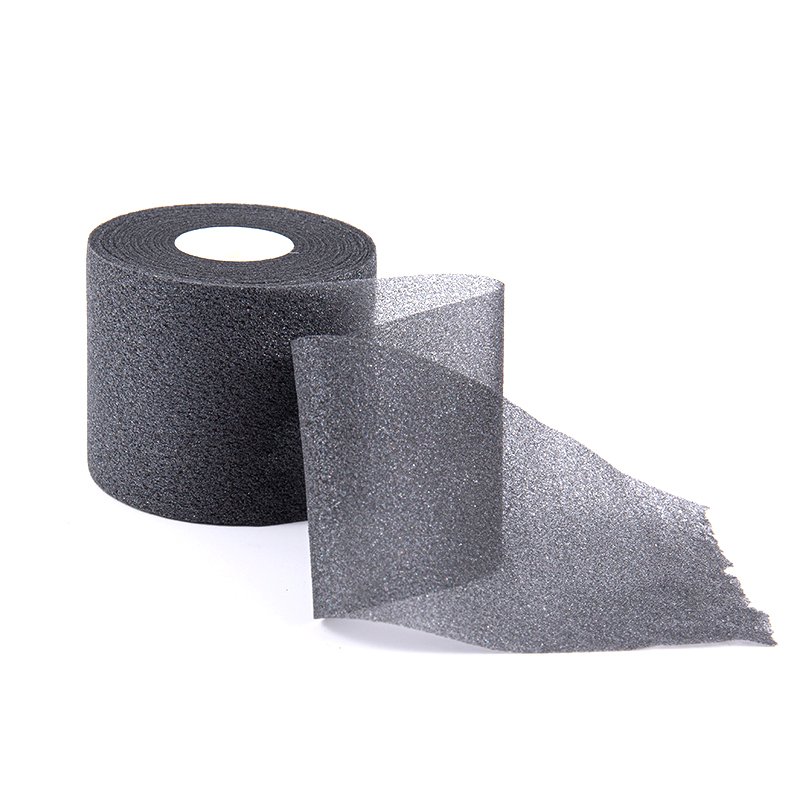
Pre-Wrap Isn’t Support: What Foam Underwrap Does (and Doesn’t) Do Under Athletic Tape
Content
Foam underwrap—often called pre-wrap—has become a standard item in sports bags from high school programs to professional clubs. Across the U.S., Canada, the U.K., Europe, and Australia, it’s used every day under athletic tape for one simple reason: it makes taping more comfortable and more skin-friendly. What it does not do is provide true mechanical support. This article clarifies the role of foam underwrap in modern taping systems, why it matters for athlete compliance, and how teams, clinics, and distributors evaluate performance in real-world conditions.
Skin Protection First: What Foam Underwrap Is Built to Do
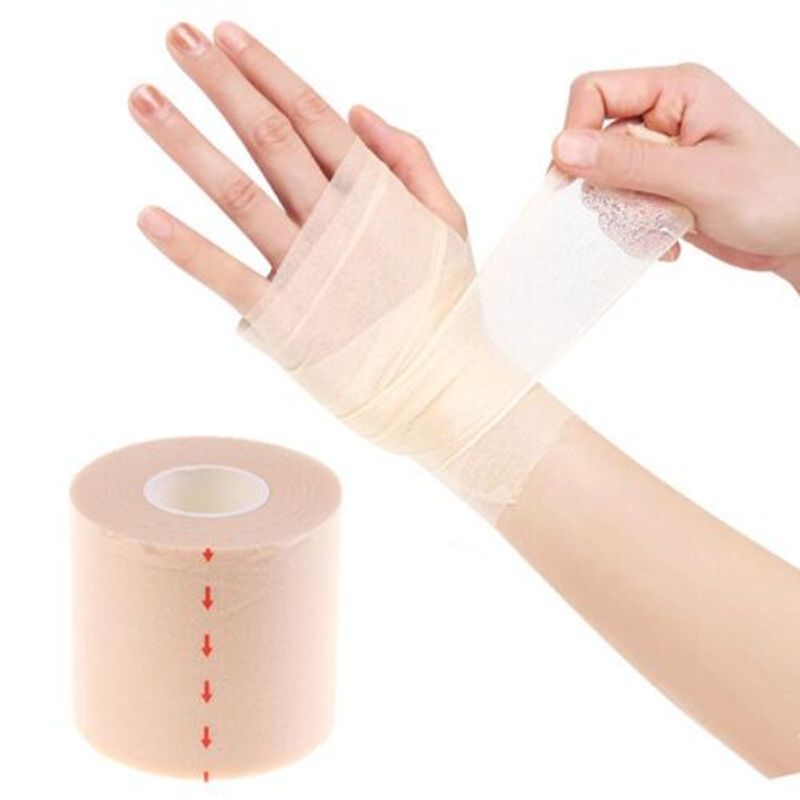
Foam underwrap is designed as a lightweight barrier layer between skin and adhesive. When applied correctly, it helps reduce direct contact with athletic tape, which is especially important for athletes who tape frequently or have sensitive skin.
In day-to-day use, foam underwrap is valued for three practical outcomes. First, it improves comfort by softening the interface under rigid or aggressive tape edges. Second, it can reduce irritation linked to repeated removal—particularly on areas with body hair or high movement. Third, it supports cleaner, faster tape changes in training rooms where time and consistency matter.
Because foam underwrap is non-adhesive, it also plays well in layered setups: pads over pressure points, foam underwrap for comfort, then athletic tape for structure. In warm climates and high-sweat sessions, foam underwrap can still be effective, but results depend on technique and the outer tape system. Smooth application, controlled tension, and proper overlap are what keep the overall taping job stable.
Not a Brace, Not a Fix: What Foam Underwrap Does NOT Do
Foam underwrap is often assumed to be a “support layer.” It isn’t. The stabilizing effect in athletic taping comes from the tape pattern and the tape itself—rigid strapping tape, cohesive wraps, and structured configurations that limit motion. Foam underwrap does not meaningfully restrict joint movement, and it should never be treated as a substitute for a proven support protocol.
It’s also important to understand the tradeoff: too much foam underwrap can increase the chance of slippage if the outer athletic tape is not applied with the right anchors, tension, and finishing technique. In other words, foam underwrap improves comfort, but support comes from the tape build.
Finally, foam underwrap is not a cure-all for every skin issue. “Tape rash” may be driven by heat, sweat, friction, prolonged occlusion, or over-tensioning as much as adhesive contact. Foam underwrap can help, but smart taping habits—skin prep, appropriate wear time, and safe removal—still matter.
What Buyers Care About: Performance, Skin, and Supply (a, b, c)
Foam underwrap purchasing decisions tend to center on three clear priorities:
a) Skin comfort and tolerance. Teams and clinics often look for foam underwrap that feels smooth against skin, performs well for athletes who tape daily, and reduces complaints during removal. Latex-free options are commonly preferred in mixed-athlete environments.
b) On-field reliability. Coaches and athletic trainers pay close attention to how foam underwrap behaves under pressure: unwind consistency, thickness uniformity, edge rolling, and how it performs during sweat-heavy sessions. A foam underwrap that bunches, wrinkles, or tears unpredictably can compromise the taping workflow.
c) Practical logistics. Distributors and program buyers value foam underwrap that ships well, stores well, and stays consistent across batches. Multiple colorways are often used for team organization, event visibility, or simple role-based identification in training rooms.
Why Foam Underwrap Remains Essential in Modern Taping Systems
Used correctly, foam underwrap makes athletic tape more wearable. That matters more than it sounds: athletes who tolerate taping are more likely to keep it on, keep it correctly positioned, and follow return-to-play routines without shortcuts.
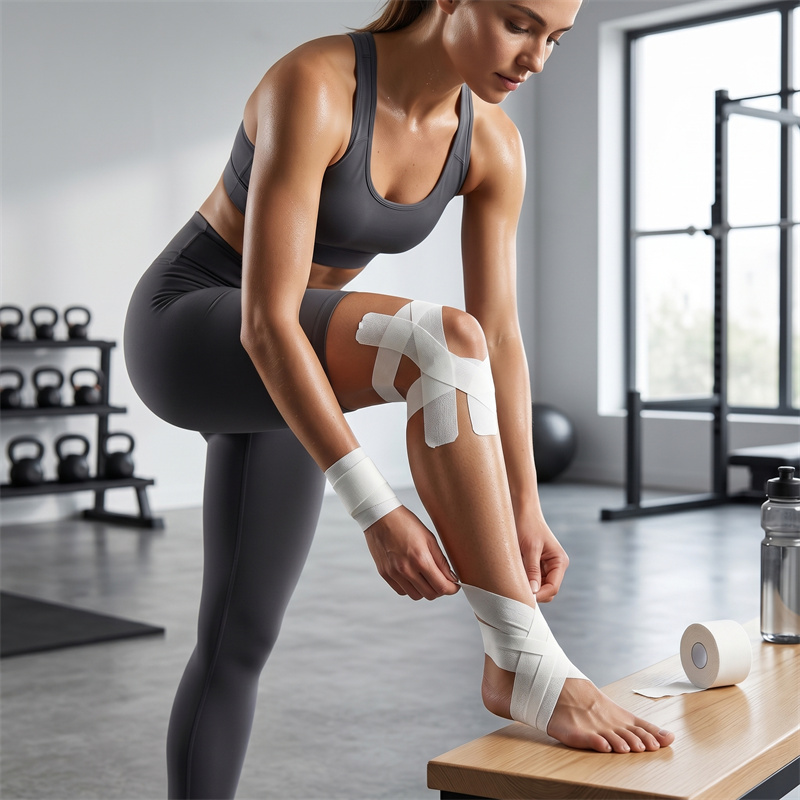
Foam underwrap is widely used across common applications, including ankle and wrist taping, under rigid tape edges to reduce rubbing, shin guard setups in soccer, and high-frequency taping environments where repeated application is part of training culture. In all of these cases, foam underwrap helps deliver a more consistent experience—without claiming to be the thing that provides support.
Foam underwrap is pre-wrap, and pre-wrap does not support. It’s the comfort layer that helps the support system work better. For teams, clinics, and distributors focused on athlete experience and consistent taping outcomes, that distinction is exactly why foam underwrap remains a staple under athletic tape.
Share:
RECOMMENDED PRODUCTS













- Asher.cao
- Tel:+86-512-6289 3223
- Mob:+86-176 2548 7782
- Email:Asher.cao@healthline-medical.com
- Whatsapp / Wechat:+86-176 2548 7782
- Skype:+86-176 2548 7782
- Ethan Zhang
- Tel:+86-512-6289 3223
- Mob:+86-19822909189
- Email:ethanzhang@healthline-medical.com
- Whatsapp / Wechat:+86-19822909189
- Skype:+86-19822909189
- Jason Zhang
- Tel:+86-512-6289 3223
- Mob:+86-13152123359
- Email:jason@healthline-medical.com
- Whatsapp / Wechat:+86-13152123359
Copyright © 2025 SUZHOU HEALTHLINE MEDICAL PRODUCTS CO., LTD
All Rights Reserved.
 Sports Tape Manufacturers Cohesive Bandages Suppliers
The information provided on this website is intended for use only in countries and jurisdictions outside of the People's Republic of China.


