
 English
 Español
 русский
 عربى
عربى

- Cotton Kinesiology Tape
- Synthetic Kinesiology Tape
- Nylon Kinesiology Tape
- 4-Way Stretch Elastic Kinesiology Tape
- Standard Kinesiology Tape Roll
- Pre-Cut Kinesiology Tape Strips
- Printed / Pattern Kinesiology Tape
- Perforated Kinesiology Tape (Ventilated)
- Special Shape Kinesiology Tape
- Water-Resistant Kinesiology Tape
- Pregnancy Support Tape
- Face Lift Kinesiology Tape
- Gentle / Beauty Kinesiology Tape
- Veterinary Kinesiology Tape
- Breast Lift Tape
- Customized Kinesiology Tape
- Pre-cut I Strip Kinesiology Tape
- Pre-cut Y Strip Kinesiology Tape
- Pre-cut X Strip Kinesiology Tape
- Knee Kinesiology Tape
- Leg Kinesiology Tape
- Shoulder Kinesiology Tape
- Back Kinesiology Tape
- Waist Kinesiology Tape
- Ankle Kinesiology Tape
- Pregnancy Belly Tape
- Beauty Face Tape
- Solid Color Cohesive Bandage Roll
- Printed & Pattern Cohesive Bandage
- Non-Woven Self-Adhesive Bandage
- Cotton Self-Adhesive Bandage
- PBT Gauze Cohesive Bandage Rolls
- Pet Vet Wrap
- Horse and Cattle Self-Adhesive Bandage
- Veterinary Cohesive Bandage
- Camo Cohesive Wrap Tape
- Military and Tactical Cohesive Bandage
- Tattoo Grip Tape
- Latex Cohesive Bandage
- Latex-Free Cohesive Bandage
- Pet Laminated Self-Adhesive Bandage
- High-Tensile Cohesive Bandage
- Football Sock Wrap Self-Adhesive Bandage
- Sterile Cohesive Bandage
- Special Function Cohesive Bandage
- OEM / Bulk Cohesive Bandage Roll
- Rigid Strapping Tape
- Athletic Tape
- Zinc Oxide Sports Tape
- Rayon Rigid Sports Tape
- Sports Strapping Tape
- Finger Bob Bandages
- Boxing Tape
- Heavyweight Elastic Adhesive Bandage (EAB)
- 93 Cotton Heavyweight Elastic Adhesive Bandages(EAB)
- Athletic Heavyweight Elastic Adhesive Bandage (EAB)
- Lightweight Elastic Adhesive Bandage (EAB)
- Athletic Lightweight Elastic Adhesive Bandage (EAB)
- American Style Elastic Adhesive Bandage (EAB)
- Japanese Style Elastic Adhesive Bandage (EAB)
- Elastic Adhesive Compression Bandage
- Veterinary Elastic Adhesive Bandage (EAB)
Why Recovery May Matter More Than Ever at the 2026 World Cup
Content
When the world's best soccer players take the field next summer, fans will focus on the goals, the drama, and the moments that define careers. What many won't see is the battle happening between matches: recovery.
The 2026 FIFA World Cup will be unlike any before it. With matches spread across the United States, Canada, and Mexico, teams will face unprecedented travel demands. Players will spend more time in airplanes, buses, and hotel rooms—and less time on training pitches, in treatment sessions, and actively recovering.
For athletes competing at the highest level, every hour between matches matters.
The Physical Reality of Tournament Soccer
A single elite soccer match places extraordinary demands on the body. Players routinely cover six to eight miles per game while performing repeated sprints, explosive changes of direction, tackles, and aerial challenges. Unlike many sports, soccer offers limited substitutions. Most players must sustain a high work rate for 90 minutes or more.
When matches are scheduled three or four days apart, the body doesn't fully reset. Fatigue accumulates. Muscles that were sore after the first match become stiffer after the second. By the knockout stages, players are managing not just their opponents, but their own physical limits.
The areas that take the most punishment will be familiar to anyone who has played the sport: calves and Achilles tendons from constant acceleration, hamstrings from high-speed running, knees from cutting and deceleration, groins and hip flexors from lateral movement, and lower backs from the compounding effects of training, sitting on flights, and sleeping in unfamiliar beds.
What Travel Does to an Athlete's Body
Travel is often treated as a logistical footnote in tournament planning. It shouldn't be.
Long flights and extended periods of sitting contribute to muscle stiffness, particularly in the hips, lower back, and legs. Cabin pressure and dry air can subtly dehydrate the body, and dehydration makes everything worse—muscle function, joint mobility, and perceived fatigue. Crossing time zones disrupts sleep, and sleep is when the body does most of its repair work.
None of this is new to sports science. But the scale of travel at the 2026 World Cup—where a team might play a group stage match in Los Angeles, then travel to Toronto, then return to Mexico City—will test recovery protocols in ways previous tournaments have not.
Every hour spent in transit is an hour not spent sleeping, stretching, receiving treatment, or simply letting the body reset.
Why Circulation Matters for Recovery
At the center of post-match recovery is something deceptively simple: blood flow.
Healthy circulation delivers oxygen and nutrients to tired muscles while helping to clear metabolic waste products generated during intense exercise. Athletes don't recover by staying completely still. They recover by staying mobile—by keeping blood moving through tissues that have been pushed to their limits.
This is why elite teams invest so heavily in recovery protocols. Massage, compression therapy, ice baths, mobility work, hydration strategies, and active cool-down sessions all serve the same goal: maintaining circulation in the hours and days after competition.
It's also why many athletes and trainers reach for tools that support movement between matches.
Where Kinesiology Tape and Sports Bandages Fit In
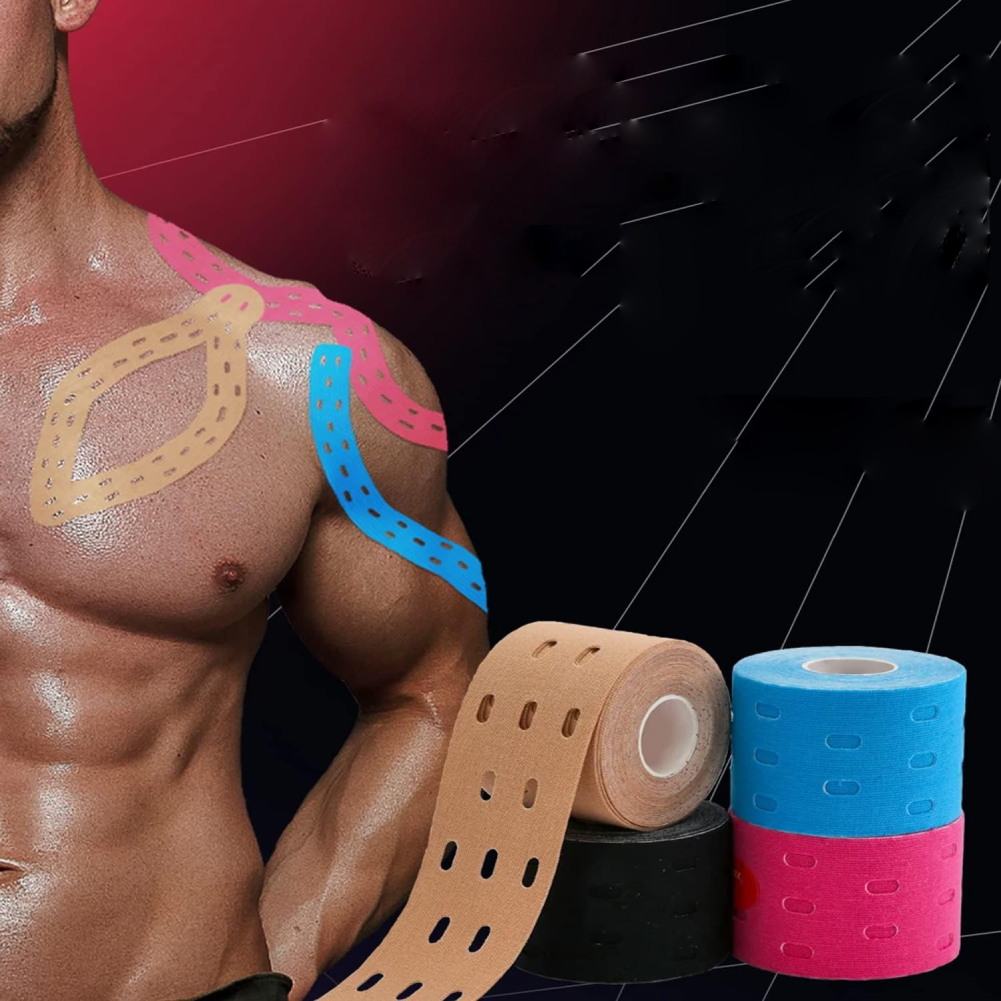
Kinesiology tape, EAB elastic adhesive bandages, and sports tapes are among the most practical recovery and support tools available to athletes at every level. They don't replace sleep or nutrition. But they do provide targeted support that athletes can feel as they move through warm-ups, training, and competition.
Kinesiology tape is designed to work with the body's natural movement. When applied correctly, it gently lifts the skin over a targeted area, creating space between the skin and underlying tissues. This decompressive effect is thought to support local circulation and lymphatic drainage. For a player managing a tight calf or a fatigued quadricep during a condensed tournament schedule, that subtle support can be meaningful.
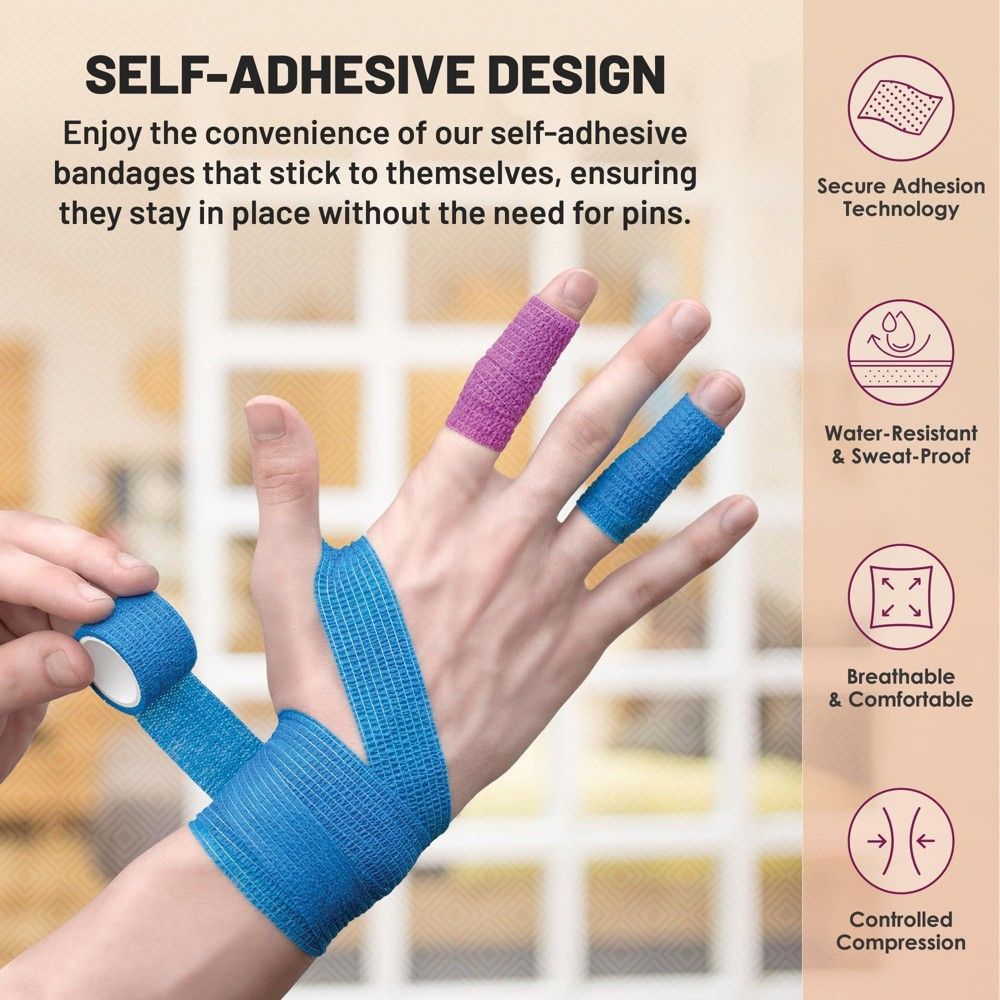
EAB elastic adhesive bandages serve a different purpose. They provide compression and structural support around joints that have taken repeated stress. Think of a striker's ankle after four games in twelve days, or a midfielder's knee after logging more than thirty miles of match play. An EAB bandage wrapped with the right tension provides proprioceptive feedback—it helps the athlete feel the joint's position and movement—while offering mechanical support that can reduce strain during dynamic activity.
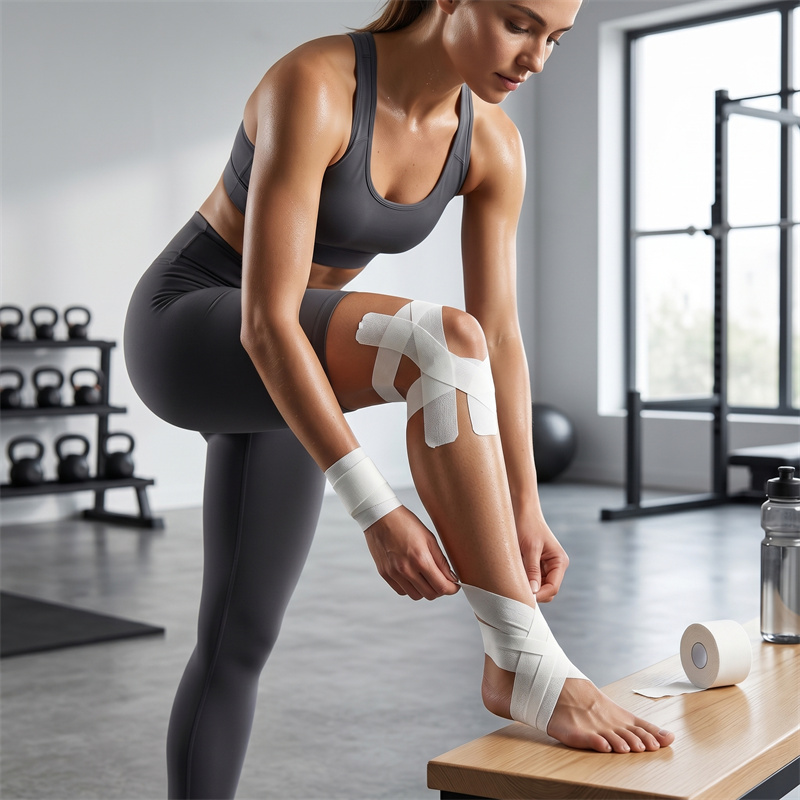
Sports tape, with its zinc oxide adhesive and rigid cotton backing, takes support a step further. It's used when a joint needs to be protected from extreme ranges of motion. Unlike kinesiology tape, which stretches and moves with the body, sports tape limits movement to prevent re-injury. Both have their place in a comprehensive recovery and support strategy.
The Areas Athletes Watch Most Closely
Through the course of a demanding tournament, certain areas of the body consistently require extra attention.
Knees absorb force during deceleration, cutting, and changes of direction. Hamstrings are pushed to their limits during high-speed sprints. Calves and Achilles tendons manage the constant load of acceleration and jumping. Lower backs stiffen from travel, sitting, and the cumulative impact of training and matches. Ankles face constant demands from running, turning, and contact.
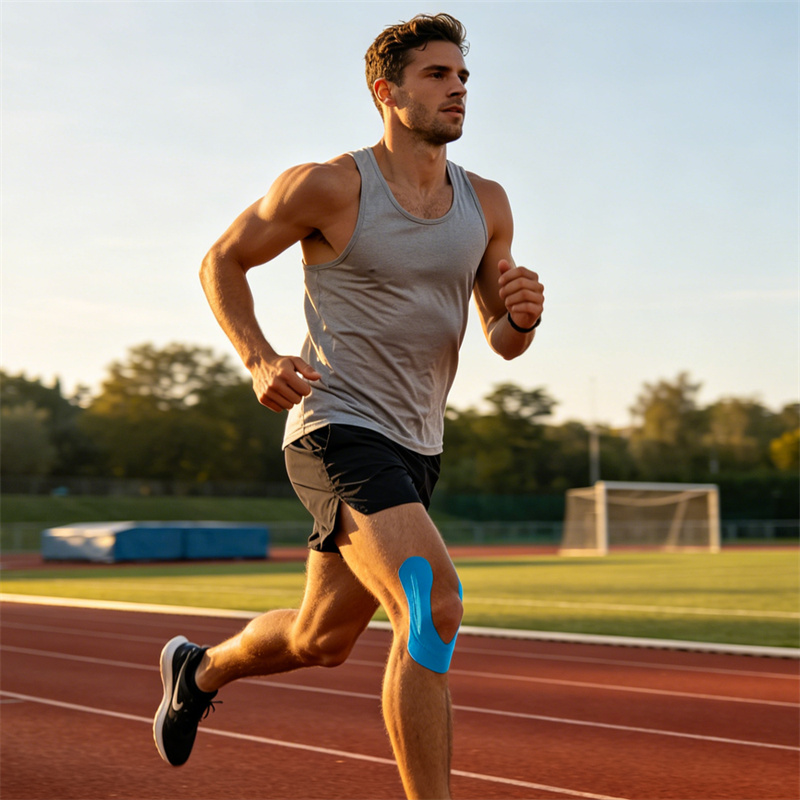
For each of these areas, there's a taping or bandaging approach that can help. A pre-cut kinesiology tape knee kit provides structured support without restricting mobility. An EAB bandage wrapped around the ankle offers compression and proprioceptive cues. A rigid sports tape application on a vulnerable joint can be the difference between finishing a match and watching from the sideline.
Recovery Is Part of Performance
The 2026 World Cup will be won on the field, but it will be prepared for everywhere else—in recovery rooms, on treatment tables, during long flights, and in the quiet hours between sessions.
The same principle applies far beyond professional soccer. Whether you're a weekend runner managing shin discomfort, a CrossFit athlete working through shoulder tightness, or a physiotherapist helping patients rebuild strength after injury, recovery is not a break from performance. It is part of performance.
At Healthline Medical, we manufacture the products that support that process. Our kinesiology tape is built on the same principles Dr. Kenzo Kase established decades ago, using medical-grade acrylic adhesives and carefully selected cotton-spandex fabrics. Our EAB bandages are coated with zinc oxide hot-melt adhesive that maintains its properties through 48 hours of controlled curing—a process that separates professional-grade products from the rest. Our sports tapes use high-strength cotton backings that provide reliable support when it's needed most.
We don't compete on price with commodity products. We build tape and bandages for brands that care about consistency, durability, and the experience of the athlete wearing them.
Because every great performance starts with staying ready to move.
If you're building a sports medicine brand or expanding your product line, we'd be happy to talk. We're a fully integrated manufacturer based in Suzhou, China, with 20 years of adhesive product experience and full ISO 13485, FDA, CE, and BSCI certification. Reach out anytime.
Share:
RECOMMENDED PRODUCTS
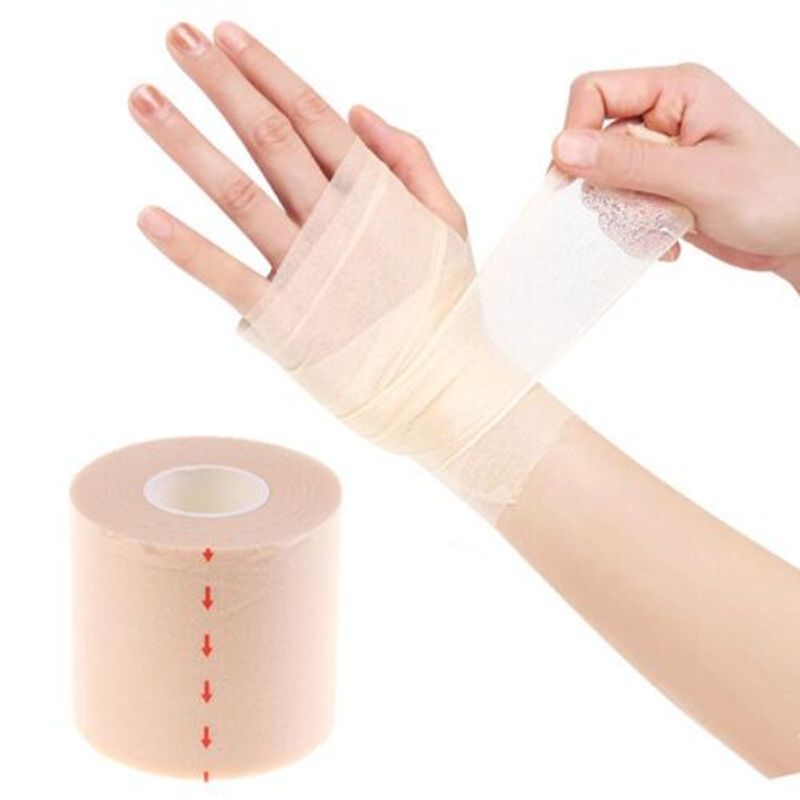

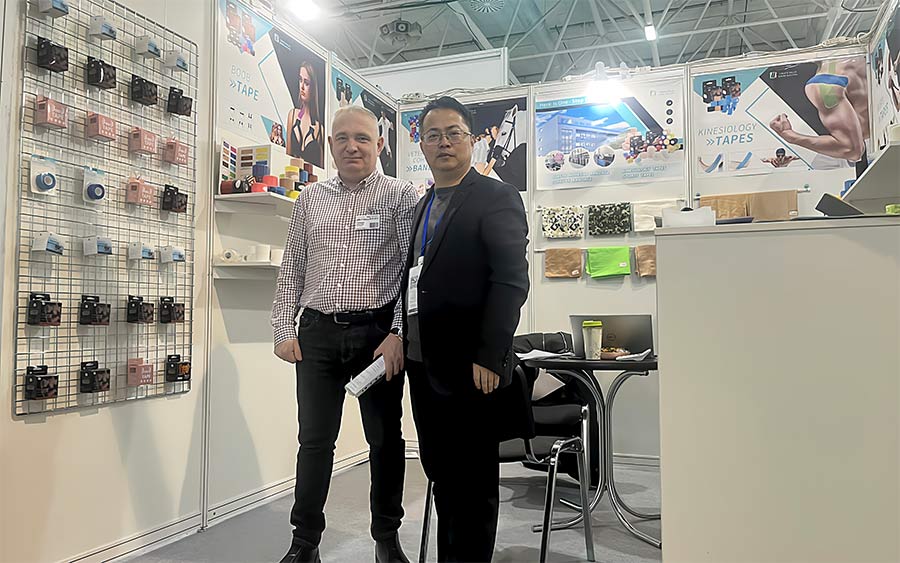
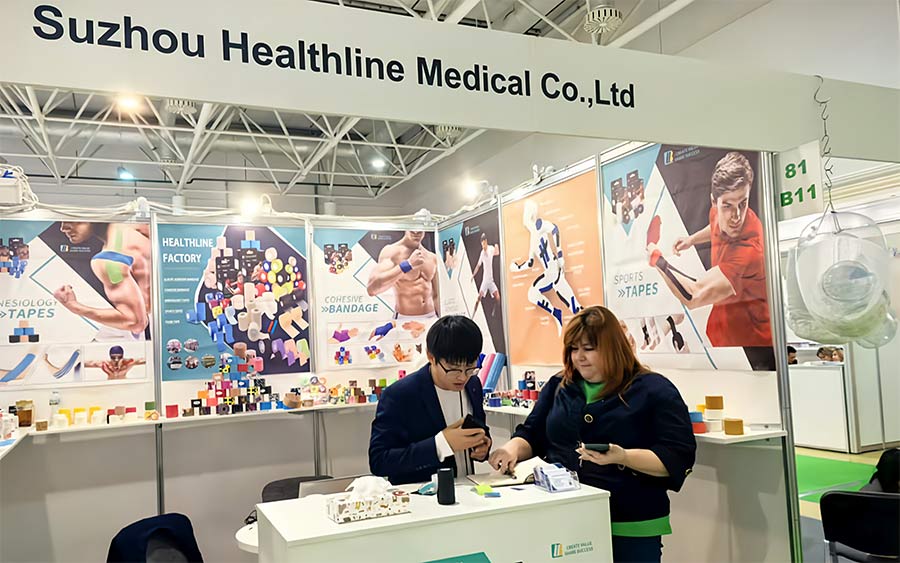
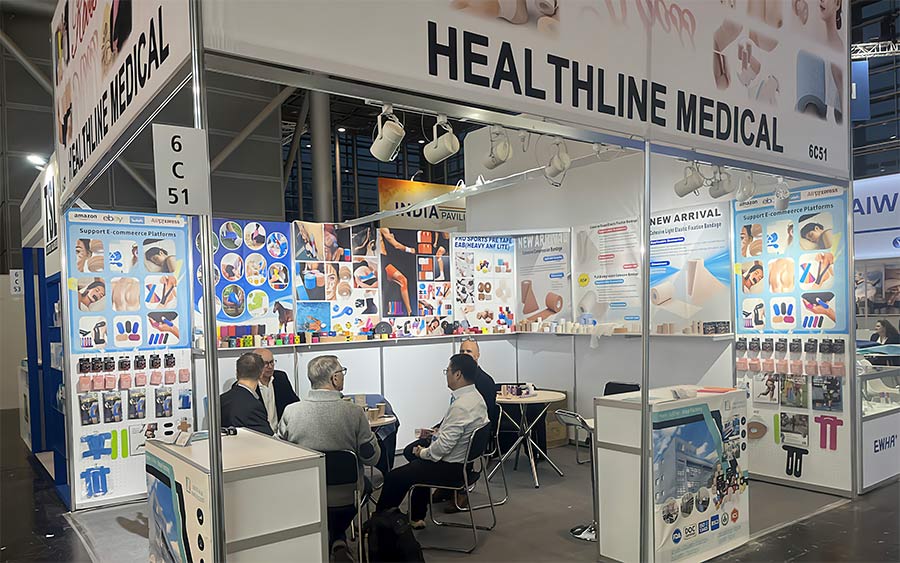
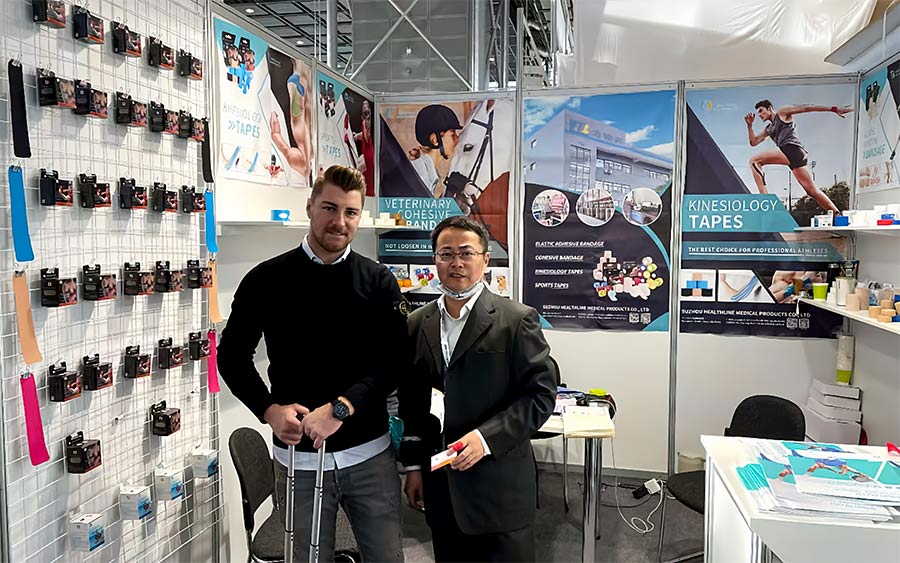
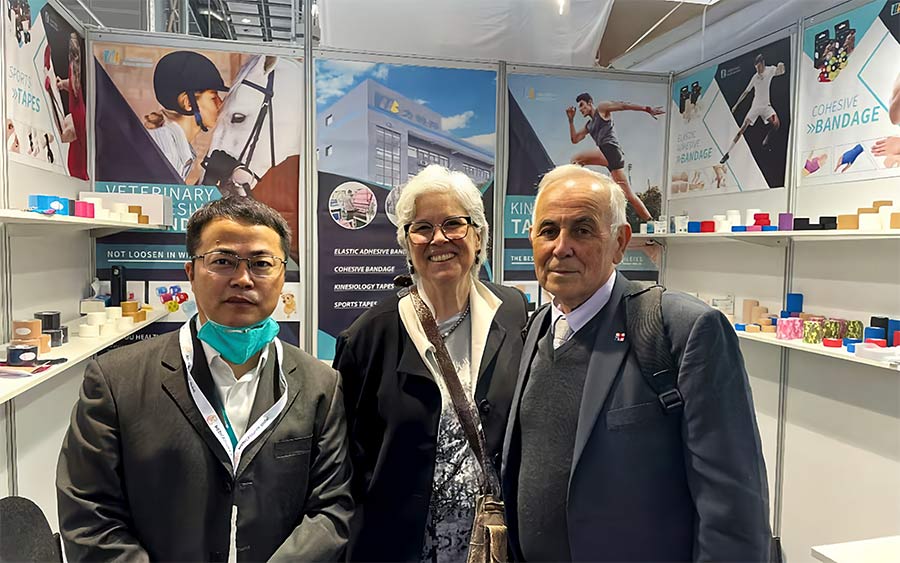
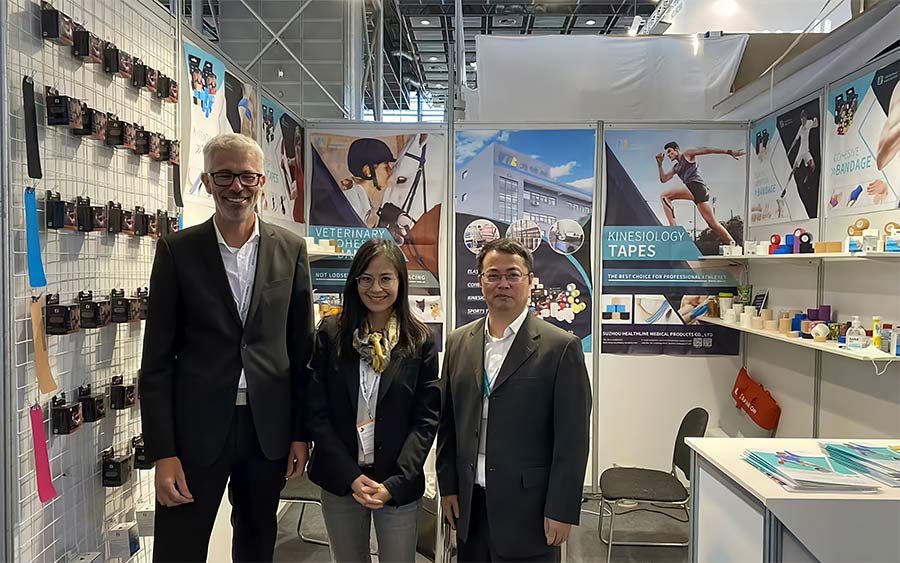
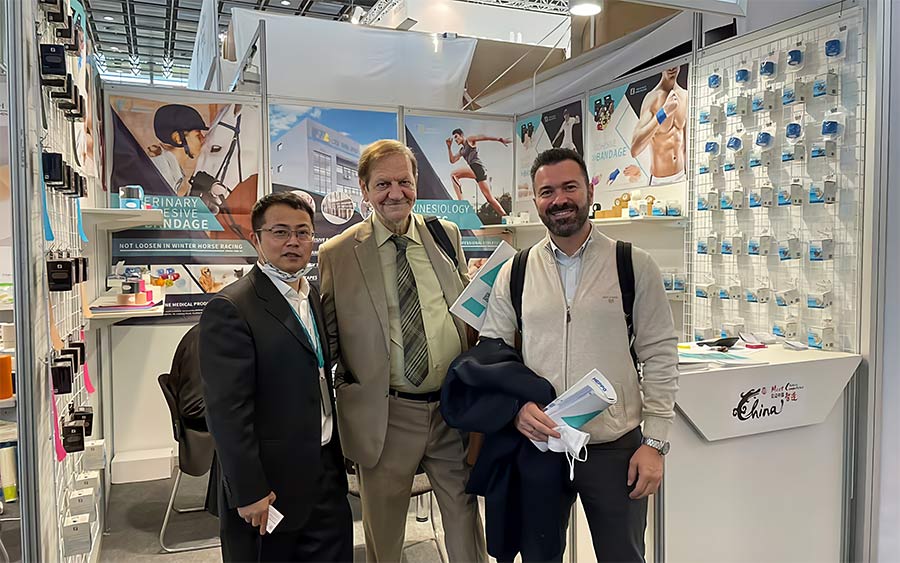
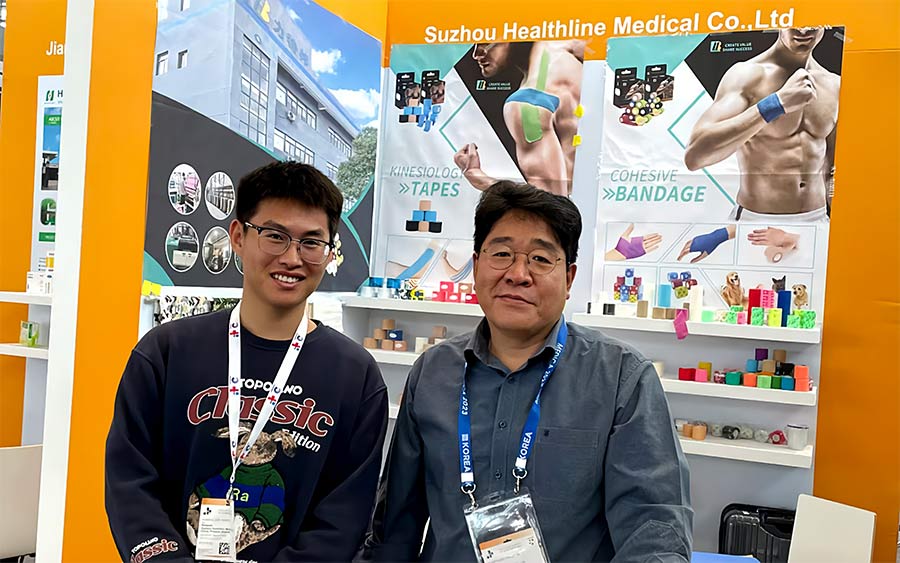
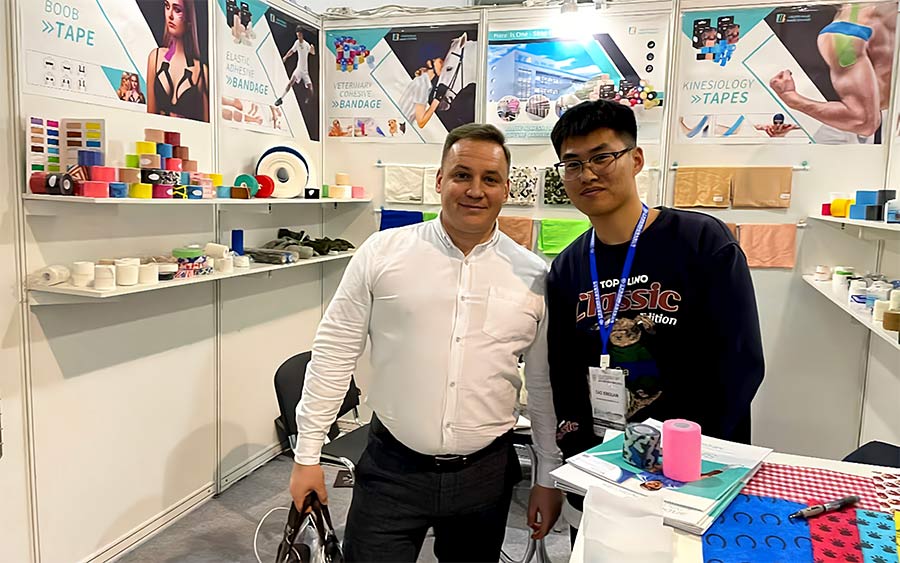
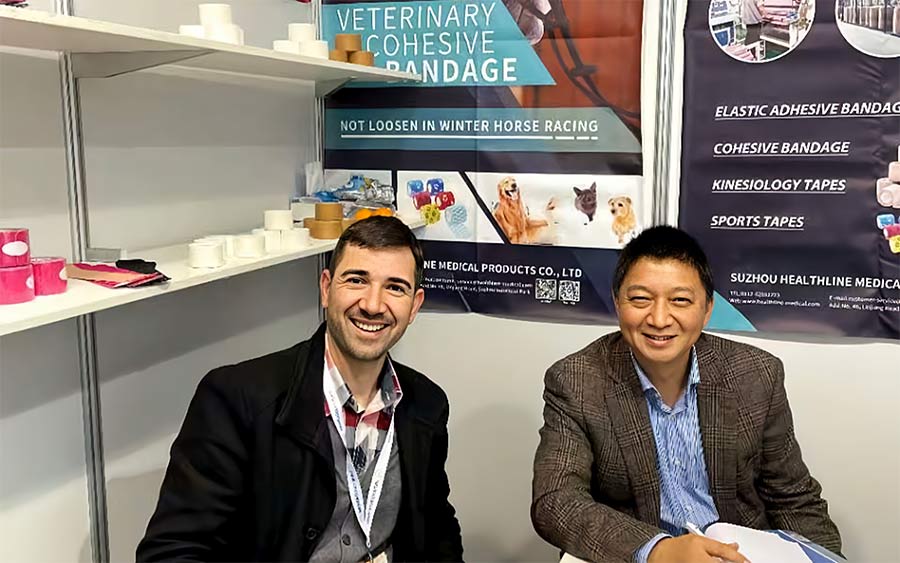
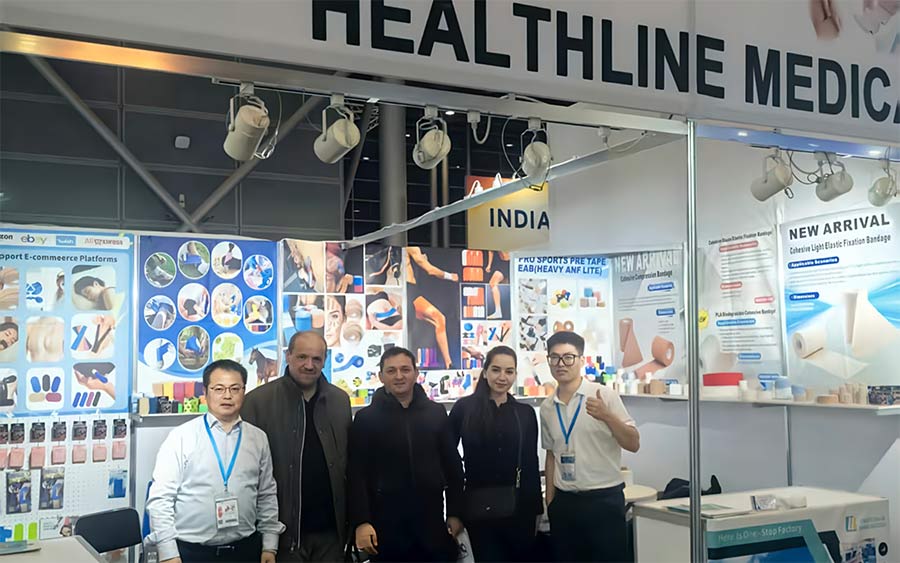
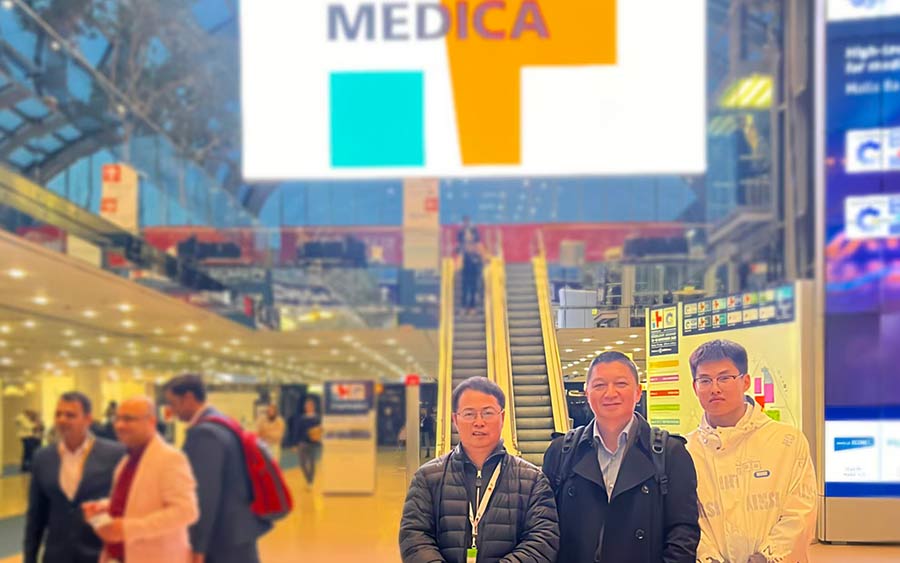
Driven by uncompromising quality, competitive value, and customer-centric service, Healthline’s products are now present in over 50 countries and regions across the globe. As a dedicated OEM/ODM manufacturer of medical cohesive bandages and sports tape, we serve a diverse client portfolio—including hospitals and clinics,veterinary,authorized distributors, government procurement agencies, national pharmacy chains, and retail supermarkets,on-line Amazon,Lotte & Tiktok e-commerce industry .
We are proud to be the long-term OEM/ODM partner for globally recognized names such as Target, CVS, Aldi, Lidl, Carrefour,Tesco, Alliance Boots,Deathlon,Covetrus and Kruuse. Our annual sales volume has maintained a steady year-over-year growth of 15% for consecutive years—a testament to the trust our partners place in us.
In today’s competitive global market, we believe sustainable success comes from continuously delivering superior products and responsive service at a fair price. This philosophy has guided Healthline for three decades, and we are committed to repaying your trust with solutions that help your business grow.









- Ethan Zhang
- Tel:+86-512-6289 3223
- Mob:+86-19822909189
- Email:ethanzhang@healthline-medical.com
- Whatsapp / Wechat:+86-19822909189
- Skype:+86-19822909189
- Asher.cao
- Tel:+86-512-6289 3223
- Mob:+86-17625487782
-
Email:ethanzhang@healthline-medical.com
Asher.cao@healthline-medical.com
- Whatsapp / Wechat:+86-17625487782
- Skype:+86-176 2548 7782
- Jason Zhang
- Tel:+86-512-6289 3223
- Mob:+86-13152123359
- Email:jason@healthline-medical.com
- Whatsapp / Wechat:+86-13152123359
Copyright © 2025 SUZHOU HEALTHLINE MEDICAL PRODUCTS CO., LTD
All Rights Reserved.
 Sports Tape Manufacturers Cohesive Bandages Suppliers
The information provided on this website is intended for use only in countries and jurisdictions outside of the People's Republic of China.


