
 English
 Español
 русский
 عربى
عربى

- Cotton Kinesiology Tape
- Synthetic Kinesiology Tape
- Nylon Kinesiology Tape
- 4-Way Stretch Elastic Kinesiology Tape
- Standard Kinesiology Tape Roll
- Pre-Cut Kinesiology Tape Strips
- Printed / Pattern Kinesiology Tape
- Perforated Kinesiology Tape (Ventilated)
- Special Shape Kinesiology Tape
- Water-Resistant Kinesiology Tape
- Pregnancy Support Tape
- Face Lift Kinesiology Tape
- Gentle / Beauty Kinesiology Tape
- Veterinary Kinesiology Tape
- Breast Lift Tape
- Customized Kinesiology Tape
- Pre-cut I Strip Kinesiology Tape
- Pre-cut Y Strip Kinesiology Tape
- Pre-cut X Strip Kinesiology Tape
- Knee Kinesiology Tape
- Leg Kinesiology Tape
- Shoulder Kinesiology Tape
- Back Kinesiology Tape
- Waist Kinesiology Tape
- Ankle Kinesiology Tape
- Pregnancy Belly Tape
- Beauty Face Tape
- Solid Color Cohesive Bandage Roll
- Printed & Pattern Cohesive Bandage
- Non-Woven Self-Adhesive Bandage
- Cotton Self-Adhesive Bandage
- PBT Gauze Cohesive Bandage Rolls
- Pet Vet Wrap
- Horse and Cattle Self-Adhesive Bandage
- Veterinary Cohesive Bandage
- Camo Cohesive Wrap Tape
- Military and Tactical Cohesive Bandage
- Tattoo Grip Tape
- Latex Cohesive Bandage
- Latex-Free Cohesive Bandage
- Pet Laminated Self-Adhesive Bandage
- High-Tensile Cohesive Bandage
- Football Sock Wrap Self-Adhesive Bandage
- Sterile Cohesive Bandage
- Special Function Cohesive Bandage
- OEM / Bulk Cohesive Bandage Roll
- Rigid Strapping Tape
- Athletic Tape
- Zinc Oxide Sports Tape
- Rayon Rigid Sports Tape
- Sports Strapping Tape
- Finger Bob Bandages
- Boxing Tape
- Heavyweight Elastic Adhesive Bandage (EAB)
- 93 Cotton Heavyweight Elastic Adhesive Bandages(EAB)
- Athletic Heavyweight Elastic Adhesive Bandage (EAB)
- Lightweight Elastic Adhesive Bandage (EAB)
- Athletic Lightweight Elastic Adhesive Bandage (EAB)
- American Style Elastic Adhesive Bandage (EAB)
- Japanese Style Elastic Adhesive Bandage (EAB)
- Elastic Adhesive Compression Bandage
- Veterinary Elastic Adhesive Bandage (EAB)
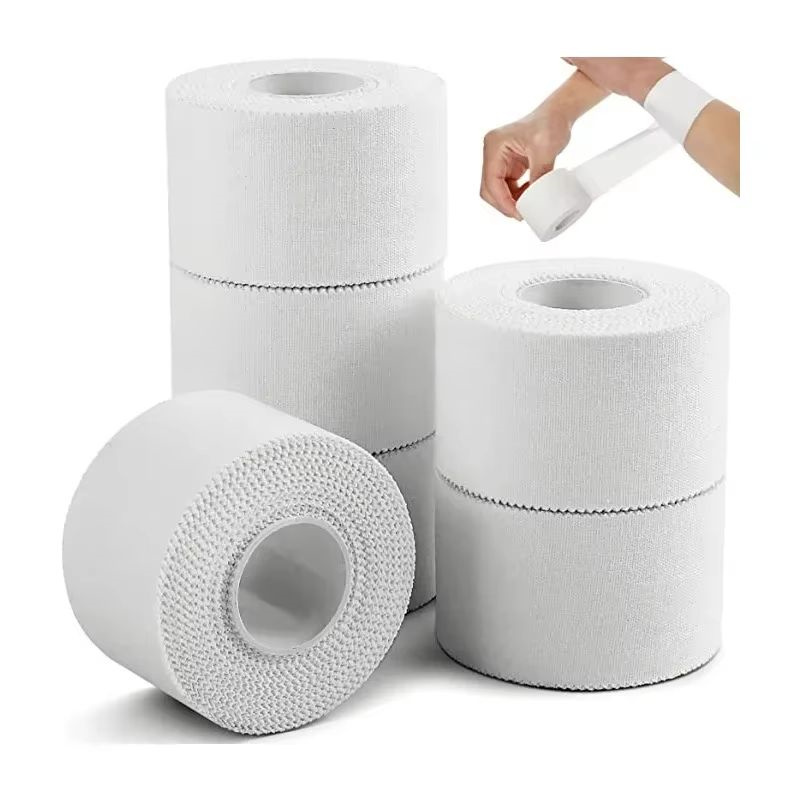
Achilles Tendinopathy Tape: How Taping Works, Application Steps, and Tape Choices
Content
Stepping out of bed and feeling a sharp pull at the back of your heel is one of the clearest signs of Achilles tendinopathy, and it is also the moment many people first go looking for tape.
The short answer first: tape does not repair the tendon, and no taping method replaces progressive loading. What tape does well is reduce the strain the tendon takes during your most active hours, calm irritation through gentle decompression, and let you keep moving while a strengthening program rebuilds capacity. This guide covers both techniques used around the Achilles, elastic kinesiology tape and rigid strapping, together with the application steps, material differences, and skin-care rules that decide whether a taping job lasts one hour or five days.
What Taping Actually Does for an Irritated Achilles
Tendinopathy is a load problem. The tendon's collagen structure has been pushed beyond its current capacity, usually by a jump in running volume, hill sessions, court sports, or long hours on your feet. That is why pain is worst in the morning or after sitting: the tendon stiffens at rest, complains on the first movements, often quiets down once it warms up, and aches again afterward.
Taping works from two directions. Rigid, non-elastic tape acts as an external tendon: laid in firm strips along the Achilles, it limits the range in which the tendon loads hardest and takes over part of each push-off. Elastic kinesiology tape works differently. Applied with light stretch over the sore area, it slightly lifts the skin, which is thought to ease pressure on pain receptors and improve local circulation, while the constant sensation on the calf reminds you not to overload the tendon with sloppy mechanics.
The evidence deserves an honest note. Research on taping outcomes is mixed, and a PubMed-indexed study on kendo athletes found that Achilles taping reduced the force transmitted through the tendon, which is exactly the protective effect tapers want, though the same force reduction can slightly blunt explosive performance. Treat tape as a load-management tool: it buys comfort while exercise does the rebuilding.
Applying Kinesiology Tape to the Achilles: Step by Step
The kinesiology method is the more forgiving of the two, and with a 5 cm wide roll it takes about five minutes once you have done it twice.
- Measure and cut. Take a strip from just below the heel bone to the widest part of the calf, roughly 25-35 cm for most adults, and round the corners so the edges do not lift.
- Set the position. Lie face down with the foot hanging off the edge, or stand and point the toes of the sore side. The ankle should sit in plantarflexion so the tendon is relaxed.
- Lay the anchor. Place the base of the strip below the heel bone with zero stretch and rub it down for a few seconds.
- Build the support. Peel the backing in stages and lay the tape along the tendon line with 15-25% stretch, releasing the tension over the last few centimeters so the end sits with none at all.
- Add a decompression strip if the tendon is acutely sore. A short second piece placed horizontally across the most painful point, with light stretch in the middle only and none at the ends, lifts the skin directly over the irritation.
- Activate the adhesive. Rub the whole application firmly for 20-30 seconds; the acrylic adhesive is heat activated, and friction works faster than waiting.
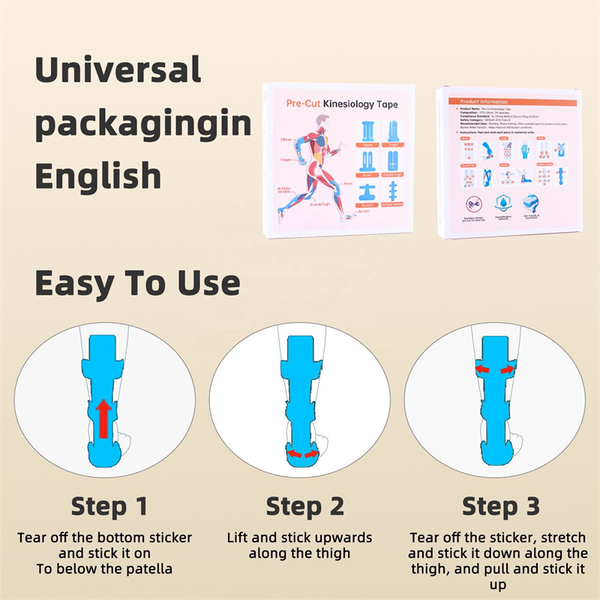 Pre-Cut Achilles Tendon Support PatchesTargeted Support for Your Heel and CalfView Product →
Pre-cut patches shaped for the Achilles remove the measuring and the guesswork entirely, because the anchor, tail length, and stretch zones are already decided. That consistency is why physio clinics and team staff increasingly keep them stocked for pre-training applications.
Rigid Strapping When the Tendon Needs a Real Break
If the goal is a genuine offload during a painful flare, a long shift on your feet, or the early phase of rehab, rigid strapping does more than elastic tape. NHS podiatry departments issue patients a roll of 2.5 cm zinc oxide tape and teach them to strap the Achilles at home for exactly this purpose.
The principle is simple. Because the tape cannot stretch, overlapping strips applied with firm tension form a stiff bridge beside the tendon that takes over part of the workload with every step. The ankle rests in a slightly relaxed position, strips anchor on the calf and around the foot, and each pass overlaps the previous one by about half the tape width so no gaps open as the skin moves.
Two cautions matter. Non-elastic tape pulled too tight can restrict circulation, so check that the toes stay warm and pink and that there is no numbness. And zinc oxide adhesive grips hard, which is why people with fragile or reactive skin should protect the area first or choose a latex-free rigid tape.
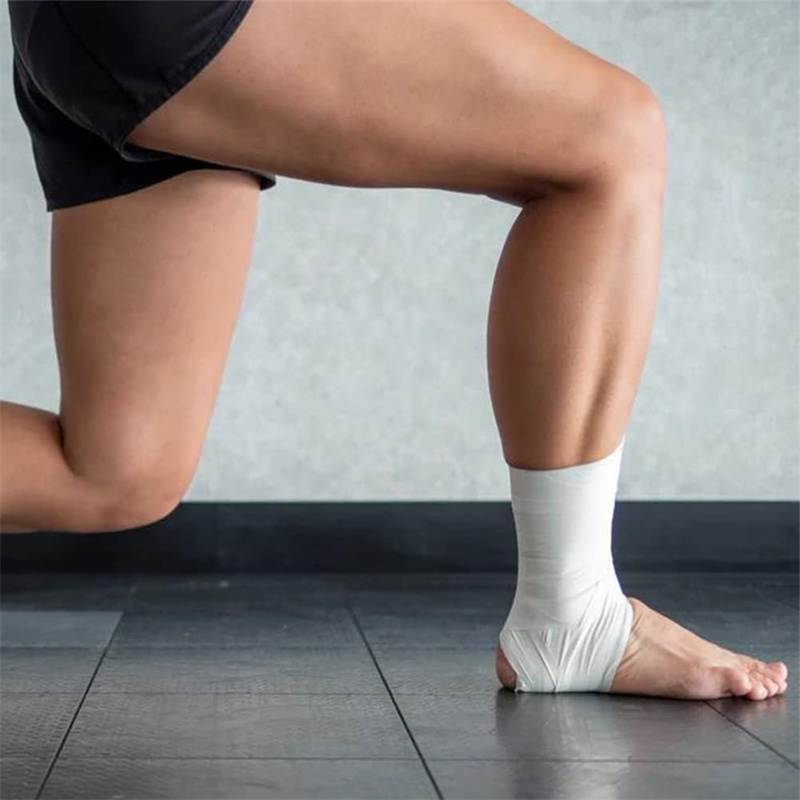 Athletic Tape – Rigid Zinc Oxide Sports Tape for Ankle, Wrist and Finger SupportProduct Overview: This rigid athletic tape provides firm, dependable joint stabilization for training, competition and rehabilitation. Built with a high thread-count c...View Product →
Choosing a Tape: Fabric, Adhesive, and Width
Two rolls that look identical in a product photo can behave completely differently once you sweat in them. Four properties decide how a tape performs on the Achilles: backing fabric, adhesive, elasticity, and width.
Fabric comes first. Cotton backings breathe well and feel soft over the tendon, rayon offers a different stretch profile at a friendlier price, and nylon knits with four-way stretch plus synthetic adhesives handle water and long wear best. The differences are big enough to change which tape suits a marathon block versus a gym program; this comparison of cotton, rayon, and nylon kinesiology tape covers them in detail.
Adhesive and width follow. Heat-activated acrylic adhesives are standard on elastic tape because they survive showers and multi-day wear, while zinc oxide formulas grip harder for strapping but stress the skin more. Width is simple: 5 cm covers the tendon and calf comfortably for kinesiology work, and 2.5 cm is the classic strapping width podiatrists specify.
| Property | Kinesiology tape | Rigid zinc oxide tape | Elastic adhesive bandage |
|---|---|---|---|
| Elasticity | Stretches 130-180% of resting length | Non-elastic | Moderately elastic |
| Main job | Decompression, sensory feedback, light support | Firm offload and motion control | Compression with flexible support |
| Typical wear time | 3-5 days | A few hours to 1-2 days | 1-3 days |
| Common width | 5 cm | 2.5 cm | 5-7.5 cm |
| Skin demands | Gentlest, latex-free versions common | Highest grip, most skin stress | In between |
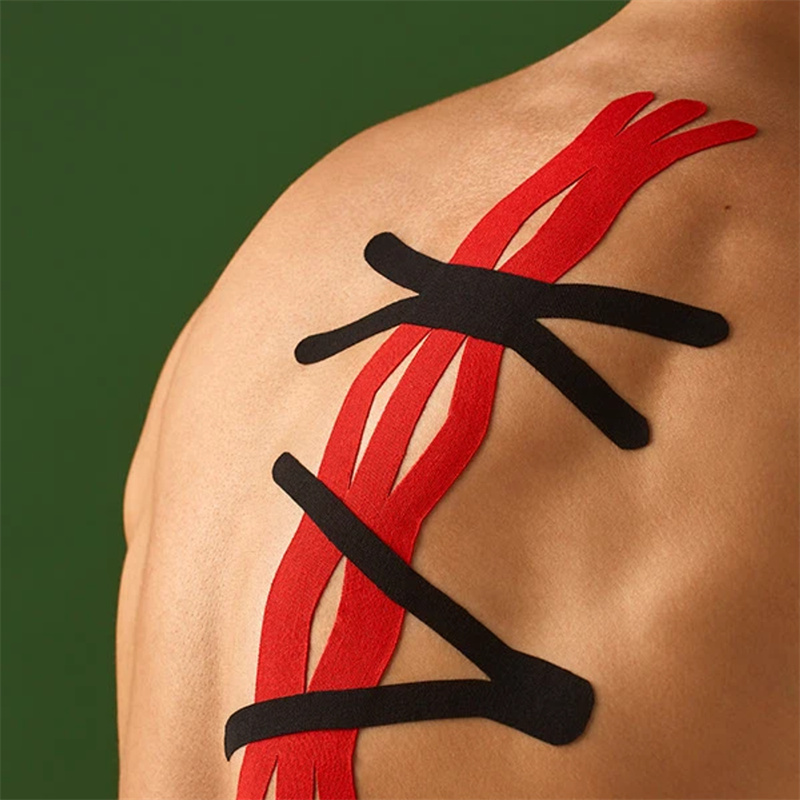 Breathable Sweat-Resistant Kinesiology Tape for Muscles and JointsElastic, breathable kinesiology tape with a heat-activated acrylic adhesive, aligning with the article's note that such formulas survive showers and multi-day wear where zinc oxide grips harsher. Available in 5 cm width for comfortable calf and Achilles coverage.View Product →
Skin Prep, Wear Time, and Safe Removal
Most tape failures are skin failures. The tape was fine; the surface it landed on was not.
Prep takes two minutes. Clean the skin and dry it fully, skip lotions and oils, and trim or shave dense hair so the adhesive reaches skin instead of follicles. Round every cut corner, and if your skin reacts to adhesives, do a small test patch a day before a full application.
Wear windows differ by tape. Quality elastic tape stays down three to five days through showers and training, with waterproof versions at the top of that range. Rigid strapping is a short-term tool: most podiatrists expect it off the same day or within a day or two, with the skin allowed to recover before reapplication. Inspect the skin underneath daily either way.
Remove tape the slow way. Peel with one hand while the other pushes skin away from the tape, using a little oil or moisturizer to dissolve the adhesive. Ripping dry tape off takes superficial skin layers with it and makes the next application hard to tolerate. Stop immediately and take tape off if you notice building itching, burning, blisters, or numbness under the application.
Where Taping Fits in Recovery
Tape manages symptoms; load builds the tendon. Tendons adapt to progressive demand, which is why physiotherapists anchor Achilles rehab in slow, heavy calf work, such as eccentric heel raises off a step, added gradually over twelve weeks or more. Taping slots in around that program: strap the tendon for high-load days, long shifts, and long walks, and leave the skin bare at rest so it can recover.
Know the red flags. A sudden snap or a sensation of being kicked in the back of the heel, an inability to rise onto the toes, and rapid swelling point to a possible rupture rather than tendinopathy, and that needs urgent assessment. If pain has not shifted after three to four weeks of genuine load management, have a physiotherapist or podiatrist reassess the plan; taping on top of a wrong program just preserves the problem.
The same logic runs one level up the supply chain. Precut Achilles patches have become one of the fastest-moving formats in the taping category because they standardize what untrained hands get wrong, and clinics, pharmacy chains, and sports retailers stocking them tend to source from manufacturers with in-house coating and converting capability. Healthline Medical, which has manufactured adhesive bandages and kinesiology tapes since 1993, runs OEM precut Achilles tendon support tape programs with private label and custom sizing for exactly this audience.
Share:
RECOMMENDED PRODUCTS
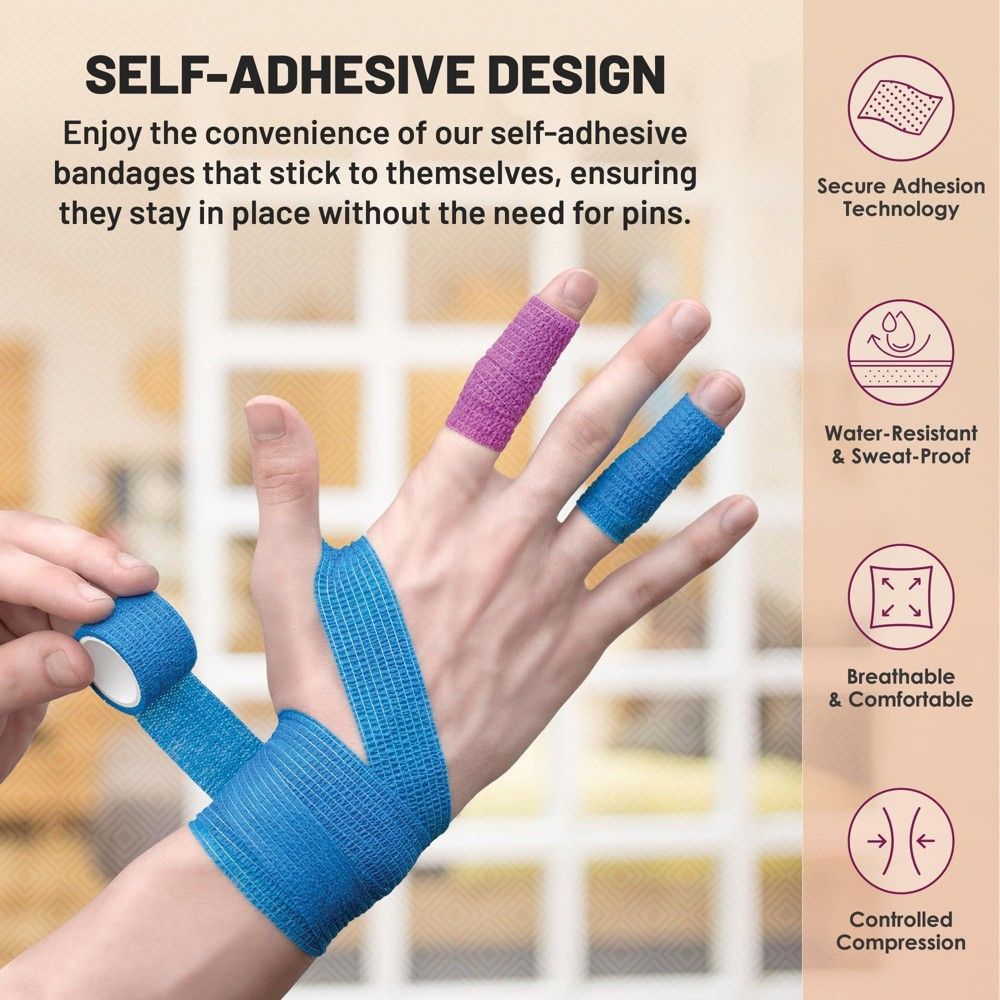

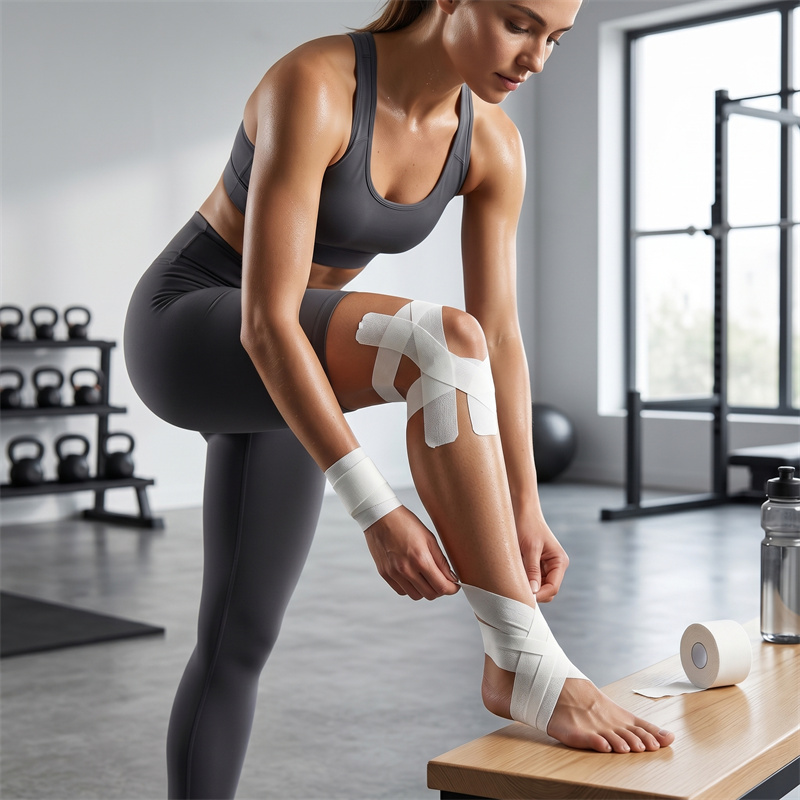
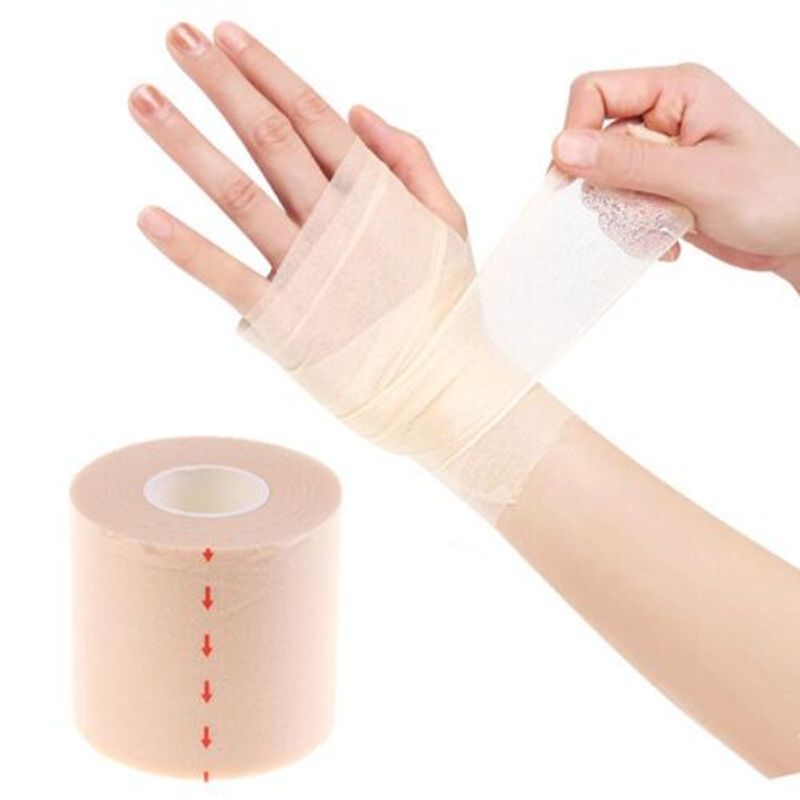

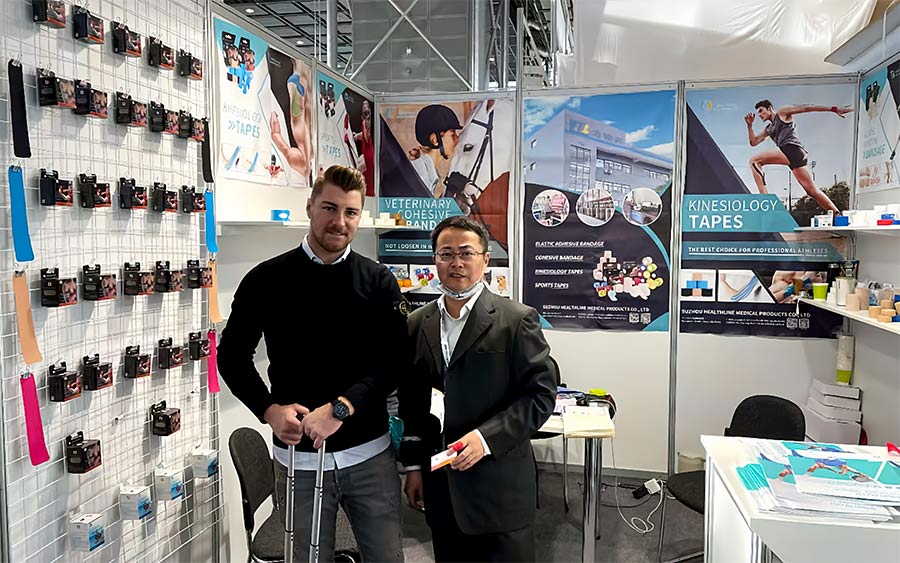
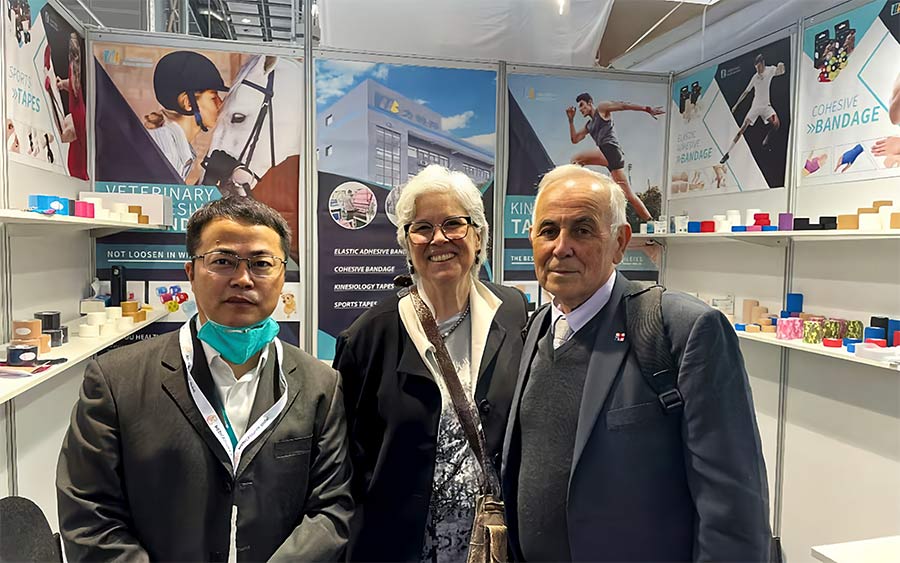
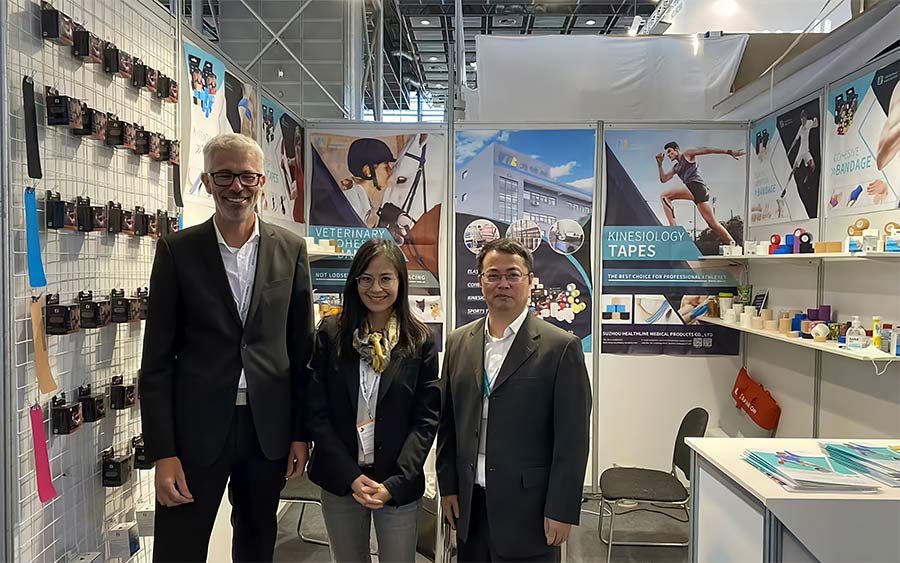
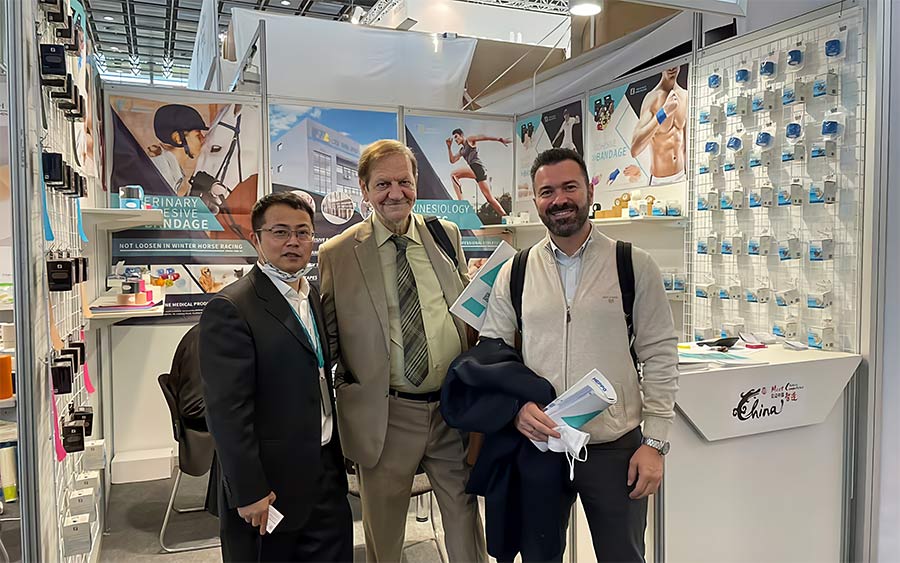
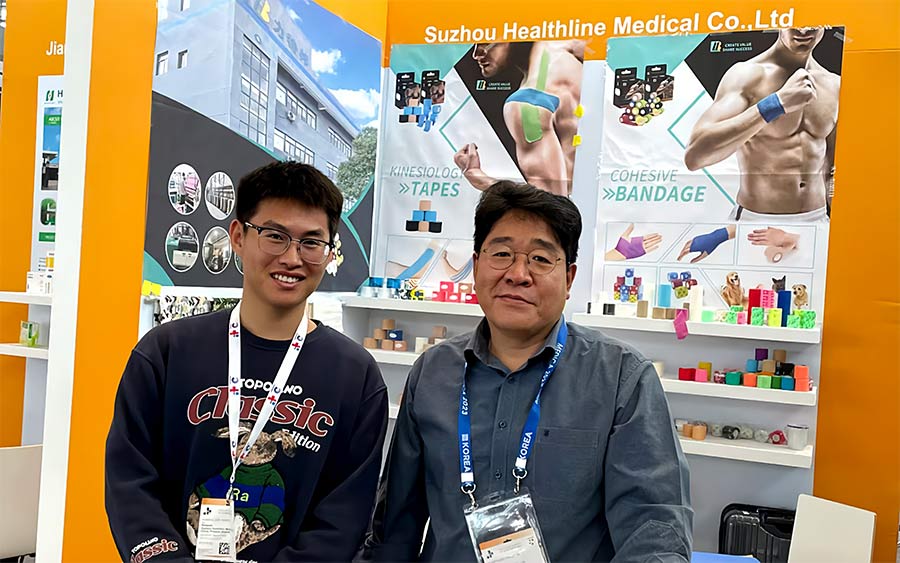
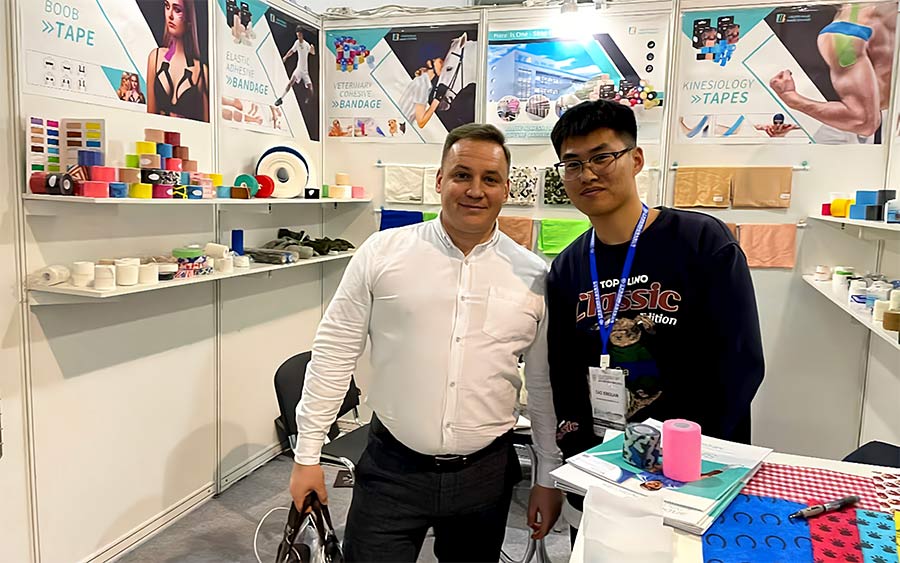
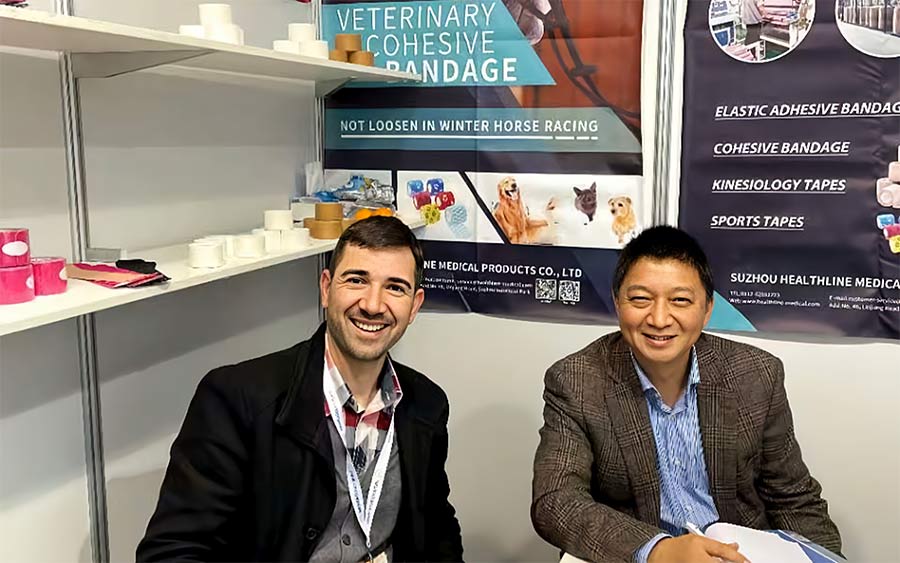
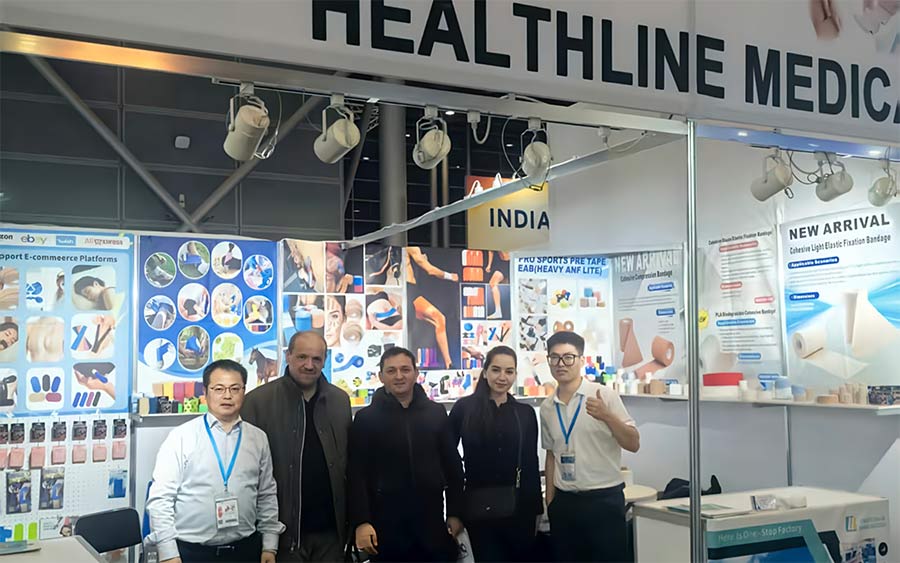
Driven by uncompromising quality, competitive value, and customer-centric service, Healthline’s products are now present in over 50 countries and regions across the globe. As a dedicated OEM/ODM manufacturer of medical cohesive bandages and sports tape, we serve a diverse client portfolio—including hospitals and clinics,veterinary,authorized distributors, government procurement agencies, national pharmacy chains, and retail supermarkets,on-line Amazon,Lotte & Tiktok e-commerce industry .
We are proud to be the long-term OEM/ODM partner for globally recognized names such as Target, CVS, Aldi, Lidl, Carrefour,Tesco, Alliance Boots,Deathlon,Covetrus and Kruuse. Our annual sales volume has maintained a steady year-over-year growth of 15% for consecutive years—a testament to the trust our partners place in us.
In today’s competitive global market, we believe sustainable success comes from continuously delivering superior products and responsive service at a fair price. This philosophy has guided Healthline for three decades, and we are committed to repaying your trust with solutions that help your business grow.



















- Ethan Zhang
- Tel:+86-512-6289 3223
- Mob:+86-19822909189
- Email:ethanzhang@healthline-medical.com
- Whatsapp / Wechat:+86-19822909189
- Skype:+86-19822909189
- Asher.cao
- Tel:+86-512-6289 3223
- Mob:+86-17625487782
-
Email:ethanzhang@healthline-medical.com
Asher.cao@healthline-medical.com
- Whatsapp / Wechat:+86-17625487782
- Skype:+86-176 2548 7782
- Jason Zhang
- Tel:+86-512-6289 3223
- Mob:+86-13152123359
- Email:jason@healthline-medical.com
- Whatsapp / Wechat:+86-13152123359
Copyright © 2025 SUZHOU HEALTHLINE MEDICAL PRODUCTS CO., LTD
All Rights Reserved.
 Sports Tape Manufacturers Cohesive Bandages Suppliers
The information provided on this website is intended for use only in countries and jurisdictions outside of the People's Republic of China.


