
 English
 Español
 русский
 عربى
عربى

- Cotton Kinesiology Tape
- Synthetic Kinesiology Tape
- Nylon Kinesiology Tape
- 4-Way Stretch Elastic Kinesiology Tape
- Standard Kinesiology Tape Roll
- Pre-Cut Kinesiology Tape Strips
- Printed / Pattern Kinesiology Tape
- Perforated Kinesiology Tape (Ventilated)
- Special Shape Kinesiology Tape
- Water-Resistant Kinesiology Tape
- Pregnancy Support Tape
- Face Lift Kinesiology Tape
- Gentle / Beauty Kinesiology Tape
- Veterinary Kinesiology Tape
- Breast Lift Tape
- Customized Kinesiology Tape
- Pre-cut I Strip Kinesiology Tape
- Pre-cut Y Strip Kinesiology Tape
- Pre-cut X Strip Kinesiology Tape
- Knee Kinesiology Tape
- Leg Kinesiology Tape
- Shoulder Kinesiology Tape
- Back Kinesiology Tape
- Waist Kinesiology Tape
- Ankle Kinesiology Tape
- Pregnancy Belly Tape
- Beauty Face Tape
- Solid Color Cohesive Bandage Roll
- Printed & Pattern Cohesive Bandage
- Non-Woven Self-Adhesive Bandage
- Cotton Self-Adhesive Bandage
- PBT Gauze Cohesive Bandage Rolls
- Pet Vet Wrap
- Horse and Cattle Self-Adhesive Bandage
- Veterinary Cohesive Bandage
- Camo Cohesive Wrap Tape
- Military and Tactical Cohesive Bandage
- Tattoo Grip Tape
- Latex Cohesive Bandage
- Latex-Free Cohesive Bandage
- Pet Laminated Self-Adhesive Bandage
- High-Tensile Cohesive Bandage
- Football Sock Wrap Self-Adhesive Bandage
- Sterile Cohesive Bandage
- Special Function Cohesive Bandage
- OEM / Bulk Cohesive Bandage Roll
- Rigid Strapping Tape
- Athletic Tape
- Zinc Oxide Sports Tape
- Rayon Rigid Sports Tape
- Sports Strapping Tape
- Finger Bob Bandages
- Boxing Tape
- Heavyweight Elastic Adhesive Bandage (EAB)
- 93 Cotton Heavyweight Elastic Adhesive Bandages(EAB)
- Athletic Heavyweight Elastic Adhesive Bandage (EAB)
- Lightweight Elastic Adhesive Bandage (EAB)
- Athletic Lightweight Elastic Adhesive Bandage (EAB)
- American Style Elastic Adhesive Bandage (EAB)
- Japanese Style Elastic Adhesive Bandage (EAB)
- Elastic Adhesive Compression Bandage
- Veterinary Elastic Adhesive Bandage (EAB)
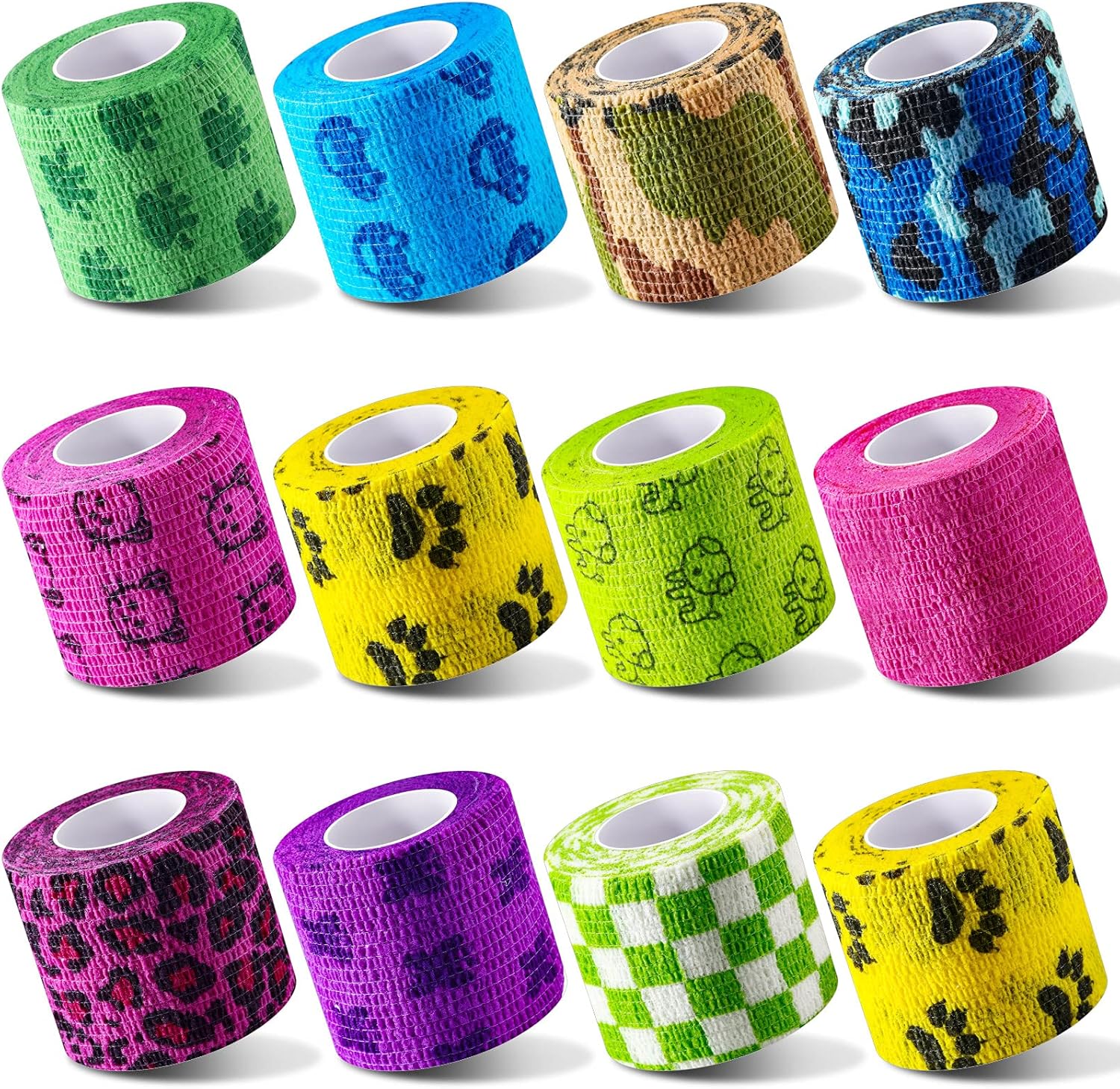
Bandages for cats: Applications, Selection Criteria, and Practical Guidance
Content
- What Makes a Bandage Safe for a Cat's Skin and Fur
- The Three-Layer Principle: Contact, Padding, Outer Wrap
- Where Bandages Go on a Cat, and Which Width Fits
- Fabrics and Adhesives That Matter for Feline Use
- Keeping the Wrap On: Self-Trauma and Daily Checks
- Sourcing Cat Bandages for Clinics, Pharmacies and Private Label
- Questions Buyers and Owners Ask
This guide covers what a bandage for cats is actually made of, which sizes fit which body part, what goes wrong in daily use, and what to specify when sourcing feline wraps in volume.
What Makes a Bandage Safe for a Cat's Skin and Fur
A bandage that is safe for a cat is a self-adherent cohesive wrap applied over a contact layer and a padding layer, never an adhesive dressing pressed onto fur.
Cats have thin, mobile skin and a dense coat, and they groom constantly. A human-style adhesive strip pulls hair on removal, leaves tacky residue in the coat, and if the cat chews a loose corner free and swallows it, the backing and the adhesive become a foreign-body risk. Cohesive wraps change where the stickiness lives: the fabric grips the layer underneath it, not the animal.
That difference shows up in practice as a short list of trade-offs.
- Bonds to skin and hair
- Removal pulls fur and leaves residue
- Little or no stretch
- Bridges gaps instead of following a tapered limb
- Bonds only to the layer beneath it
- Unwinds without stripping hair
- Typically extends to 1.6 to 1.8 times its relaxed length
- Conforms to a limb, tail or torso without gaps
The Three-Layer Principle: Contact, Padding, Outer Wrap
Almost every bandage a veterinarian puts on a cat is built from three layers, and each layer does one job.
-
Contact layer
A non-adherent pad or plain gauze sits directly over the wound, incision or catheter site. Its only job is to keep the padding from sticking to healing tissue. The cohesive wrap never goes straight onto an open wound.
-
Padding layer
Cast padding or a foam underwrap goes over the contact layer. Feline limbs are thin and bony, so a wrap applied directly to skin concentrates pressure over the bone. Padding spreads that load, absorbs a little fluid and gives the outer layer something to compress.
-
Outer cohesive layer
The self-adherent wrap locks the first two layers together. Stretch it to roughly half of what it can take, smooth it flat, and overlap each turn by about half the roll width. Overlap stops the wrap from slipping; tension stops the cat from pulling it off. New users confuse the two, and a wrap tight enough to stay on without overlap is too tight.
Where Bandages Go on a Cat, and Which Width Fits
Most feline applications call for a 2.5 cm or 5 cm roll; anything wider is usually reserved for a torso wrap.
| Site | Typical roll width | What matters most |
| Paw or toe, wrapped as a boot | 2.5 cm | Leave the toes visible so swelling can be checked |
| Forelimb or hindlimb, over a dressing or catheter site | 2.5 cm to 5 cm | Pad the site before the wrap goes on |
| Tail | 2.5 cm | Short overlaps only; watch the base of the tail for swelling |
| Ear, after surgery | 2.5 cm to 5 cm | Holds the ear against the head; check daily that it has not slipped |
| Torso, over an incision | 5 cm to 7.5 cm | Must not ride up toward the ribs or slip down over the hips |
Fabrics and Adhesives That Matter for Feline Use
Three variables decide whether a wrap works on a cat: fabric weight, the adhesive system, and how cleanly the roll tears by hand.
Non-woven polypropylene
Light, breathable and hand-tearable, this is the default fabric for veterinary cohesive wraps. It takes latex-free coatings easily and holds colour and print well.
Cotton and cotton blends
Softer against the coat and slightly more absorbent, with a heavier feel and a higher cost. Usually reserved for sensitive-skin lines and longer wear.
Laminated non-woven
A gauze or film layer bonded to the non-woven adds tensile strength and a little cushioning, which helps when the wrap has to hold a dressing on its own.
Adhesive choice matters just as much. Natural rubber latex gives the strongest tack at the lowest cost, but clinics in Europe and North America increasingly specify latex-free wraps for patients and staff alike. Synthetic latex-free systems give up a little grab in exchange for cleaner removal, which matters on a cat that will be wrapped more than once.
Format is the third variable. A hand-tearable roll saves a step when the scissors are across the room. Edges behave differently too: a straight edge cuts cleanly, while a zigzag or serrated edge tears fast and leaves a tidy end.
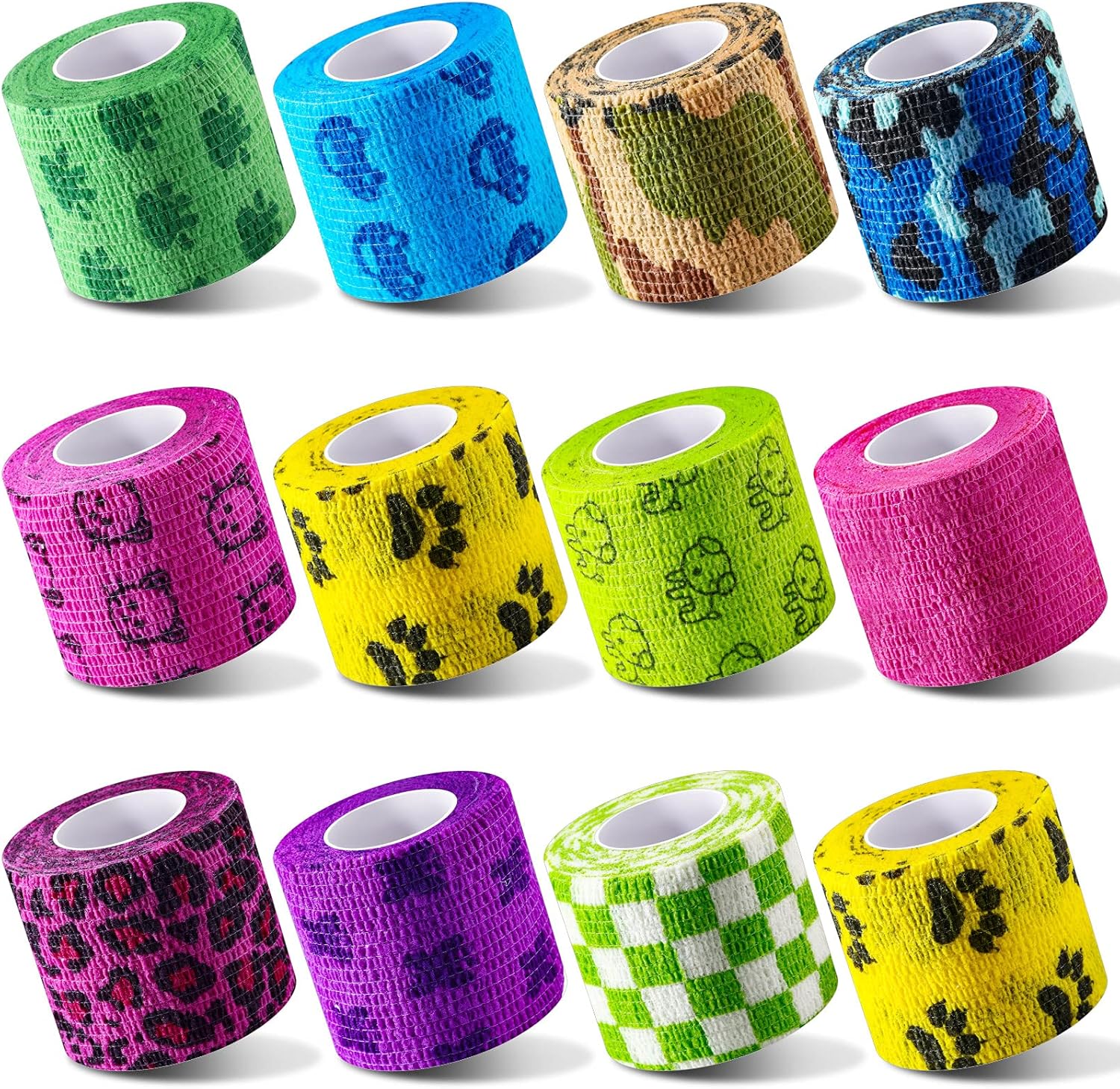 Pet Cohesive Bandage and Self-Adherent Veterinary Animal WrapSelf-adhering, latex-free veterinary wrap for dogs, cats, horses, and small animals; hand-tearable, breathable, water-resistant, and suitable for wounds, joints, and post-surgery care.View Product →
Keeping the Wrap On: Self-Trauma and Daily Checks
The most common reason a cat bandage fails is the cat, not the wrap.
A cat that licks or chews at a bandage will loosen the edge, then unravel the whole structure. That self-trauma also delays healing and raises the risk of infection at the site. Three measures address it: enough overlap in the outer layer that one loose end does not undo the wrap, an Elizabethan collar where the clinician recommends one, and a bitter coating on the outer layer.
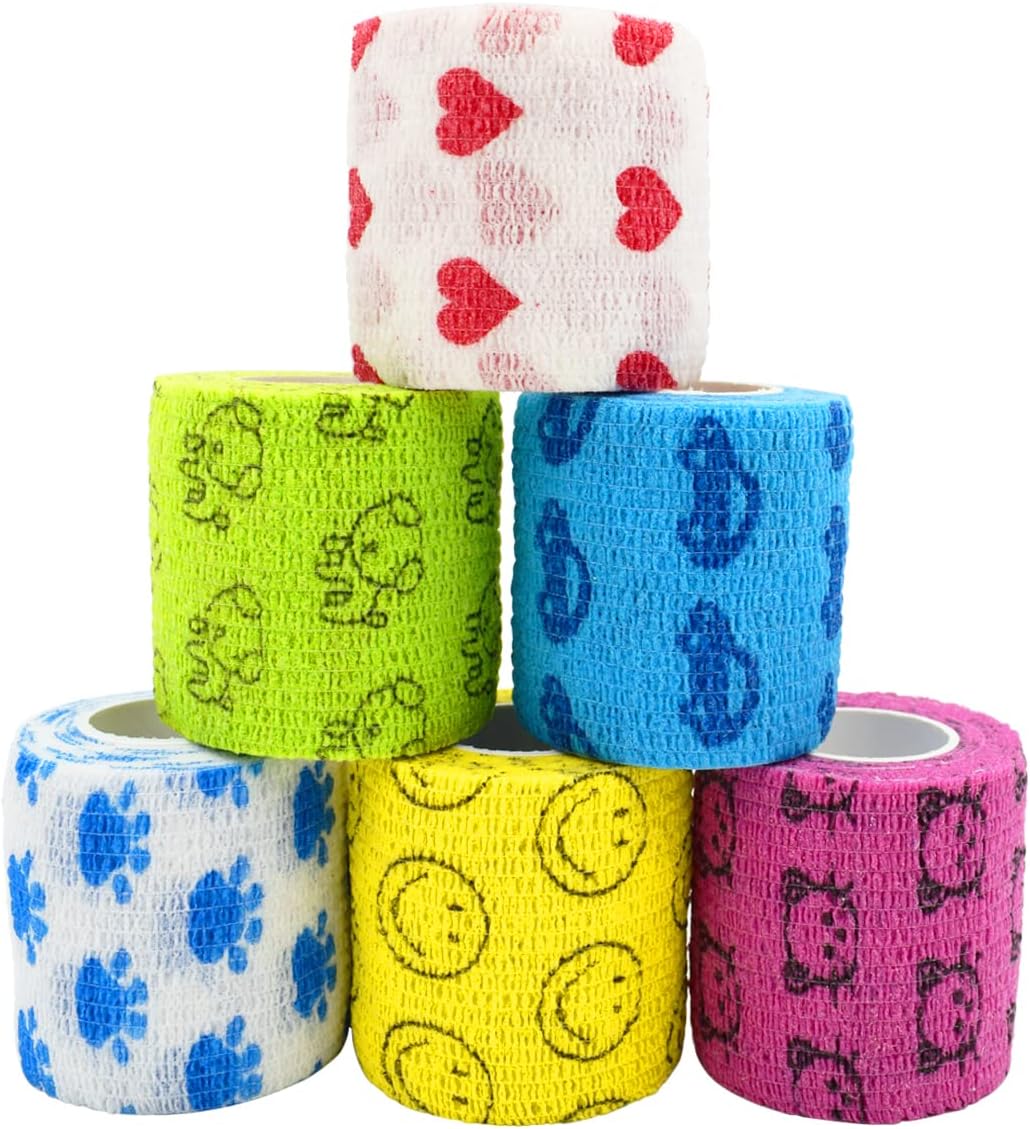 Bitter Vet Wrap Elastic Self-Adhesive Veterinary Cohesive BandageBitter-tasting self-adherent wrap that discourages chewing; breathable, water-resistant, available latex-free, hand-tearable, and suited to wound care on dogs and other pets.View Product →
A daily check takes under a minute and catches nearly every problem early.
- Compare the toes or the skin below the wrap with the other side and look for swelling.
- Make sure the wrap has not slipped, twisted, or opened a gap at a joint.
- Smell the wrap and check for discharge or staining.
- Watch how the cat walks, eats and uses the litter tray.
- Replace a wet, soiled or chewed wrap instead of patching it.
Sourcing Cat Bandages for Clinics, Pharmacies and Private Label
Buyers in the veterinary channel settle four specifications before anything else: material, adhesive, edge and packaging.
Non-woven polypropylene for the standard veterinary wrap, cotton for sensitive-skin lines, laminated non-woven where the wrap has to carry a dressing on its own.
Latex-free synthetic systems dominate clinic tenders in Europe and North America; natural rubber still wins on tack and price in other markets.
Hand-tear zigzag edges for fast clinic use, straight edges for clean machine wrapping, and jumbo rolls for buyers who convert their own.
Single-roll bags, dispenser boxes, clinic cartons and printed outer wraps; pet-facing lines usually add colour or a printed pattern.
The core feline SKUs stay narrow and long: 2.5 cm and 5 cm widths on 4.5 m rolls, in single colours, with a latex-free formulation and a printed core. Everything else is optional. A custom OEM or ODM bandage program handles material, size, adhesive, coating and packaging in one place, which is usually cheaper than assembling the same range from several suppliers. Narrow rolls also travel well across categories: the same wrap that pads a feline limb reappears in taping materials for veterinary rehabilitation, so one set of tooling and packaging covers several product lines.
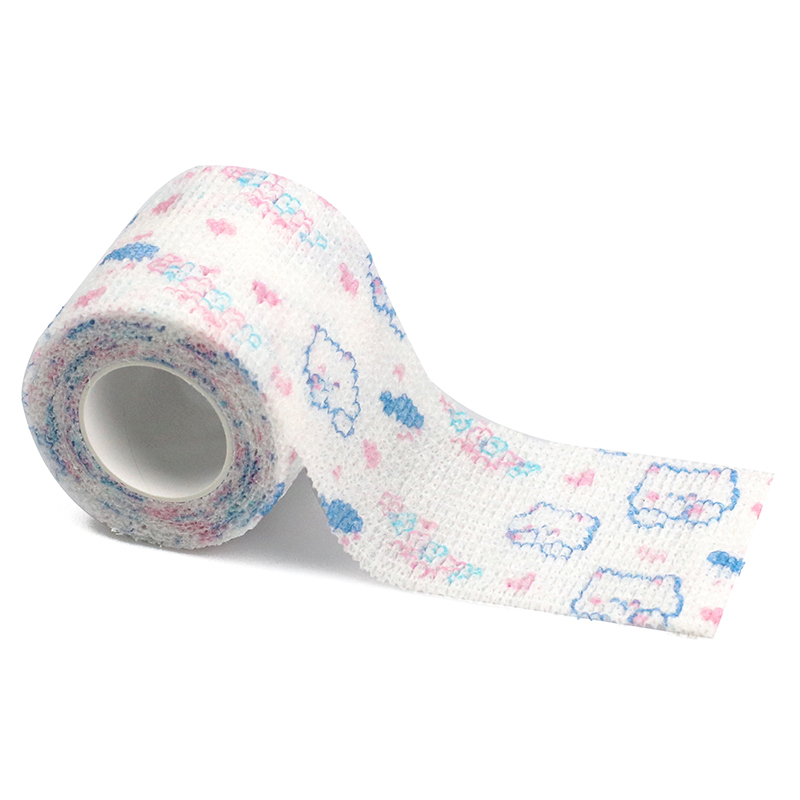 Animal Patterned Non-Woven Self-Adhering Cohesive Elastic Pet BandageSelf-adhering elastic pet wrap with animal-inspired patterns; breathable non-woven fabric provides gentle compression, no sticky residue, and suits narrow feline limb or veterinary taping use.View Product →
Questions Buyers and Owners Ask
Can I use a human adhesive bandage on a cat?
Generally no. Adhesive strips bond to fur, do not follow a tapered feline limb, and a fragment chewed free and swallowed becomes a foreign-body risk. The usual alternative is a cohesive wrap over a padded dressing, sized for the site.
What width of bandage does a cat need?
2.5 cm for paws, tails and small limbs, and 5 cm for limb, ear and torso wraps. Anything wider than 5 cm is rarely useful on a four-kilogram patient; 7.5 cm is used mainly for large torso wraps.
How often should a cat's bandage be changed?
The schedule is a clinical decision, set by the veterinarian who placed the bandage. In practice the wrap is checked at least once a day and replaced on that schedule, while a wet, soiled or chewed wrap is replaced straight away rather than patched.
Are self-adhesive bandages safe for cats?
A cohesive wrap is designed to adhere to itself rather than to skin, and latex-free versions reduce the chance of a sensitivity reaction. It still needs a contact layer over any open wound, and it should never be applied tightly enough to leave a mark in the padding.
Share:
RECOMMENDED PRODUCTS
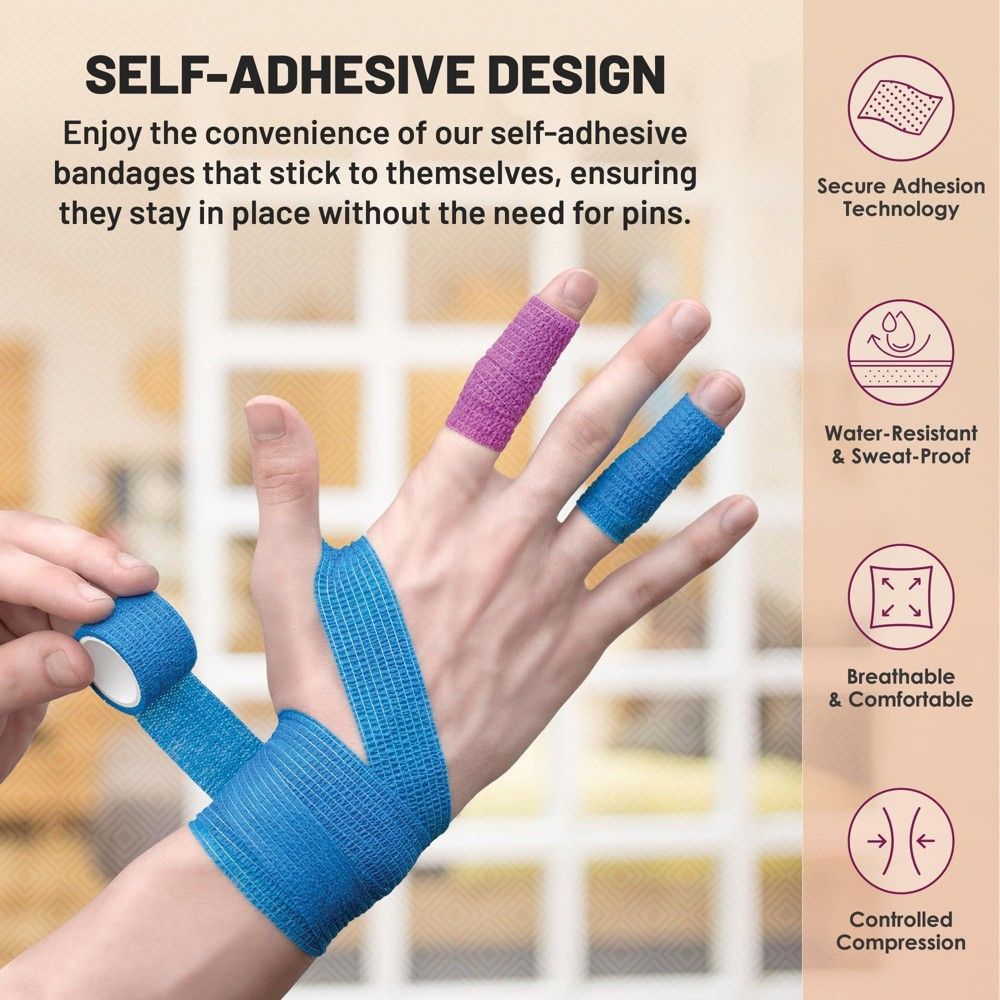

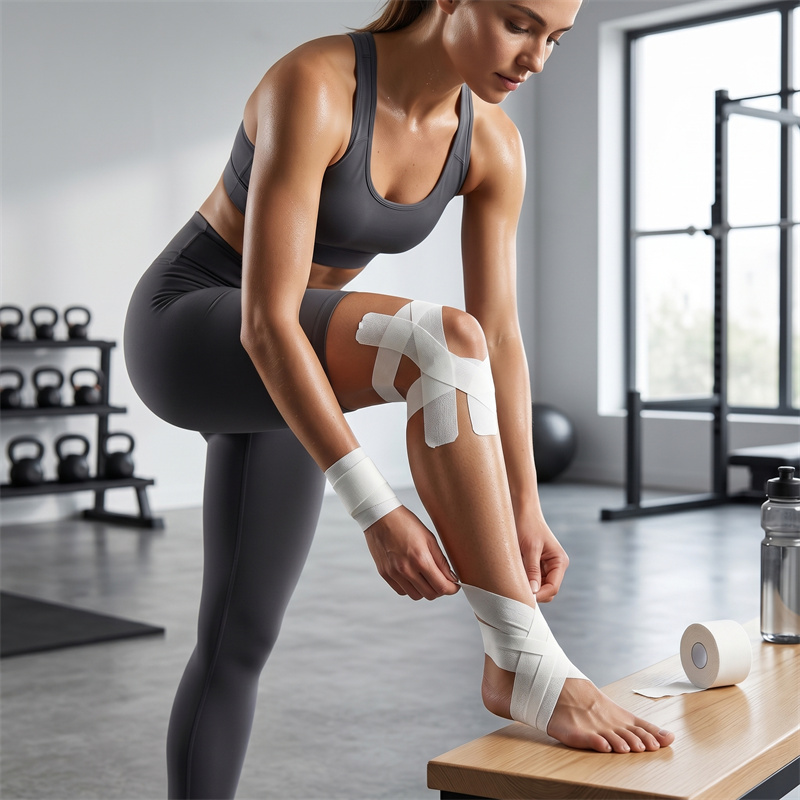
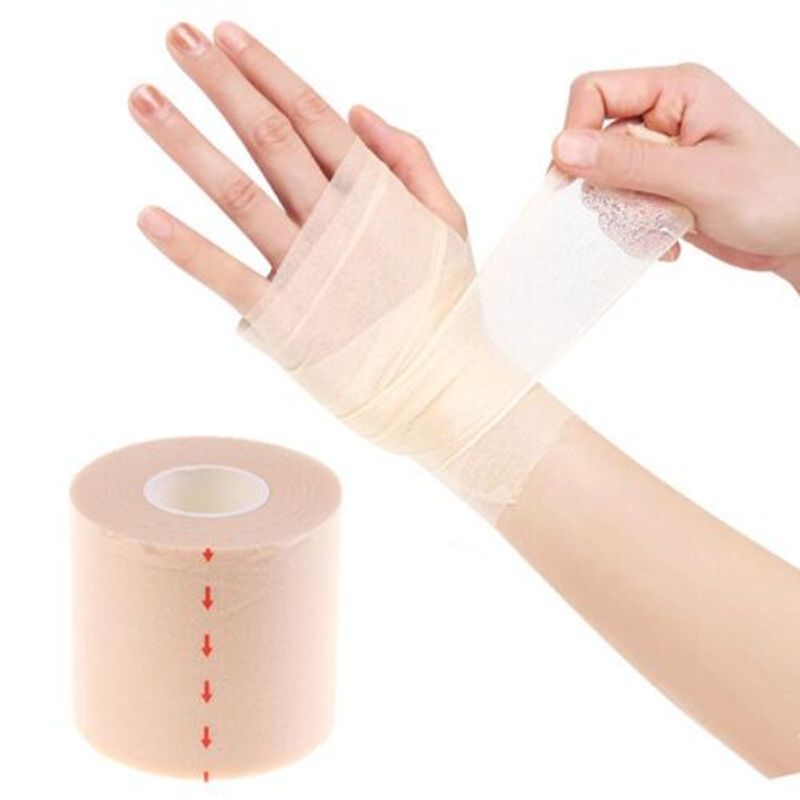

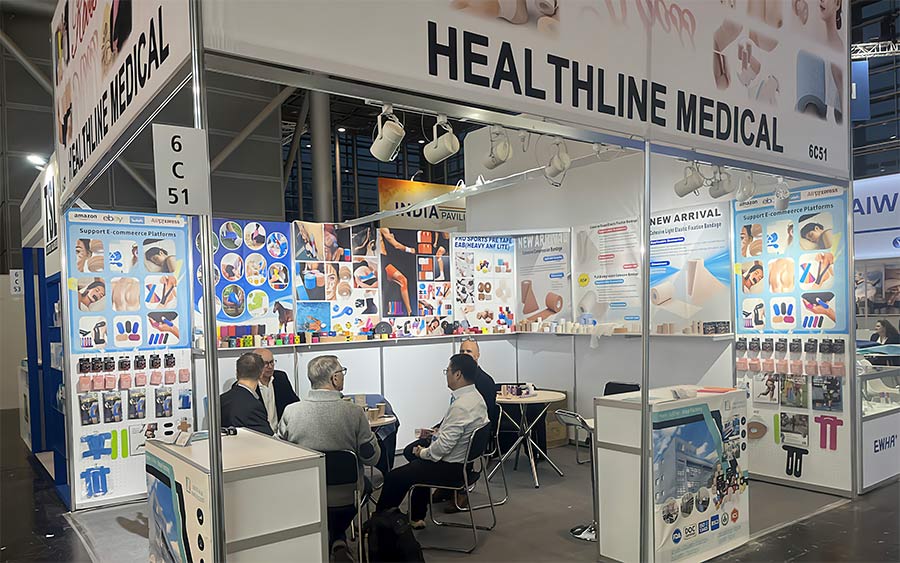
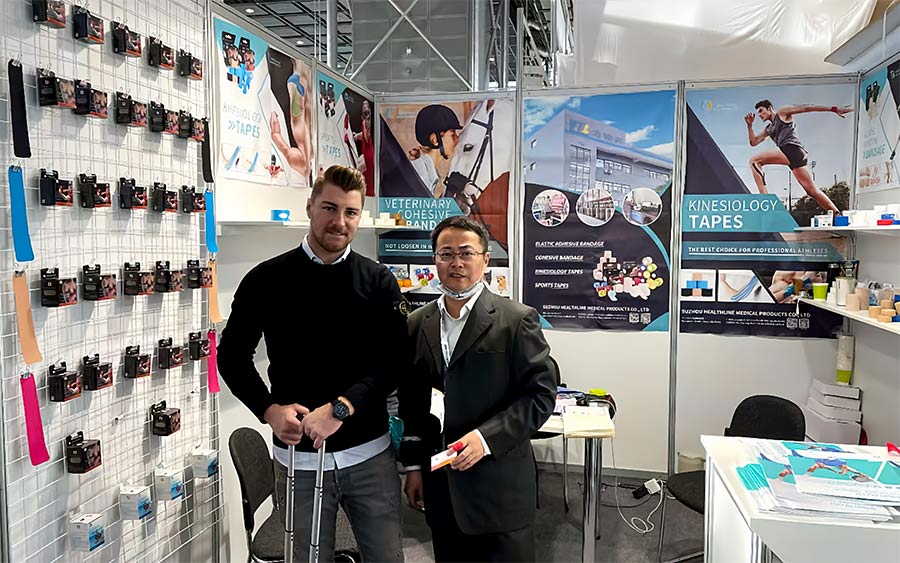
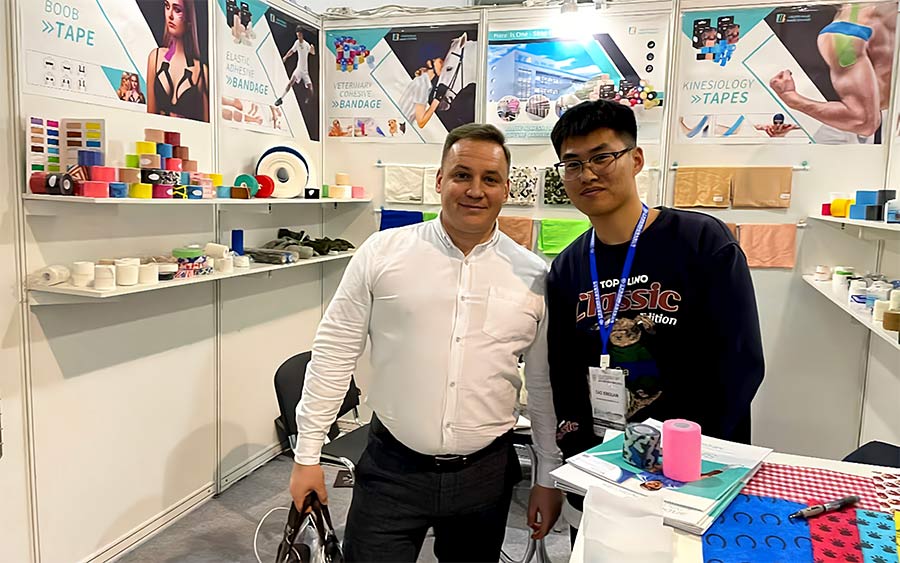
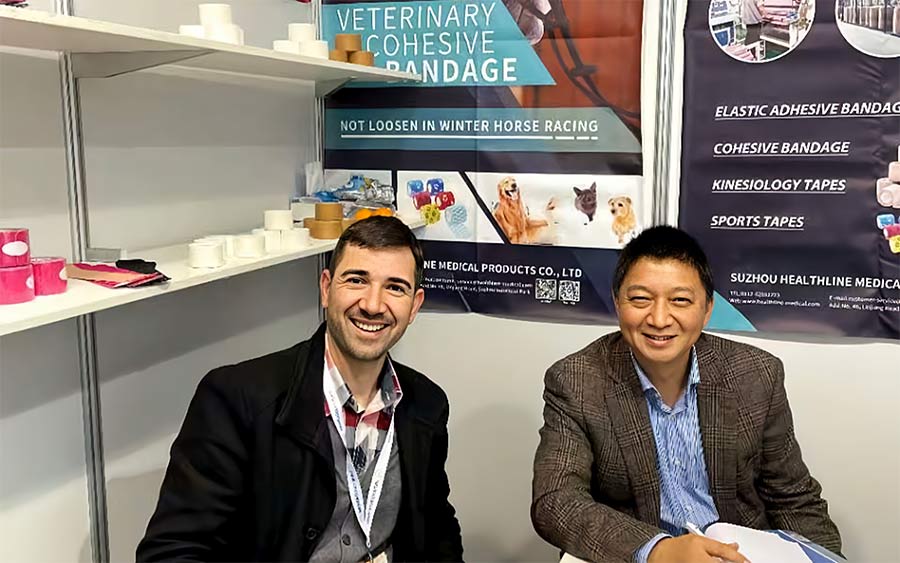
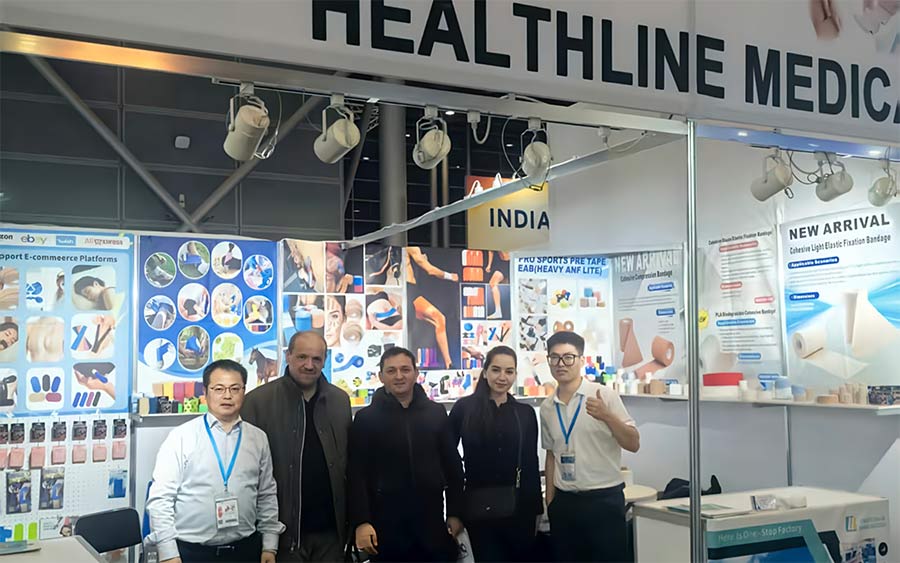
Driven by uncompromising quality, competitive value, and customer-centric service, Healthline’s products are now present in over 50 countries and regions across the globe. As a dedicated OEM/ODM manufacturer of medical cohesive bandages and sports tape, we serve a diverse client portfolio—including hospitals and clinics,veterinary,authorized distributors, government procurement agencies, national pharmacy chains, and retail supermarkets,on-line Amazon,Lotte & Tiktok e-commerce industry .
We are proud to be the long-term OEM/ODM partner for globally recognized names such as Target, CVS, Aldi, Lidl, Carrefour,Tesco, Alliance Boots,Deathlon,Covetrus and Kruuse. Our annual sales volume has maintained a steady year-over-year growth of 15% for consecutive years—a testament to the trust our partners place in us.
In today’s competitive global market, we believe sustainable success comes from continuously delivering superior products and responsive service at a fair price. This philosophy has guided Healthline for three decades, and we are committed to repaying your trust with solutions that help your business grow.



























- Ethan Zhang
- Tel:+86-512-6289 3223
- Mob:+86-19822909189
- Email:ethanzhang@healthline-medical.com
- Whatsapp / Wechat:+86-19822909189
- Skype:+86-19822909189
- Asher.cao
- Tel:+86-512-6289-3223
- Mob:+86-17625487782
-
Email:ethanzhang@healthline-medical.com
+86-18305276521 Di.tian@healthline-medical.com
- Whatsapp / Wechat:+86-17625487782
- Skype:+86-17625487782
- Jason Zhang
- Tel:+86-512-6289 3223
- Mob:+86-13152123359
- Email:jason@healthline-medical.com
- Whatsapp / Wechat:+86-13152123359
Copyright © 2025 SUZHOU HEALTHLINE MEDICAL PRODUCTS CO., LTD
All Rights Reserved.
 Sports Tape Manufacturers Cohesive Bandages Suppliers
The information provided on this website is intended for use only in countries and jurisdictions outside of the People's Republic of China.


