
 English
 Español
 русский
 عربى
عربى

- Cotton Kinesiology Tape
- Synthetic Kinesiology Tape
- Nylon Kinesiology Tape
- 4-Way Stretch Elastic Kinesiology Tape
- Standard Kinesiology Tape Roll
- Pre-Cut Kinesiology Tape Strips
- Printed / Pattern Kinesiology Tape
- Perforated Kinesiology Tape (Ventilated)
- Special Shape Kinesiology Tape
- Water-Resistant Kinesiology Tape
- Pregnancy Support Tape
- Face Lift Kinesiology Tape
- Gentle / Beauty Kinesiology Tape
- Veterinary Kinesiology Tape
- Breast Lift Tape
- Customized Kinesiology Tape
- Pre-cut I Strip Kinesiology Tape
- Pre-cut Y Strip Kinesiology Tape
- Pre-cut X Strip Kinesiology Tape
- Knee Kinesiology Tape
- Leg Kinesiology Tape
- Shoulder Kinesiology Tape
- Back Kinesiology Tape
- Waist Kinesiology Tape
- Ankle Kinesiology Tape
- Pregnancy Belly Tape
- Beauty Face Tape
- Solid Color Cohesive Bandage Roll
- Printed & Pattern Cohesive Bandage
- Non-Woven Self-Adhesive Bandage
- Cotton Self-Adhesive Bandage
- PBT Gauze Cohesive Bandage Rolls
- Pet Vet Wrap
- Horse and Cattle Self-Adhesive Bandage
- Veterinary Cohesive Bandage
- Camo Cohesive Wrap Tape
- Military and Tactical Cohesive Bandage
- Tattoo Grip Tape
- Latex Cohesive Bandage
- Latex-Free Cohesive Bandage
- Pet Laminated Self-Adhesive Bandage
- High-Tensile Cohesive Bandage
- Football Sock Wrap Self-Adhesive Bandage
- Sterile Cohesive Bandage
- Special Function Cohesive Bandage
- OEM / Bulk Cohesive Bandage Roll
- Rigid Strapping Tape
- Athletic Tape
- Zinc Oxide Sports Tape
- Rayon Rigid Sports Tape
- Sports Strapping Tape
- Finger Bob Bandages
- Boxing Tape
- Heavyweight Elastic Adhesive Bandage (EAB)
- 93 Cotton Heavyweight Elastic Adhesive Bandages(EAB)
- Athletic Heavyweight Elastic Adhesive Bandage (EAB)
- Lightweight Elastic Adhesive Bandage (EAB)
- Athletic Lightweight Elastic Adhesive Bandage (EAB)
- American Style Elastic Adhesive Bandage (EAB)
- Japanese Style Elastic Adhesive Bandage (EAB)
- Elastic Adhesive Compression Bandage
- Veterinary Elastic Adhesive Bandage (EAB)
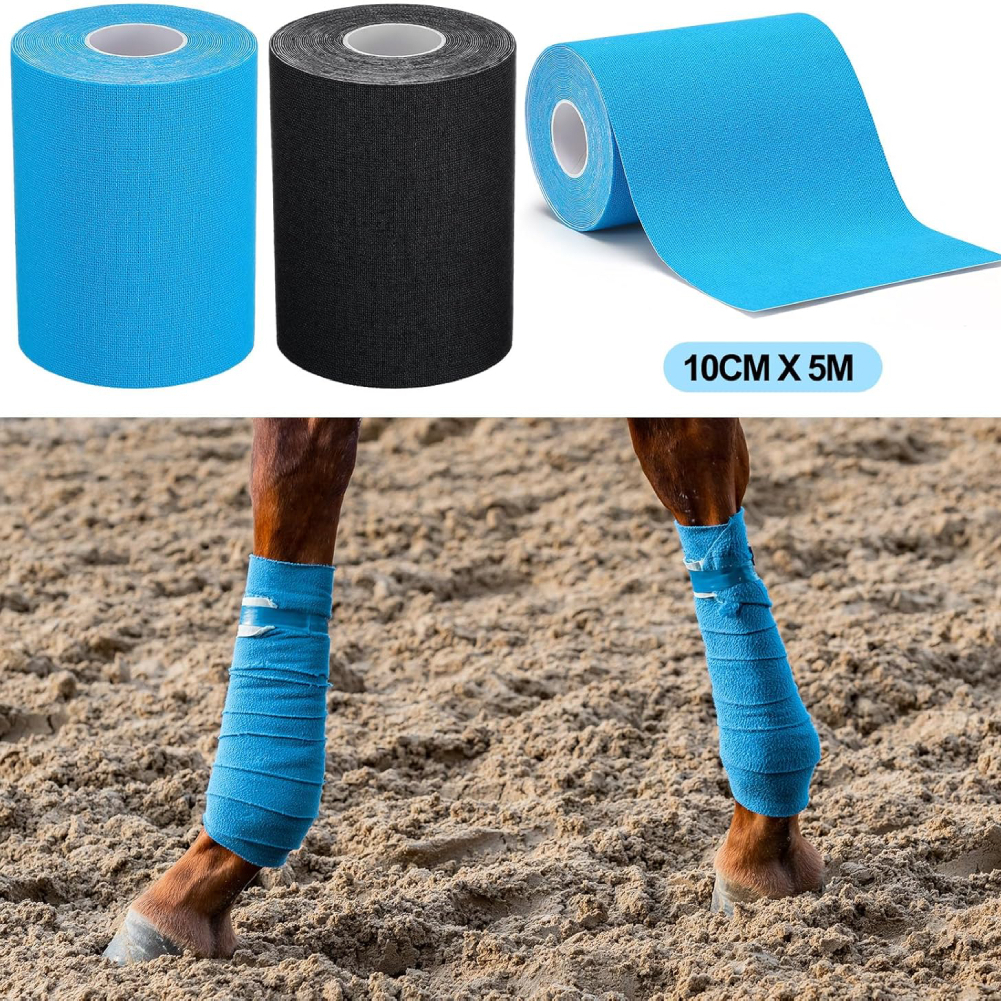
Taping Materials in Veterinary Rehab: An Emerging Use Case for Pet Injury Care
Content
Why Taping Is Moving Into Veterinary Rehab
A dog recovering from cruciate ligament surgery and a horse coming back from a soft tissue strain now show up in the same conversation vets are having about taping materials. What started as a human sports medicine tool has quietly become part of standard rehab protocols for animals, sitting alongside laser therapy and controlled exercise.
The shift makes sense once you look at what taping actually does: support a joint or muscle group without immobilizing it completely, the way a rigid splint would. For animals recovering from soft tissue injuries or post-op procedures, that middle ground between full immobilization and no support at all is exactly what rehab protocols need.
Two material categories are driving this trend: kinesiology tape adapted for animal use, and cohesive self-adherent wraps used for stabilization and light compression. They solve different problems and rarely get discussed together, even though most rehab practices end up stocking both.
Kinesiology Tape Adapted for Fur and Movement
Human kinesiology tape sticks directly to skin. Veterinary applications rarely have that luxury, since fur sits between the adhesive and the surface it needs to hold. That single difference has driven most of the redesign work in this category, pushing manufacturers toward thicker backing and stronger, animal-specific adhesive formulations that can grip through hair without losing hold during movement.
Larger animals add another layer of difficulty. A horse's leg covers far more surface area than a human joint, and the tape needs to stay anchored through significantly more movement and weight-bearing stress. That's where a horse-fixed kinesiology tape built for larger animal anatomy earns its place in an equine rehab kit, since standard human-sized rolls simply don't cover the area or hold up to the load.
Applied correctly, the tape lifts the skin layer slightly, creating space that supports fluid movement and reduces localized swelling around an injured joint or muscle group.
Cohesive Wraps for Post-Injury Stabilization
Kinesiology tape isn't built for every rehab scenario. When a joint needs firmer stabilization, or when a wound dressing needs to stay protected during an active recovery period, cohesive wraps take over. These self-adherent bandages stick only to themselves, not to fur or skin, which makes them far easier to remove and reapply than adhesive tape.
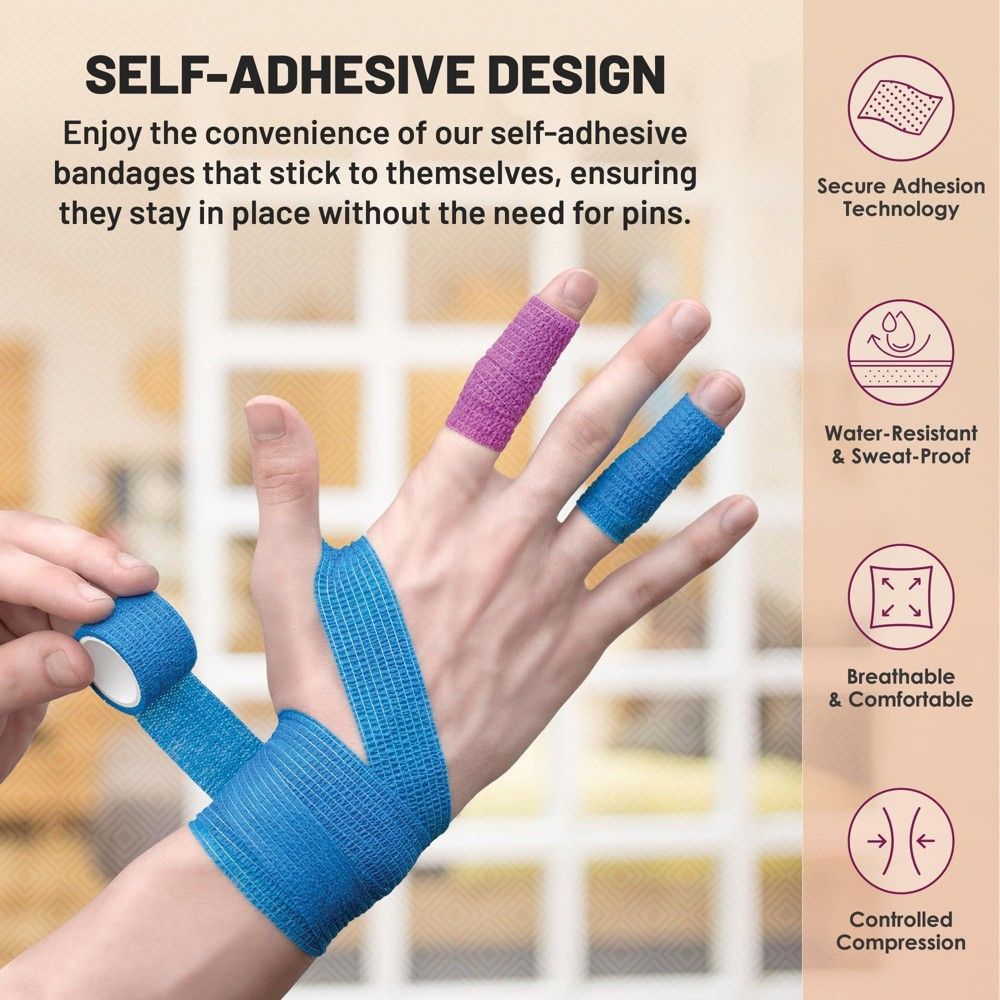
For dogs and cats recovering from limb injuries, a pet cohesive bandage designed as a vet self-adherent wrap gives practices a fast option for daily rebandaging without the adhesive residue or fur pulling that comes with standard medical tape.
Larger animals need a heavier-duty version of the same concept. A horse bandage in non-woven elastic cohesive construction holds up under the tension and movement that equine limbs generate, without sacrificing the breathability that longer wear periods require.
Designing Against Chewing and Removal
Anyone who has bandaged a dog knows the real challenge isn't application, it's keeping the animal from removing the wrap within the hour. Pets treat bandages as foreign objects, and chewing or licking at a wrap can undo hours of careful rehab work in minutes.
A bitter taste built into the material solves this more reliably than any wrapping technique. A bitter-flavored vet wrap designed to discourage chewing addresses this directly, cutting down on the repeat rebandaging that eats into both clinic time and recovery consistency.
This kind of design detail matters more in rehab than in one-off wound care, since taping materials in rehab settings often stay on for days at a stretch rather than a single visit.
What Rehab Practices Should Look for in Supply
Practices building out a taping protocol need consistency across rolls more than they need novelty. A wrap that stretches differently batch to batch throws off tension control, which matters when a tech is applying compression at a specific pressure for a specific injury.
Variety in pattern and color also has a practical role, not just an aesthetic one, since color-coding by injury type or patient helps busy rehab teams track wraps at a glance. A veterinary-patterned non-woven self-adhering cohesive pet bandage supports that kind of visual system while keeping the same self-adherent performance the rest of the wrap line offers.
As taping continues moving from a niche technique into a standard part of veterinary rehab, sourcing decisions built around material consistency and animal-specific design will matter more than chasing the newest product on the shelf.
Share:
RECOMMENDED PRODUCTS


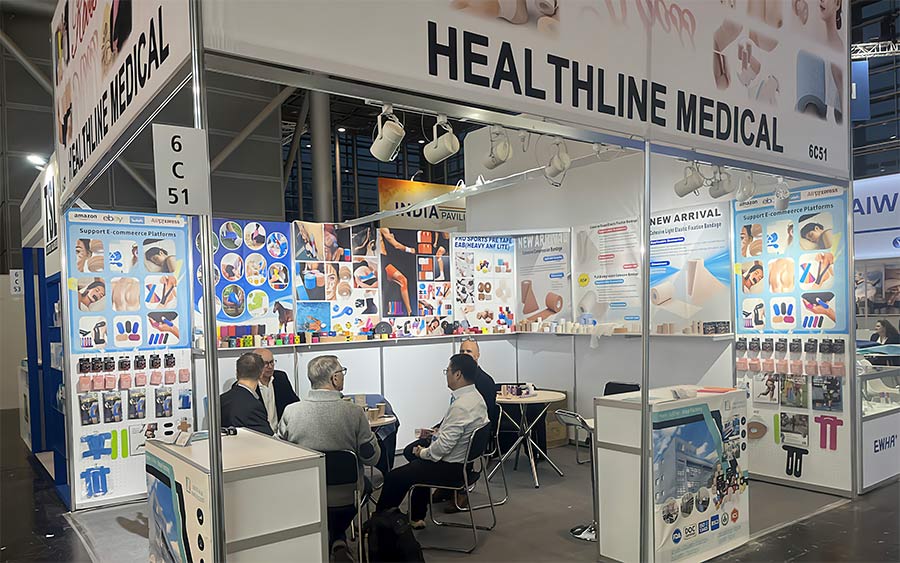
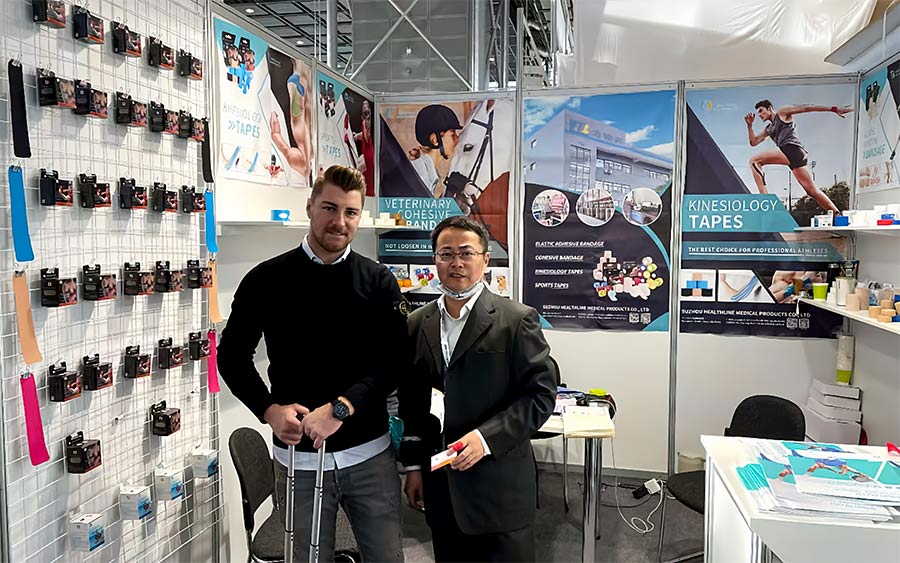
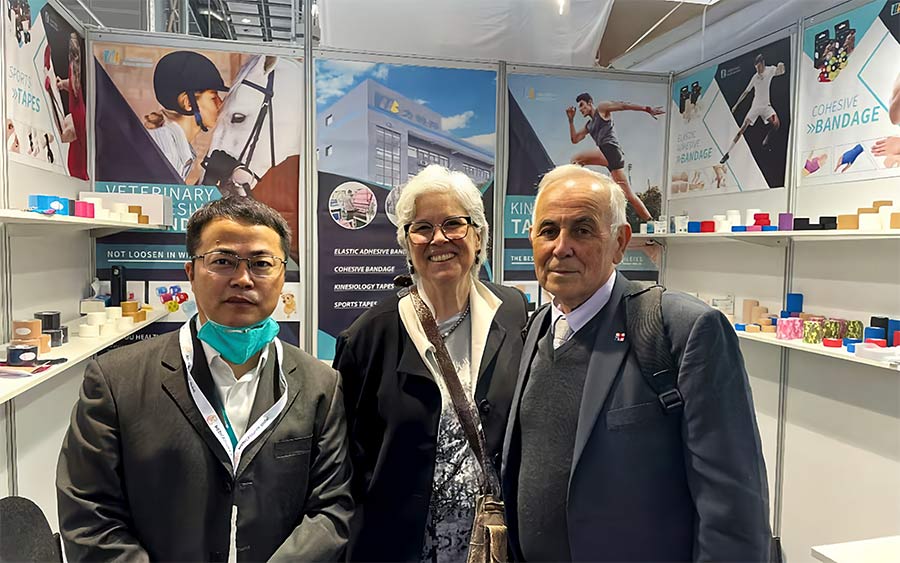
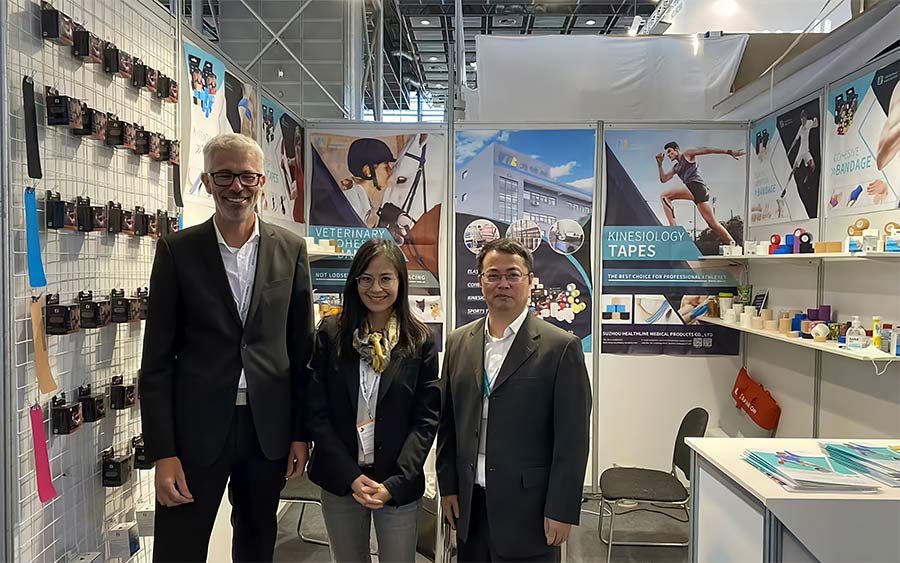
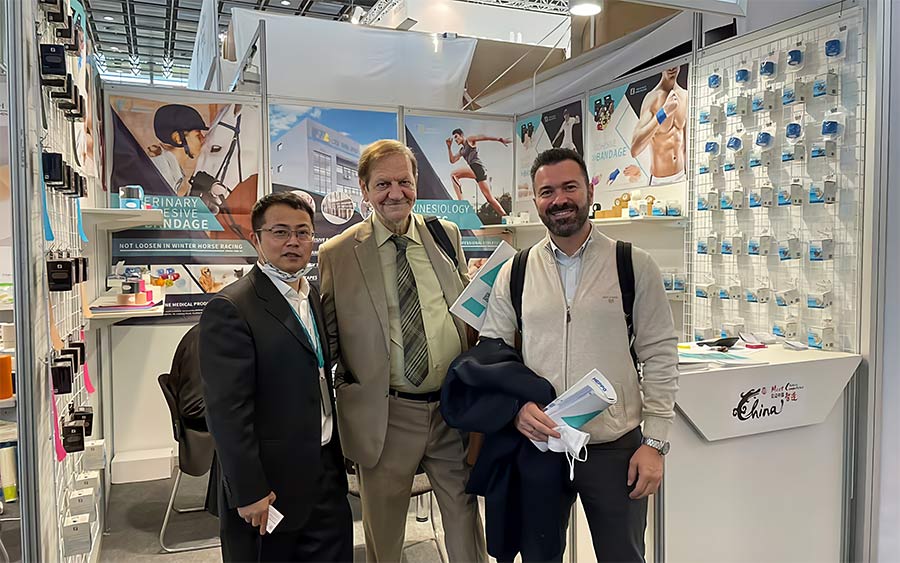
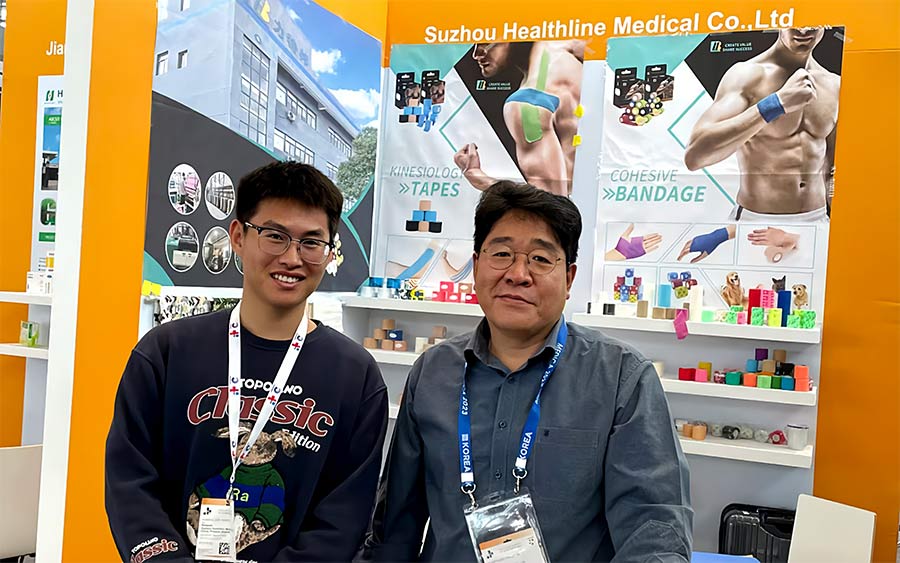
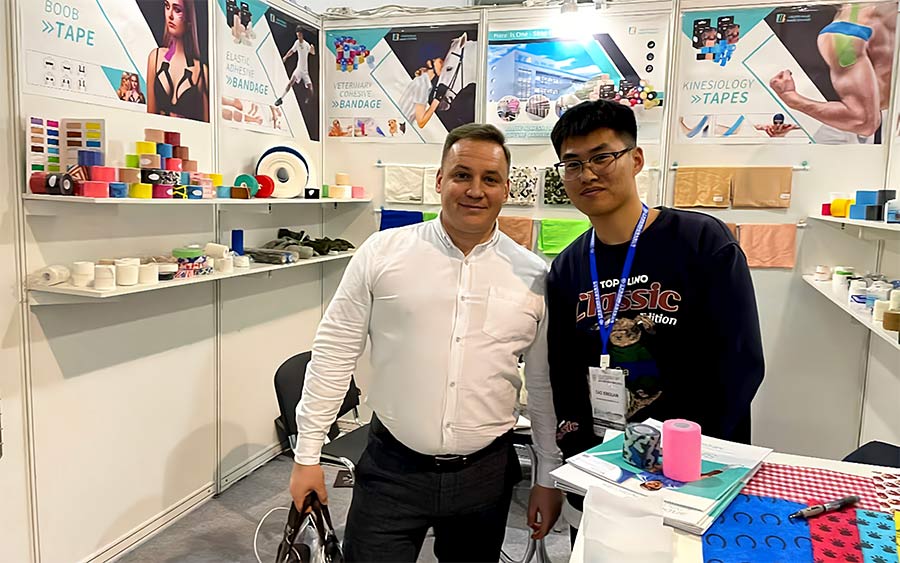
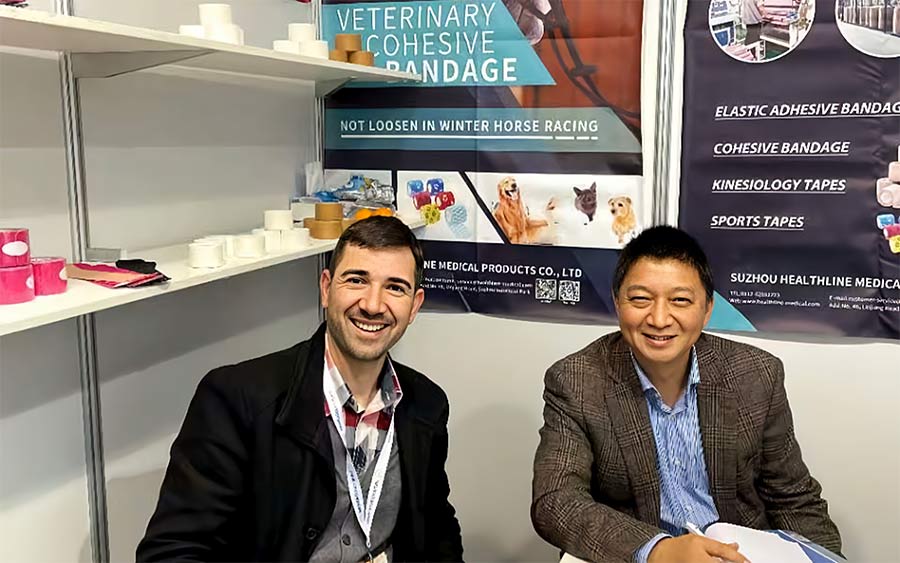
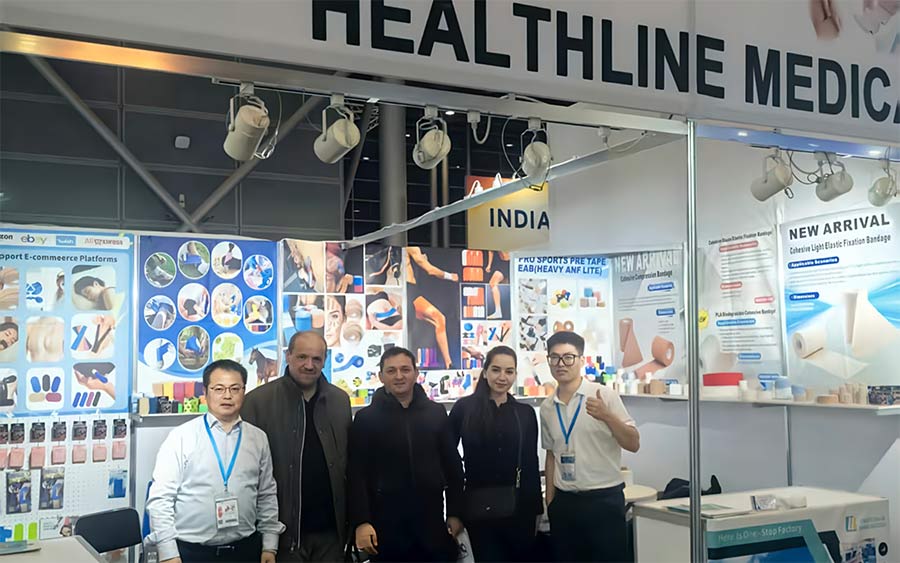
Driven by uncompromising quality, competitive value, and customer-centric service, Healthline’s products are now present in over 50 countries and regions across the globe. As a dedicated OEM/ODM manufacturer of medical cohesive bandages and sports tape, we serve a diverse client portfolio—including hospitals and clinics,veterinary,authorized distributors, government procurement agencies, national pharmacy chains, and retail supermarkets,on-line Amazon,Lotte & Tiktok e-commerce industry .
We are proud to be the long-term OEM/ODM partner for globally recognized names such as Target, CVS, Aldi, Lidl, Carrefour,Tesco, Alliance Boots,Deathlon,Covetrus and Kruuse. Our annual sales volume has maintained a steady year-over-year growth of 15% for consecutive years—a testament to the trust our partners place in us.
In today’s competitive global market, we believe sustainable success comes from continuously delivering superior products and responsive service at a fair price. This philosophy has guided Healthline for three decades, and we are committed to repaying your trust with solutions that help your business grow.







- Asher.cao
- Tel:+86-512-6289 3223
- Mob:+86-176 2548 7782
- Email:Asher.cao@healthline-medical.com
- Whatsapp / Wechat:+86-176 2548 7782
- Skype:+86-176 2548 7782
- Ethan Zhang
- Tel:+86-512-6289 3223
- Mob:+86-19822909189
- Email:ethanzhang@healthline-medical.com
- Whatsapp / Wechat:+86-19822909189
- Skype:+86-19822909189
- Jason Zhang
- Tel:+86-512-6289 3223
- Mob:+86-13152123359
- Email:jason@healthline-medical.com
- Whatsapp / Wechat:+86-13152123359
Copyright © 2025 SUZHOU HEALTHLINE MEDICAL PRODUCTS CO., LTD
All Rights Reserved.
 Sports Tape Manufacturers Cohesive Bandages Suppliers
The information provided on this website is intended for use only in countries and jurisdictions outside of the People's Republic of China.


