
 English
 Español
 русский
 عربى
عربى

- Cotton Kinesiology Tape
- Synthetic Kinesiology Tape
- Nylon Kinesiology Tape
- 4-Way Stretch Elastic Kinesiology Tape
- Standard Kinesiology Tape Roll
- Pre-Cut Kinesiology Tape Strips
- Printed / Pattern Kinesiology Tape
- Perforated Kinesiology Tape (Ventilated)
- Special Shape Kinesiology Tape
- Water-Resistant Kinesiology Tape
- Pregnancy Support Tape
- Face Lift Kinesiology Tape
- Gentle / Beauty Kinesiology Tape
- Veterinary Kinesiology Tape
- Breast Lift Tape
- Customized Kinesiology Tape
- Pre-cut I Strip Kinesiology Tape
- Pre-cut Y Strip Kinesiology Tape
- Pre-cut X Strip Kinesiology Tape
- Knee Kinesiology Tape
- Leg Kinesiology Tape
- Shoulder Kinesiology Tape
- Back Kinesiology Tape
- Waist Kinesiology Tape
- Ankle Kinesiology Tape
- Pregnancy Belly Tape
- Beauty Face Tape
- Solid Color Cohesive Bandage Roll
- Printed & Pattern Cohesive Bandage
- Non-Woven Self-Adhesive Bandage
- Cotton Self-Adhesive Bandage
- PBT Gauze Cohesive Bandage Rolls
- Pet Vet Wrap
- Horse and Cattle Self-Adhesive Bandage
- Veterinary Cohesive Bandage
- Camo Cohesive Wrap Tape
- Military and Tactical Cohesive Bandage
- Tattoo Grip Tape
- Latex Cohesive Bandage
- Latex-Free Cohesive Bandage
- Pet Laminated Self-Adhesive Bandage
- High-Tensile Cohesive Bandage
- Football Sock Wrap Self-Adhesive Bandage
- Sterile Cohesive Bandage
- Special Function Cohesive Bandage
- OEM / Bulk Cohesive Bandage Roll
- Rigid Strapping Tape
- Athletic Tape
- Zinc Oxide Sports Tape
- Rayon Rigid Sports Tape
- Sports Strapping Tape
- Finger Bob Bandages
- Boxing Tape
- Heavyweight Elastic Adhesive Bandage (EAB)
- 93 Cotton Heavyweight Elastic Adhesive Bandages(EAB)
- Athletic Heavyweight Elastic Adhesive Bandage (EAB)
- Lightweight Elastic Adhesive Bandage (EAB)
- Athletic Lightweight Elastic Adhesive Bandage (EAB)
- American Style Elastic Adhesive Bandage (EAB)
- Japanese Style Elastic Adhesive Bandage (EAB)
- Elastic Adhesive Compression Bandage
- Veterinary Elastic Adhesive Bandage (EAB)
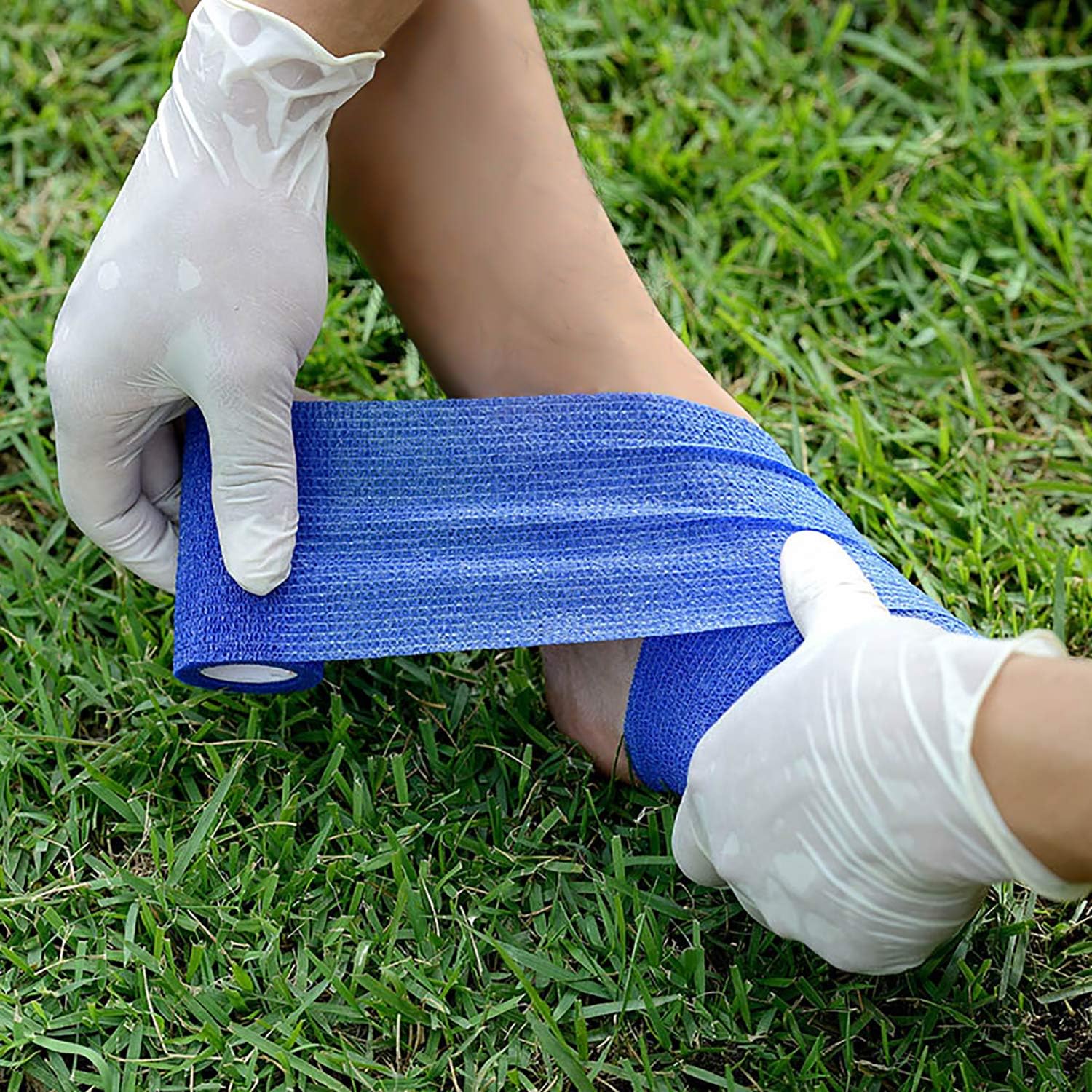
Secondary Fixation Materials Beyond Plaster: Lightweight Alternatives for Orthopedic Care
Content
Where Plaster Falls Short in Secondary Fixation
A patient leaves the clinic with a splint held in place by a plaster-impregnated bandage, and within a day the wrap has stiffened into a shape that no longer matches the swelling underneath. That's the core problem with plaster in secondary fixation: it sets once and stays set, even as the limb it's holding changes shape.
Plaster wraps also trap heat and moisture against the skin. For short-term rigid casting that trade-off is manageable. For securing dressings, stabilizing a splint, or maintaining compression over several days, it becomes a source of skin irritation and repeat clinic visits just to rewrap.
None of this touches the primary cast itself, which still has legitimate uses. The issue is narrower: plaster-based materials are a poor fit for the ongoing, adjustable support work that secondary fixation actually requires.
What Lightweight Elastic Materials Offer Instead
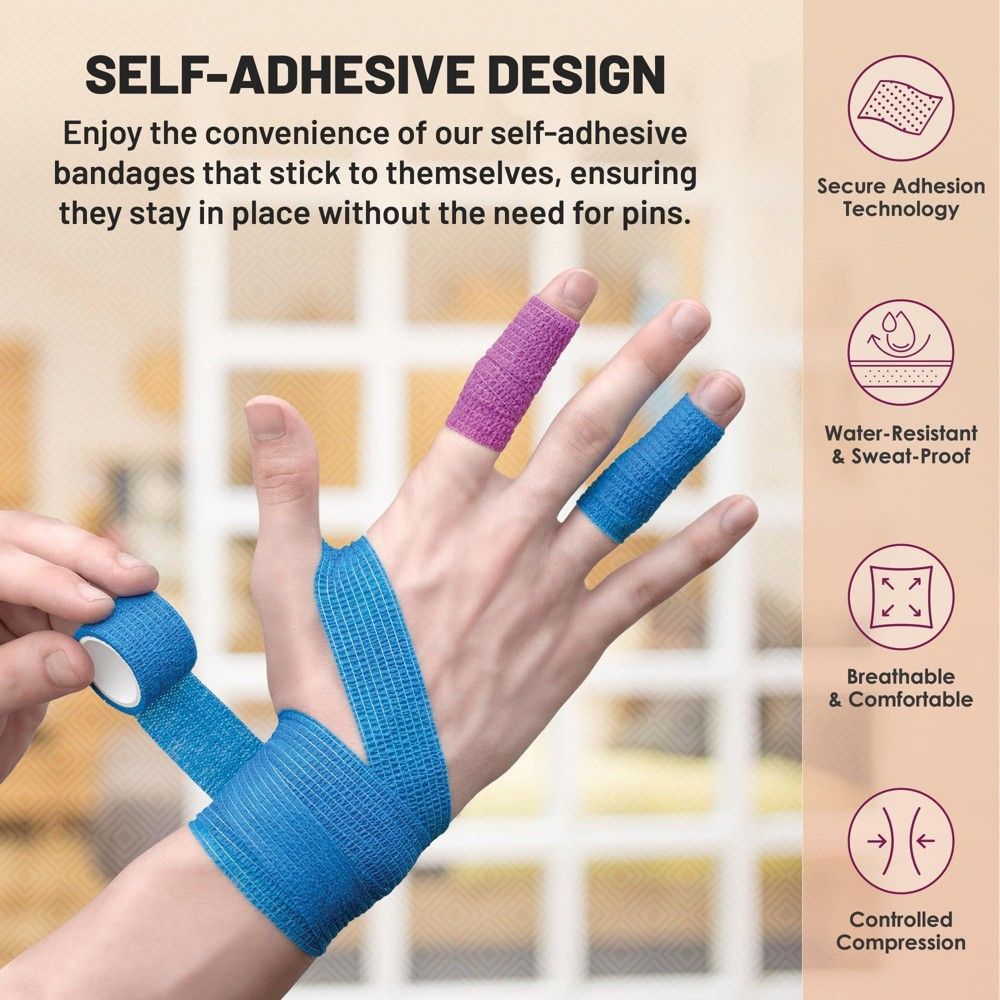
Elastic and cohesive bandages solve the adjustment problem directly. They stretch to accommodate swelling, hold their position through self-adherence rather than a chemical set, and can be unwrapped and reapplied without cutting. That last point matters more than it sounds: a nurse checking a wound or adjusting tension doesn't need to destroy the fixation to do it.
Clinics moving away from plaster for this purpose typically start with a full range of elastic self-adhesive bandage for secondary fixation, since the format covers most day-to-day wrapping needs without requiring a separate product for every limb size or injury type.
Breathability is the other half of the equation. Open-weave, non-woven constructions let air reach the skin, which cuts down on the maceration and itching that plaster wraps are known for over multi-day wear.
Matching Material to Clinical Scenario
Not every secondary fixation task calls for the same bandage. Post-surgical compression wrapping benefits from a material with layered support and steady, even tension across a joint. A convolute elastic adhesive bandage for layered compression support is built for exactly that kind of graduated wrapping, where each pass needs to hold consistent pressure without slipping.
Splint stabilization asks for something different: enough elasticity to move with the limb but enough structure to keep the splint from shifting during daily activity. A high-stretch breathable support bandage for post-splint stabilization fits that middle ground, offering enough give for comfort without losing the hold a splint depends on.
Choosing between these isn't about picking a superior material overall. It's about matching stretch, breathability, and layering behavior to what the specific fixation task demands.
Latex-Free and Skin-Sensitive Considerations
Secondary fixation often stays on for days, sometimes weeks, which raises the stakes on material sensitivity in a way a two-hour procedure wrap doesn't. Latex allergies are common enough in clinical populations that natural rubber adhesives are no longer a safe default choice.
Suppliers offering cohesive bandage wrap in latex-free and natural rubber options give clinics the flexibility to stock both, matching material to patient history rather than forcing a single adhesive type across every case.
Skipping this step isn't a minor oversight when the wrap stays on for extended periods. A reaction that develops under a multi-day fixation wrap is harder to catch early and more disruptive to treat than one under a short-term dressing.
What to Look for When Sourcing These Materials
Clinics and orthopedic practices switching from plaster to elastic-based secondary fixation are usually ordering in volume, which puts batch consistency ahead of almost every other factor. A roll that stretches differently from the last shipment throws off tension control across an entire day of patient wrapping.
Facilities with non-standard sizing needs, private-label packaging requirements, or unusual order volumes should look for factory-customized medical-grade self-adhesive elastic bandage wrap as an option rather than settling for a generic catalog width that doesn't quite match their case mix.
The switch away from plaster for secondary fixation isn't a single product decision. It's a shift toward a material category built for adjustability, and sourcing it well means prioritizing consistency and fit over the lowest per-roll price.
Share:
RECOMMENDED PRODUCTS














- Asher.cao
- Tel:+86-512-6289 3223
- Mob:+86-176 2548 7782
- Email:Asher.cao@healthline-medical.com
- Whatsapp / Wechat:+86-176 2548 7782
- Skype:+86-176 2548 7782
- Ethan Zhang
- Tel:+86-512-6289 3223
- Mob:+86-19822909189
- Email:ethanzhang@healthline-medical.com
- Whatsapp / Wechat:+86-19822909189
- Skype:+86-19822909189
- Jason Zhang
- Tel:+86-512-6289 3223
- Mob:+86-13152123359
- Email:jason@healthline-medical.com
- Whatsapp / Wechat:+86-13152123359
Copyright © 2025 SUZHOU HEALTHLINE MEDICAL PRODUCTS CO., LTD
All Rights Reserved.
 Sports Tape Manufacturers Cohesive Bandages Suppliers
The information provided on this website is intended for use only in countries and jurisdictions outside of the People's Republic of China.


