
 English
 Español
 русский
 عربى
عربى

- Cotton Kinesiology Tape
- Synthetic Kinesiology Tape
- Nylon Kinesiology Tape
- 4-Way Stretch Elastic Kinesiology Tape
- Standard Kinesiology Tape Roll
- Pre-Cut Kinesiology Tape Strips
- Printed / Pattern Kinesiology Tape
- Perforated Kinesiology Tape (Ventilated)
- Special Shape Kinesiology Tape
- Water-Resistant Kinesiology Tape
- Pregnancy Support Tape
- Face Lift Kinesiology Tape
- Gentle / Beauty Kinesiology Tape
- Veterinary Kinesiology Tape
- Breast Lift Tape
- Customized Kinesiology Tape
- Pre-cut I Strip Kinesiology Tape
- Pre-cut Y Strip Kinesiology Tape
- Pre-cut X Strip Kinesiology Tape
- Knee Kinesiology Tape
- Leg Kinesiology Tape
- Shoulder Kinesiology Tape
- Back Kinesiology Tape
- Waist Kinesiology Tape
- Ankle Kinesiology Tape
- Pregnancy Belly Tape
- Beauty Face Tape
- Solid Color Cohesive Bandage Roll
- Printed & Pattern Cohesive Bandage
- Non-Woven Self-Adhesive Bandage
- Cotton Self-Adhesive Bandage
- PBT Gauze Cohesive Bandage Rolls
- Pet Vet Wrap
- Horse and Cattle Self-Adhesive Bandage
- Veterinary Cohesive Bandage
- Camo Cohesive Wrap Tape
- Military and Tactical Cohesive Bandage
- Tattoo Grip Tape
- Latex Cohesive Bandage
- Latex-Free Cohesive Bandage
- Pet Laminated Self-Adhesive Bandage
- High-Tensile Cohesive Bandage
- Football Sock Wrap Self-Adhesive Bandage
- Sterile Cohesive Bandage
- Special Function Cohesive Bandage
- OEM / Bulk Cohesive Bandage Roll
- Rigid Strapping Tape
- Athletic Tape
- Zinc Oxide Sports Tape
- Rayon Rigid Sports Tape
- Sports Strapping Tape
- Finger Bob Bandages
- Boxing Tape
- Heavyweight Elastic Adhesive Bandage (EAB)
- 93 Cotton Heavyweight Elastic Adhesive Bandages(EAB)
- Athletic Heavyweight Elastic Adhesive Bandage (EAB)
- Lightweight Elastic Adhesive Bandage (EAB)
- Athletic Lightweight Elastic Adhesive Bandage (EAB)
- American Style Elastic Adhesive Bandage (EAB)
- Japanese Style Elastic Adhesive Bandage (EAB)
- Elastic Adhesive Compression Bandage
- Veterinary Elastic Adhesive Bandage (EAB)
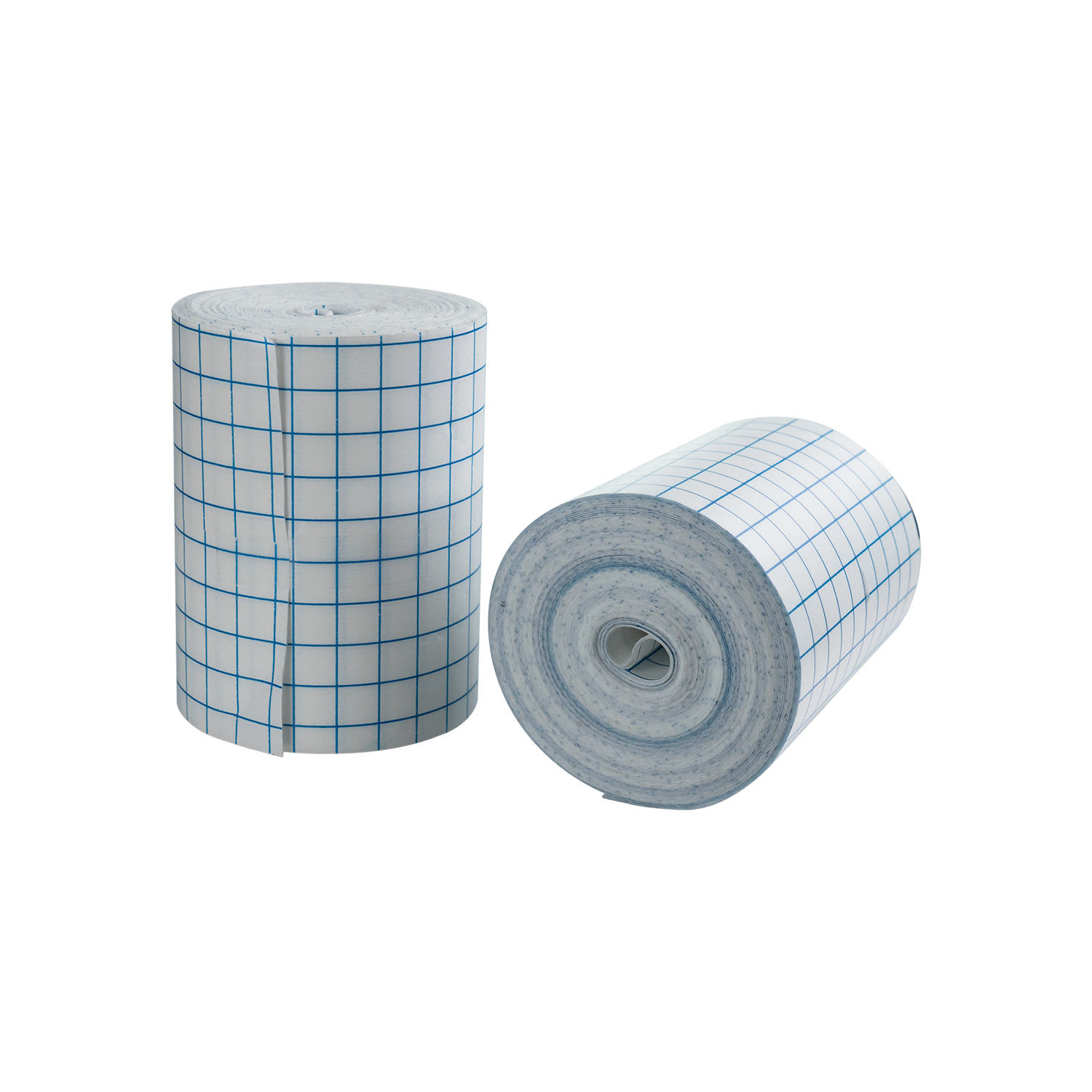
Choosing an Elastic Bandage Supplier for Pharmacy Retail: Compliance Meets Turnover
Content
What Pharmacy Buyers Actually Weigh
A regional pharmacy chain reordering elastic bandages every three weeks doesn't have room to guess. The buyer needs a supplier whose paperwork clears audit without delay and whose products move off the shelf fast enough to justify the reorder. Those two pressures rarely get discussed together, yet they drive the same decision.
Compliance failures stall a purchase order before it ever reaches the store. Slow-moving SKUs tie up shelf space that could carry higher-turnover wound care products. A supplier evaluation that only checks one box leaves the other exposed.
The most reliable way to compare vendors is to run both filters side by side: does the documentation hold up, and does the product mix match what actually sells at the register.
Compliance Documentation That Can't Be Skipped
Pharmacy retail sits under tighter scrutiny than general wholesale. A supplier should be able to produce CE marking, ISO 13485 certification, and batch-level traceability records without a multi-week back-and-forth. If that documentation takes longer than a week to surface, treat it as a signal about how the rest of the relationship will run.
Material safety data should extend beyond the bandage itself. Buyers stocking adjacent wound-care items, such as hypoallergenic medical tape for wound-care shelf sets, benefit from a supplier that applies the same documentation standard across its full catalog rather than treating certification as a one-product exercise.
A supplier who can't produce a certificate of analysis on request is a liability, not a bargain. Recalls in this category move slowly once a non-compliant batch reaches shelves.
SKU Mix and Shelf Turnover
Pharmacy shoppers buying elastic bandages are usually solving a specific, immediate problem: a sprained ankle, a wrist strain, a post-injection wrap. That means width and format variety matters more in retail than in a hospital procurement contract, where a single spec often covers most needs.
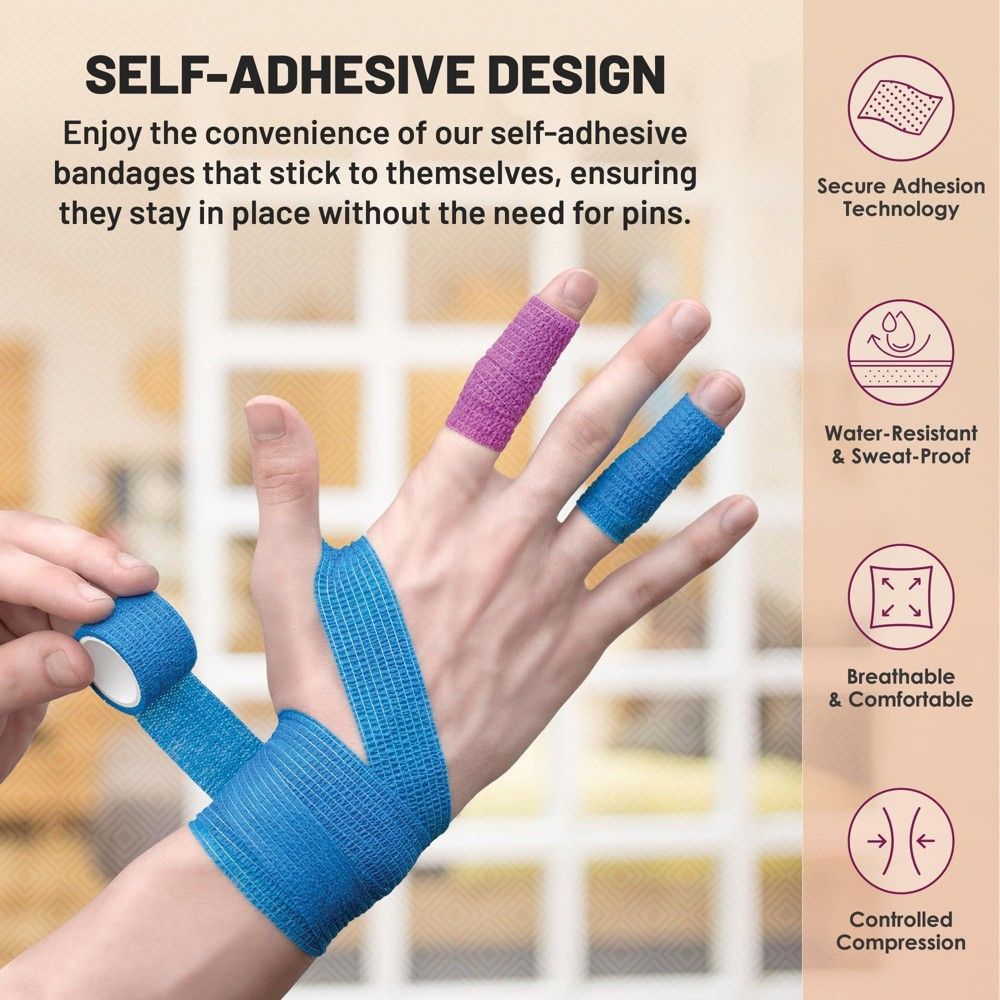
A supplier offering a wide range of elastic self-adhesive bandage widths and formats lets a buyer stock the two or three sizes that actually clear the shelf, instead of committing to a single SKU that sits half-sold. Pairing that with cotton and non-woven elastic adhesive bandage options covers both the budget-conscious shopper and the customer asking specifically for a breathable, skin-friendly material.
Narrow product ranges push buyers into carrying items that don't match local demand, which is where turnover quietly erodes.
Packaging and Point-of-Sale Fit
A bandage that performs well clinically can still underperform on a pharmacy shelf if the packaging doesn't communicate what the product does at a glance. Retail buyers need clear sizing on the front panel, application guidance a shopper can read in ten seconds, and a format that fits standard peg-hook or shelf-bin displays.
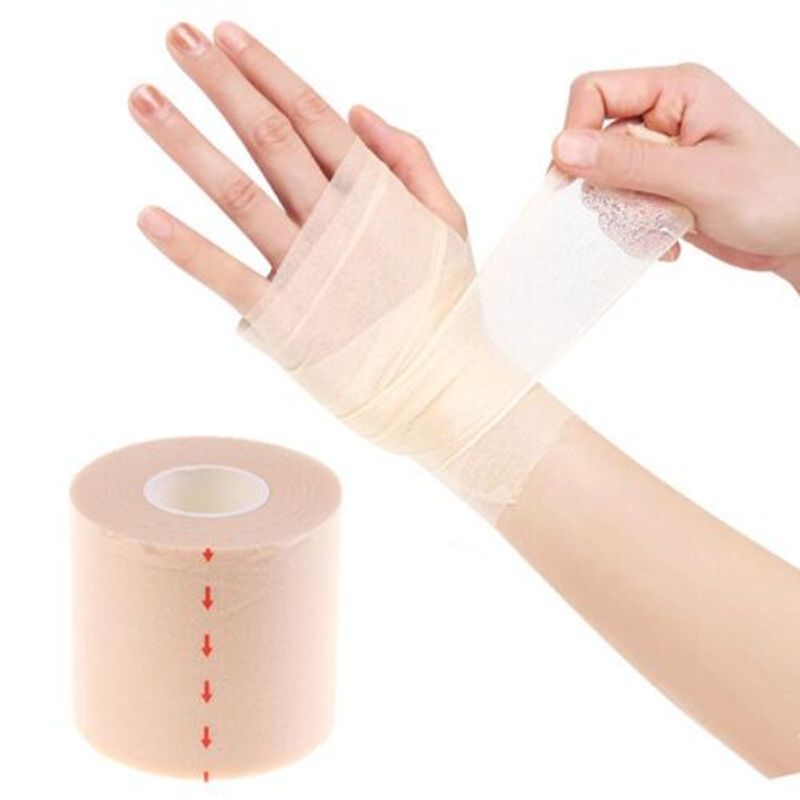
Options like 100% cotton elastic adhesive bandage for standard retail packs work well as a baseline SKU, while soft and breathable elastic adhesive bandage for sensitive-skin shoppers gives buyers a premium tier to place next to it, capturing customers willing to pay more for comfort claims.
Suppliers who offer flexible packaging runs, rather than forcing a single case configuration, make it easier to test a new SKU without overcommitting shelf space.
Evaluating Supplier Reliability
Documentation and SKU range mean little if delivery dates slip. Ask any prospective supplier for their average lead time over the past two quarters, not just a quoted best case. Consistency across batches matters just as much: a bandage that stretches differently from one shipment to the next generates returns and erodes trust in the private-label line carrying it.
Requesting a sample run before committing to a full order remains the simplest way to verify both claims. A product like the two-layer cohesive elastic bandage with gauze backing is a useful test case, since its layered construction makes inconsistencies in adhesion or elasticity easy to spot during evaluation.
Suppliers who pass on both compliance and turnover criteria, and who hold up under a sample test, are the ones worth building a long-term pharmacy contract around.
Share:
RECOMMENDED PRODUCTS












- Asher.cao
- Tel:+86-512-6289 3223
- Mob:+86-176 2548 7782
- Email:Asher.cao@healthline-medical.com
- Whatsapp / Wechat:+86-176 2548 7782
- Skype:+86-176 2548 7782
- Ethan Zhang
- Tel:+86-512-6289 3223
- Mob:+86-19822909189
- Email:ethanzhang@healthline-medical.com
- Whatsapp / Wechat:+86-19822909189
- Skype:+86-19822909189
- Jason Zhang
- Tel:+86-512-6289 3223
- Mob:+86-13152123359
- Email:jason@healthline-medical.com
- Whatsapp / Wechat:+86-13152123359
Copyright © 2025 SUZHOU HEALTHLINE MEDICAL PRODUCTS CO., LTD
All Rights Reserved.
 Sports Tape Manufacturers Cohesive Bandages Suppliers
The information provided on this website is intended for use only in countries and jurisdictions outside of the People's Republic of China.


