
 English
 Español
 русский
 عربى
عربى

- Cotton Kinesiology Tape
- Synthetic Kinesiology Tape
- Nylon Kinesiology Tape
- 4-Way Stretch Elastic Kinesiology Tape
- Standard Kinesiology Tape Roll
- Pre-Cut Kinesiology Tape Strips
- Printed / Pattern Kinesiology Tape
- Perforated Kinesiology Tape (Ventilated)
- Special Shape Kinesiology Tape
- Water-Resistant Kinesiology Tape
- Pregnancy Support Tape
- Face Lift Kinesiology Tape
- Gentle / Beauty Kinesiology Tape
- Veterinary Kinesiology Tape
- Breast Lift Tape
- Customized Kinesiology Tape
- Pre-cut I Strip Kinesiology Tape
- Pre-cut Y Strip Kinesiology Tape
- Pre-cut X Strip Kinesiology Tape
- Knee Kinesiology Tape
- Leg Kinesiology Tape
- Shoulder Kinesiology Tape
- Back Kinesiology Tape
- Waist Kinesiology Tape
- Ankle Kinesiology Tape
- Pregnancy Belly Tape
- Beauty Face Tape
- Solid Color Cohesive Bandage Roll
- Printed & Pattern Cohesive Bandage
- Non-Woven Self-Adhesive Bandage
- Cotton Self-Adhesive Bandage
- PBT Gauze Cohesive Bandage Rolls
- Pet Vet Wrap
- Horse and Cattle Self-Adhesive Bandage
- Veterinary Cohesive Bandage
- Camo Cohesive Wrap Tape
- Military and Tactical Cohesive Bandage
- Tattoo Grip Tape
- Latex Cohesive Bandage
- Latex-Free Cohesive Bandage
- Pet Laminated Self-Adhesive Bandage
- High-Tensile Cohesive Bandage
- Football Sock Wrap Self-Adhesive Bandage
- Sterile Cohesive Bandage
- Special Function Cohesive Bandage
- OEM / Bulk Cohesive Bandage Roll
- Rigid Strapping Tape
- Athletic Tape
- Zinc Oxide Sports Tape
- Rayon Rigid Sports Tape
- Sports Strapping Tape
- Finger Bob Bandages
- Boxing Tape
- Heavyweight Elastic Adhesive Bandage (EAB)
- 93 Cotton Heavyweight Elastic Adhesive Bandages(EAB)
- Athletic Heavyweight Elastic Adhesive Bandage (EAB)
- Lightweight Elastic Adhesive Bandage (EAB)
- Athletic Lightweight Elastic Adhesive Bandage (EAB)
- American Style Elastic Adhesive Bandage (EAB)
- Japanese Style Elastic Adhesive Bandage (EAB)
- Elastic Adhesive Compression Bandage
- Veterinary Elastic Adhesive Bandage (EAB)
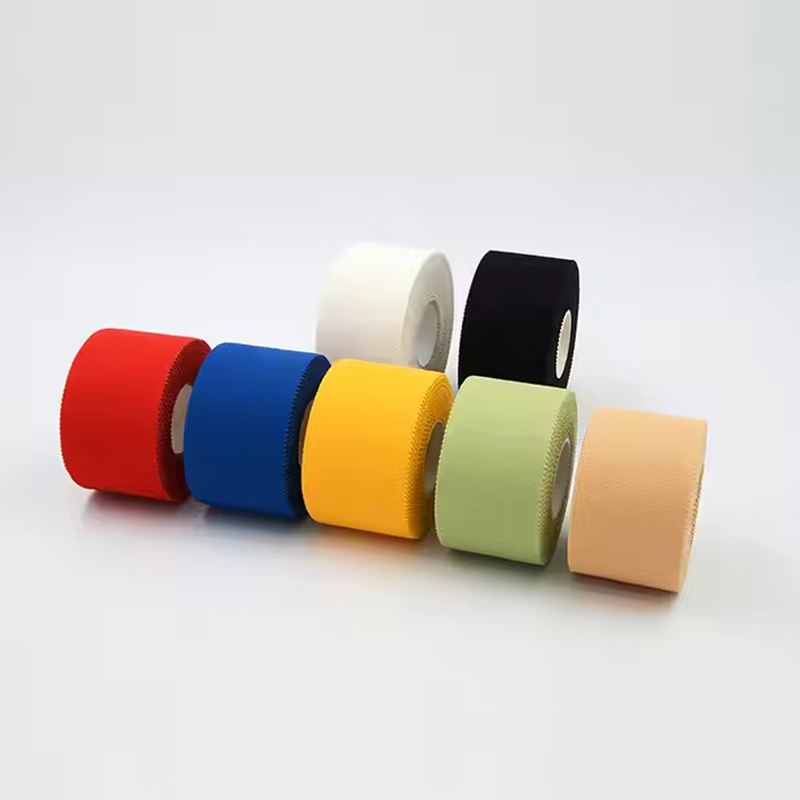
Rigid vs. Elastic Sports Tape: Choosing the Right Support for Each Joint
Content
Two Types of Tape, Two Different Jobs
Rigid tape and elastic tape look similar on a shelf, but they're built to do opposite things. Rigid tape uses a woven cotton or rayon backing that doesn't stretch once applied, so once it's wrapped around a joint it holds that joint at a fixed position. Non-stretch rigid sports tapes built to limit joint movement work by physically restricting range of motion past a certain point, which is exactly the job they're designed for.
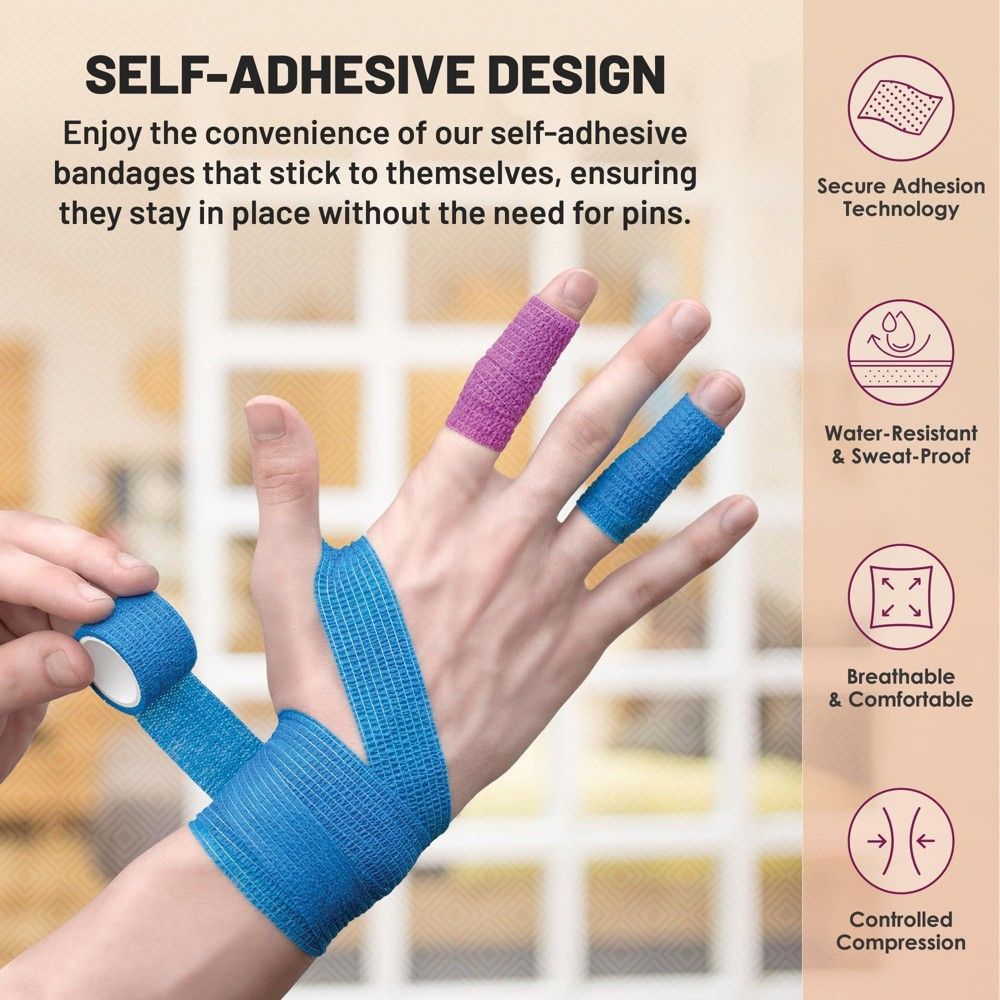
Elastic tape works differently. Its backing is woven or knitted to stretch along with skin and muscle, so it moves with the joint instead of against it. Rather than blocking motion, it adds resistance and proprioceptive feedback throughout the movement, which changes what kind of support it's actually useful for.
That single mechanical difference — restrict versus accompany — is what should drive the choice for any given joint, more than brand preference or habit.
Rigid Tape: Locking Down High-Mobility Joints
Some joints cause problems specifically because they move too far in a direction they shouldn't. A sprained ankle rolling inward, a jammed finger hyperextending, a foot arch collapsing under load — in each case, the goal isn't to support movement, it's to stop a specific motion from happening again. Rigid cotton sports tape designed for finger, knee, toe, and ankle protection is built around this exact use case, wrapping firmly enough to create a mechanical stop.
Plantar fasciitis is a good example of how specific this gets. The pain comes from repeated strain on the arch with every step, and taping for it isn't about supporting the whole foot — it's about holding the arch in a slightly shortened position so the fascia doesn't stretch as far on impact. Zinc oxide tape built specifically for plantar fasciitis support is shaped and applied for that narrow purpose rather than general joint coverage.
Elastic Tape: Supporting Movement Without Restricting It
Other joints have the opposite problem. A knee recovering from strain or a shoulder working through rehab still needs to move through a full range of motion — restricting it with rigid tape would just replace one problem with muscle stiffness and compensation patterns elsewhere. Elastic adhesive bandages built to stretch with the joint apply gentle, consistent compression through the entire movement instead of stopping it at a fixed point.
Kinesiology tape takes this a step further by using its recoil to lift the skin slightly away from the tissue beneath it, which many practitioners use to reduce swelling and cue better muscle activation during movement. Kinesiology tape designed to support muscles through a full range of motion is the go-to choice for larger muscle groups and joints where the athlete needs to keep training or competing while managing an existing strain.
Combining Both: Layered Taping for Complex Joints
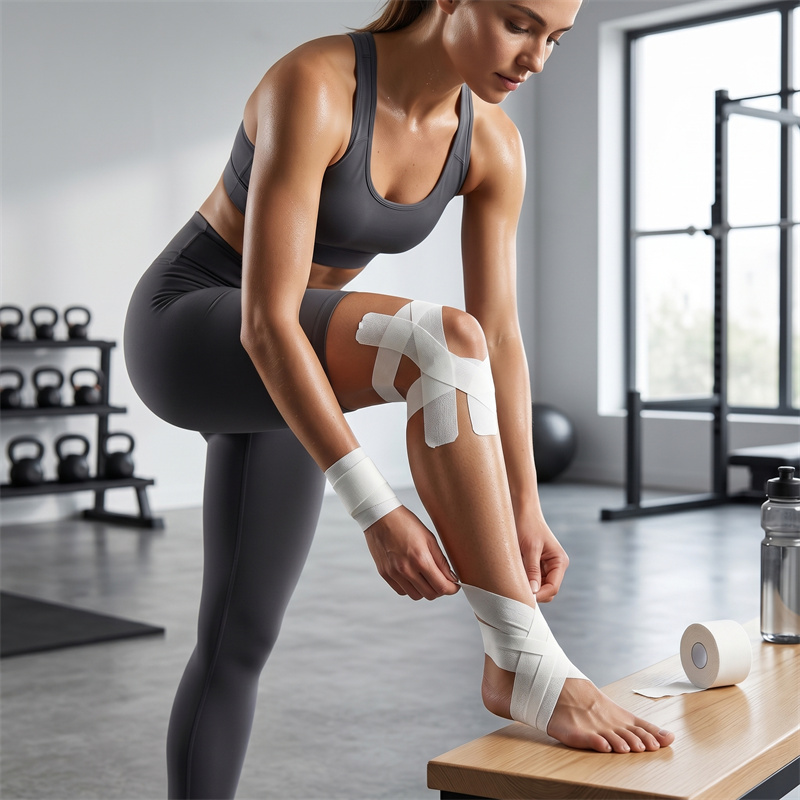
Knees and shoulders often need both approaches at once — rigid strips to reinforce a specific ligament or tendon line, layered with elastic tape across the broader muscle group to manage swelling and support the surrounding movement. This kind of layered taping is common in clinical and sports settings precisely because no single tape type addresses both stability and mobility on its own.
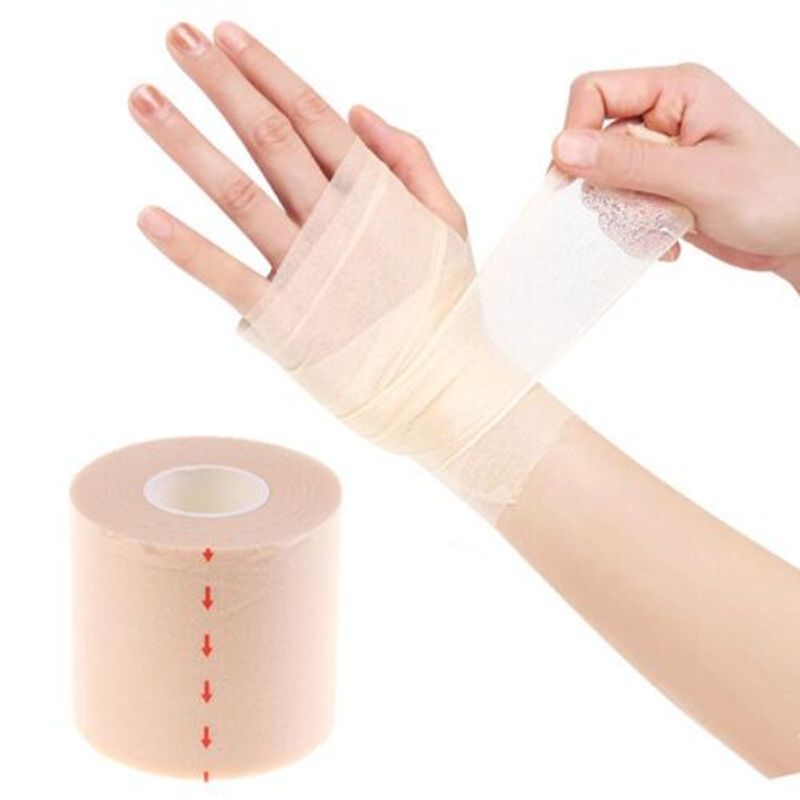
Skin protection matters more in these multi-layer applications, since rigid tape applied directly and repeatedly can irritate skin over a training season. Underwrap foam used as a protective base layer beneath tape is typically applied first in these setups, giving the rigid strips something to grip without pulling directly on skin, before the elastic layer goes on top.
The right choice, in the end, comes down to one question for each joint: does it need to be stopped from moving a certain way, or does it need help moving the right way? That answer points to rigid tape, elastic tape, or a combination of both.
Share:
RECOMMENDED PRODUCTS


















- Asher.cao
- Tel:+86-512-6289 3223
- Mob:+86-176 2548 7782
- Email:Asher.cao@healthline-medical.com
- Whatsapp / Wechat:+86-176 2548 7782
- Skype:+86-176 2548 7782
- Ethan Zhang
- Tel:+86-512-6289 3223
- Mob:+86-19822909189
- Email:ethanzhang@healthline-medical.com
- Whatsapp / Wechat:+86-19822909189
- Skype:+86-19822909189
- Jason Zhang
- Tel:+86-512-6289 3223
- Mob:+86-13152123359
- Email:jason@healthline-medical.com
- Whatsapp / Wechat:+86-13152123359
Copyright © 2025 SUZHOU HEALTHLINE MEDICAL PRODUCTS CO., LTD
All Rights Reserved.
 Sports Tape Manufacturers Cohesive Bandages Suppliers
The information provided on this website is intended for use only in countries and jurisdictions outside of the People's Republic of China.


