
 English
 Español
 русский
 عربى
عربى

- Cotton Kinesiology Tape
- Synthetic Kinesiology Tape
- Nylon Kinesiology Tape
- 4-Way Stretch Elastic Kinesiology Tape
- Standard Kinesiology Tape Roll
- Pre-Cut Kinesiology Tape Strips
- Printed / Pattern Kinesiology Tape
- Perforated Kinesiology Tape (Ventilated)
- Special Shape Kinesiology Tape
- Water-Resistant Kinesiology Tape
- Pregnancy Support Tape
- Face Lift Kinesiology Tape
- Gentle / Beauty Kinesiology Tape
- Veterinary Kinesiology Tape
- Breast Lift Tape
- Customized Kinesiology Tape
- Pre-cut I Strip Kinesiology Tape
- Pre-cut Y Strip Kinesiology Tape
- Pre-cut X Strip Kinesiology Tape
- Knee Kinesiology Tape
- Leg Kinesiology Tape
- Shoulder Kinesiology Tape
- Back Kinesiology Tape
- Waist Kinesiology Tape
- Ankle Kinesiology Tape
- Pregnancy Belly Tape
- Beauty Face Tape
- Solid Color Cohesive Bandage Roll
- Printed & Pattern Cohesive Bandage
- Non-Woven Self-Adhesive Bandage
- Cotton Self-Adhesive Bandage
- PBT Gauze Cohesive Bandage Rolls
- Pet Vet Wrap
- Horse and Cattle Self-Adhesive Bandage
- Veterinary Cohesive Bandage
- Camo Cohesive Wrap Tape
- Military and Tactical Cohesive Bandage
- Tattoo Grip Tape
- Latex Cohesive Bandage
- Latex-Free Cohesive Bandage
- Pet Laminated Self-Adhesive Bandage
- High-Tensile Cohesive Bandage
- Football Sock Wrap Self-Adhesive Bandage
- Sterile Cohesive Bandage
- Special Function Cohesive Bandage
- OEM / Bulk Cohesive Bandage Roll
- Rigid Strapping Tape
- Athletic Tape
- Zinc Oxide Sports Tape
- Rayon Rigid Sports Tape
- Sports Strapping Tape
- Finger Bob Bandages
- Boxing Tape
- Heavyweight Elastic Adhesive Bandage (EAB)
- 93 Cotton Heavyweight Elastic Adhesive Bandages(EAB)
- Athletic Heavyweight Elastic Adhesive Bandage (EAB)
- Lightweight Elastic Adhesive Bandage (EAB)
- Athletic Lightweight Elastic Adhesive Bandage (EAB)
- American Style Elastic Adhesive Bandage (EAB)
- Japanese Style Elastic Adhesive Bandage (EAB)
- Elastic Adhesive Compression Bandage
- Veterinary Elastic Adhesive Bandage (EAB)
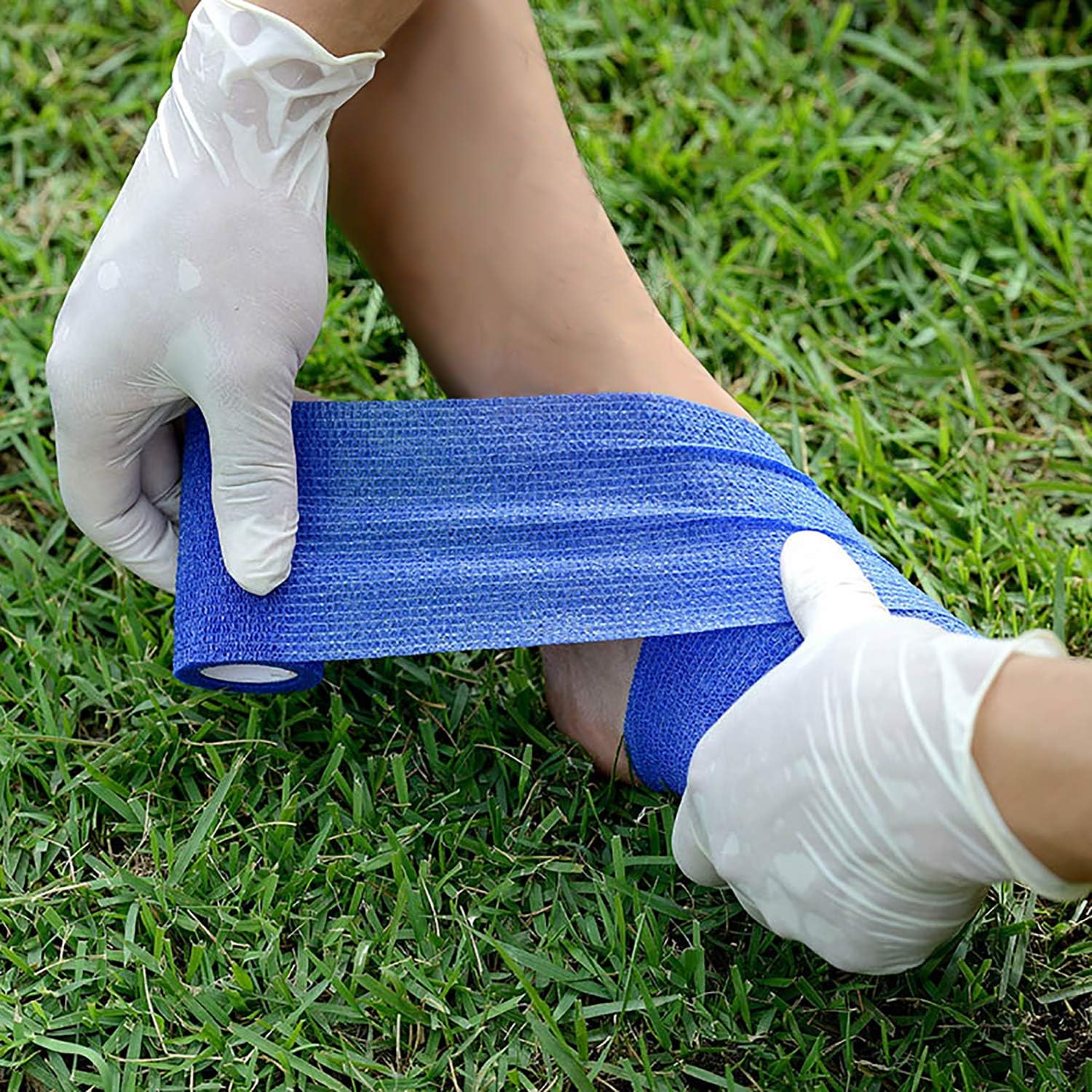
Cohesive Bandage: Natural Rubber vs Synthetic Self-Adherent Options
Content
Product Overview
A cohesive bandage (also called self-adhesive bandage or self-adherent bandage) is an elastic wrap that sticks to itself but not to skin or hair. Unlike tapes that use pressure-sensitive glue, a cohesive bandage relies on a cohesive coating so it stays in place without leaving adhesive residue. It provides adjustable compression, secure fixation, and quick tear-by-hand application for medical, sports, and veterinary use.
We offer cohesive bandage in both natural rubber latex and latex-free synthetic formulations. This article explains the material differences and helps you choose the right cohesive bandage for your region and customers.
Regional Availability and Compliance
North America: Latex-free cohesive bandage options align with latex-safe hospital protocols; materials designed for comfort across varied climates. Private-label and distributor programs available.
Europe and UK: Materials selected to support REACH-compliant, latex-free supply when required. Product documentation and technical data sheets available for regulatory review.
Middle East and Africa: Heat- and humidity-tolerant cohesive bandage formulations help maintain consistent tack and unwind in hot climates.
Asia-Pacific and Oceania: Broad range of sizes and colors for retail and sports medicine markets, with flexible MOQs and fast lead times.
Specific Customer Focus
a) Hospitals and Clinics
Patient safety: Latex-free cohesive bandage to minimize latex allergy risks; soft, breathable substrate for fragile skin.
Consistent compression: Reliable stretch and recovery to support edema control and dressing fixation.
Efficiency: Easy tear-by-hand, smooth unwind, and clean self-adherence to reduce application time.
b) Sports Medicine and Retail
Performance: Strong self-adhesion even with sweat and movement; secure wrap for joints and equipment grip.
Variety: Multiple widths and colors, custom prints, and private-label packaging for brand differentiation.
Comfort: Breathable fabric and controlled elasticity to maintain support without slipping or cutting into skin.
c) Veterinary and Industrial
Durability: Tougher substrates and cohesive systems that stay put on fur or through outdoor conditions.
Handling: Fast, reliable tear and re-application; minimal residue on tools or gloves.
Value: Bulk rolls, coreless options, and high-yardage formats to reduce changeover time and cost per use.
Natural Rubber vs Synthetic (Latex-Free) Cohesive Systems
Cohesive bandage performance is driven by the cohesive coating and the base fabric (typically nonwoven or elastic cloth). The two most common cohesive chemistries are natural rubber latex and latex-free synthetic polymers (such as SEBS/SIS or synthetic polyisoprene). Key differences:
Allergy and Sensitization
- Natural rubber: Contains latex proteins that can trigger Type I latex allergies in sensitized users.
- Synthetic latex-free: Eliminates natural latex proteins, reducing allergy risk for clinicians and patients.
Tack and Cohesive Strength
- Natural rubber: Typically strong initial “grab” and high cohesive strength; can feel slightly tackier to the touch.
- Synthetic: Tunable, consistent tack across batches; engineered to stick to itself without pulling skin or hair.
Elastic Recovery and Compression Stability
- Natural rubber: Good snap-back and support, may fatigue faster with repeated stretch in high-heat environments.
- Synthetic: Excellent elastic recovery and shape retention over a wider temperature range; steady compression profile.
Temperature and Climate Tolerance
- Natural rubber: More sensitive to heat/cold; may soften in high heat and stiffen in cold, affecting feel and unwind.
- Synthetic: Generally more stable in varying climates; preferred for hot and humid regions and long logistics chains.
Odor and Aesthetics
- Natural rubber: Characteristic rubber odor; slight color variation possible.
- Synthetic: Low odor; better UV and color stability for brighter colors and retail presentation.
Skin Feel and Residue
- Both: Cohesive bandage sticks to itself, not to skin or hair. Properly formulated systems leave minimal residue.
- Substrate choice (e.g., nonwoven vs elastic cloth) also affects softness and breathability.
Sustainability and Supply
- Natural rubber: Renewable resource; subject to plantation supply variability and price swings.
- Synthetic: Petroleum-derived; more stable pricing and availability; recyclability and end-of-life considerations vary.
Cost and Policy
- Natural rubber: Often cost-effective but may be restricted by latex-safe policies in many care settings.
- Synthetic: Slight premium in some markets, but preferred where latex-free requirements apply.
Our Cohesive Bandage Advantages
Dual material portfolio: Natural rubber and latex-free synthetic cohesive bandage options to match policy and performance needs.
Consistent quality: Tight control of cohesive coating weight, stretch modulus, and unwind tension for repeatable application.
Comfort-first design: Breathable, soft substrates with reliable self-adherence that does not pull hair or stick to skin.
Customization: Widths (1, 2, 3, 4, 6 inches; 2.5, 5, 7.5, 10, 15 cm), lengths (4–10 yards/meters), colors, prints, and private-label packs.
Application efficiency: Clean tear-by-hand edges, smooth unwind, and no-scissors application to save time.
Regional support: Materials and documentation suited for hospital, sports, and veterinary channels across North America, Europe/UK, MEA, APAC, and Oceania.
Application Fields
Medical and First Aid: Dressing fixation, light compression, securement of IV lines and splints, post-op support.
Sports and Fitness: Joint support, muscle compression, ankle/wrist wraps, bat and stick grip, equipment bundling.
Veterinary Care: Hoof and limb wraps, post-surgical bandaging, securement over fur, farm and equine use.
Workplace and Industrial: Tool handle grip, temporary bundling, color-coded tagging, light protective wraps.
Home and Outdoor: Personal first-aid kits, hiking and camping support, DIY and emergency repairs.
How to Choose the Right Cohesive Bandage
If your facility is latex-safe or serves latex-sensitive users: Choose a latex-free synthetic cohesive bandage.
If you prioritize maximum initial tack and classic “rubber” feel: Natural rubber cohesive may be suitable where allowed.
For hot, humid, or widely varying climates: Synthetic cohesive bandage offers more stable performance.
For retail and branding: Select synthetic for colorfastness and custom printing; choose widths and colors to match your planogram.
For veterinary and rugged use: Consider heavier substrates with higher cohesive strength, available in both material systems.
Typical Specifications (customizable)
Widths: 1 in, 2 in, 3 in, 4 in, 6 in (2.5 cm, 5 cm, 7.5 cm, 10 cm, 15 cm)
Lengths: 5–10 yards (or 4–6 meters) stretched
Substrates: Nonwoven or elastic fabric
Colors: Natural, black, tan, assorted colors; custom prints available
Packaging: Individual wrap, multi-pack, private-label retail boxes, bulk for institutions
Get Samples and Quotes
Tell us your target market (hospital, sports, veterinary, retail), region, and preferred material (natural rubber or latex-free synthetic). We will recommend the cohesive bandage construction, sizes, and packaging that fit your standards and budget, and provide samples and lead times.
Share:
RECOMMENDED PRODUCTS


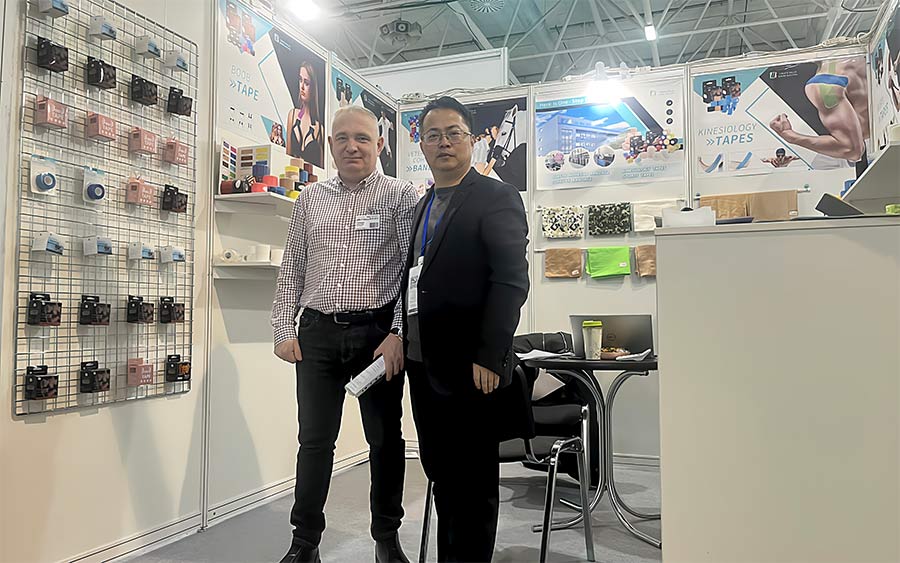
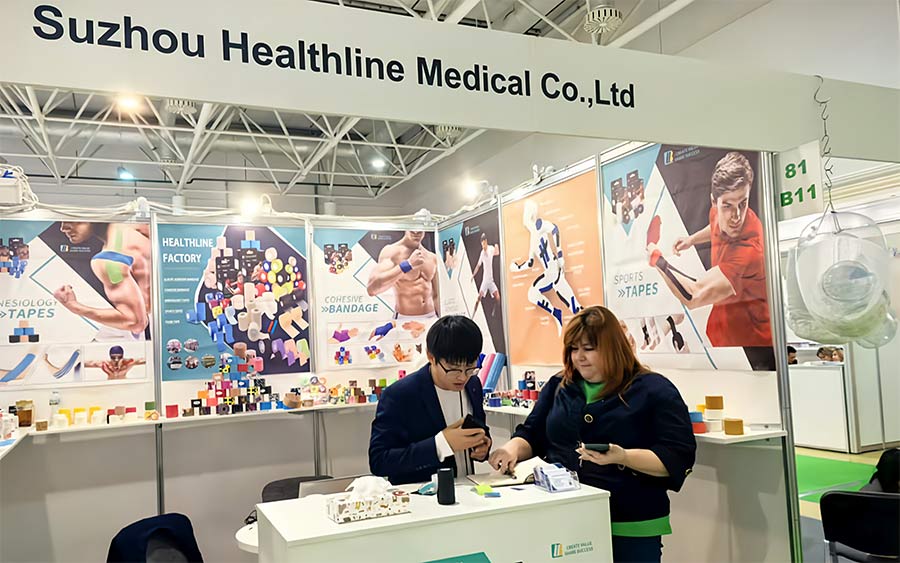
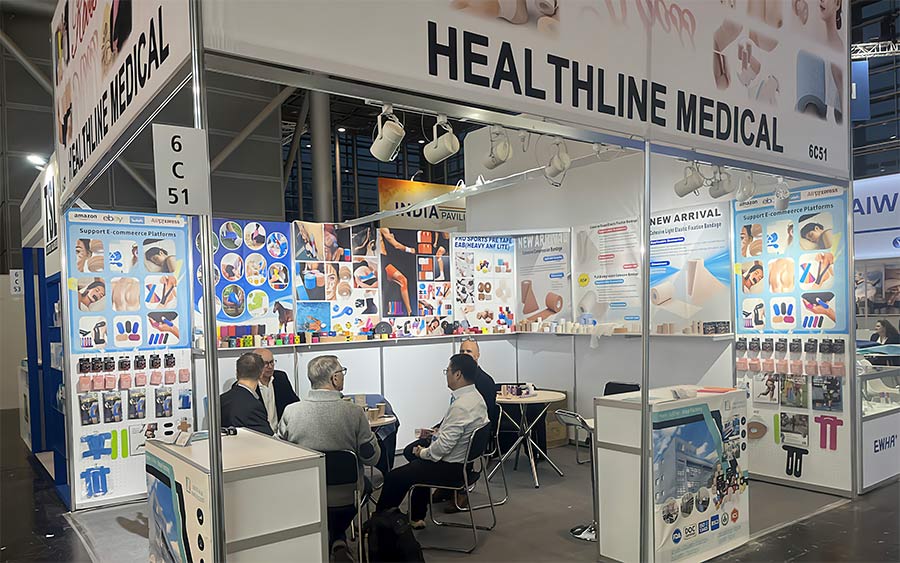
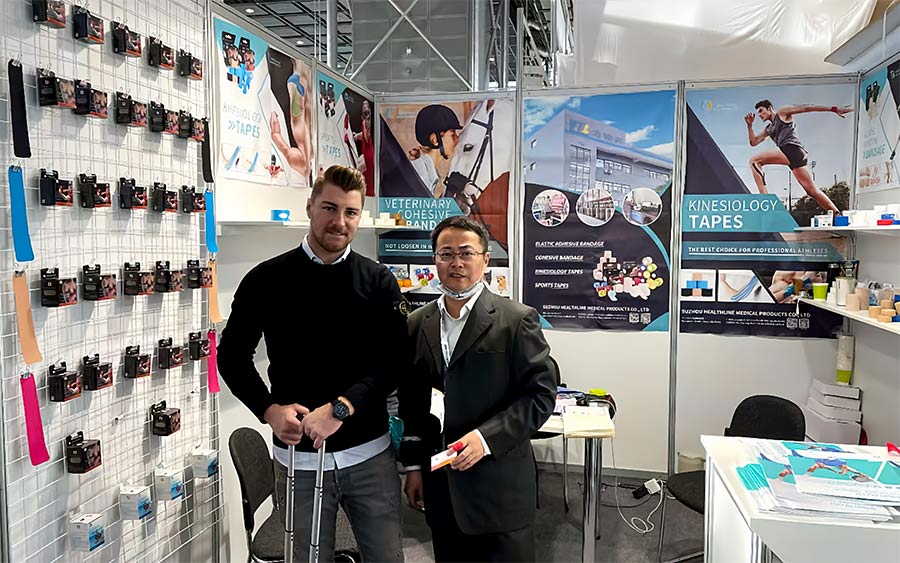
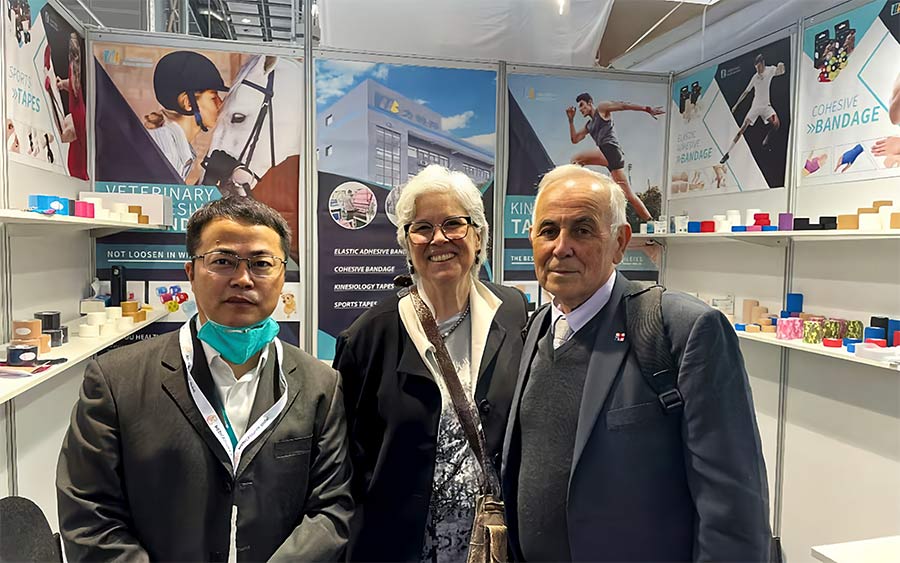
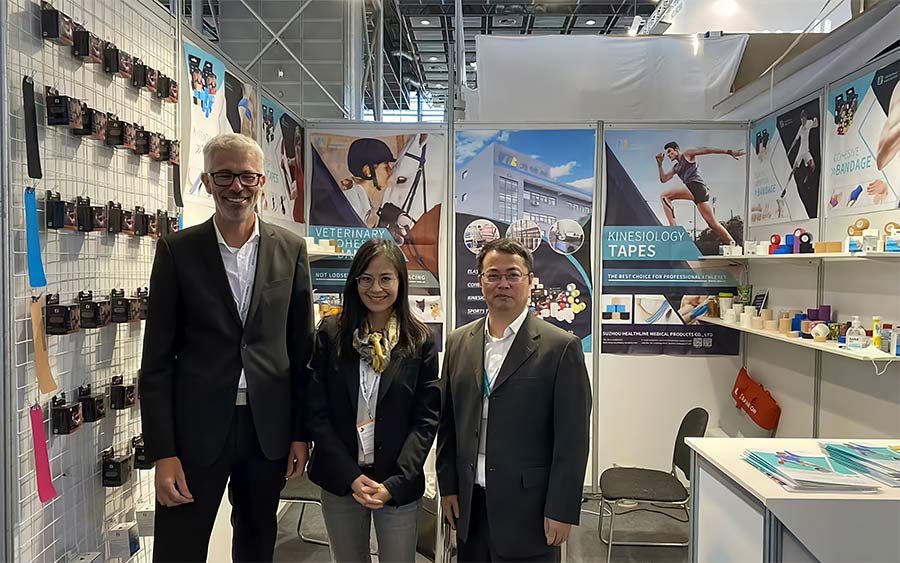
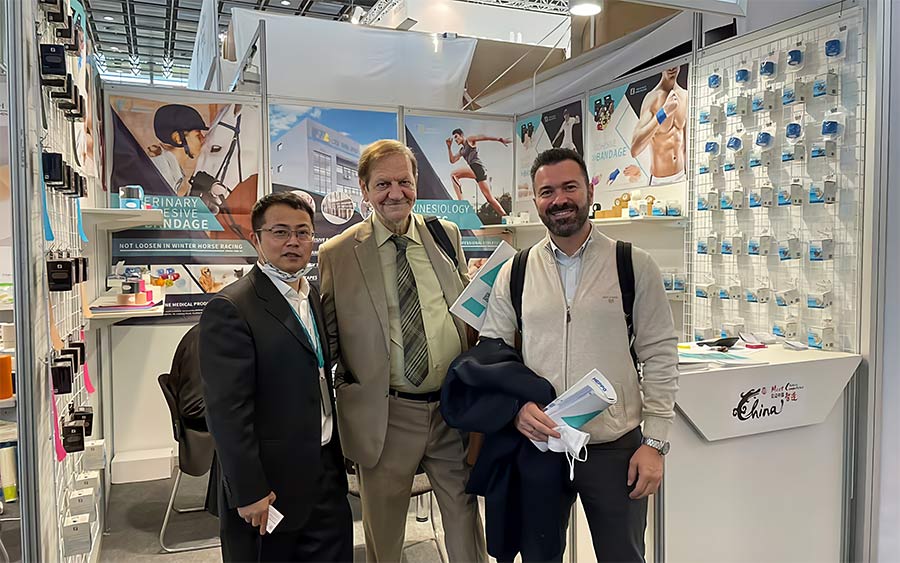
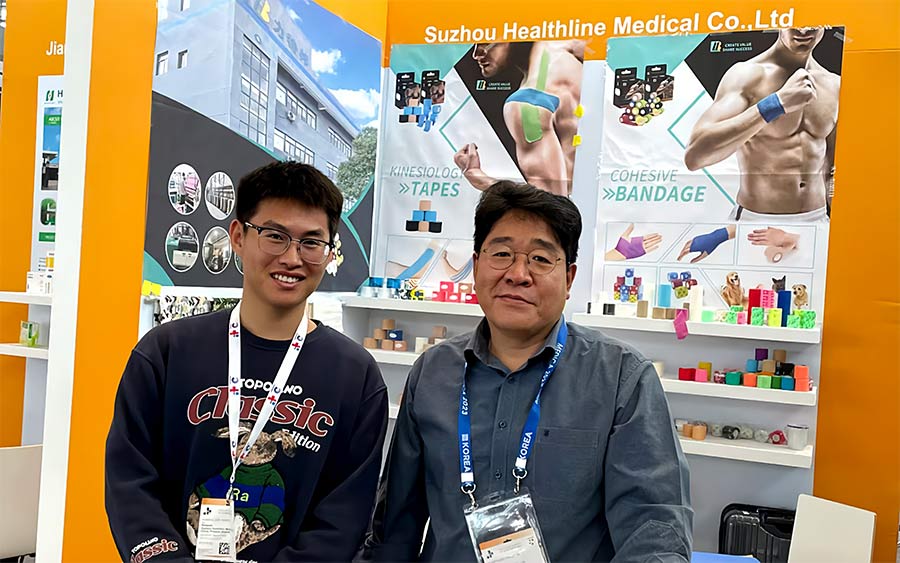
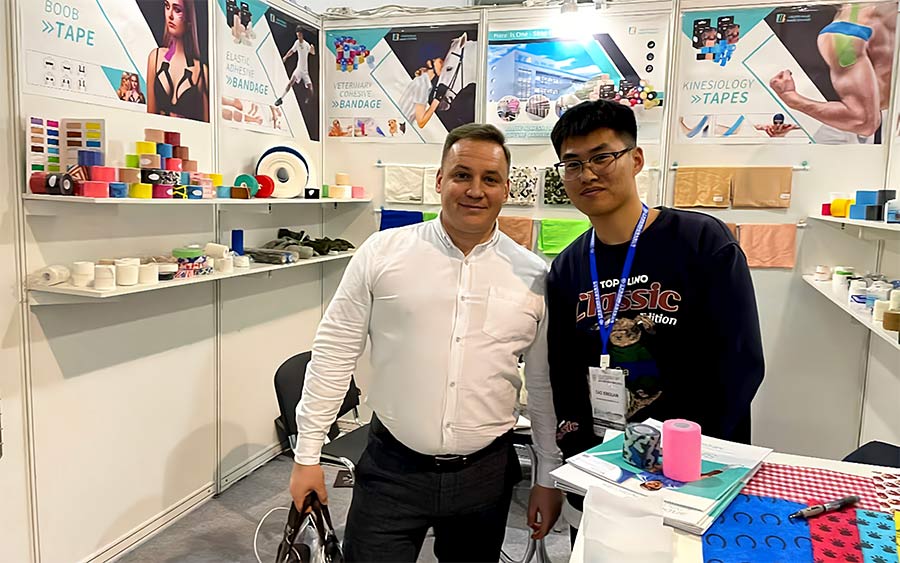
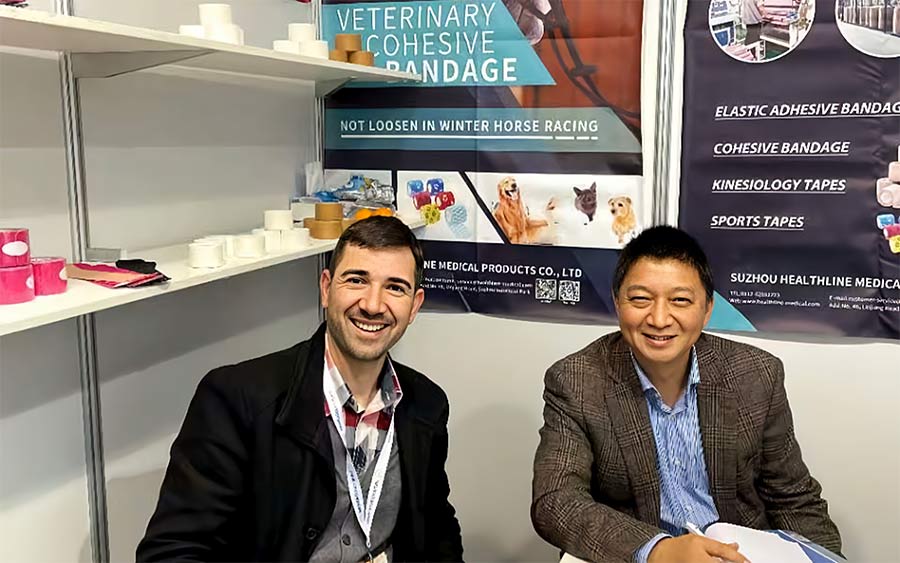
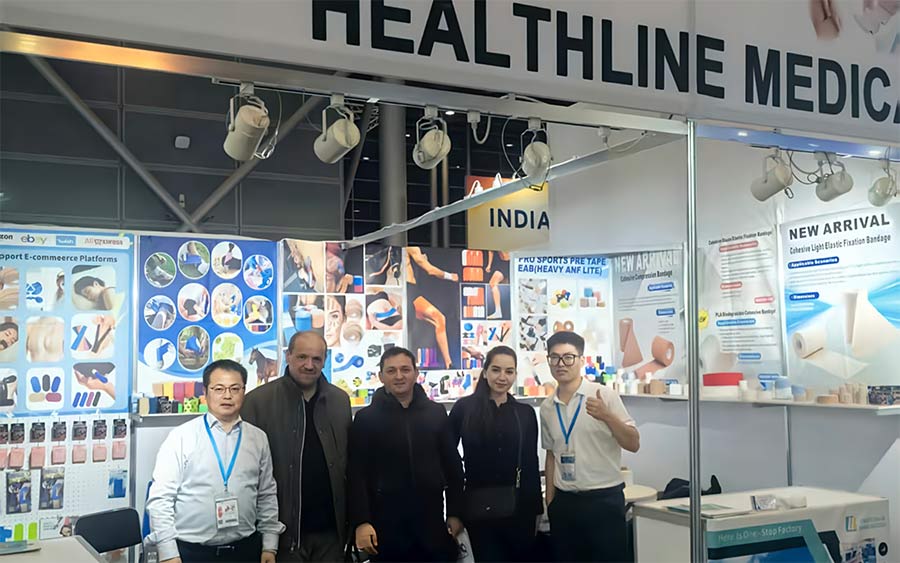
Driven by uncompromising quality, competitive value, and customer-centric service, Healthline’s products are now present in over 50 countries and regions across the globe. As a dedicated OEM/ODM manufacturer of medical cohesive bandages and sports tape, we serve a diverse client portfolio—including hospitals and clinics,veterinary,authorized distributors, government procurement agencies, national pharmacy chains, and retail supermarkets,on-line Amazon,Lotte & Tiktok e-commerce industry .
We are proud to be the long-term OEM/ODM partner for globally recognized names such as Target, CVS, Aldi, Lidl, Carrefour,Tesco, Alliance Boots,Deathlon,Covetrus and Kruuse. Our annual sales volume has maintained a steady year-over-year growth of 15% for consecutive years—a testament to the trust our partners place in us.
In today’s competitive global market, we believe sustainable success comes from continuously delivering superior products and responsive service at a fair price. This philosophy has guided Healthline for three decades, and we are committed to repaying your trust with solutions that help your business grow.




















- Ethan Zhang
- Tel:+86-512-6289 3223
- Mob:+86-19822909189
- Email:ethanzhang@healthline-medical.com
- Whatsapp / Wechat:+86-19822909189
- Skype:+86-19822909189
- Asher.cao
- Tel:+86-512-6289 3223
- Mob:+86-17625487782
-
Email:ethanzhang@healthline-medical.com
Asher.cao@healthline-medical.com
- Whatsapp / Wechat:+86-17625487782
- Skype:+86-176 2548 7782
- Jason Zhang
- Tel:+86-512-6289 3223
- Mob:+86-13152123359
- Email:jason@healthline-medical.com
- Whatsapp / Wechat:+86-13152123359
Copyright © 2025 SUZHOU HEALTHLINE MEDICAL PRODUCTS CO., LTD
All Rights Reserved.
 Sports Tape Manufacturers Cohesive Bandages Suppliers
The information provided on this website is intended for use only in countries and jurisdictions outside of the People's Republic of China.


