
 English
 Español
 русский
 عربى
عربى

- Cotton Kinesiology Tape
- Synthetic Kinesiology Tape
- Nylon Kinesiology Tape
- 4-Way Stretch Elastic Kinesiology Tape
- Standard Kinesiology Tape Roll
- Pre-Cut Kinesiology Tape Strips
- Printed / Pattern Kinesiology Tape
- Perforated Kinesiology Tape (Ventilated)
- Special Shape Kinesiology Tape
- Water-Resistant Kinesiology Tape
- Pregnancy Support Tape
- Face Lift Kinesiology Tape
- Gentle / Beauty Kinesiology Tape
- Veterinary Kinesiology Tape
- Breast Lift Tape
- Customized Kinesiology Tape
- Pre-cut I Strip Kinesiology Tape
- Pre-cut Y Strip Kinesiology Tape
- Pre-cut X Strip Kinesiology Tape
- Knee Kinesiology Tape
- Leg Kinesiology Tape
- Shoulder Kinesiology Tape
- Back Kinesiology Tape
- Waist Kinesiology Tape
- Ankle Kinesiology Tape
- Pregnancy Belly Tape
- Beauty Face Tape
- Solid Color Cohesive Bandage Roll
- Printed & Pattern Cohesive Bandage
- Non-Woven Self-Adhesive Bandage
- Cotton Self-Adhesive Bandage
- PBT Gauze Cohesive Bandage Rolls
- Pet Vet Wrap
- Horse and Cattle Self-Adhesive Bandage
- Veterinary Cohesive Bandage
- Camo Cohesive Wrap Tape
- Military and Tactical Cohesive Bandage
- Tattoo Grip Tape
- Latex Cohesive Bandage
- Latex-Free Cohesive Bandage
- Pet Laminated Self-Adhesive Bandage
- High-Tensile Cohesive Bandage
- Football Sock Wrap Self-Adhesive Bandage
- Sterile Cohesive Bandage
- Special Function Cohesive Bandage
- OEM / Bulk Cohesive Bandage Roll
- Rigid Strapping Tape
- Athletic Tape
- Zinc Oxide Sports Tape
- Rayon Rigid Sports Tape
- Sports Strapping Tape
- Finger Bob Bandages
- Boxing Tape
- Heavyweight Elastic Adhesive Bandage (EAB)
- 93 Cotton Heavyweight Elastic Adhesive Bandages(EAB)
- Athletic Heavyweight Elastic Adhesive Bandage (EAB)
- Lightweight Elastic Adhesive Bandage (EAB)
- Athletic Lightweight Elastic Adhesive Bandage (EAB)
- American Style Elastic Adhesive Bandage (EAB)
- Japanese Style Elastic Adhesive Bandage (EAB)
- Elastic Adhesive Compression Bandage
- Veterinary Elastic Adhesive Bandage (EAB)
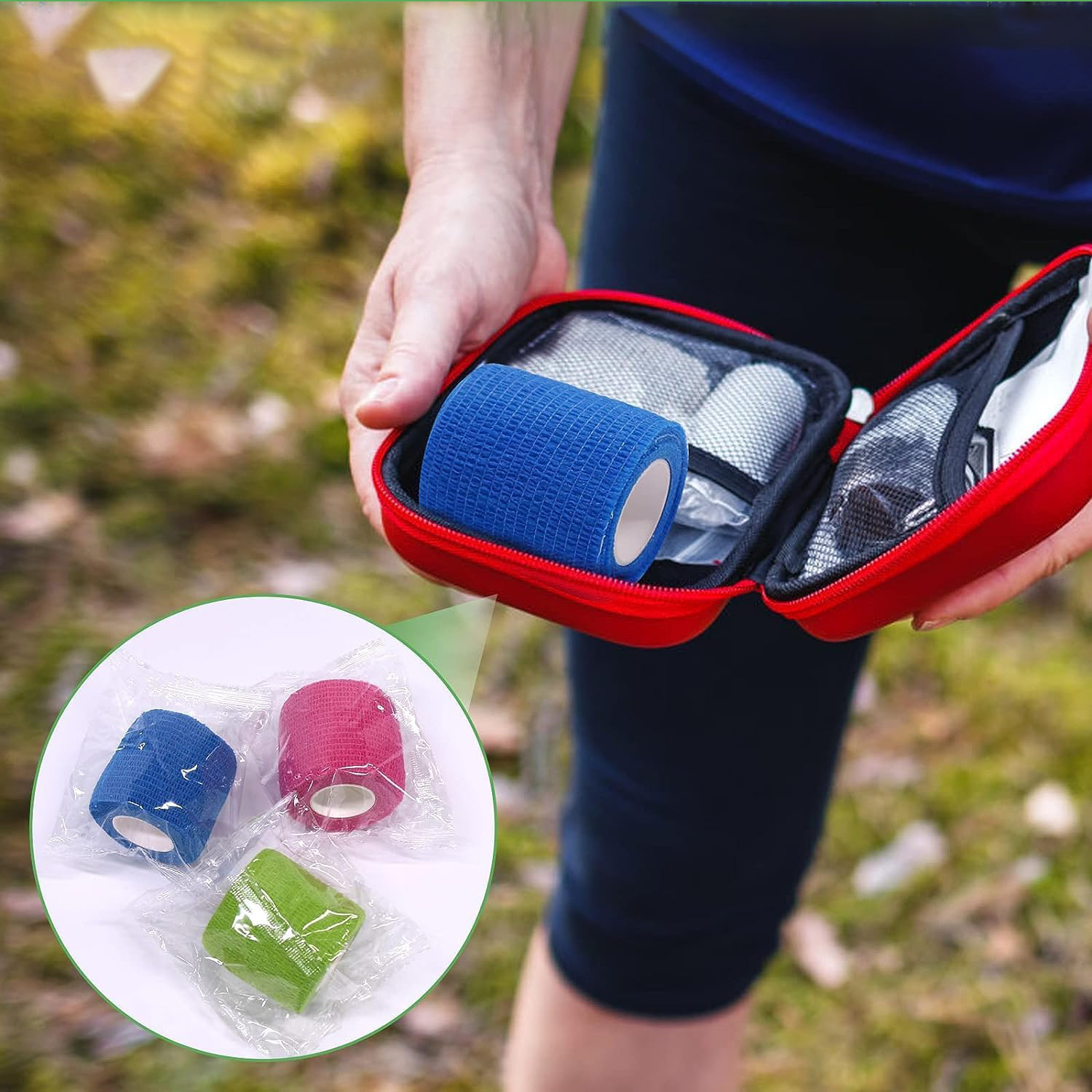
Grips Tight, Lets Go Easy: The Bandage Built for Real Life
Content
Most bandages make you choose: strong adhesion that tears skin on removal, or gentle hold that slides off the moment you move. That trade-off is exactly what a well-engineered self-adhesive bandage eliminates — and it matters more than most people realize.
cohesive flexible wrap bandages designed to adhere to themselves, not skin have become the go-to solution for athletes, caregivers, and first-aid kits alike. Understanding why requires a closer look at both the problem and the engineering behind the fix.
The Dual-Demand Problem Every Bandage Must Solve
A bandage lives in two contradictory moments: the hours it needs to stay put, and the second it must come off. Standard adhesive tape is built to excel at the first and often fails brutally at the second. Wounds International estimates that 1.5 million adhesive-related skin tears occur every year in elderly patients in U.S. long-term care facilities alone — and a significant share trace directly back to aggressive bandage removal.
Children, active adults, and anyone with sensitive or aging skin all face the same frustration. A bandage that shifts during a workout is useless. One that strips skin on removal causes a second injury. The solution isn't choosing between these outcomes — it's designing them out of the equation entirely.
How Cohesive Technology Makes Both Possible
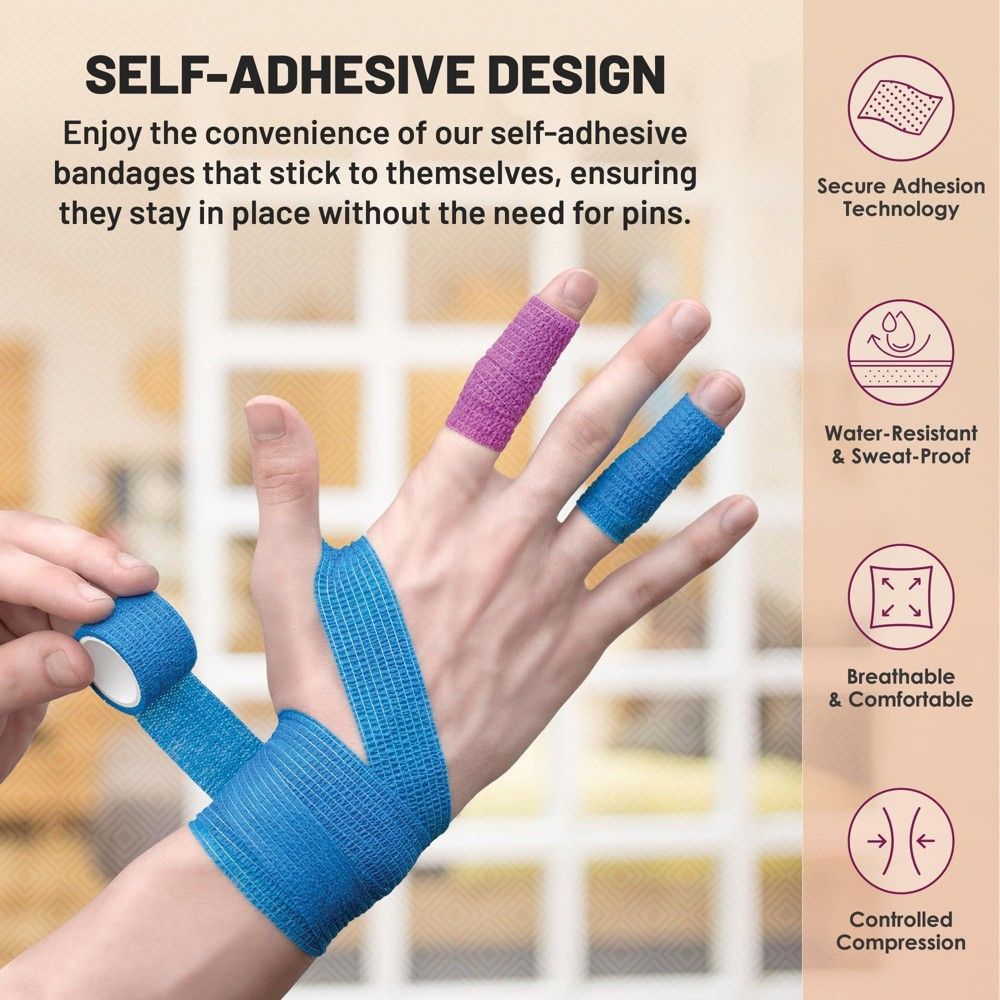
The key is in what the bandage sticks to. Cohesive self-adhesive bandages bond to themselves, not to skin or hair. Layers of non-woven or elastic fabric interlock under light pressure, creating compression that holds position without embedding into the skin surface. When you unwrap it, the release is clean — no residue, no trauma, no drama.
This isn't just a comfort upgrade. It's a structural shift. Because the adhesive bond exists between bandage layers rather than between bandage and skin, you can:
- Reposition mid-application without losing effectiveness
- Check the wound and re-wrap without starting over
- Remove quickly in an emergency without causing pain or secondary injury
- Apply over joints and moving areas without the wrap loosening from natural skin flex
The waterproof versions built for outdoor and high-activity use extend this principle further — holding secure through sweat, rain, and repeated movement without sacrificing the easy release when the time comes.
Where This Matters Most in Real Life
Sports and training. A sprained ankle mid-game doesn't wait for a clinical wrap job. Cohesive bandages are hand-tearable, apply without tools, conform immediately to ankle or wrist contours, and won't restrict circulation if applied correctly. Unlike rigid athletic tape, they move with the joint, reducing the friction that causes skin breakdown under the wrap during long training sessions.
First aid at home. Most household injuries happen fast and get dressed faster. The ability to wrap a finger cut or knee scrape in seconds — without scissors, clips, or a second pair of hands — makes cohesive bandages far more practical than traditional gauze-and-tape combinations. They stay put through handwashing and light activity, then peel away cleanly when it's time to change the dressing.
Elderly and sensitive skin. This is where the stakes are highest. Skin naturally thins with age, and standard adhesive removal can cause tears that are more serious than the original wound. A cohesive bandage that releases without force isn't a luxury for this population — it's basic safe practice. Caregivers and home health providers increasingly favor soft, breathable elastic adhesive options that protect fragile skin during dressing changes.
Veterinary and pet care. The same principle that protects human skin from adhesive trauma makes cohesive bandages the standard wrap for animals. No fur-pulling on removal means the animal tolerates the bandage better — and is far less likely to chew it off.
What to Look for When Choosing One
Not all self-adhesive bandages perform equally. The grips-tight, lets-go-easy promise depends on material quality and construction. Four factors separate reliable wraps from frustrating ones:
- Latex-free composition — essential for anyone with sensitivities and increasingly standard across professional-grade wraps
- Breathability — non-woven porous fabric keeps moisture from building up under the wrap, which matters for both comfort and wound hygiene
- Consistent elasticity — uniform stretch across the roll ensures even compression; inconsistent material leads to pressure points and early loosening
- Hand-tearability — the ability to tear cleanly without scissors is a real-world usability factor, especially in emergency or field situations
For clinical procurement and bulk supply, the full range of cohesive flexible wrap bandages covers widths from narrow finger rolls to broader support wraps, with options for latex-free, natural rubber, and specialized sports formats.
The Design Philosophy Behind a Good Bandage
There's a version of this product category that treats "easy removal" as a marketing phrase. There's another version built around clinical outcomes — where reducing adhesive-related skin injury is a measurable goal, not an afterthought. The difference shows up in material sourcing, adhesive chemistry, and quality control at the manufacturing level.
For B2B buyers — hospitals, sports medicine clinics, pharmacy chains, distributors — these distinctions matter not just for patient outcomes but for liability and brand consistency. A deeper look at why self-adhesive bandages have become essential across first-aid and injury care shows how this product category has moved from commodity to clinical priority.
Grips tight when you need it to. Lets go easy when you don't. That's not a tagline — it's an engineering requirement. The bandages that meet it are the ones worth stocking.
Share:
RECOMMENDED PRODUCTS













- Asher.cao
- Tel:+86-512-6289 3223
- Mob:+86-176 2548 7782
- Email:Asher.cao@healthline-medical.com
- Whatsapp / Wechat:+86-176 2548 7782
- Skype:+86-176 2548 7782
- Ethan Zhang
- Tel:+86-512-6289 3223
- Mob:+86-19822909189
- Email:ethanzhang@healthline-medical.com
- Whatsapp / Wechat:+86-19822909189
- Skype:+86-19822909189
- Jason Zhang
- Tel:+86-512-6289 3223
- Mob:+86-13152123359
- Email:jason@healthline-medical.com
- Whatsapp / Wechat:+86-13152123359
Copyright © 2025 SUZHOU HEALTHLINE MEDICAL PRODUCTS CO., LTD
All Rights Reserved.
 Sports Tape Manufacturers Cohesive Bandages Suppliers
The information provided on this website is intended for use only in countries and jurisdictions outside of the People's Republic of China.


