
 English
 Español
 русский
 عربى
عربى

- Cotton Kinesiology Tape
- Synthetic Kinesiology Tape
- Nylon Kinesiology Tape
- 4-Way Stretch Elastic Kinesiology Tape
- Standard Kinesiology Tape Roll
- Pre-Cut Kinesiology Tape Strips
- Printed / Pattern Kinesiology Tape
- Perforated Kinesiology Tape (Ventilated)
- Special Shape Kinesiology Tape
- Water-Resistant Kinesiology Tape
- Pregnancy Support Tape
- Face Lift Kinesiology Tape
- Gentle / Beauty Kinesiology Tape
- Veterinary Kinesiology Tape
- Breast Lift Tape
- Customized Kinesiology Tape
- Pre-cut I Strip Kinesiology Tape
- Pre-cut Y Strip Kinesiology Tape
- Pre-cut X Strip Kinesiology Tape
- Knee Kinesiology Tape
- Leg Kinesiology Tape
- Shoulder Kinesiology Tape
- Back Kinesiology Tape
- Waist Kinesiology Tape
- Ankle Kinesiology Tape
- Pregnancy Belly Tape
- Beauty Face Tape
- Solid Color Cohesive Bandage Roll
- Printed & Pattern Cohesive Bandage
- Non-Woven Self-Adhesive Bandage
- Cotton Self-Adhesive Bandage
- PBT Gauze Cohesive Bandage Rolls
- Pet Vet Wrap
- Horse and Cattle Self-Adhesive Bandage
- Veterinary Cohesive Bandage
- Camo Cohesive Wrap Tape
- Military and Tactical Cohesive Bandage
- Tattoo Grip Tape
- Latex Cohesive Bandage
- Latex-Free Cohesive Bandage
- Pet Laminated Self-Adhesive Bandage
- High-Tensile Cohesive Bandage
- Football Sock Wrap Self-Adhesive Bandage
- Sterile Cohesive Bandage
- Special Function Cohesive Bandage
- OEM / Bulk Cohesive Bandage Roll
- Rigid Strapping Tape
- Athletic Tape
- Zinc Oxide Sports Tape
- Rayon Rigid Sports Tape
- Sports Strapping Tape
- Finger Bob Bandages
- Boxing Tape
- Heavyweight Elastic Adhesive Bandage (EAB)
- 93 Cotton Heavyweight Elastic Adhesive Bandages(EAB)
- Athletic Heavyweight Elastic Adhesive Bandage (EAB)
- Lightweight Elastic Adhesive Bandage (EAB)
- Athletic Lightweight Elastic Adhesive Bandage (EAB)
- American Style Elastic Adhesive Bandage (EAB)
- Japanese Style Elastic Adhesive Bandage (EAB)
- Elastic Adhesive Compression Bandage
- Veterinary Elastic Adhesive Bandage (EAB)
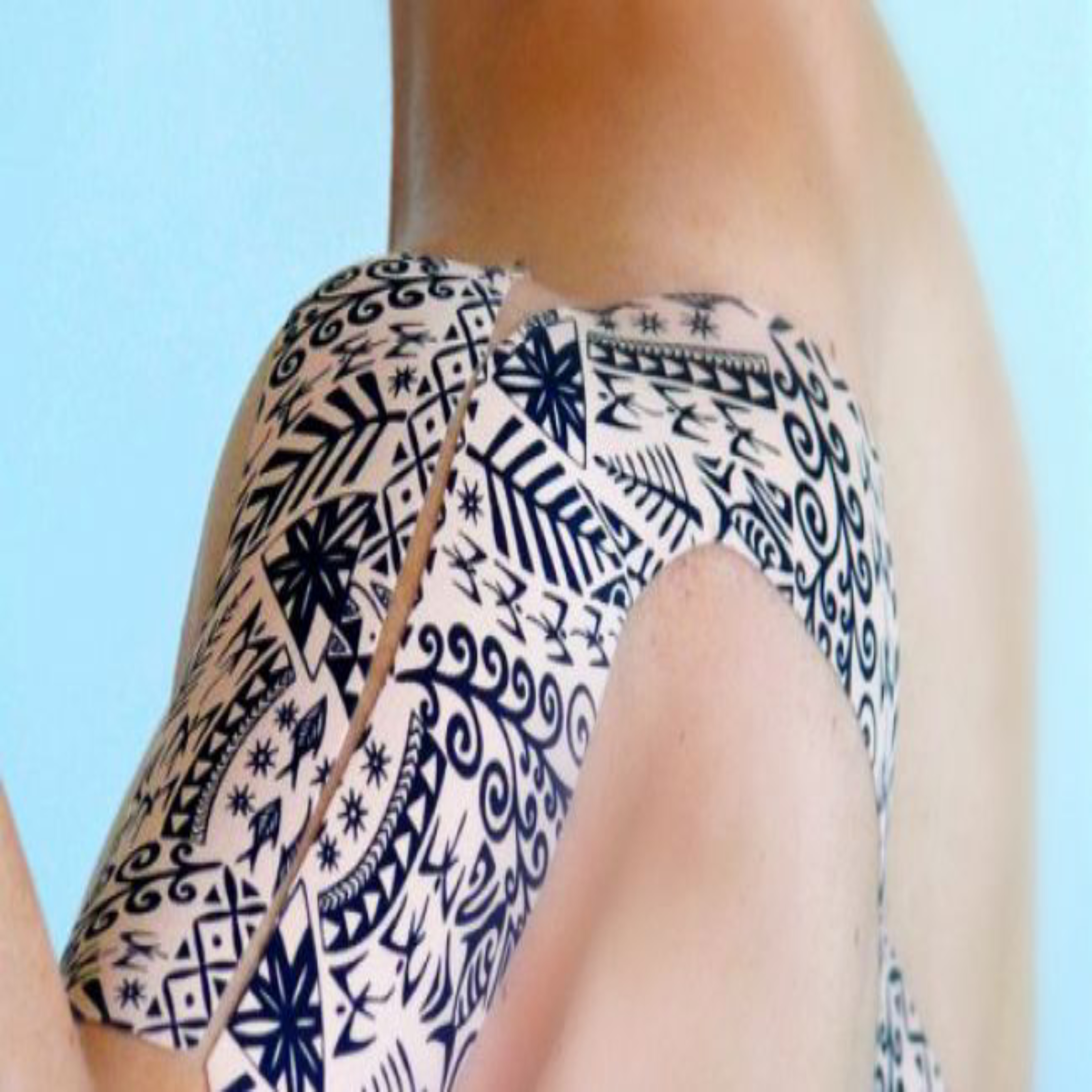
Kinesiology Tape Guide: Techniques, Benefits, and Practical Applications for Injury Support
Content
- Understanding Kinesiology Tape and Its Uses
- Key Benefits of Kinesiology Tape
- Choosing the Right Kinesiology Tape
- Proper Preparation Before Application
- Step-by-Step Application Techniques
- Tips for Maximizing Effectiveness
- Common Mistakes to Avoid
- Comparison Table: Kinesiology Tape vs. Traditional Athletic Tape
- Conclusion
Understanding Kinesiology Tape and Its Uses
Kinesiology tape, commonly known as KT tape, has gained widespread popularity among athletes, physiotherapists, and individuals recovering from injuries. Unlike traditional athletic tape, kinesiology tape is designed to support muscles and joints without restricting movement. It works by lifting the skin slightly, which can improve blood flow, reduce inflammation, and relieve pain. Understanding the mechanics and purpose of kinesiology tape is essential before attempting application for any specific injury or condition.
Key Benefits of Kinesiology Tape
Kinesiology tape offers several benefits that make it a versatile tool in injury prevention and recovery. Here are the primary advantages:
- Enhanced muscle support during physical activity without limiting range of motion.
- Pain relief by alleviating pressure on inflamed or strained areas.
- Improved circulation and lymphatic drainage, which can reduce swelling and accelerate recovery.
- Correction of joint alignment and posture by providing subtle tactile feedback to the body.
- Versatile application for various injuries, including shoulder, knee, and lower back issues.
Choosing the Right Kinesiology Tape
Selecting the correct kinesiology tape is crucial for effectiveness and comfort. Consider the following factors:
- Material: Most kinesiology tapes are made of cotton or a cotton-nylon blend. Cotton tapes are more breathable, while synthetic blends are more durable.
- Elasticity: Standard kinesiology tape stretches between 30% and 40% of its original length. For sensitive areas, choose a tape with lower elasticity.
- Adhesive: Look for tapes with hypoallergenic, medical-grade adhesives to prevent skin irritation during prolonged use.
- Pre-cut vs. Roll: Pre-cut strips are convenient for beginners, while rolls allow customized lengths and shapes for complex injuries.
Proper Preparation Before Application
For kinesiology tape to work effectively, proper preparation of the skin and surrounding area is essential:
- Clean and dry the skin thoroughly, removing oils or lotions that may reduce adhesion.
- Trim excess hair to ensure the tape sticks properly without discomfort.
- Check for skin sensitivity by applying a small test strip for a few hours before full application.
- Position the joint or muscle in a neutral or stretched position according to the intended taping technique.
Step-by-Step Application Techniques
Knee Support for Patellar Tendonitis
Patellar tendonitis, also known as jumper’s knee, can benefit greatly from kinesiology tape. Follow these steps for proper taping:
- Cut a strip of tape long enough to wrap around the knee, plus a few extra centimeters for anchors.
- Position the knee slightly bent and apply the base anchor below the kneecap without stretch.
- Stretch the tape 25–50% over the tendon, running upward along the patella, and secure the end above the kneecap.
- Rub the tape gently to activate the adhesive and ensure it sticks firmly to the skin.
Shoulder Support for Rotator Cuff Strain
A rotator cuff strain can limit shoulder mobility and cause pain. Kinesiology tape can provide stability and relief:
- Cut two strips: one Y-shaped for the upper shoulder and one I-shaped for the deltoid area.
- Apply the Y-shaped strip over the shoulder blade with minimal stretch at the ends and 25% stretch along the center.
- Apply the I-shaped strip along the deltoid muscle with 25% stretch, following the muscle fibers.
- Ensure the tape is smoothed to avoid wrinkles, which may reduce effectiveness.
Tips for Maximizing Effectiveness
Even with proper taping, certain practices can improve the effectiveness and comfort of kinesiology tape:
- Wear the tape for 3–5 days, but remove immediately if skin irritation occurs.
- Shower or swim with tape applied, as most kinesiology tape is water-resistant.
- Combine taping with stretching, strengthening exercises, and proper warm-ups for faster recovery.
- Avoid overstretching the tape, which can reduce support and cause skin damage.
Common Mistakes to Avoid
Many individuals misuse kinesiology tape, reducing its benefits or causing discomfort. Watch for these errors:
- Applying tape to sweaty or oily skin, causing it to peel prematurely.
- Using excessive stretch, which can irritate skin or restrict movement.
- Ignoring joint positioning, leading to ineffective support.
- Reusing tape or leaving it on too long, increasing the risk of allergic reactions.
Comparison Table: Kinesiology Tape vs. Traditional Athletic Tape
| Feature | Kinesiology Tape | Traditional Athletic Tape |
| Purpose | Support muscles, reduce pain, improve circulation | Immobilize joints, restrict movement |
| Flexibility | Elastic, allows movement | Rigid, limits motion |
| Duration | 3–5 days, water-resistant | 1 day, not water-resistant |
| Comfort | Lightweight, breathable | Heavy, can cause skin irritation |
Conclusion
Kinesiology tape is a practical and effective tool for supporting muscles, relieving pain, and enhancing recovery from various injuries. Its versatility and gentle support make it suitable for both professional athletes and everyday users. By choosing the right tape, preparing the skin, and following proper application techniques, you can maximize the benefits while avoiding common mistakes. Combining kinesiology tape with targeted exercises and rehabilitation routines further enhances its effectiveness, making it a valuable addition to any injury management plan.
Share:
RECOMMENDED PRODUCTS























- Asher.cao
- Tel:+86-512-6289 3223
- Mob:+86-176 2548 7782
- Email:Asher.cao@healthline-medical.com
- Whatsapp / Wechat:+86-176 2548 7782
- Skype:+86-176 2548 7782
- Ethan Zhang
- Tel:+86-512-6289 3223
- Mob:+86-19822909189
- Email:ethanzhang@healthline-medical.com
- Whatsapp / Wechat:+86-19822909189
- Skype:+86-19822909189
- Jason Zhang
- Tel:+86-512-6289 3223
- Mob:+86-13152123359
- Email:jason@healthline-medical.com
- Whatsapp / Wechat:+86-13152123359
Copyright © 2025 SUZHOU HEALTHLINE MEDICAL PRODUCTS CO., LTD
All Rights Reserved.
 Sports Tape Manufacturers Cohesive Bandages Suppliers
The information provided on this website is intended for use only in countries and jurisdictions outside of the People's Republic of China.


