
 English
 Español
 русский
 عربى
عربى

- Cotton Kinesiology Tape
- Synthetic Kinesiology Tape
- Nylon Kinesiology Tape
- 4-Way Stretch Elastic Kinesiology Tape
- Standard Kinesiology Tape Roll
- Pre-Cut Kinesiology Tape Strips
- Printed / Pattern Kinesiology Tape
- Perforated Kinesiology Tape (Ventilated)
- Special Shape Kinesiology Tape
- Water-Resistant Kinesiology Tape
- Pregnancy Support Tape
- Face Lift Kinesiology Tape
- Gentle / Beauty Kinesiology Tape
- Veterinary Kinesiology Tape
- Breast Lift Tape
- Customized Kinesiology Tape
- Pre-cut I Strip Kinesiology Tape
- Pre-cut Y Strip Kinesiology Tape
- Pre-cut X Strip Kinesiology Tape
- Knee Kinesiology Tape
- Leg Kinesiology Tape
- Shoulder Kinesiology Tape
- Back Kinesiology Tape
- Waist Kinesiology Tape
- Ankle Kinesiology Tape
- Pregnancy Belly Tape
- Beauty Face Tape
- Solid Color Cohesive Bandage Roll
- Printed & Pattern Cohesive Bandage
- Non-Woven Self-Adhesive Bandage
- Cotton Self-Adhesive Bandage
- PBT Gauze Cohesive Bandage Rolls
- Pet Vet Wrap
- Horse and Cattle Self-Adhesive Bandage
- Veterinary Cohesive Bandage
- Camo Cohesive Wrap Tape
- Military and Tactical Cohesive Bandage
- Tattoo Grip Tape
- Latex Cohesive Bandage
- Latex-Free Cohesive Bandage
- Pet Laminated Self-Adhesive Bandage
- High-Tensile Cohesive Bandage
- Football Sock Wrap Self-Adhesive Bandage
- Sterile Cohesive Bandage
- Special Function Cohesive Bandage
- OEM / Bulk Cohesive Bandage Roll
- Rigid Strapping Tape
- Athletic Tape
- Zinc Oxide Sports Tape
- Rayon Rigid Sports Tape
- Sports Strapping Tape
- Finger Bob Bandages
- Boxing Tape
- Heavyweight Elastic Adhesive Bandage (EAB)
- 93 Cotton Heavyweight Elastic Adhesive Bandages(EAB)
- Athletic Heavyweight Elastic Adhesive Bandage (EAB)
- Lightweight Elastic Adhesive Bandage (EAB)
- Athletic Lightweight Elastic Adhesive Bandage (EAB)
- American Style Elastic Adhesive Bandage (EAB)
- Japanese Style Elastic Adhesive Bandage (EAB)
- Elastic Adhesive Compression Bandage
- Veterinary Elastic Adhesive Bandage (EAB)
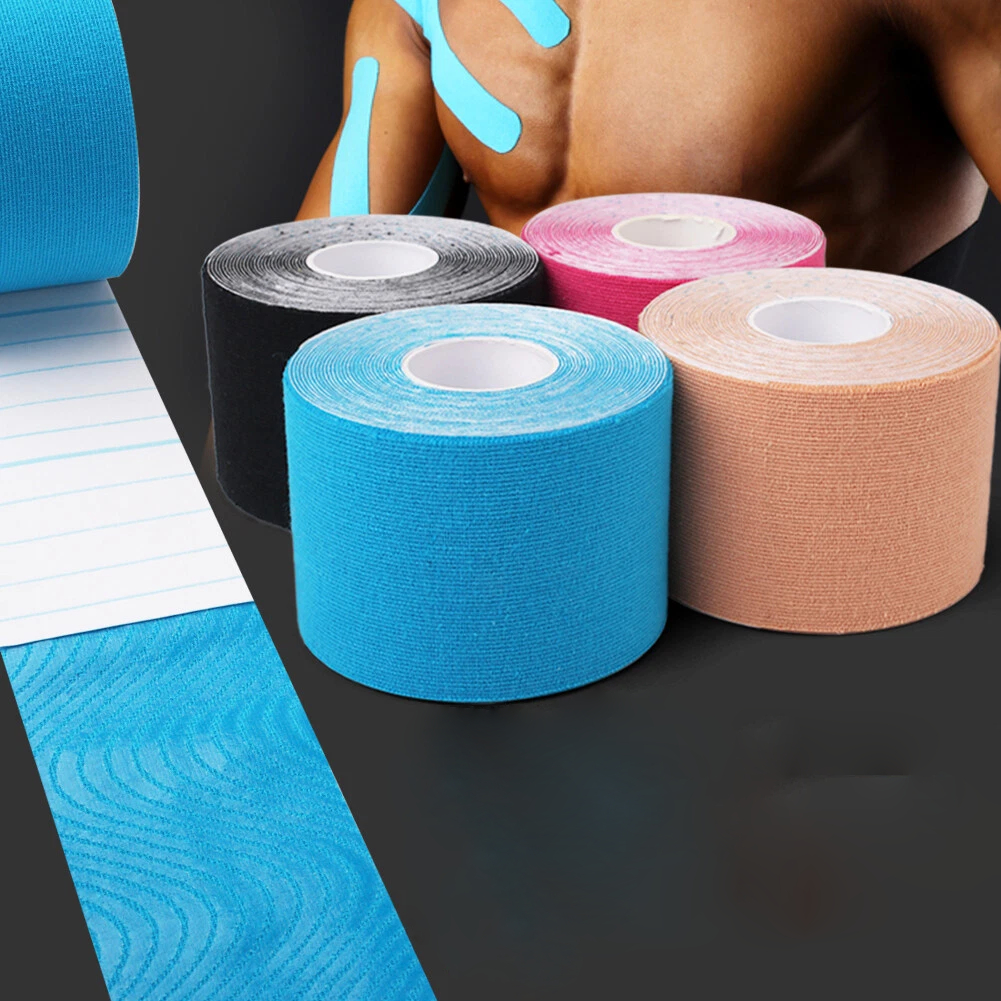
Kinesiology Tape: Non-Invasive Pain Relief and Recovery
Content
- Direct Answer: How Kinesiology Tape Delivers Pain Relief and Stability
- The Lifting Mechanism: How Skin Elevation Reduces Inflammation
- Clinical Evidence Supporting Kinesiology Tape
- Selecting the Right Specification for Your Needs
- Application Fundamentals and Best Practices
- Comparing Kinesiology Tape and Traditional Rigid Tape
- Post-Surgical Rehabilitation and Injury Prevention Applications
- Safety, Durability, and Long-Term Use Considerations
Direct Answer: How Kinesiology Tape Delivers Pain Relief and Stability
Kinesiology tape, also called kinesio tape or kinesiology therapeutic tape, provides immediate, non-invasive pain relief and functional joint support without restricting movement. Its elastic, breathable cotton construction gently lifts the skin, creating a microscopic space that improves blood and lymphatic circulation. This mechanism reduces swelling and inflammation, accelerates soft tissue recovery, and enhances neuromuscular feedback for long-term stability. Trusted in sports medicine, post-surgical rehabilitation, and everyday injury prevention, the tape can be worn continuously for up to 5 days, even during showering or intense activity.
The Lifting Mechanism: How Skin Elevation Reduces Inflammation
Kinesiology tape mimics the elasticity of human skin, stretching up to 140–180% of its resting length. When applied with the correct tension, it recoils and lifts the outer skin layer by approximately 0.1–0.2 mm. This decompression of the interstitial space immediately reduces pressure on pain receptors and small blood vessels.
The micro-lift promotes:
- Enhanced lymphatic drainage, which can increase lymph flow by up to 30% in taped areas.
- Reduced local inflammation and edema without the use of medication.
- Improved oxygen and nutrient delivery to injured soft tissue.
Because the tape stretches in one direction only, it offers dynamic mechanical support while allowing a full, natural range of motion. This makes it fundamentally different from rigid immobilization techniques and allows patients to continue gentle activity during recovery.
Clinical Evidence Supporting Kinesiology Tape
Multiple studies confirm the efficacy of kinesiology tape for pain management and functional improvement. A meta-analysis of randomized controlled trials found that kinesiology tape application reduced chronic musculoskeletal pain by an average of 2.1 points on the visual analog scale compared to placebo or no tape. In a controlled trial on patellofemoral pain syndrome, participants wearing the tape during functional tasks reported a 40% decrease in pain intensity and earlier activation of the vastus medialis muscle.
For functional stability, research on athletes with chronic ankle instability showed that taped subjects experienced 28% fewer episodes of the ankle giving way during jump-landing drills. The tape’s constant gentle pull on the skin stimulates cutaneous mechanoreceptors, sharpening proprioception and correcting faulty movement patterns. This neuromuscular re-education helps restore natural alignment, reduces compensatory strain, and lowers the risk of re-injury.
Selecting the Right Specification for Your Needs
Kinesiology tape is available in multiple widths (typically 2.5 cm, 5 cm, and 7.5 cm), pre-cut strip configurations, and varying degrees of adhesion and stretch. Choosing the correct type ensures optimal performance and comfort. The table below summarizes common specifications and their ideal applications.
| Tape Type | Adhesion Level | Stretch Capacity | Typical Wear Time | Best For |
|---|---|---|---|---|
| Standard Cotton | Moderate | 140–160% | 3–5 days | Daily activity, mild support, postural correction |
| Extra-Adhesive Water-Resistant | High | Up to 180% | Up to 5 days | Swimming, heavy sweating, high-intensity sports |
| Hypoallergenic/Sensitive Skin | Gentle | 140–160% | 2–4 days | Sensitive or fragile skin, pediatric and geriatric use |
Medical-grade tapes from professional kinesiology tape manufacturers carry certifications such as ISO 13485 and CE marking. These ensure biocompatibility, consistent adhesive properties, and freedom from latex and other common irritants. Always verify that the product is breathable, water-resistant, and made from high-quality cotton or synthetic blends.
Application Fundamentals and Best Practices
Proper application is essential for achieving the desired therapeutic effect. The skin must be clean, dry, and free of oils or lotions. The basic rule is to cut the tape to length, round the corners to prevent peeling, and apply the anchor ends with no stretch directly to the skin. The therapeutic middle section is then laid down with the required tension, typically 15–25% stretch for support or 0–10% stretch for lymphatic drainage.
Common cutting shapes and their uses include:
- I-strip: Direct muscle support, tendon offloading, and trigger point therapy.
- Y-strip: Surrounding a muscle belly to relieve tightness and increase circulation.
- Fan strip: Lymphatic drainage for acute swelling; the multiple tails cover a larger area with minimal stretch.
Once applied, firmly rub the tape to activate the heat-sensitive adhesive. The tape can remain in place for up to 5 days, enduring showers and moderate water exposure. To remove, stretch the skin away from the tape and peel gently in the direction of hair growth to avoid skin irritation.
Comparing Kinesiology Tape and Traditional Rigid Tape
Kinesiology tape and traditional athletic tape serve fundamentally different purposes. While rigid tape immobilizes and restricts motion, kinesiology tape works with the body’s natural movement. The table below highlights the major contrasts and why kinesiology tape is often preferred for rehabilitation and active recovery.
| Feature | Kinesiology Tape | Traditional Rigid Tape |
|---|---|---|
| Elasticity | High (up to 180% stretch) | Minimal to none |
| Support Type | Dynamic, allows full range of motion | Rigid immobilization |
| Circulation Effect | Lifts skin, improves lymph and blood flow | May compress and limit circulation |
| Wear Duration | Up to 5 days, water-resistant | Hours; removed after activity |
| Primary Benefit | Pain relief, edema reduction, proprioceptive feedback | Mechanical restriction, joint immobilization |
This distinction explains why kinesiology tape is widely integrated into postoperative protocols, sports performance programs, and everyday posture correction, while rigid tape remains more common in acute injury settings where complete immobilization is necessary.
Post-Surgical Rehabilitation and Injury Prevention Applications
Kinesiology tape plays a proven role in early mobilization after orthopedic surgery. It reduces hematoma and edema by facilitating fluid drainage without impeding incisional healing. After total knee arthroplasty, applying lymphatic fan strips can decrease thigh swelling by up to 25% within the first postoperative week, allowing earlier initiation of range-of-motion exercises.
In injury prevention, the tape’s proprioceptive effect is particularly valuable. Athletes who received kinesiology tape on the shoulder showed improved scapular positioning and muscle activation timing during overhead movements, lowering shoulder impingement risk. For the lower back, a simple lumbar support application reinforces natural lordosis and reduces paraspinal muscle overactivity during prolonged sitting or lifting tasks.
Safety, Durability, and Long-Term Use Considerations
Kinesiology tape is generally safe when used correctly, but a few precautions ensure the best outcome. Never apply it over open wounds, infected skin, or areas with deep vein thrombosis. For first-time users, a 24-hour patch test on a small area of skin is recommended to rule out adhesive sensitivity. Hypoallergenic and latex-free tapes further reduce the risk of irritation.
Water-resistant varieties maintain adhesion through swimming and heavy perspiration. The colored aesthetic options provide visual appeal without altering therapeutic properties. When sourced from a professional kinesiology tape manufacturer with quality system certifications like ISO 13485 and product CE marking, you can expect consistent mechanical performance and biocompatibility. Kinesiology tape works best as part of a comprehensive rehabilitation plan that includes corrective exercise and manual therapy, delivering lasting improvements in function and pain-free movement.
Share:
RECOMMENDED PRODUCTS






















- Asher.cao
- Tel:+86-512-6289 3223
- Mob:+86-176 2548 7782
- Email:Asher.cao@healthline-medical.com
- Whatsapp / Wechat:+86-176 2548 7782
- Skype:+86-176 2548 7782
- Ethan Zhang
- Tel:+86-512-6289 3223
- Mob:+86-19822909189
- Email:ethanzhang@healthline-medical.com
- Whatsapp / Wechat:+86-19822909189
- Skype:+86-19822909189
- Jason Zhang
- Tel:+86-512-6289 3223
- Mob:+86-13152123359
- Email:jason@healthline-medical.com
- Whatsapp / Wechat:+86-13152123359
Copyright © 2025 SUZHOU HEALTHLINE MEDICAL PRODUCTS CO., LTD
All Rights Reserved.
 Sports Tape Manufacturers Cohesive Bandages Suppliers
The information provided on this website is intended for use only in countries and jurisdictions outside of the People's Republic of China.


