
 English
 Español
 русский
 عربى
عربى

- Cotton Kinesiology Tape
- Synthetic Kinesiology Tape
- Nylon Kinesiology Tape
- 4-Way Stretch Elastic Kinesiology Tape
- Standard Kinesiology Tape Roll
- Pre-Cut Kinesiology Tape Strips
- Printed / Pattern Kinesiology Tape
- Perforated Kinesiology Tape (Ventilated)
- Special Shape Kinesiology Tape
- Water-Resistant Kinesiology Tape
- Pregnancy Support Tape
- Face Lift Kinesiology Tape
- Gentle / Beauty Kinesiology Tape
- Veterinary Kinesiology Tape
- Breast Lift Tape
- Customized Kinesiology Tape
- Pre-cut I Strip Kinesiology Tape
- Pre-cut Y Strip Kinesiology Tape
- Pre-cut X Strip Kinesiology Tape
- Knee Kinesiology Tape
- Leg Kinesiology Tape
- Shoulder Kinesiology Tape
- Back Kinesiology Tape
- Waist Kinesiology Tape
- Ankle Kinesiology Tape
- Pregnancy Belly Tape
- Beauty Face Tape
- Solid Color Cohesive Bandage Roll
- Printed & Pattern Cohesive Bandage
- Non-Woven Self-Adhesive Bandage
- Cotton Self-Adhesive Bandage
- PBT Gauze Cohesive Bandage Rolls
- Pet Vet Wrap
- Horse and Cattle Self-Adhesive Bandage
- Veterinary Cohesive Bandage
- Camo Cohesive Wrap Tape
- Military and Tactical Cohesive Bandage
- Tattoo Grip Tape
- Latex Cohesive Bandage
- Latex-Free Cohesive Bandage
- Pet Laminated Self-Adhesive Bandage
- High-Tensile Cohesive Bandage
- Football Sock Wrap Self-Adhesive Bandage
- Sterile Cohesive Bandage
- Special Function Cohesive Bandage
- OEM / Bulk Cohesive Bandage Roll
- Rigid Strapping Tape
- Athletic Tape
- Zinc Oxide Sports Tape
- Rayon Rigid Sports Tape
- Sports Strapping Tape
- Finger Bob Bandages
- Boxing Tape
- Heavyweight Elastic Adhesive Bandage (EAB)
- 93 Cotton Heavyweight Elastic Adhesive Bandages(EAB)
- Athletic Heavyweight Elastic Adhesive Bandage (EAB)
- Lightweight Elastic Adhesive Bandage (EAB)
- Athletic Lightweight Elastic Adhesive Bandage (EAB)
- American Style Elastic Adhesive Bandage (EAB)
- Japanese Style Elastic Adhesive Bandage (EAB)
- Elastic Adhesive Compression Bandage
- Veterinary Elastic Adhesive Bandage (EAB)
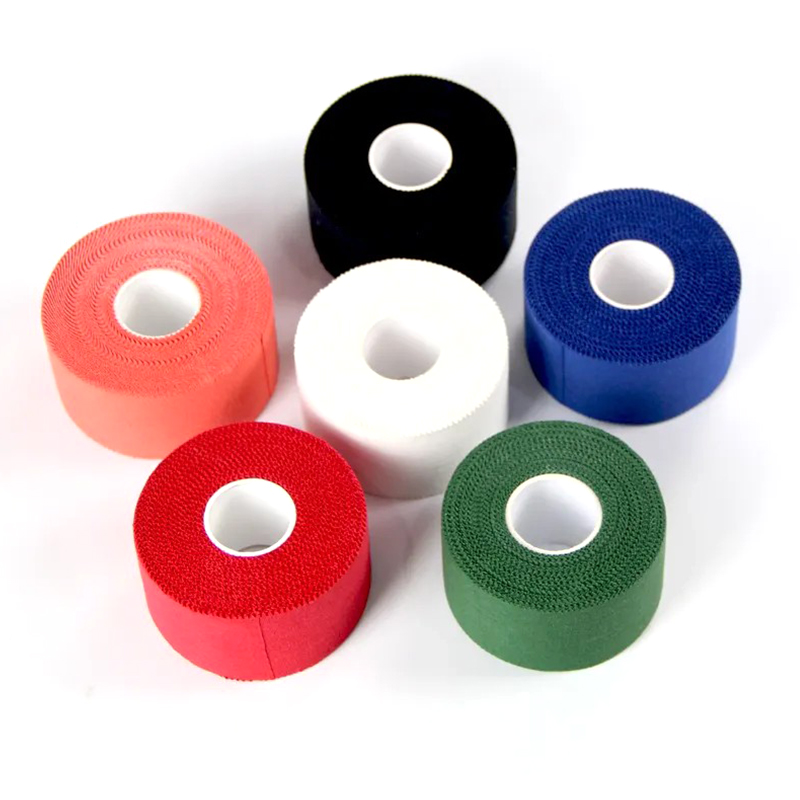
How to Use Rigid Sports Tape Combined with Other Supports for Maximum Injury Protection
Content
- Understanding the Role of Rigid Sports Tape in Injury Management
- Why Combine Rigid Sports Tape with Other Support Methods
- Combining Rigid Sports Tape with Kinesiology Tape
- Using Rigid Sports Tape with Braces and Supports
- Rigid Sports Tape Combined with Rehabilitation Exercises
- Sport-Specific Applications of Combined Taping Techniques
- Common Mistakes When Combining Rigid Sports Tape
- How to Choose the Right Rigid Sports Tape for Combination Use
- Long-Term Benefits of a Combined Support Approach
Understanding the Role of Rigid Sports Tape in Injury Management
Rigid sports tape is widely used in athletic and rehabilitation settings to restrict excessive joint movement and provide immediate structural support. Unlike elastic alternatives, rigid athletic tape is designed to limit motion, making it particularly effective for acute injury management, joint instability, and injury prevention during high-impact sports.
When rigid sports tape is combined with other supports such as braces, kinesiology tape, or targeted exercises, it becomes a more versatile tool. This combined approach allows athletes and active individuals to balance protection, mobility, and recovery without relying on a single intervention.
Why Combine Rigid Sports Tape with Other Support Methods
Using rigid sports tape alone provides excellent stabilization, but it may not address all functional needs. Combining it with complementary methods enhances overall effectiveness and comfort. The goal is to support injured or vulnerable structures while allowing safe movement where necessary.
- Improved joint control without fully immobilizing surrounding muscles
- Reduced risk of tape failure during extended training or competition
- Enhanced comfort and circulation compared to rigid tape alone
Combining Rigid Sports Tape with Kinesiology Tape
One of the most popular combinations is rigid sports tape with kinesiology tape. Each serves a different purpose. Rigid tape limits excessive movement, while kinesiology tape supports muscles, improves proprioception, and promotes circulation.
Practical Application Strategy
Rigid tape is typically applied first to stabilize the joint, such as the ankle or wrist. Kinesiology tape is then applied over or around the area to support surrounding muscles without restricting movement. This layering technique is commonly used in sports like basketball, football, and volleyball.
Using Rigid Sports Tape with Braces and Supports
Braces provide reusable support, but they may shift during intense activity. Rigid sports tape can be used to reinforce braces, ensuring they remain properly positioned throughout training or competition.
| Support Type | Benefit When Combined with Rigid Tape |
| Ankle Brace | Prevents brace movement and increases lateral stability |
| Knee Support | Enhances ligament protection during directional changes |
Rigid Sports Tape Combined with Rehabilitation Exercises
Rigid sports tape is frequently used during early-stage rehabilitation. When combined with controlled exercises, it allows safe movement while preventing re-injury. This approach is common in physical therapy settings where gradual load exposure is essential.
Best Practices for Rehab Integration
- Apply rigid tape to restrict the injured joint’s vulnerable range
- Perform low-impact exercises focusing on strength and stability
- Gradually reduce taping as joint control improves
Sport-Specific Applications of Combined Taping Techniques
Different sports place unique demands on the body. Combining rigid sports tape with other supports allows athletes to customize protection based on movement patterns and injury risk.
In running sports, rigid tape is often combined with elastic wraps for Achilles tendon support. In contact sports, rigid athletic tape paired with padding helps protect fingers, wrists, and shoulders.
Common Mistakes When Combining Rigid Sports Tape
Improper combination techniques can reduce effectiveness or cause discomfort. Over-taping, excessive tightness, or incorrect layering may restrict circulation or limit performance.
- Applying rigid tape too tightly over soft tissue
- Ignoring skin preparation before taping
- Using rigid tape as a long-term substitute for rehabilitation
How to Choose the Right Rigid Sports Tape for Combination Use
Not all rigid sports tapes are the same. Selecting the right tape ensures compatibility with other supports and minimizes skin irritation. High-quality rigid athletic tape should offer strong adhesion, easy tear capability, and breathable material.
For frequent use, hypoallergenic options are recommended, especially when layering tape with braces or kinesiology tape.
Long-Term Benefits of a Combined Support Approach
Using rigid sports tape combined with other supportive methods encourages safer movement patterns and builds confidence during activity. Over time, this approach reduces reliance on rigid support alone and promotes stronger, more resilient joints.
When applied correctly, combined taping strategies support performance, prevent recurring injuries, and provide a practical solution for athletes at all levels.
Share:
RECOMMENDED PRODUCTS


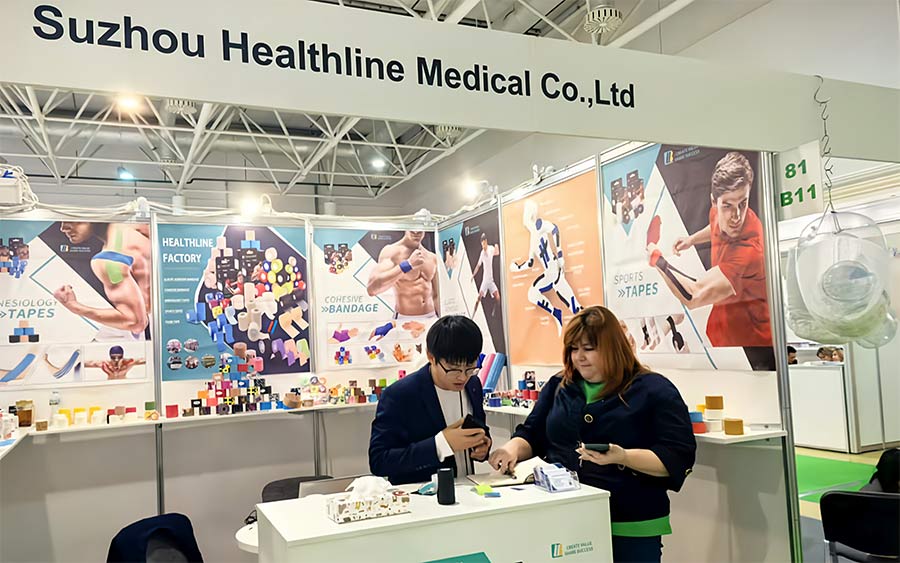
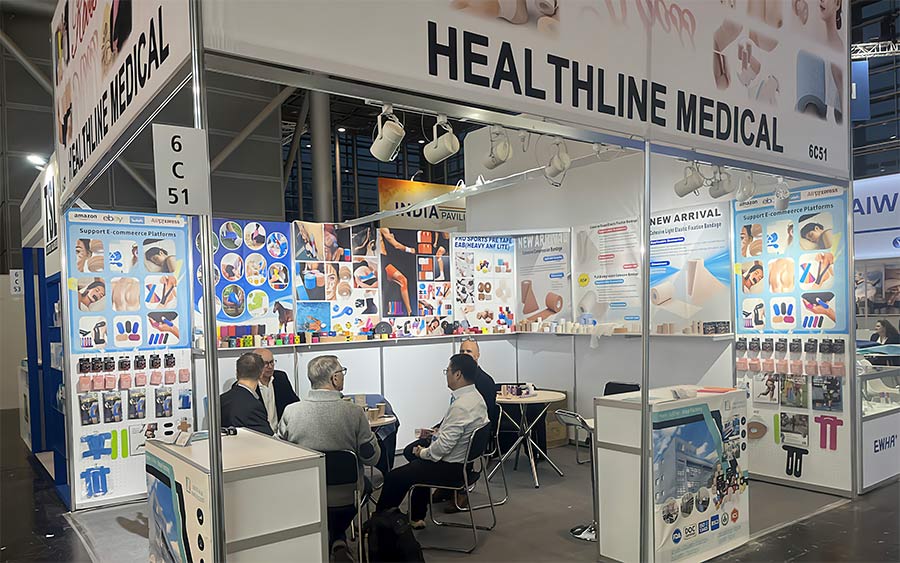
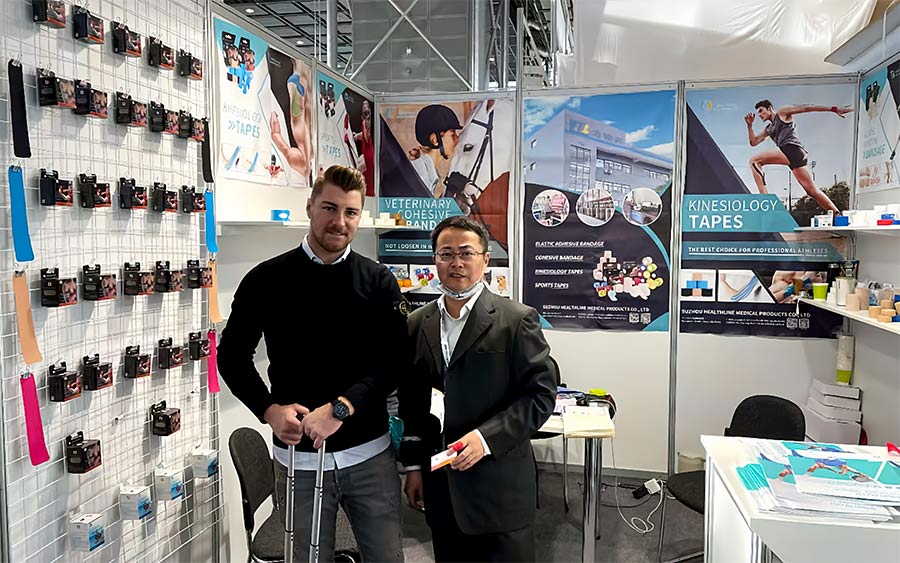
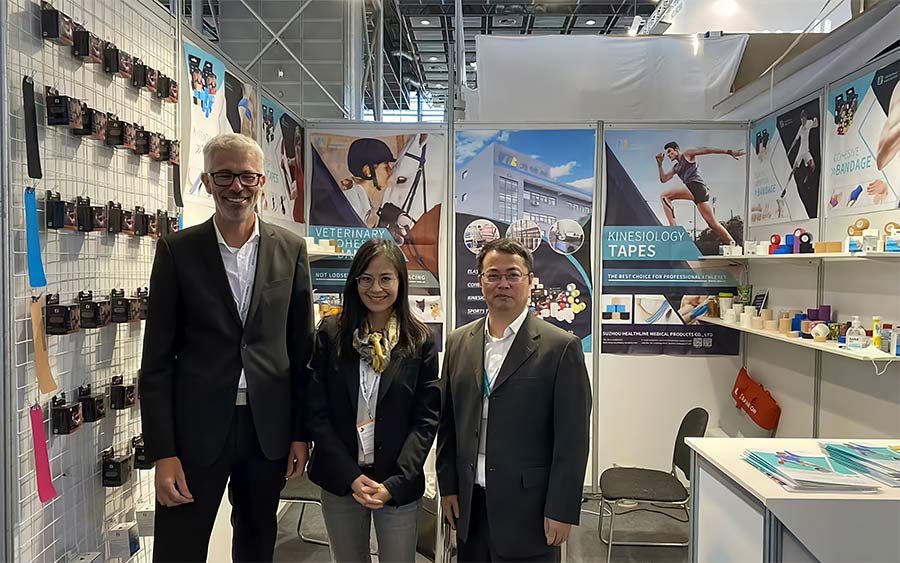
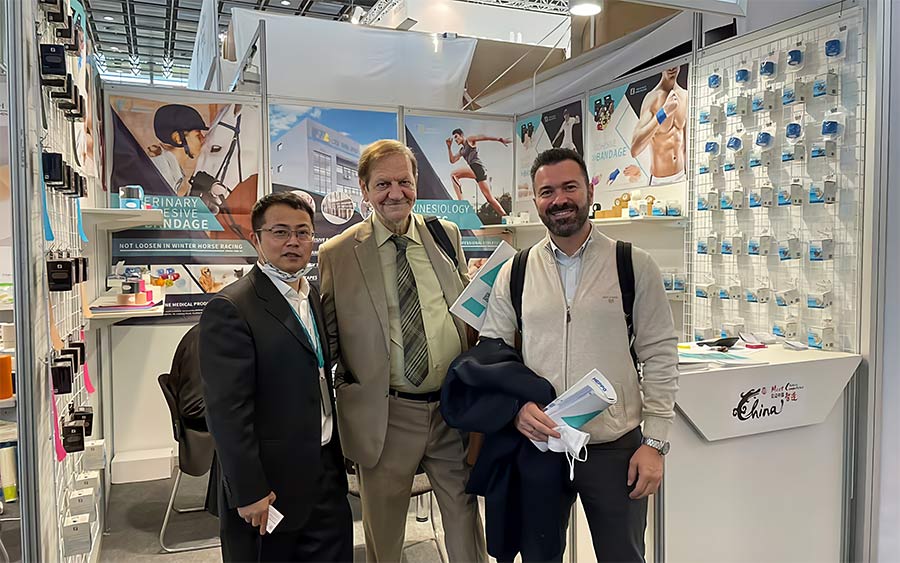
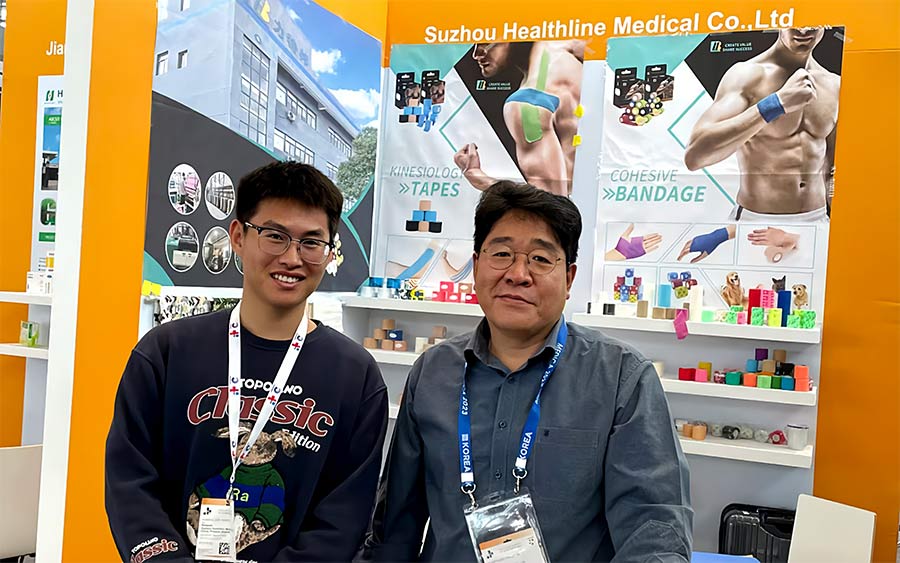
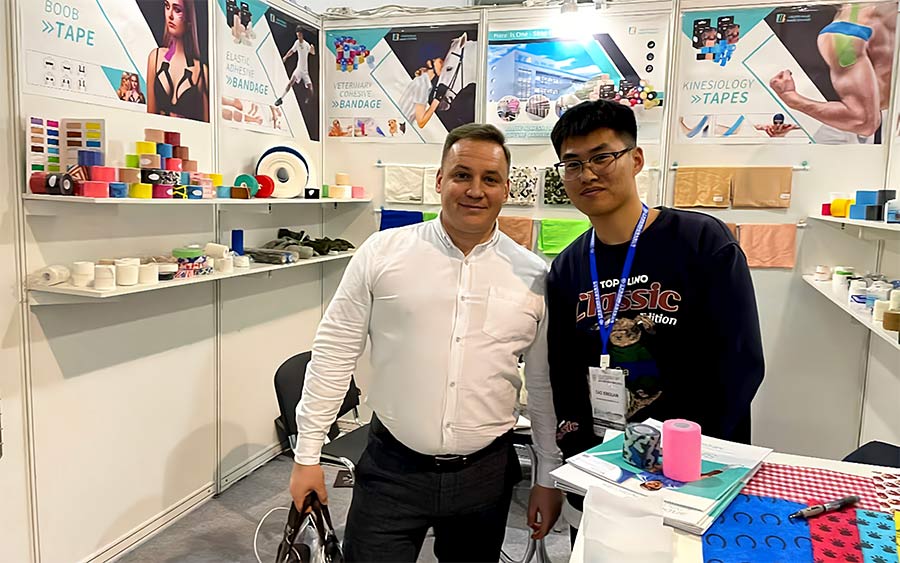
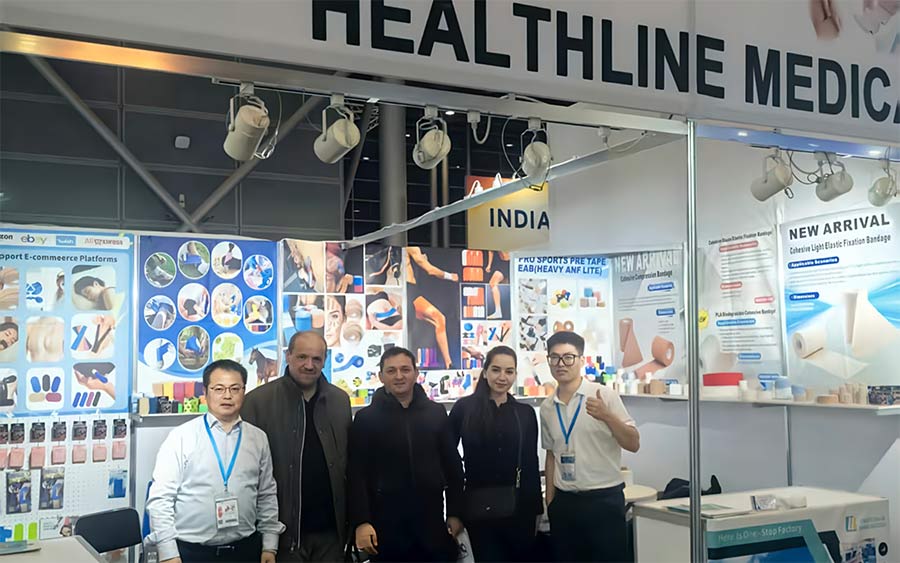
Driven by uncompromising quality, competitive value, and customer-centric service, Healthline’s products are now present in over 50 countries and regions across the globe. As a dedicated OEM/ODM manufacturer of medical cohesive bandages and sports tape, we serve a diverse client portfolio—including hospitals and clinics,veterinary,authorized distributors, government procurement agencies, national pharmacy chains, and retail supermarkets,on-line Amazon,Lotte & Tiktok e-commerce industry .
We are proud to be the long-term OEM/ODM partner for globally recognized names such as Target, CVS, Aldi, Lidl, Carrefour,Tesco, Alliance Boots,Deathlon,Covetrus and Kruuse. Our annual sales volume has maintained a steady year-over-year growth of 15% for consecutive years—a testament to the trust our partners place in us.
In today’s competitive global market, we believe sustainable success comes from continuously delivering superior products and responsive service at a fair price. This philosophy has guided Healthline for three decades, and we are committed to repaying your trust with solutions that help your business grow.














- Asher.cao
- Tel:+86-512-6289 3223
- Mob:+86-176 2548 7782
- Email:Asher.cao@healthline-medical.com
- Whatsapp / Wechat:+86-176 2548 7782
- Skype:+86-176 2548 7782
- Ethan Zhang
- Tel:+86-512-6289 3223
- Mob:+86-19822909189
- Email:ethanzhang@healthline-medical.com
- Whatsapp / Wechat:+86-19822909189
- Skype:+86-19822909189
- Jason Zhang
- Tel:+86-512-6289 3223
- Mob:+86-13152123359
- Email:jason@healthline-medical.com
- Whatsapp / Wechat:+86-13152123359
Copyright © 2025 SUZHOU HEALTHLINE MEDICAL PRODUCTS CO., LTD
All Rights Reserved.
 Sports Tape Manufacturers Cohesive Bandages Suppliers
The information provided on this website is intended for use only in countries and jurisdictions outside of the People's Republic of China.


