
 English
 Español
 русский
 عربى
عربى

- Cotton Kinesiology Tape
- Synthetic Kinesiology Tape
- Nylon Kinesiology Tape
- 4-Way Stretch Elastic Kinesiology Tape
- Standard Kinesiology Tape Roll
- Pre-Cut Kinesiology Tape Strips
- Printed / Pattern Kinesiology Tape
- Perforated Kinesiology Tape (Ventilated)
- Special Shape Kinesiology Tape
- Water-Resistant Kinesiology Tape
- Pregnancy Support Tape
- Face Lift Kinesiology Tape
- Gentle / Beauty Kinesiology Tape
- Veterinary Kinesiology Tape
- Breast Lift Tape
- Customized Kinesiology Tape
- Pre-cut I Strip Kinesiology Tape
- Pre-cut Y Strip Kinesiology Tape
- Pre-cut X Strip Kinesiology Tape
- Knee Kinesiology Tape
- Leg Kinesiology Tape
- Shoulder Kinesiology Tape
- Back Kinesiology Tape
- Waist Kinesiology Tape
- Ankle Kinesiology Tape
- Pregnancy Belly Tape
- Beauty Face Tape
- Solid Color Cohesive Bandage Roll
- Printed & Pattern Cohesive Bandage
- Non-Woven Self-Adhesive Bandage
- Cotton Self-Adhesive Bandage
- PBT Gauze Cohesive Bandage Rolls
- Pet Vet Wrap
- Horse and Cattle Self-Adhesive Bandage
- Veterinary Cohesive Bandage
- Camo Cohesive Wrap Tape
- Military and Tactical Cohesive Bandage
- Tattoo Grip Tape
- Latex Cohesive Bandage
- Latex-Free Cohesive Bandage
- Pet Laminated Self-Adhesive Bandage
- High-Tensile Cohesive Bandage
- Football Sock Wrap Self-Adhesive Bandage
- Sterile Cohesive Bandage
- Special Function Cohesive Bandage
- OEM / Bulk Cohesive Bandage Roll
- Rigid Strapping Tape
- Athletic Tape
- Zinc Oxide Sports Tape
- Rayon Rigid Sports Tape
- Sports Strapping Tape
- Finger Bob Bandages
- Boxing Tape
- Heavyweight Elastic Adhesive Bandage (EAB)
- 93 Cotton Heavyweight Elastic Adhesive Bandages(EAB)
- Athletic Heavyweight Elastic Adhesive Bandage (EAB)
- Lightweight Elastic Adhesive Bandage (EAB)
- Athletic Lightweight Elastic Adhesive Bandage (EAB)
- American Style Elastic Adhesive Bandage (EAB)
- Japanese Style Elastic Adhesive Bandage (EAB)
- Elastic Adhesive Compression Bandage
- Veterinary Elastic Adhesive Bandage (EAB)
Combined with Underwrap Foam: A Practical Guide to Safer, Stronger, and More Comfortable Athletic Taping
Content
- Understanding Underwrap Foam and Why It Matters
- Key Benefits When Combined with Underwrap Foam
- How Underwrap Foam Enhances Athletic Taping Techniques
- Underwrap Foam and Blister Prevention
- Compatibility with Different Types of Tape
- Best Practices for Using Underwrap Foam
- Who Benefits Most from Underwrap Foam
- Long-Term Value and Cost Efficiency
Understanding Underwrap Foam and Why It Matters
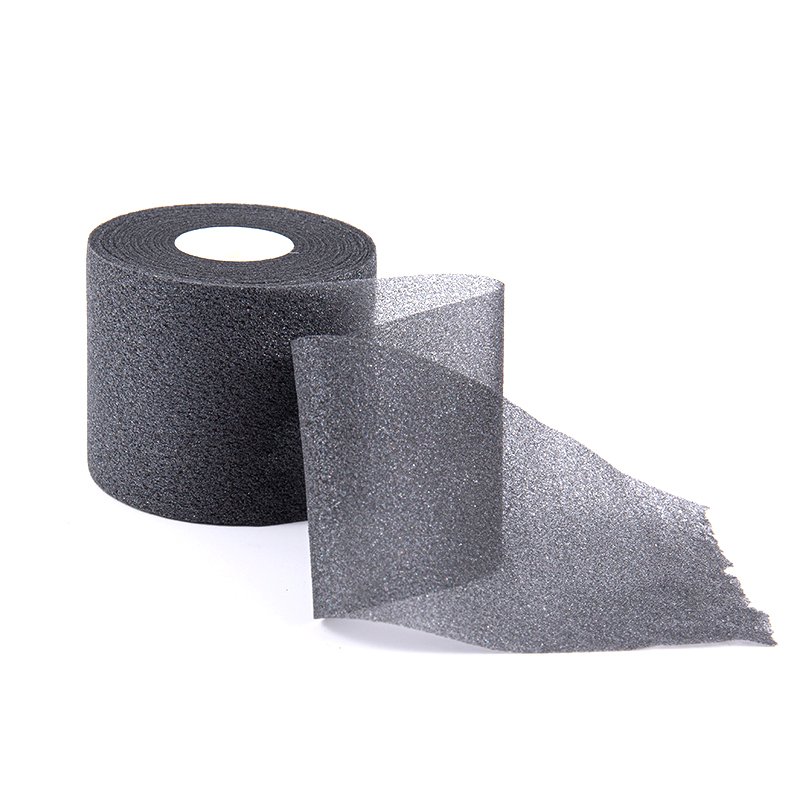
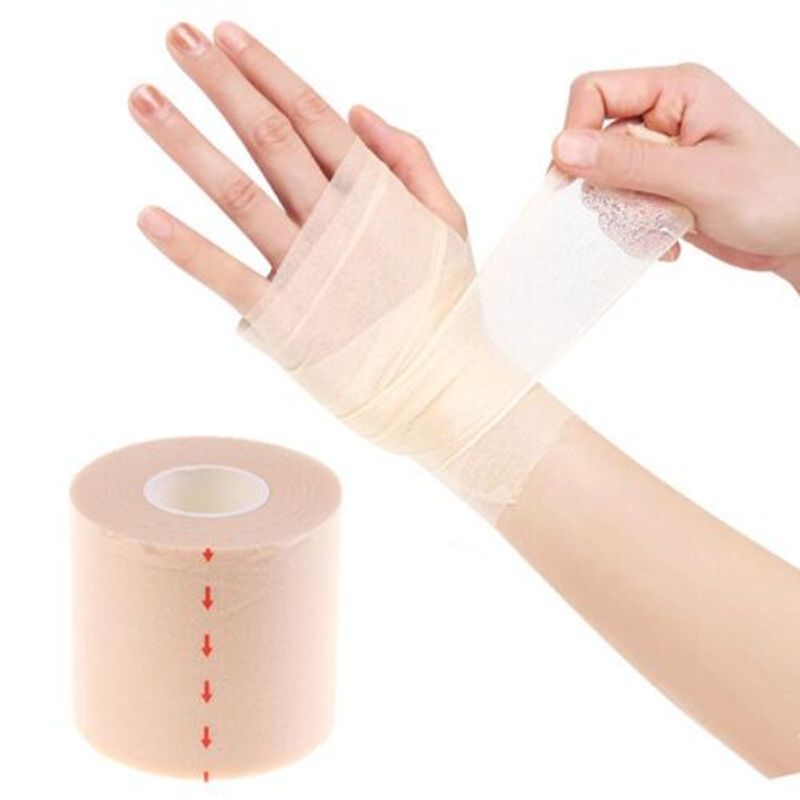
Underwrap foam is a lightweight, porous material placed directly on the skin before applying athletic tape or cohesive bandages. When combined with underwrap foam, taping systems become more comfortable and more effective, especially for athletes who train or compete frequently. The foam acts as a protective barrier that reduces friction, minimizes skin irritation, and improves overall wear time. Unlike adhesive tape alone, underwrap foam helps maintain skin integrity while still allowing the outer layers to deliver compression and support.
Many high-performance sports environments rely on underwrap foam because it is breathable, flexible, and easy to apply. It stretches slightly to adapt to body contours, making it suitable for ankles, wrists, knees, shoulders, and other joints. Combined with underwrap foam, athletic taping becomes a sustainable practice rather than a short-term fix that risks blisters or allergic reactions.
Key Benefits When Combined with Underwrap Foam
Using athletic tape combined with underwrap foam provides advantages that go beyond comfort. These benefits directly affect performance, recovery, and long-term skin health.
- Skin protection: The foam layer reduces direct adhesive contact, lowering the risk of rashes, redness, and tape burns.
- Improved comfort: Athletes can move naturally without the pulling sensation often caused by tape on bare skin.
- Easier removal: Tape applied over underwrap foam is faster and less painful to remove after training or competition.
- Consistent compression: The foam creates an even surface, helping tape maintain uniform pressure.
How Underwrap Foam Enhances Athletic Taping Techniques
Athletic taping is only effective when it is applied correctly. Combined with underwrap foam, traditional taping techniques become more forgiving and adaptable. The foam prevents tape from slipping due to sweat while still allowing minor adjustments during application. This is especially important in fast-paced sports environments where taping must be done quickly and reliably.
For joints like ankles and wrists, underwrap foam helps maintain circulation by reducing localized pressure points. The result is a stable wrap that does not feel restrictive. This balance between support and mobility is why many athletic trainers consider underwrap foam an essential component rather than an optional accessory.
Ankle and Foot Applications
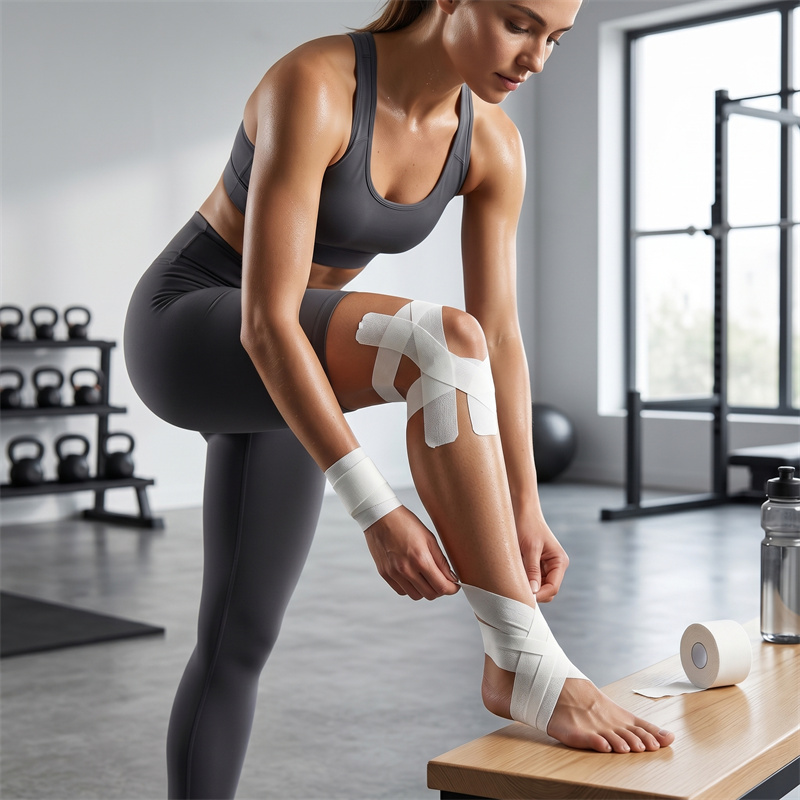
When combined with underwrap foam, ankle taping becomes more comfortable for long sessions. The foam cushions bony areas and reduces friction inside footwear. This is particularly useful for sports that involve repeated cutting and jumping movements.
Wrist and Hand Support
Wrist taping over underwrap foam allows for firm stabilization without limiting finger movement. The foam layer prevents adhesive buildup around the wrist crease, reducing stiffness after removal.
Underwrap Foam and Blister Prevention
Blisters are a common issue for athletes, especially in endurance sports. When footwear or equipment creates repeated friction, skin damage becomes inevitable without proper protection. Combined with underwrap foam, blister prevention strategies become far more effective. The foam reduces shear forces and absorbs minor movements between the skin and outer tape or gear.
Many runners and hikers use foam underwrap rolls on high-risk areas such as heels, arches, and toes. Unlike traditional adhesive pads, underwrap foam conforms easily and stays in place when secured with cohesive wrap or athletic tape.
Compatibility with Different Types of Tape
Underwrap foam works well with a variety of taping materials. Understanding compatibility helps ensure optimal results in different situations.
| Tape Type | Performance with Underwrap Foam |
| Rigid Athletic Tape | Improved comfort and reduced skin stress |
| Elastic Adhesive Bandage | Better conformity and even compression |
| Cohesive Wrap | Enhanced grip without sticking to skin |
Best Practices for Using Underwrap Foam
To maximize the benefits of being combined with underwrap foam, proper application is essential. Start with clean, dry skin to prevent moisture from compromising adhesion. Apply the foam smoothly without excessive stretching, overlapping slightly to ensure full coverage.
- Avoid wrinkles to prevent pressure points.
- Use minimal tension when wrapping foam.
- Secure with tape or cohesive wrap without cutting off circulation.
Who Benefits Most from Underwrap Foam
While professional athletes commonly use underwrap foam, it is equally valuable for recreational athletes, fitness enthusiasts, and individuals undergoing physical rehabilitation. Anyone who tapes regularly can benefit from reduced skin irritation and improved comfort.
Sports with repetitive movements, such as basketball, soccer, running, and weightlifting, see particularly strong advantages when taping systems are combined with underwrap foam. The foam allows consistent training without cumulative skin damage.
Long-Term Value and Cost Efficiency
Although underwrap foam adds a small step to the taping process, it reduces long-term costs associated with skin treatments, tape waste, and missed training sessions. Foam underwrap rolls are lightweight, affordable, and easy to store in gym bags or medical kits.
When combined with underwrap foam, athletic taping becomes a more sustainable practice. Athletes can train consistently, recover efficiently, and maintain healthy skin throughout demanding seasons.
Share:
RECOMMENDED PRODUCTS












- Asher.cao
- Tel:+86-512-6289 3223
- Mob:+86-176 2548 7782
- Email:Asher.cao@healthline-medical.com
- Whatsapp / Wechat:+86-176 2548 7782
- Skype:+86-176 2548 7782
- Ethan Zhang
- Tel:+86-512-6289 3223
- Mob:+86-19822909189
- Email:ethanzhang@healthline-medical.com
- Whatsapp / Wechat:+86-19822909189
- Skype:+86-19822909189
- Jason Zhang
- Tel:+86-512-6289 3223
- Mob:+86-13152123359
- Email:jason@healthline-medical.com
- Whatsapp / Wechat:+86-13152123359
Copyright © 2025 SUZHOU HEALTHLINE MEDICAL PRODUCTS CO., LTD
All Rights Reserved.
 Sports Tape Manufacturers Cohesive Bandages Suppliers
The information provided on this website is intended for use only in countries and jurisdictions outside of the People's Republic of China.


