
 English
 Español
 русский
 عربى
عربى

- Cotton Kinesiology Tape
- Synthetic Kinesiology Tape
- Nylon Kinesiology Tape
- 4-Way Stretch Elastic Kinesiology Tape
- Standard Kinesiology Tape Roll
- Pre-Cut Kinesiology Tape Strips
- Printed / Pattern Kinesiology Tape
- Perforated Kinesiology Tape (Ventilated)
- Special Shape Kinesiology Tape
- Water-Resistant Kinesiology Tape
- Pregnancy Support Tape
- Face Lift Kinesiology Tape
- Gentle / Beauty Kinesiology Tape
- Veterinary Kinesiology Tape
- Breast Lift Tape
- Customized Kinesiology Tape
- Pre-cut I Strip Kinesiology Tape
- Pre-cut Y Strip Kinesiology Tape
- Pre-cut X Strip Kinesiology Tape
- Knee Kinesiology Tape
- Leg Kinesiology Tape
- Shoulder Kinesiology Tape
- Back Kinesiology Tape
- Waist Kinesiology Tape
- Ankle Kinesiology Tape
- Pregnancy Belly Tape
- Beauty Face Tape
- Solid Color Cohesive Bandage Roll
- Printed & Pattern Cohesive Bandage
- Non-Woven Self-Adhesive Bandage
- Cotton Self-Adhesive Bandage
- PBT Gauze Cohesive Bandage Rolls
- Pet Vet Wrap
- Horse and Cattle Self-Adhesive Bandage
- Veterinary Cohesive Bandage
- Camo Cohesive Wrap Tape
- Military and Tactical Cohesive Bandage
- Tattoo Grip Tape
- Latex Cohesive Bandage
- Latex-Free Cohesive Bandage
- Pet Laminated Self-Adhesive Bandage
- High-Tensile Cohesive Bandage
- Football Sock Wrap Self-Adhesive Bandage
- Sterile Cohesive Bandage
- Special Function Cohesive Bandage
- OEM / Bulk Cohesive Bandage Roll
- Rigid Strapping Tape
- Athletic Tape
- Zinc Oxide Sports Tape
- Rayon Rigid Sports Tape
- Sports Strapping Tape
- Finger Bob Bandages
- Boxing Tape
- Heavyweight Elastic Adhesive Bandage (EAB)
- 93 Cotton Heavyweight Elastic Adhesive Bandages(EAB)
- Athletic Heavyweight Elastic Adhesive Bandage (EAB)
- Lightweight Elastic Adhesive Bandage (EAB)
- Athletic Lightweight Elastic Adhesive Bandage (EAB)
- American Style Elastic Adhesive Bandage (EAB)
- Japanese Style Elastic Adhesive Bandage (EAB)
- Elastic Adhesive Compression Bandage
- Veterinary Elastic Adhesive Bandage (EAB)
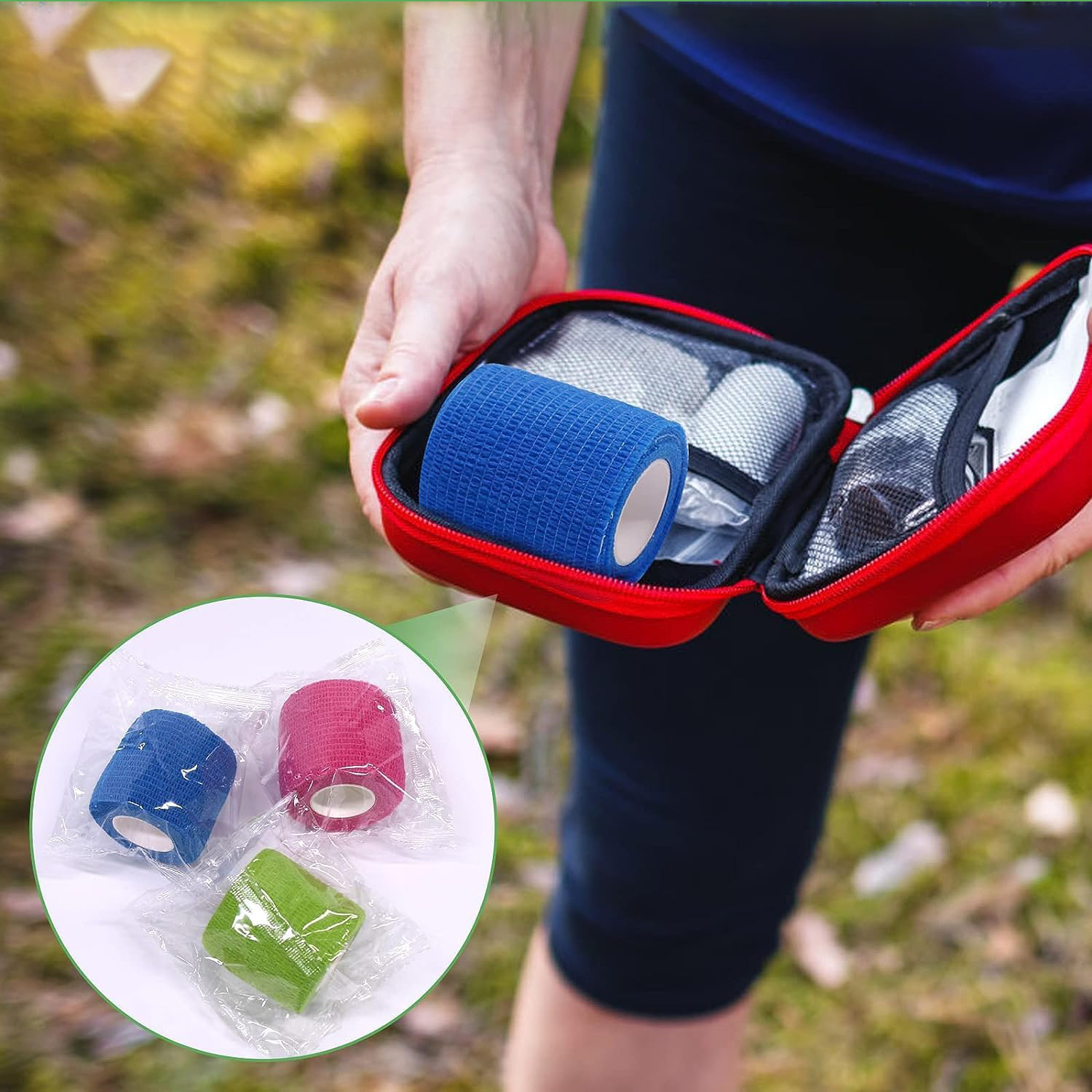
Self-Adhesive Bandages: Practical Selection, Proper Use, and Performance Insights for Everyday Wound Care
Content
- Understanding What Self-Adhesive Bandages Are and How They Work
- Key Materials Used in Self-Adhesive Bandages
- Practical Applications in Medical and Everyday Settings
- How to Choose the Right Self-Adhesive Bandage for Specific Needs
- Correct Application Techniques for Secure and Comfortable Wear
- Skin Safety and Breathability Considerations
- Durability, Water Resistance, and Daily Performance
- Storage, Shelf Life, and Hygiene Management
- Evaluating Cost Efficiency and Long-Term Value
Understanding What Self-Adhesive Bandages Are and How They Work
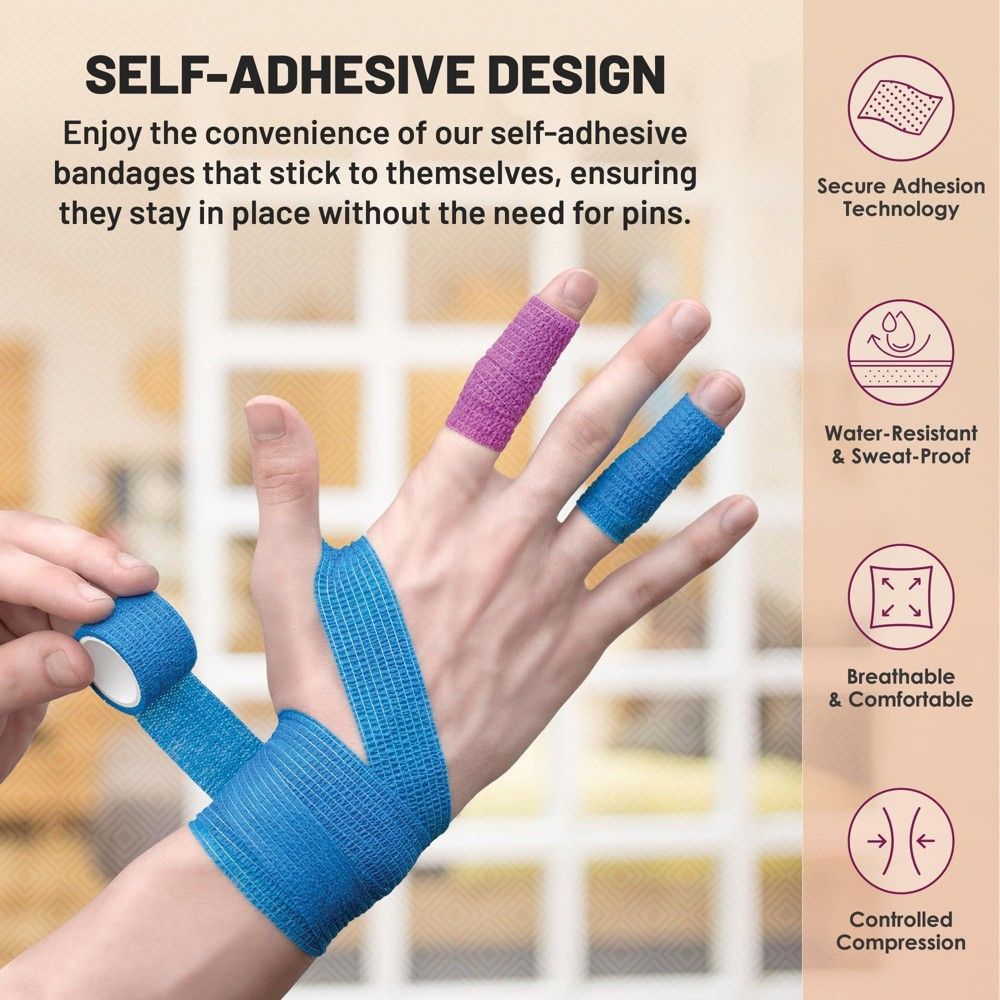
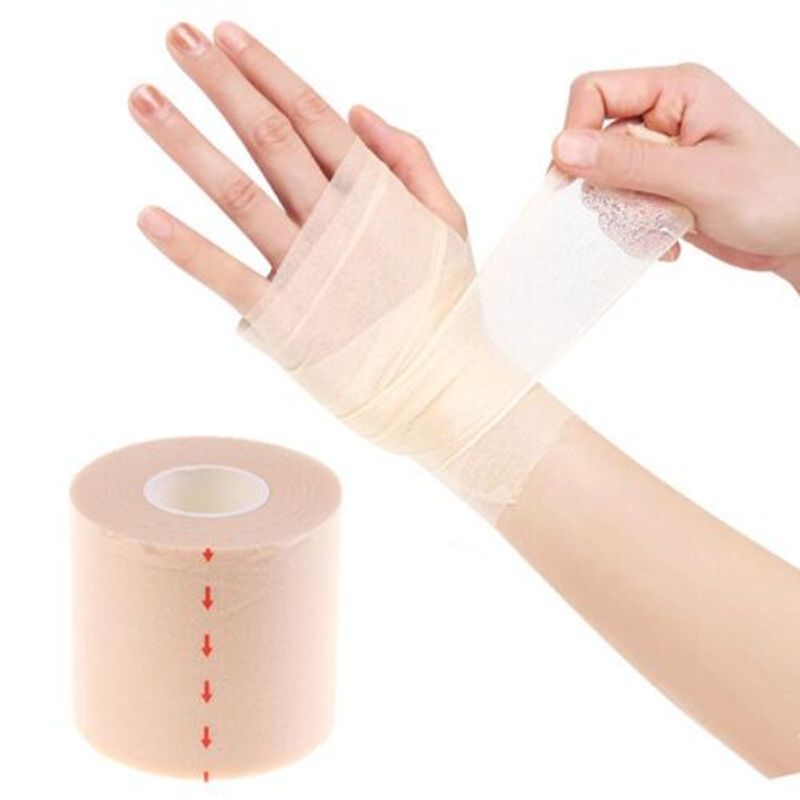
Self-adhesive bandages are elastic wound-care wraps designed to adhere to themselves rather than to skin, hair, or clothing. Unlike traditional adhesive bandages that rely on glue, these bandages use a cohesive coating that bonds upon contact with similar material. This design minimizes skin irritation while providing stable compression and protection. They are commonly used in first aid, sports injury management, veterinary care, and post-procedure support.
The cohesive structure allows the bandage to remain in place during movement without slipping. At the same time, removal is easier and less painful, making self-adhesive bandages suitable for frequent dressing changes. Their flexibility and breathable construction help maintain airflow while stabilizing the injured area.
Key Materials Used in Self-Adhesive Bandages
Material composition directly affects elasticity, comfort, durability, and skin tolerance. Most self-adhesive bandages are manufactured using non-woven fabric or cotton blends combined with elastic fibers and cohesive coatings.
- Non-woven fabric: Lightweight, breathable, and suitable for extended wear without overheating the skin.
- Cotton elastic blends: Offer improved softness and moisture absorption for sensitive or injured skin.
- Latex-free cohesive coatings: Reduce the risk of allergic reactions while maintaining secure self-adhesion.
Choosing the right material ensures adequate compression without restricting blood circulation, particularly for joints and limbs that move frequently.
Practical Applications in Medical and Everyday Settings
Self-adhesive bandages are widely used across professional healthcare and home first aid due to their adaptability. In clinical settings, they help secure wound dressings, stabilize IV lines, and support soft tissue injuries. At home, they are commonly included in first aid kits for minor cuts, sprains, and swelling control.
In sports and fitness environments, cohesive bandage wraps are favored for ankle, wrist, and knee support. Their ability to conform to body contours while maintaining tension makes them effective for temporary compression during physical activity.
How to Choose the Right Self-Adhesive Bandage for Specific Needs
Selecting the appropriate self-adhesive bandage depends on usage purpose, required compression level, and skin sensitivity. Width and length should match the body area to ensure adequate coverage without excessive overlap.
| Application Area | Recommended Width | Compression Level |
| Fingers / Toes | 2.5 cm | Light |
| Wrist / Ankle | 5 cm | Moderate |
| Knee / Elbow | 7.5 cm | Firm |
Users should avoid excessive tightness, especially in areas prone to swelling. Proper sizing improves comfort and reduces the risk of circulation issues.
Correct Application Techniques for Secure and Comfortable Wear
Correct application significantly affects performance. The bandage should be applied with consistent tension, overlapping each layer by approximately half its width. Stretching the material too tightly can cause discomfort or restrict blood flow.
- Clean and dry the area before wrapping to prevent moisture buildup.
- Start wrapping below the injury and move upward to support circulation.
- Press gently to activate self-adhesion rather than pulling excessively.
Proper technique ensures the bandage stays in place during daily activities while maintaining comfort over extended periods.
Skin Safety and Breathability Considerations
Skin health is a critical factor when using self-adhesive bandages for prolonged wear. Breathable structures help reduce sweat accumulation and lower the risk of maceration. Latex-free options are particularly important for users with sensitive skin or allergies.
Periodic removal allows the skin to recover and enables inspection for irritation or pressure marks. If redness or numbness occurs, the bandage should be removed and reapplied with reduced tension.
Durability, Water Resistance, and Daily Performance
High-quality self-adhesive bandages maintain cohesion even under light moisture exposure, such as sweat or brief contact with water. While not fully waterproof, they generally retain structure better than traditional adhesive tapes.
Durability is influenced by fabric density and elastic recovery. Premium cohesive bandage wraps can be worn throughout the day without frequent reapplication, making them cost-effective for regular use.
Storage, Shelf Life, and Hygiene Management
Proper storage helps maintain adhesive performance. Self-adhesive bandages should be kept in a cool, dry environment away from direct sunlight. Excessive heat can weaken cohesive properties over time.
Once opened, rolls should be protected from dust and contaminants. In medical or sports settings, single-use application is recommended to maintain hygiene standards and reduce infection risk.
Evaluating Cost Efficiency and Long-Term Value
While self-adhesive bandages may appear more expensive than basic adhesive tape, their reusability and reduced need for additional fasteners improve overall value. Their versatility across multiple applications further enhances cost efficiency.
For households, clinics, and athletic programs, investing in reliable cohesive bandage wraps ensures consistent performance, reduced waste, and improved user comfort in everyday wound care scenarios.
Share:
RECOMMENDED PRODUCTS











- Asher.cao
- Tel:+86-512-6289 3223
- Mob:+86-176 2548 7782
- Email:Asher.cao@healthline-medical.com
- Whatsapp / Wechat:+86-176 2548 7782
- Skype:+86-176 2548 7782
- Ethan Zhang
- Tel:+86-512-6289 3223
- Mob:+86-19822909189
- Email:ethanzhang@healthline-medical.com
- Whatsapp / Wechat:+86-19822909189
- Skype:+86-19822909189
- Jason Zhang
- Tel:+86-512-6289 3223
- Mob:+86-13152123359
- Email:jason@healthline-medical.com
- Whatsapp / Wechat:+86-13152123359
Copyright © 2025 SUZHOU HEALTHLINE MEDICAL PRODUCTS CO., LTD
All Rights Reserved.
 Sports Tape Manufacturers Cohesive Bandages Suppliers
The information provided on this website is intended for use only in countries and jurisdictions outside of the People's Republic of China.


