
 English
 Español
 русский
 عربى
عربى

- Cotton Kinesiology Tape
- Synthetic Kinesiology Tape
- Nylon Kinesiology Tape
- 4-Way Stretch Elastic Kinesiology Tape
- Standard Kinesiology Tape Roll
- Pre-Cut Kinesiology Tape Strips
- Printed / Pattern Kinesiology Tape
- Perforated Kinesiology Tape (Ventilated)
- Special Shape Kinesiology Tape
- Water-Resistant Kinesiology Tape
- Pregnancy Support Tape
- Face Lift Kinesiology Tape
- Gentle / Beauty Kinesiology Tape
- Veterinary Kinesiology Tape
- Breast Lift Tape
- Customized Kinesiology Tape
- Pre-cut I Strip Kinesiology Tape
- Pre-cut Y Strip Kinesiology Tape
- Pre-cut X Strip Kinesiology Tape
- Knee Kinesiology Tape
- Leg Kinesiology Tape
- Shoulder Kinesiology Tape
- Back Kinesiology Tape
- Waist Kinesiology Tape
- Ankle Kinesiology Tape
- Pregnancy Belly Tape
- Beauty Face Tape
- Solid Color Cohesive Bandage Roll
- Printed & Pattern Cohesive Bandage
- Non-Woven Self-Adhesive Bandage
- Cotton Self-Adhesive Bandage
- PBT Gauze Cohesive Bandage Rolls
- Pet Vet Wrap
- Horse and Cattle Self-Adhesive Bandage
- Veterinary Cohesive Bandage
- Camo Cohesive Wrap Tape
- Military and Tactical Cohesive Bandage
- Tattoo Grip Tape
- Latex Cohesive Bandage
- Latex-Free Cohesive Bandage
- Pet Laminated Self-Adhesive Bandage
- High-Tensile Cohesive Bandage
- Football Sock Wrap Self-Adhesive Bandage
- Sterile Cohesive Bandage
- Special Function Cohesive Bandage
- OEM / Bulk Cohesive Bandage Roll
- Rigid Strapping Tape
- Athletic Tape
- Zinc Oxide Sports Tape
- Rayon Rigid Sports Tape
- Sports Strapping Tape
- Finger Bob Bandages
- Boxing Tape
- Heavyweight Elastic Adhesive Bandage (EAB)
- 93 Cotton Heavyweight Elastic Adhesive Bandages(EAB)
- Athletic Heavyweight Elastic Adhesive Bandage (EAB)
- Lightweight Elastic Adhesive Bandage (EAB)
- Athletic Lightweight Elastic Adhesive Bandage (EAB)
- American Style Elastic Adhesive Bandage (EAB)
- Japanese Style Elastic Adhesive Bandage (EAB)
- Elastic Adhesive Compression Bandage
- Veterinary Elastic Adhesive Bandage (EAB)
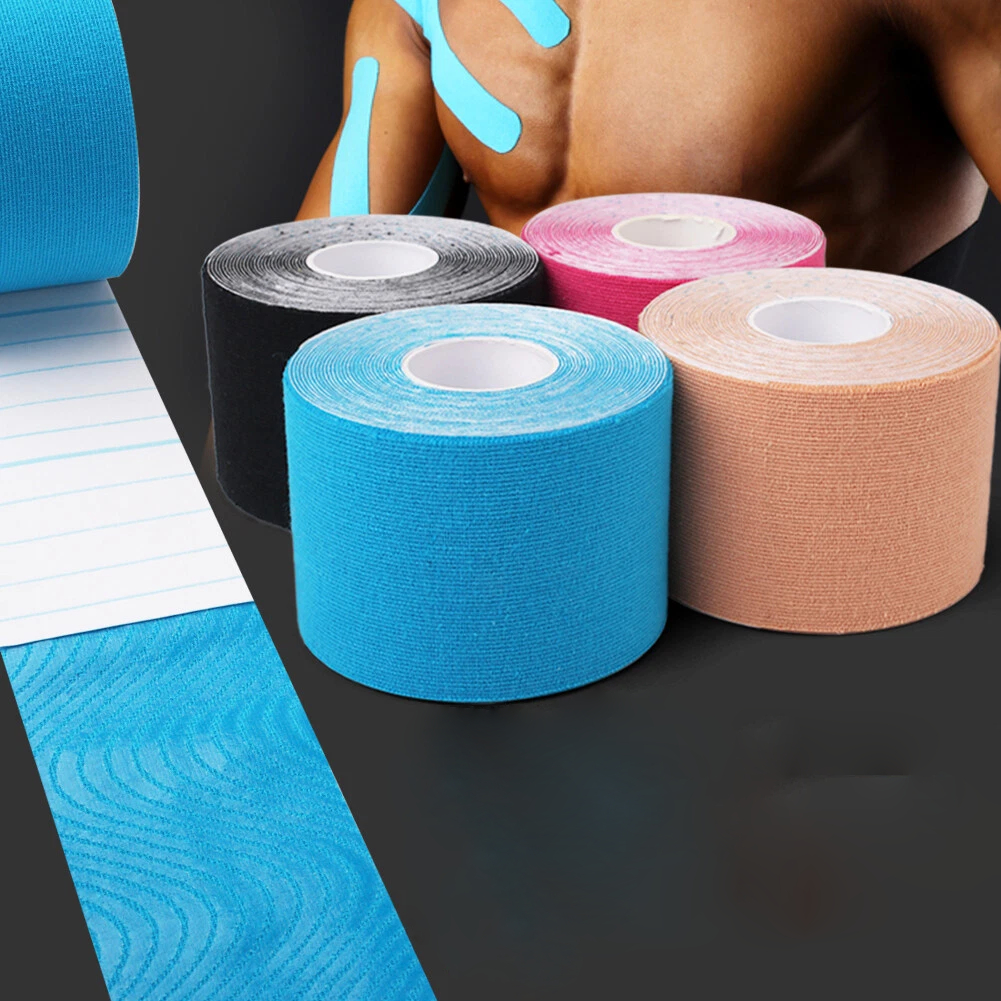
The Science of Modern Kinesiology Tape: Enhancing Performance and Recovery
Content
Introduction: From Niche Tool to Mainstream Essential
Once primarily seen on elite athletes during major competitions, kinesiology tape—also known as therapeutic elastic tape or sports tape—is now ubiquitous in gyms, clinics, and sports fields worldwide. This specialized tape represents a significant shift from traditional rigid athletic tape, offering dynamic support that moves with the body. But what distinguishes it, and how does it deliver its purported benefits for both performance and recovery?
Core Technology & Mechanism of Action
Modern kinesiology tape is a thin, elastic, cotton-based strip with a medical-grade acrylic adhesive. Its engineered elasticity (able to stretch 120-140% of its original length) is key to its function. Unlike rigid white athletic tape, which immobilizes joints, kinesiology tape is designed to facilitate natural movement while providing sensory feedback and physical support.
Its primary mechanisms are:
Neuromuscular Facilitation: The tape’s unique recoiling action gently lifts the skin and underlying connective tissue (fascia). This creates subtle decompression, which may help improve blood and lymphatic flow, potentially reducing swelling and inflammation.
Proprioceptive Enhancement: The constant tactile stimulus on the skin improves body awareness (proprioception). This feedback helps the brain better sense the position, motion, and tension of muscles and joints, potentially leading to improved movement patterns and a slight, reflexive activation of underused muscles or inhibition of overused ones.
Pain Modulation (Gate Control Theory): The tape’s input on skin receptors can help interfere with the transmission of local pain signals to the brain, providing a degree of analgesic effect.
Key Applications in Sports and Rehabilitation
Kinesiology tape serves multiple purposes for athletes and active individuals:
Performance Support: Applied over key muscle groups like the quadriceps, calves, or shoulders, it can provide a sensation of support and stability during explosive or endurance activities, potentially optimizing muscle firing sequences.
Injury Management and Prevention: It is commonly used for mild joint instabilities (e.g., shoulder impingement, mild ankle sprains, patellar tracking issues) by offering dynamic stabilization without restricting the full range of motion needed for performance.
Post-Exercise Recovery: Taping over areas with delayed onset muscle soreness (DOMS) or along lymphatic pathways may support circulation and aid in the clearance of metabolic waste, potentially speeding up recovery time.
Posture and Gait Retraining: Physical therapists use the tape’s directional tension to provide gentle, constant cues to improve scapular positioning, spinal alignment, or foot strike, encouraging proper neuromuscular patterning.
Practical Considerations and Best Practices
Application is Crucial: Effectiveness heavily depends on correct technique—including the direction of stretch, anchor points, and tape tension. Learning from a certified professional (e.g., physical therapist, athletic trainer) is highly recommended for self-application.
A Tool, Not a Cure-All: Kinesiology tape is an excellent adjunct to a comprehensive program of strength training, proper conditioning, and skilled medical care. It does not replace foundational rehabilitation or treat serious structural injuries.
Material Matters: Quality varies. Look for hypoallergenic, breathable, and water-resistant tapes for durability during sweat or aquatic activities.
Conclusion: Integrating Technology with Physiology
Kinesiology tape has cemented its place in sports medicine by merging material science with an understanding of human physiology. When applied knowledgeably, it offers a versatile, non-invasive, and non-pharmacological option for athletes seeking an edge in performance support, injury prevention, and recovery. As research continues to evolve, so too will the precision and applications of this innovative tool in optimizing human movement.
Share:
RECOMMENDED PRODUCTS















- Asher.cao
- Tel:+86-512-6289 3223
- Mob:+86-176 2548 7782
- Email:Asher.cao@healthline-medical.com
- Whatsapp / Wechat:+86-176 2548 7782
- Skype:+86-176 2548 7782
- Ethan Zhang
- Tel:+86-512-6289 3223
- Mob:+86-19822909189
- Email:ethanzhang@healthline-medical.com
- Whatsapp / Wechat:+86-19822909189
- Skype:+86-19822909189
- Jason Zhang
- Tel:+86-512-6289 3223
- Mob:+86-13152123359
- Email:jason@healthline-medical.com
- Whatsapp / Wechat:+86-13152123359
Copyright © 2025 SUZHOU HEALTHLINE MEDICAL PRODUCTS CO., LTD
All Rights Reserved.
 Sports Tape Manufacturers Cohesive Bandages Suppliers
The information provided on this website is intended for use only in countries and jurisdictions outside of the People's Republic of China.


