
 English
 Español
 русский
 عربى
عربى

- Cotton Kinesiology Tape
- Synthetic Kinesiology Tape
- Nylon Kinesiology Tape
- 4-Way Stretch Elastic Kinesiology Tape
- Standard Kinesiology Tape Roll
- Pre-Cut Kinesiology Tape Strips
- Printed / Pattern Kinesiology Tape
- Perforated Kinesiology Tape (Ventilated)
- Special Shape Kinesiology Tape
- Water-Resistant Kinesiology Tape
- Pregnancy Support Tape
- Face Lift Kinesiology Tape
- Gentle / Beauty Kinesiology Tape
- Veterinary Kinesiology Tape
- Breast Lift Tape
- Customized Kinesiology Tape
- Pre-cut I Strip Kinesiology Tape
- Pre-cut Y Strip Kinesiology Tape
- Pre-cut X Strip Kinesiology Tape
- Knee Kinesiology Tape
- Leg Kinesiology Tape
- Shoulder Kinesiology Tape
- Back Kinesiology Tape
- Waist Kinesiology Tape
- Ankle Kinesiology Tape
- Pregnancy Belly Tape
- Beauty Face Tape
- Solid Color Cohesive Bandage Roll
- Printed & Pattern Cohesive Bandage
- Non-Woven Self-Adhesive Bandage
- Cotton Self-Adhesive Bandage
- PBT Gauze Cohesive Bandage Rolls
- Pet Vet Wrap
- Horse and Cattle Self-Adhesive Bandage
- Veterinary Cohesive Bandage
- Camo Cohesive Wrap Tape
- Military and Tactical Cohesive Bandage
- Tattoo Grip Tape
- Latex Cohesive Bandage
- Latex-Free Cohesive Bandage
- Pet Laminated Self-Adhesive Bandage
- High-Tensile Cohesive Bandage
- Football Sock Wrap Self-Adhesive Bandage
- Sterile Cohesive Bandage
- Special Function Cohesive Bandage
- OEM / Bulk Cohesive Bandage Roll
- Rigid Strapping Tape
- Athletic Tape
- Zinc Oxide Sports Tape
- Rayon Rigid Sports Tape
- Sports Strapping Tape
- Finger Bob Bandages
- Boxing Tape
- Heavyweight Elastic Adhesive Bandage (EAB)
- 93 Cotton Heavyweight Elastic Adhesive Bandages(EAB)
- Athletic Heavyweight Elastic Adhesive Bandage (EAB)
- Lightweight Elastic Adhesive Bandage (EAB)
- Athletic Lightweight Elastic Adhesive Bandage (EAB)
- American Style Elastic Adhesive Bandage (EAB)
- Japanese Style Elastic Adhesive Bandage (EAB)
- Elastic Adhesive Compression Bandage
- Veterinary Elastic Adhesive Bandage (EAB)
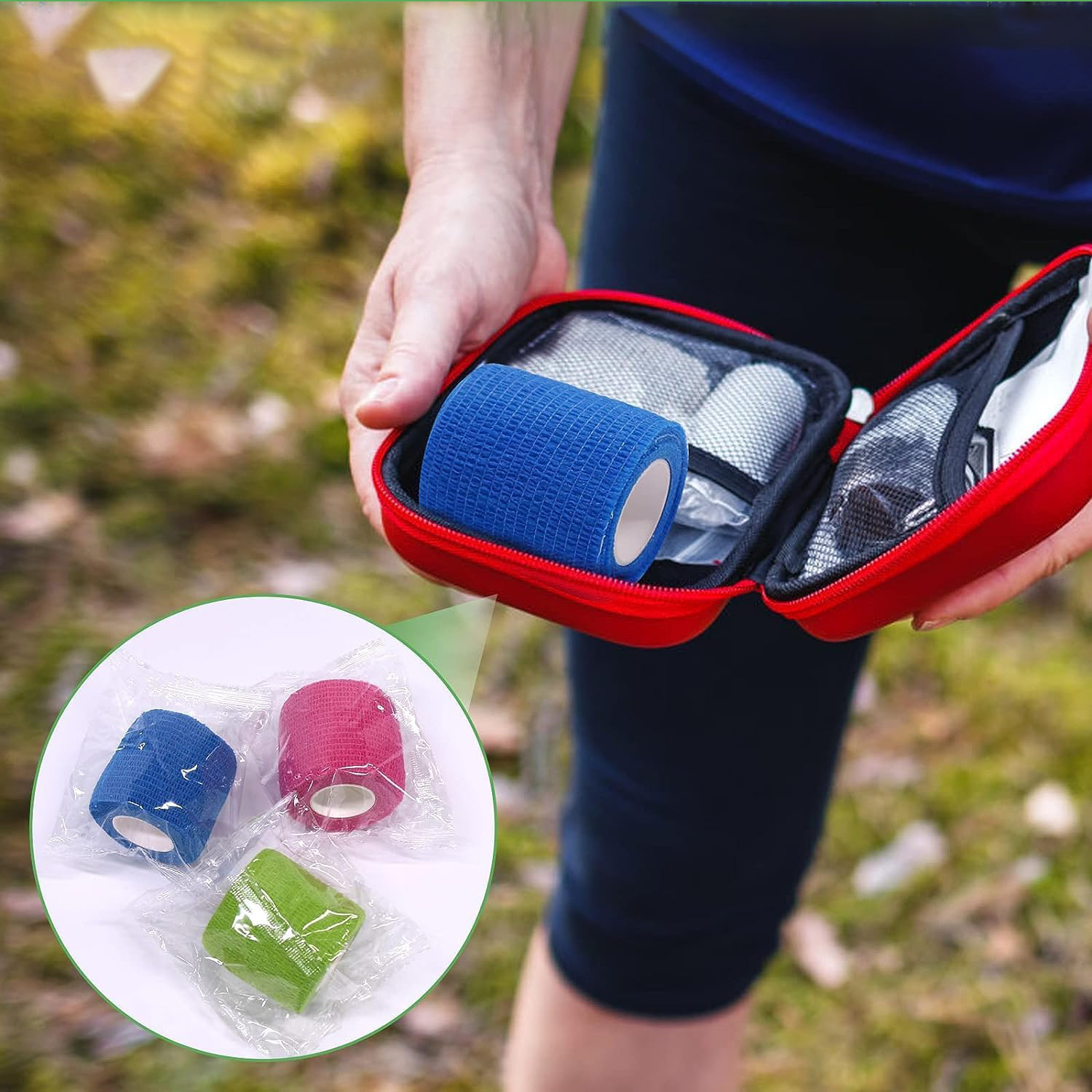
What Is Sports Tape Used For? Benefits & Applications Explained
Content
Sports tape is a specialized adhesive material designed to support muscles and joints, prevent injuries, and enhance athletic performance. Athletes across all levels use it to stabilize vulnerable areas, reduce pain, and maintain mobility during physical activity. The tape works by providing external support to soft tissues while allowing enough flexibility for movement.
Available in various types including rigid athletic tape, elastic kinesiology tape, and cohesive bandages, sports tape has become an essential tool in both professional sports medicine and recreational fitness. Its applications range from ankle stabilization in basketball players to postural support in office workers recovering from injuries.
Primary Functions of Sports Tape
Joint Stabilization and Support
The most common use of sports tape is stabilizing joints that are prone to injury or have been previously injured. Ankle taping can reduce the risk of sprains by up to 70% according to studies in athletic training journals. The tape limits excessive movement that could cause ligament damage while still permitting the joint to function normally within safe ranges.
Common areas for stabilization include:
- Ankles – preventing inversion sprains in running and jumping sports
- Knees – supporting the patella and reducing lateral movement
- Wrists – limiting hyperextension in racquet sports and gymnastics
- Shoulders – controlling range of motion in overhead activities
Injury Prevention
Beyond treating existing injuries, sports tape serves as a preventive measure. Athletes often tape vulnerable areas before competition, particularly when fatigue sets in during the later stages of events. Research from the American Journal of Sports Medicine shows that prophylactic taping reduces the incidence of first-time ankle injuries by approximately 40% in high-risk sports like soccer and volleyball.
Pain Management and Inflammation Reduction
Kinesiology tape, in particular, is designed to lift the skin slightly, creating space that may improve lymphatic drainage and blood circulation. While the mechanism remains debated in scientific literature, many athletes report reduced pain perception and decreased swelling when using elastic tape for conditions like shin splints, tennis elbow, and minor muscle strains.
Types of Sports Tape and Their Specific Uses
| Tape Type | Characteristics | Best Used For |
|---|---|---|
| Rigid Athletic Tape | Non-elastic, strong adhesive | Maximum joint restriction, acute injury support |
| Kinesiology Tape | Elastic, breathable, water-resistant | Muscle support, pain relief, maintaining movement |
| Cohesive Bandage | Sticks to itself, reusable | Compression, securing ice packs, overwrap |
| Zinc Oxide Tape | Heavy-duty, rigid, strong hold | Preventing blisters, securing dressings, finger taping |
Choosing the right tape depends on the specific need. Rigid tape provides maximum restriction for unstable joints, while kinesiology tape allows continued movement with gentle support. Many athletes use combinations – for example, applying rigid tape for structural support covered by elastic tape for additional muscle assistance.
Applications Across Different Sports
Running and Track Sports
Distance runners commonly tape their feet to prevent blisters, knees for patellofemoral support, and shins for splint management. Studies show that 65% of marathon runners use some form of taping strategy during races. The tape helps maintain proper biomechanics even as fatigue sets in during the final miles.
Contact Sports
Football, rugby, and hockey players rely heavily on preventive taping. Ankles, wrists, and fingers are routinely taped before every game. The tape must withstand significant force and movement, which is why rigid athletic tape remains the standard in these sports despite the development of more advanced materials.
Overhead Sports
Tennis players, volleyball athletes, and swimmers use tape to support shoulder stability and reduce impingement syndrome risk. Kinesiology tape applied to the rotator cuff muscles can provide proprioceptive feedback that improves shoulder mechanics during repetitive overhead motions.
Weightlifting and CrossFit
Lifters tape their thumbs for hook grip protection, wrists for pressing movements, and knees for heavy squats. The tape acts as an external reminder to maintain proper form while providing compression that may enhance joint awareness during maximal lifts.
Therapeutic Benefits Beyond Athletics
Sports tape has expanded beyond competitive athletics into rehabilitation and everyday pain management. Physical therapists use taping techniques to facilitate movement patterns during recovery from surgery or injury. Approximately 30% of sports tape sales now go to non-athletic applications such as postural correction for office workers and support during pregnancy.
Common therapeutic uses include:
- Lower back support for chronic pain sufferers
- Plantar fasciitis relief through arch taping
- Neck and shoulder tension from desk work
- Pregnancy-related sacroiliac joint pain
- Post-surgical edema management
Proper Application Techniques
Effective taping requires understanding both anatomy and the specific demands of the activity. Poor application can reduce effectiveness or even increase injury risk by creating false confidence in an inadequately supported joint.
Preparation Steps
- Clean and dry the skin thoroughly to ensure adhesion
- Remove excess hair if necessary (shaving or clipping)
- Apply a protective underwrap for sensitive skin
- Position the joint in the desired functional position
Key Application Principles
Tension control is critical – rigid tape should be applied with 50-75% stretch for support without cutting off circulation, while kinesiology tape typically uses 25-50% stretch. The tape should feel supportive but not restrictive or painful.
Anchor points should be established on stable, non-moving areas before applying supportive strips across the joint. For ankle taping, this means starting on the lower calf and foot, then adding stirrups and figure-eights that limit inversion while permitting plantarflexion and dorsiflexion.
Limitations and Considerations
While sports tape offers numerous benefits, it's not a substitute for proper training, rehabilitation, or medical treatment. Tape should never mask serious injury symptoms that require professional evaluation. An athlete who cannot perform movements without pain should not rely on tape alone to enable participation.
Potential Drawbacks
- Skin irritation or allergic reactions to adhesives
- Reduced proprioception if used long-term as a crutch
- False sense of security leading to re-injury
- Cost accumulation for daily users
- Environmental waste from single-use materials
When to Seek Professional Help
Athletes should consult certified athletic trainers, physical therapists, or sports medicine physicians for proper taping instruction and to ensure underlying conditions are appropriately diagnosed. Self-taping based on internet videos may be ineffective or harmful without understanding the anatomical rationale behind each technique.
Cost-Effectiveness and Accessibility
Sports tape represents a relatively affordable intervention compared to braces, orthotics, or medical procedures. A single roll of quality athletic tape costs between $8-15 and can provide multiple applications. Kinesiology tape ranges from $10-25 per roll, with each application lasting 3-5 days even through showers and exercise.
For high-frequency users, the annual cost typically ranges from $150-400, which remains significantly less than custom orthotics ($300-800) or ongoing physical therapy sessions ($75-150 per visit). Many insurance plans and health savings accounts now cover therapeutic taping supplies when prescribed by healthcare providers.
The widespread availability of sports tape in pharmacies, sporting goods stores, and online retailers has made it accessible to athletes at all levels, from weekend warriors to Olympic competitors using the same fundamental products with professional application techniques.
Share:
RECOMMENDED PRODUCTS























- Asher.cao
- Tel:+86-512-6289 3223
- Mob:+86-176 2548 7782
- Email:Asher.cao@healthline-medical.com
- Whatsapp / Wechat:+86-176 2548 7782
- Skype:+86-176 2548 7782
- Ethan Zhang
- Tel:+86-512-6289 3223
- Mob:+86-19822909189
- Email:ethanzhang@healthline-medical.com
- Whatsapp / Wechat:+86-19822909189
- Skype:+86-19822909189
- Jason Zhang
- Tel:+86-512-6289 3223
- Mob:+86-13152123359
- Email:jason@healthline-medical.com
- Whatsapp / Wechat:+86-13152123359
Copyright © 2025 SUZHOU HEALTHLINE MEDICAL PRODUCTS CO., LTD
All Rights Reserved.
 Sports Tape Manufacturers Cohesive Bandages Suppliers
The information provided on this website is intended for use only in countries and jurisdictions outside of the People's Republic of China.


