
 English
 Español
 русский
 عربى
عربى

- Cotton Kinesiology Tape
- Synthetic Kinesiology Tape
- Nylon Kinesiology Tape
- 4-Way Stretch Elastic Kinesiology Tape
- Standard Kinesiology Tape Roll
- Pre-Cut Kinesiology Tape Strips
- Printed / Pattern Kinesiology Tape
- Perforated Kinesiology Tape (Ventilated)
- Special Shape Kinesiology Tape
- Water-Resistant Kinesiology Tape
- Pregnancy Support Tape
- Face Lift Kinesiology Tape
- Gentle / Beauty Kinesiology Tape
- Veterinary Kinesiology Tape
- Breast Lift Tape
- Customized Kinesiology Tape
- Pre-cut I Strip Kinesiology Tape
- Pre-cut Y Strip Kinesiology Tape
- Pre-cut X Strip Kinesiology Tape
- Knee Kinesiology Tape
- Leg Kinesiology Tape
- Shoulder Kinesiology Tape
- Back Kinesiology Tape
- Waist Kinesiology Tape
- Ankle Kinesiology Tape
- Pregnancy Belly Tape
- Beauty Face Tape
- Solid Color Cohesive Bandage Roll
- Printed & Pattern Cohesive Bandage
- Non-Woven Self-Adhesive Bandage
- Cotton Self-Adhesive Bandage
- PBT Gauze Cohesive Bandage Rolls
- Pet Vet Wrap
- Horse and Cattle Self-Adhesive Bandage
- Veterinary Cohesive Bandage
- Camo Cohesive Wrap Tape
- Military and Tactical Cohesive Bandage
- Tattoo Grip Tape
- Latex Cohesive Bandage
- Latex-Free Cohesive Bandage
- Pet Laminated Self-Adhesive Bandage
- High-Tensile Cohesive Bandage
- Football Sock Wrap Self-Adhesive Bandage
- Sterile Cohesive Bandage
- Special Function Cohesive Bandage
- OEM / Bulk Cohesive Bandage Roll
- Rigid Strapping Tape
- Athletic Tape
- Zinc Oxide Sports Tape
- Rayon Rigid Sports Tape
- Sports Strapping Tape
- Finger Bob Bandages
- Boxing Tape
- Heavyweight Elastic Adhesive Bandage (EAB)
- 93 Cotton Heavyweight Elastic Adhesive Bandages(EAB)
- Athletic Heavyweight Elastic Adhesive Bandage (EAB)
- Lightweight Elastic Adhesive Bandage (EAB)
- Athletic Lightweight Elastic Adhesive Bandage (EAB)
- American Style Elastic Adhesive Bandage (EAB)
- Japanese Style Elastic Adhesive Bandage (EAB)
- Elastic Adhesive Compression Bandage
- Veterinary Elastic Adhesive Bandage (EAB)
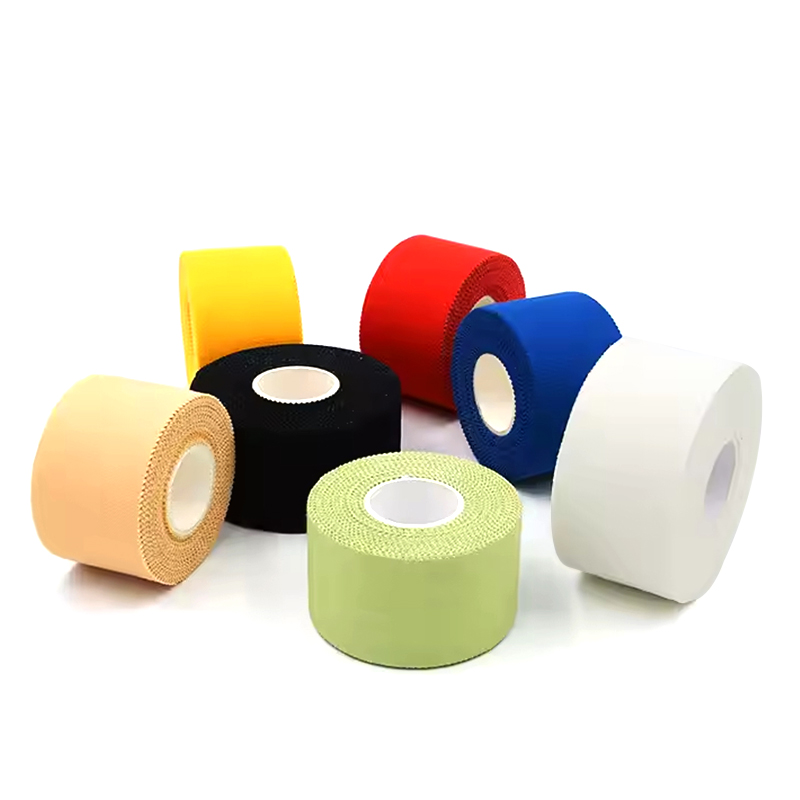
Zinc Oxide Tape vs Athletic Tape: Which is Right for You?
Content
- Material Composition and Adhesive Properties
- Primary Applications and Intended Uses
- Support Level and Movement Restriction
- Durability and Wear Time Considerations
- Skin Sensitivity and Removal Process
- Cost Analysis and Long-Term Value
- Professional Preferences Across Different Sports
- Making the Right Choice for Your Needs
Both zinc oxide tape and athletic tape serve important roles in injury prevention and treatment, but they're fundamentally different products designed for distinct purposes. Zinc oxide tape offers rigid support with medical-grade adhesive for joint stabilization, while athletic tape provides flexible, breathable support for muscle and soft tissue applications. Understanding these differences will help you choose the right tape for your specific needs.
Material Composition and Adhesive Properties
The fundamental difference between these tapes lies in their construction and adhesive technology.
Zinc oxide tape features a cotton or rayon backing coated with zinc oxide-based adhesive, which provides exceptional grip even on sweaty or damp skin. This medical-grade adhesive creates a bond strong enough to withstand intense physical activity for 24-48 hours without loosening. The tape itself is non-elastic, offering rigid support that restricts unwanted movement.
Athletic tape, commonly known as cloth tape or sports tape, typically uses a lighter adhesive on a cotton or synthetic blend backing. The adhesive is designed for shorter-term wear, usually lasting 4-8 hours during athletic activity. Many athletic tapes feature a slight give in the fabric, allowing for some movement while still providing support.
| Feature | Zinc Oxide Tape | Athletic Tape |
|---|---|---|
| Elasticity | Non-elastic (rigid) | Minimal to moderate stretch |
| Adhesive Strength | Very strong (24-48 hours) | Moderate (4-8 hours) |
| Water Resistance | Excellent | Good to fair |
| Breathability | Moderate | High |
| Typical Width Range | 1.25-2 inches | 1-2 inches |
Primary Applications and Intended Uses
The choice between these tapes depends heavily on what you're trying to achieve.
When to Choose Zinc Oxide Tape
Zinc oxide tape excels in situations requiring maximum joint stabilization and injury protection. Physical therapists and athletic trainers commonly use it for:
- Ankle taping to prevent inversion sprains, particularly effective for athletes with previous ankle injuries where studies show it can reduce re-injury rates by up to 50%
- Wrist and thumb stabilization for contact sports like rugby, football, and basketball
- Finger buddy taping for minor fractures or ligament injuries
- Post-injury support during the rehabilitation phase when rigid support is still necessary
- Blister prevention on feet during long-distance running or hiking
When to Choose Athletic Tape
Athletic tape is better suited for applications where you need support without complete immobilization:
- Securing pre-wrap or underwrap before applying more rigid taping
- Light compression and support for minor muscle strains
- Holding protective padding or equipment in place
- Shoulder or elbow applications where full range of motion is still needed
- Quick field applications during games when temporary support is needed
Support Level and Movement Restriction
The degree of support these tapes provide differs significantly and directly impacts athletic performance and injury protection.
Zinc oxide tape's rigid structure can restrict joint range of motion by 30-60% depending on the taping technique. For example, a properly applied ankle taping with zinc oxide tape can limit plantarflexion and inversion, the movements most commonly involved in ankle sprains. This restriction is intentional and therapeutic, but it can slightly reduce speed and agility in some athletes.
Athletic tape allows for greater movement freedom, typically restricting motion by only 10-25%. This makes it preferable for sports requiring explosive movements or full range of motion, such as swimming, gymnastics, or throwing sports. The trade-off is less protective support against severe injury mechanisms.
Durability and Wear Time Considerations
How long each tape maintains its effectiveness varies considerably based on activity level and environmental conditions.
Zinc oxide tape's superior adhesive allows athletes to apply it before a competition and wear it through multiple training sessions. Professional rugby players and football linemen often keep zinc oxide ankle tape on for 48 hours or more, showering and training with it intact. The zinc oxide compound in the adhesive maintains grip even when wet, making it ideal for water sports or activities where excessive sweating is expected.
Athletic tape typically needs reapplication after each training session or game. The lighter adhesive begins to loosen as sweat accumulates, and the tape may start to peel at the edges after 4-6 hours of intense activity. This shorter lifespan makes it more economical for quick applications but less practical for extended wear.
Skin Sensitivity and Removal Process
The stronger adhesive in zinc oxide tape comes with important considerations for skin health.
Zinc oxide tape requires careful removal to avoid skin irritation or damage. Studies indicate that approximately 15-20% of athletes experience some degree of skin reaction to zinc oxide tape adhesive, ranging from mild redness to contact dermatitis. Using a tape removal solution or oil-based product is essential, and removing the tape in the direction of hair growth minimizes discomfort.
Many athletes apply a protective underwrap or pre-tape spray before zinc oxide tape to create a barrier between skin and adhesive. This reduces irritation risk but may slightly compromise the tape's stabilizing effectiveness.
Athletic tape generally causes fewer skin reactions due to its gentler adhesive formulation. It can often be removed without additional products, though pulling slowly and carefully is still recommended.
Cost Analysis and Long-Term Value
Budget considerations play a role in tape selection, especially for teams or individuals using tape regularly.
Zinc oxide tape typically costs between $4-$8 per roll, with each roll containing 13.7 meters (15 yards) of tape. A single ankle taping might use 2-3 meters, meaning one roll provides approximately 5-7 applications. However, because each application can last 1-2 days, the cost per day of use is actually lower than athletic tape despite the higher upfront price.
Athletic tape runs $3-$6 per roll of similar length. While cheaper initially, the need for daily reapplication means you'll use more rolls over time. For athletes training 5-6 days per week, this can add up to 50-70 rolls per year compared to 30-40 rolls of zinc oxide tape for the same person.
Professional Preferences Across Different Sports
Different sports cultures have developed clear preferences based on their specific biomechanical demands.
Contact sports like rugby, American football, and lacrosse overwhelmingly favor zinc oxide tape for ankles, wrists, and thumbs. A survey of NCAA Division I athletic trainers found that 87% use zinc oxide tape as their primary choice for ankle stabilization in football players. The high-impact nature of these sports demands maximum protection.
Basketball and volleyball programs often use a hybrid approach, employing zinc oxide tape for players with previous injuries while using athletic tape for general preventive taping in healthy athletes. This balances protection with the agility demands of court sports.
Swimming, track and field, and baseball tend toward athletic tape or specialized elastic tapes, as the rigid restriction from zinc oxide tape can interfere with technique and performance in these precision sports.
Making the Right Choice for Your Needs
Selecting between zinc oxide tape and athletic tape ultimately depends on your specific situation and requirements.
Choose zinc oxide tape if you need:
- Maximum joint stabilization for injury prevention or recovery
- Long-lasting adhesion through multiple activities
- Water-resistant support for aquatic activities
- Protection during high-impact or contact sports
Choose athletic tape if you need:
- Gentle support that allows full range of motion
- A base layer for more complex taping applications
- Short-term support during training or competition
- Minimal skin irritation with easier removal
Many athletes and trainers keep both types on hand, using each for its intended purpose. This approach provides maximum flexibility in addressing different injury prevention and treatment scenarios as they arise.
Share:
RECOMMENDED PRODUCTS















- Asher.cao
- Tel:+86-512-6289 3223
- Mob:+86-176 2548 7782
- Email:Asher.cao@healthline-medical.com
- Whatsapp / Wechat:+86-176 2548 7782
- Skype:+86-176 2548 7782
- Ethan Zhang
- Tel:+86-512-6289 3223
- Mob:+86-19822909189
- Email:ethanzhang@healthline-medical.com
- Whatsapp / Wechat:+86-19822909189
- Skype:+86-19822909189
- Jason Zhang
- Tel:+86-512-6289 3223
- Mob:+86-13152123359
- Email:jason@healthline-medical.com
- Whatsapp / Wechat:+86-13152123359
Copyright © 2025 SUZHOU HEALTHLINE MEDICAL PRODUCTS CO., LTD
All Rights Reserved.
 Sports Tape Manufacturers Cohesive Bandages Suppliers
The information provided on this website is intended for use only in countries and jurisdictions outside of the People's Republic of China.


