
 English
 Español
 русский
 عربى
عربى

- Cotton Kinesiology Tape
- Synthetic Kinesiology Tape
- Nylon Kinesiology Tape
- 4-Way Stretch Elastic Kinesiology Tape
- Standard Kinesiology Tape Roll
- Pre-Cut Kinesiology Tape Strips
- Printed / Pattern Kinesiology Tape
- Perforated Kinesiology Tape (Ventilated)
- Special Shape Kinesiology Tape
- Water-Resistant Kinesiology Tape
- Pregnancy Support Tape
- Face Lift Kinesiology Tape
- Gentle / Beauty Kinesiology Tape
- Veterinary Kinesiology Tape
- Breast Lift Tape
- Customized Kinesiology Tape
- Pre-cut I Strip Kinesiology Tape
- Pre-cut Y Strip Kinesiology Tape
- Pre-cut X Strip Kinesiology Tape
- Knee Kinesiology Tape
- Leg Kinesiology Tape
- Shoulder Kinesiology Tape
- Back Kinesiology Tape
- Waist Kinesiology Tape
- Ankle Kinesiology Tape
- Pregnancy Belly Tape
- Beauty Face Tape
- Solid Color Cohesive Bandage Roll
- Printed & Pattern Cohesive Bandage
- Non-Woven Self-Adhesive Bandage
- Cotton Self-Adhesive Bandage
- PBT Gauze Cohesive Bandage Rolls
- Pet Vet Wrap
- Horse and Cattle Self-Adhesive Bandage
- Veterinary Cohesive Bandage
- Camo Cohesive Wrap Tape
- Military and Tactical Cohesive Bandage
- Tattoo Grip Tape
- Latex Cohesive Bandage
- Latex-Free Cohesive Bandage
- Pet Laminated Self-Adhesive Bandage
- High-Tensile Cohesive Bandage
- Football Sock Wrap Self-Adhesive Bandage
- Sterile Cohesive Bandage
- Special Function Cohesive Bandage
- OEM / Bulk Cohesive Bandage Roll
- Rigid Strapping Tape
- Athletic Tape
- Zinc Oxide Sports Tape
- Rayon Rigid Sports Tape
- Sports Strapping Tape
- Finger Bob Bandages
- Boxing Tape
- Heavyweight Elastic Adhesive Bandage (EAB)
- 93 Cotton Heavyweight Elastic Adhesive Bandages(EAB)
- Athletic Heavyweight Elastic Adhesive Bandage (EAB)
- Lightweight Elastic Adhesive Bandage (EAB)
- Athletic Lightweight Elastic Adhesive Bandage (EAB)
- American Style Elastic Adhesive Bandage (EAB)
- Japanese Style Elastic Adhesive Bandage (EAB)
- Elastic Adhesive Compression Bandage
- Veterinary Elastic Adhesive Bandage (EAB)
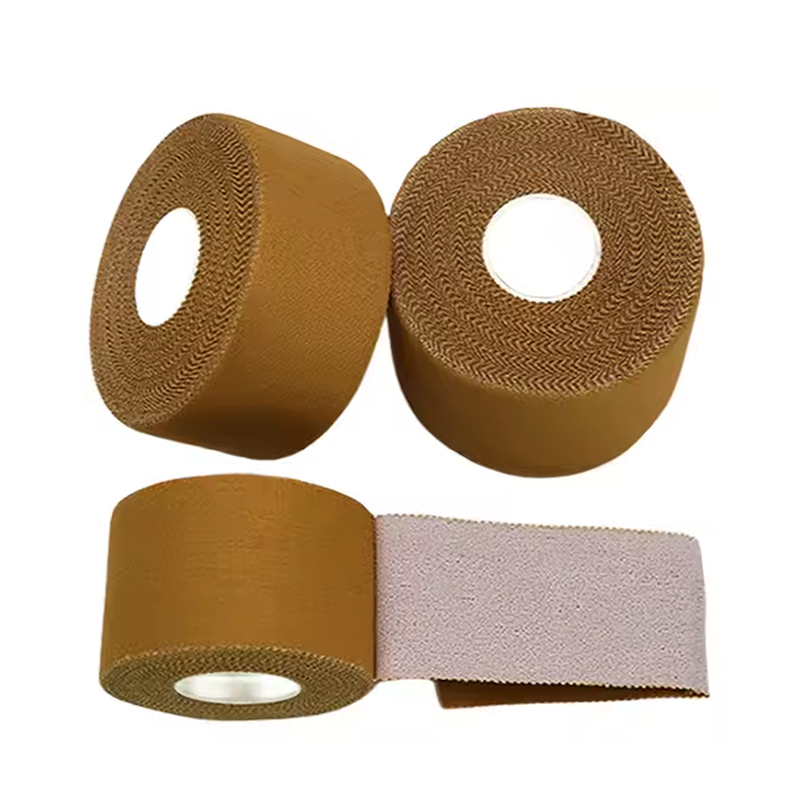
How Rigid Sports Tape Enhances Athletic Performance and Reduces Injury Risk
Content
- What Rigid Sports Tape Actually Does to the Body
- Joint Stability: The Performance Foundation
- Injury Prevention: Evidence Across Sports
- The Proprioception Effect: Performance Beyond Protection
- How to Apply Rigid Sports Tape Correctly
- Rigid Tape vs. Bracing: Choosing the Right Tool
- Tape Quality and Material Specifications That Matter
What Rigid Sports Tape Actually Does to the Body
Rigid sports tape — also called athletic tape or strapping tape — is a non-elastic, zinc oxide–based tape applied directly to the skin or over a pre-wrap layer. Unlike elastic kinesiology tape, its defining feature is mechanical restriction: it physically limits joint range of motion beyond safe thresholds. This is not a placebo. Biomechanical research consistently shows that properly applied rigid tape reduces excessive joint displacement, cuts ligament strain by up to 40%, and alters muscle activation patterns that contribute to injury.
The tape works through three overlapping mechanisms. First, it creates a physical barrier — the tensile strength of the tape resists abnormal movement before soft tissue is overstressed. Second, it activates cutaneous mechanoreceptors in the skin, sending proprioceptive signals to the nervous system that sharpen positional awareness of the joint. Third, it redistributes compressive forces across a broader surface area, reducing focal loading on cartilage and tendons. Together, these effects translate into tangible performance and safety gains.
Joint Stability: The Performance Foundation
Stability is not the same as stiffness. An athlete with a well-taped ankle can still push off, change direction, and absorb landing forces — but cannot roll the joint into a dangerous inversion angle. This distinction matters enormously in field sports, court sports, and weightlifting, where explosive lateral movements are routine and ankle sprains account for up to 25% of all sports injuries across disciplines.
Studies published in the Journal of Athletic Training and the American Journal of Sports Medicine have consistently demonstrated that rigid taping of the ankle reduces inversion range by 30–50% immediately post-application. Even after 60 minutes of vigorous exercise — a point at which some tape efficacy degrades — residual mechanical restriction remains measurable. The practical outcome: athletes can compete at intensity without the constant cognitive load of protecting a vulnerable joint, freeing mental bandwidth for performance.
Wrist and thumb taping follows identical principles in contact sports like rugby, wrestling, and American football. The metacarpophalangeal and radiocarpal joints are subject to hyperextension forces that rigid tape effectively attenuates, reducing the incidence of both acute fractures and chronic ligament laxity that develops after repeated microtrauma.
Injury Prevention: Evidence Across Sports
The injury-prevention record of rigid sports tape is among the best-documented in sports medicine. A landmark meta-analysis covering over 8,000 athlete-seasons found that prophylactic ankle taping reduced sprain incidence by approximately 69% in basketball players with a history of prior sprains — the highest-risk cohort. Even among athletes with no injury history, taping produced a 50% reduction compared to controls.
| Sport / Joint | Primary Injury Risk | Taping Benefit | Evidence Level |
|---|---|---|---|
| Basketball / Ankle | Lateral sprain | Up to 69% sprain reduction | High (RCT meta-analysis) |
| Rugby / Thumb | UCL rupture, hyperextension | Limits MCP joint extension | Moderate (cohort studies) |
| Weightlifting / Wrist | Radiocarpal strain | Force redistribution, reduced hyperextension | Moderate (lab-based) |
| Football / Knee | MCL stress, hyperextension | Reduced valgus loading | Moderate (biomechanical) |
Knee taping applications — particularly for patellofemoral pain and MCL protection — operate on the same biomechanical logic. By altering patellar tracking or limiting valgus knee collapse during landing, rigid tape reduces both acute structural injury risk and the cumulative cartilage degradation that produces chronic conditions over an athletic career.
The Proprioception Effect: Performance Beyond Protection
One underappreciated benefit of rigid sports tape is its effect on neuromuscular control. When tape contacts the skin and generates subtle tension during movement, it stimulates skin mechanoreceptors — particularly Ruffini endings and Meissner's corpuscles — that feed real-time positional data to the central nervous system. The result is enhanced joint position sense, particularly in athletes with prior ligament injuries who have compromised native proprioception.
A 2021 study in the Journal of Science and Medicine in Sport found that athletes with chronic ankle instability showed significantly improved single-leg balance scores and reduced sway velocity when wearing rigid tape compared to unbraced controls. The effect was present even when tape tension was insufficient to provide meaningful mechanical restriction — confirming that the neurological contribution is a distinct and additive mechanism.
This has direct implications for athletic performance. Better joint position sense enables faster, more confident movement decisions — a critical edge in sports where reaction speed determines outcome. An athlete who trusts their ankle will plant, cut, and accelerate without hesitation. That hesitation, even measured in milliseconds, is eliminated when the proprioceptive system is fully engaged.
How to Apply Rigid Sports Tape Correctly
Efficacy depends almost entirely on application technique. Poorly applied tape — too loose, incorrectly angled, or over-applied to the point of restricting circulation — can fail mechanically or create new problems. The following principles apply across most joint applications:
- Skin preparation: Clean, dry, and shave the application area. Apply pre-wrap foam or heel and lace pads to protect bony prominences and skin folds.
- Anchor strips first: Apply circumferential anchor strips proximal and distal to the target joint at neutral tension. These are the foundation everything else attaches to.
- Stirrups and heel locks: For ankle taping, stirrups run from medial to lateral anchor under the heel; heel locks wrap around the calcaneus to prevent inversion. These are the functional core of the application.
- Closing strips: Overlap closing strips by 50% working upward from the distal anchor, ensuring full coverage without gaps or wrinkles that create pressure points.
- Circulation check: After completion, press the nail bed of the most distal digit and verify capillary refill within 2 seconds. The athlete should report no tingling or numbness.
For elite applications — Olympic-level competition, post-surgical return-to-sport — tape should be applied by a certified athletic trainer or sports physiotherapist who can customize the configuration to the individual's anatomy and injury history. Self-taping is appropriate for maintenance and practice when technique has been formally taught.
Rigid Tape vs. Bracing: Choosing the Right Tool
Rigid tape and semi-rigid braces are often compared as if interchangeable. They are not — each has a defined clinical profile:
- Tape advantages: Conformable to complex anatomy, lightweight, no bulk inside footwear, combines mechanical and proprioceptive benefits simultaneously, preferred in contact sports where braces may injure opponents.
- Brace advantages: Reusable, consistent restriction across sessions, cost-effective over long training blocks, can be adjusted mid-activity, no skin reaction risk.
- Tape limitations: Mechanical restriction degrades 30–50% after 20 minutes of intense exercise, requires skilled application, cannot be reused, and may cause skin reactions in adhesive-sensitive athletes.
A 2019 randomized controlled trial directly comparing the two for ankle sprain prevention found no statistically significant difference in injury rates between lace-up bracing and rigid taping — but athlete preference, sport rules, and practitioner availability often determine the practical choice. In high-level competition settings, tape remains the dominant choice due to its anatomical precision and lower profile.
Tape Quality and Material Specifications That Matter
Not all rigid sports tape performs equally. The mechanical properties of the tape — tensile strength, elongation at break, adhesive peel strength, and porosity — directly determine clinical efficacy. Key specifications to evaluate:
- Tensile strength: A minimum of 55–65 N/25mm (warp direction) is required to resist joint displacement under athletic load. Substandard tape tears before providing meaningful restriction.
- Adhesive formulation: Zinc oxide adhesive provides the strongest skin bond and is the clinical standard. Synthetic acrylic adhesives are lower cost but bond less reliably under sweat and heat.
- Porosity: Woven cotton backing allows moisture vapor transmission, reducing maceration and skin breakdown during prolonged wear. Non-woven or plastic-backed tapes trap moisture and accelerate skin deterioration.
- Width options: 38mm (1.5 inch) is standard for ankle and knee; 25mm (1 inch) for wrist, thumb, and finger applications. Proper width ensures closure strips overlap correctly without creating pressure ridges.
For procurement decisions — whether for a sports medicine clinic, a professional team, or bulk athletic training programs — ISO-certified manufacturing with documented tensile and adhesion testing is the minimum quality standard that correlates with consistent clinical performance. Untested commodity tape creates liability without the protective benefit.
Share:
RECOMMENDED PRODUCTS
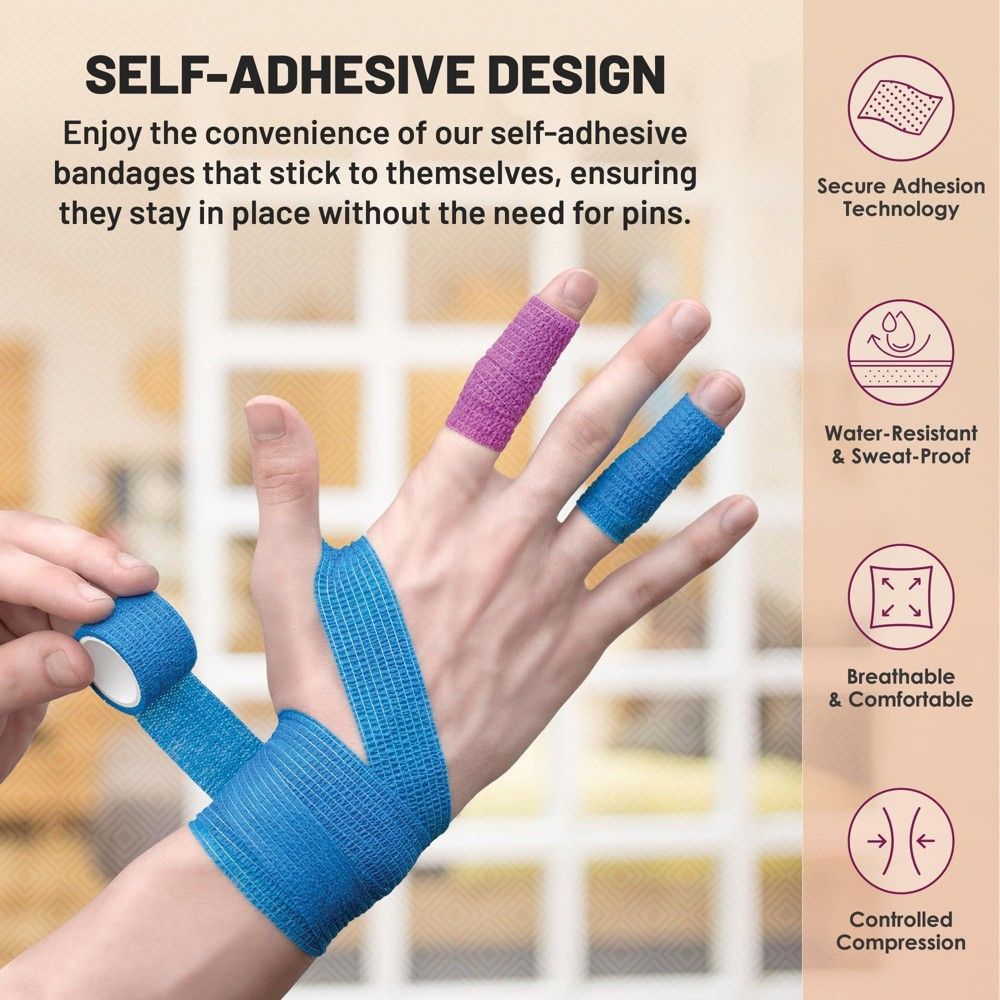

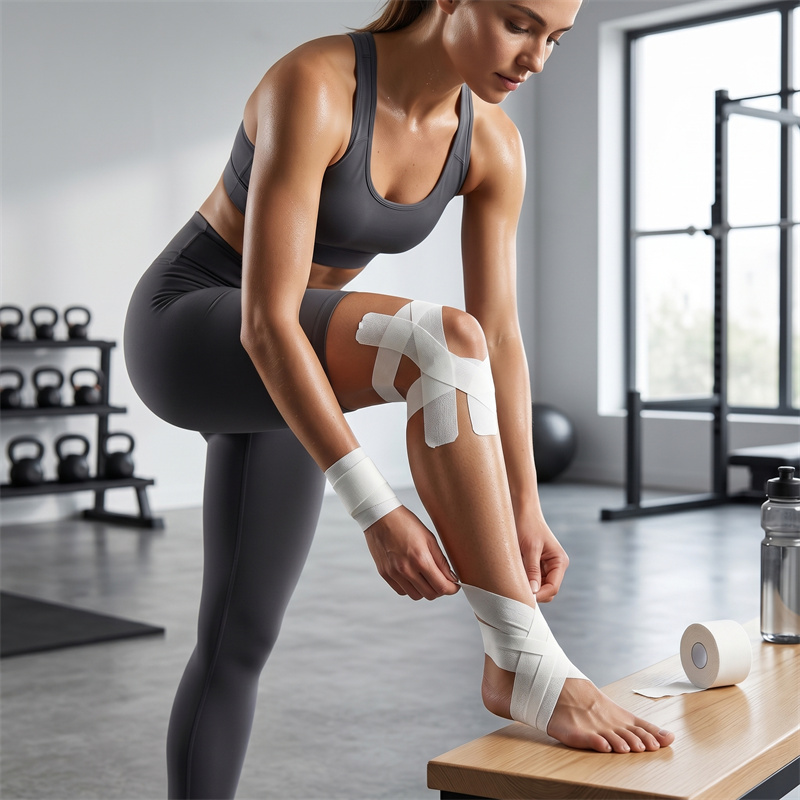
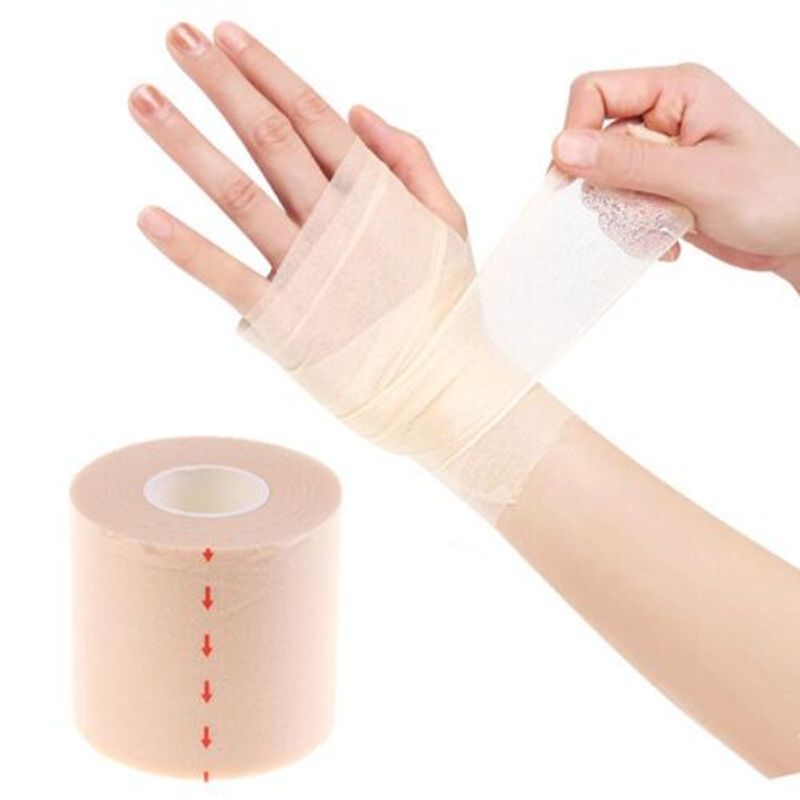

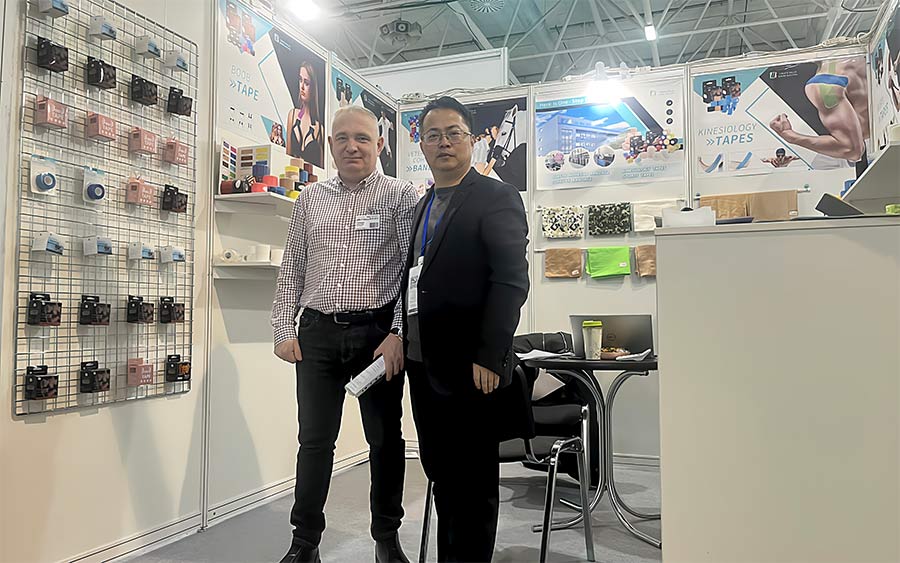
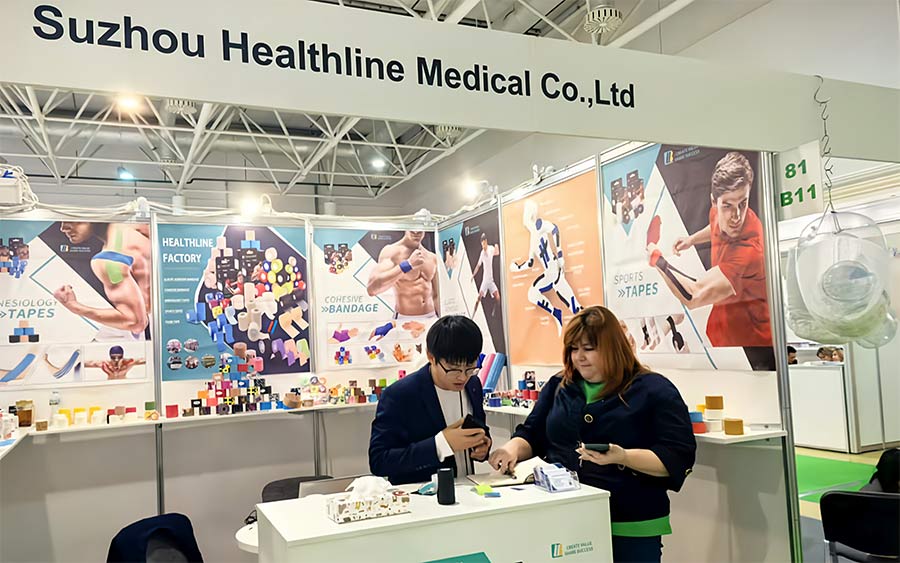
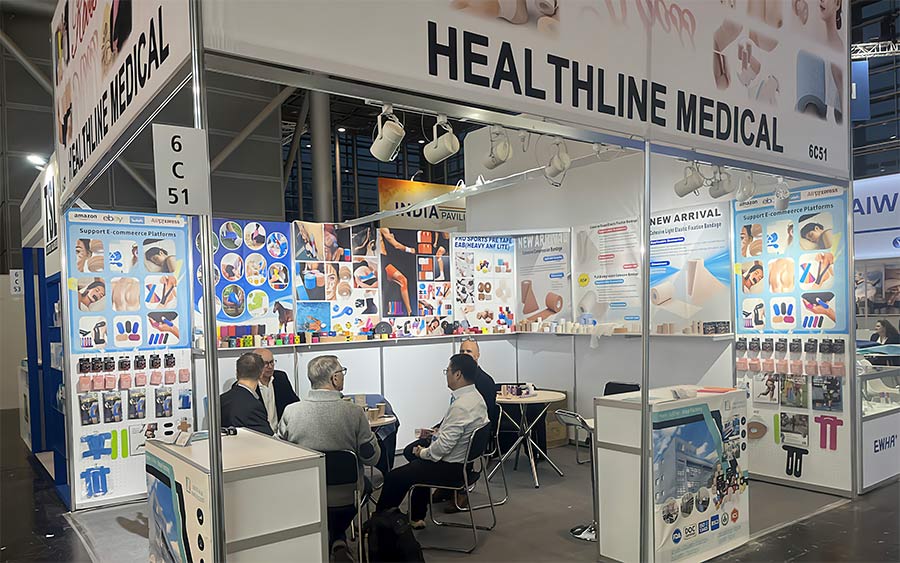
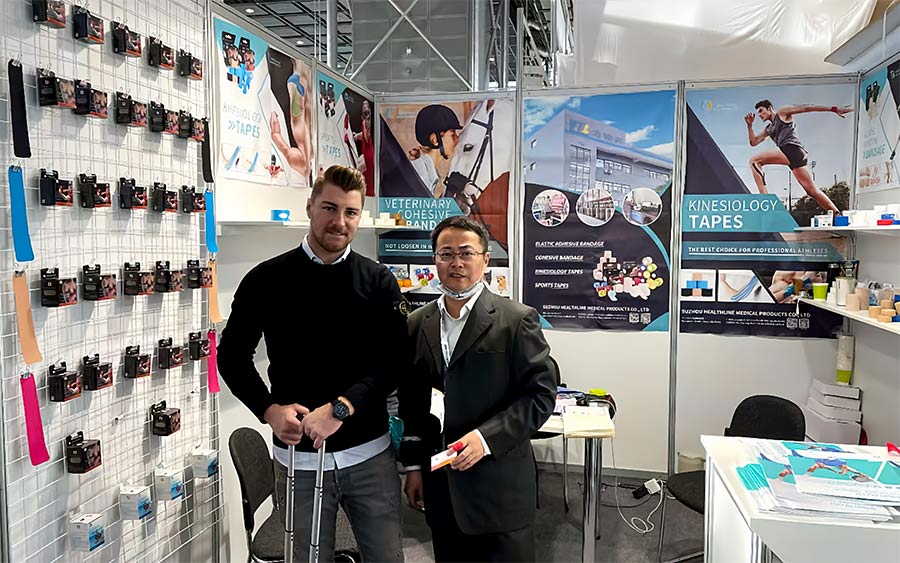
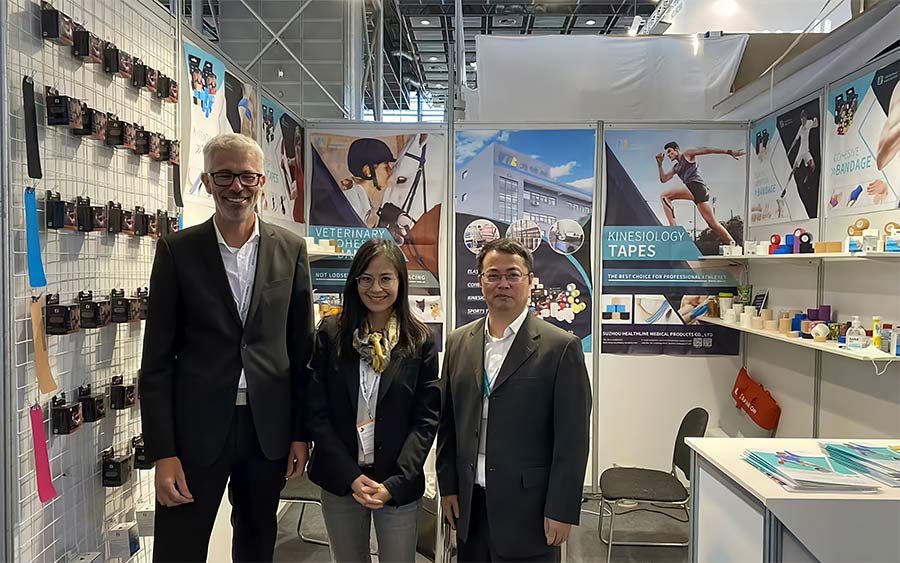
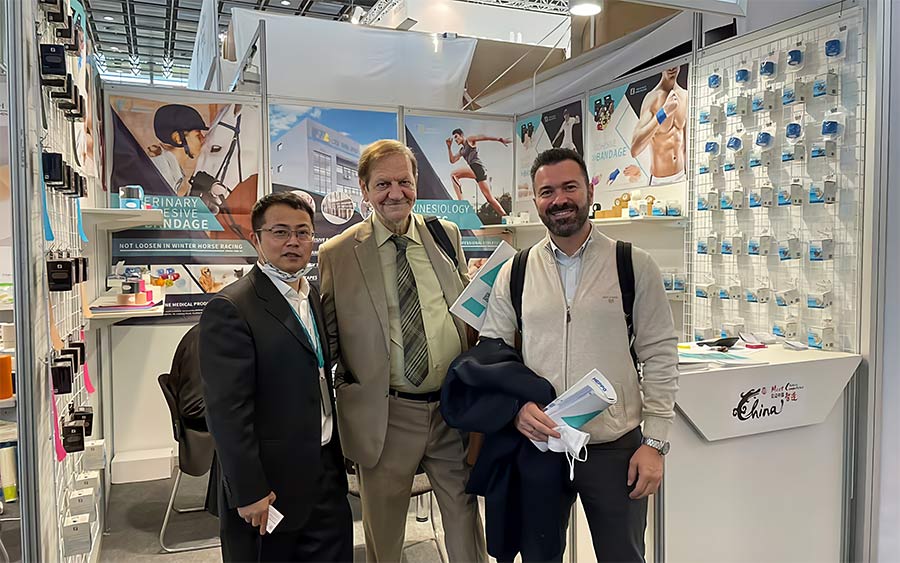
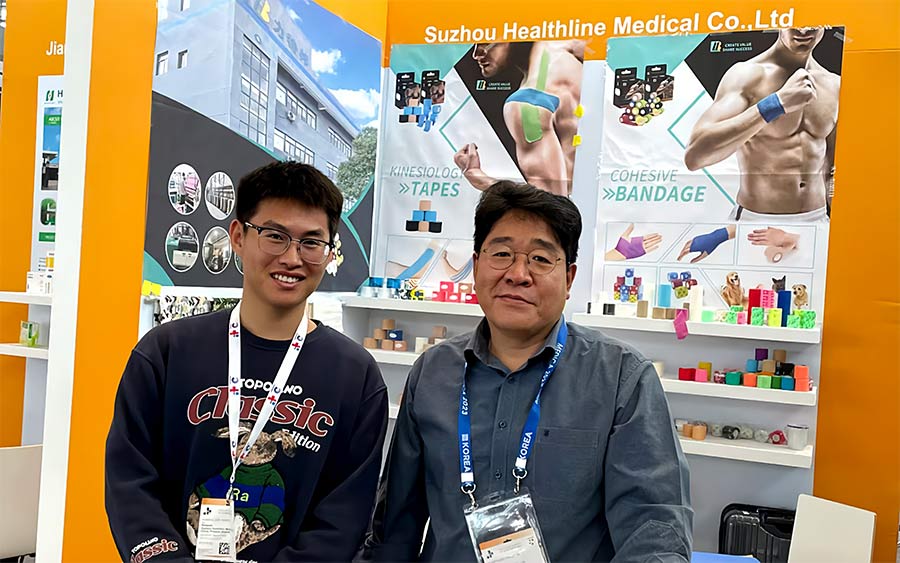
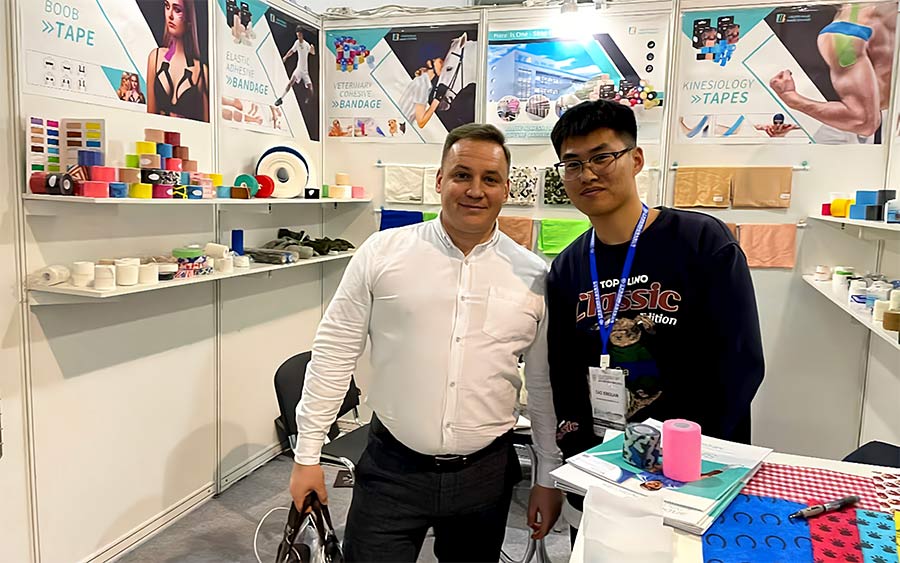
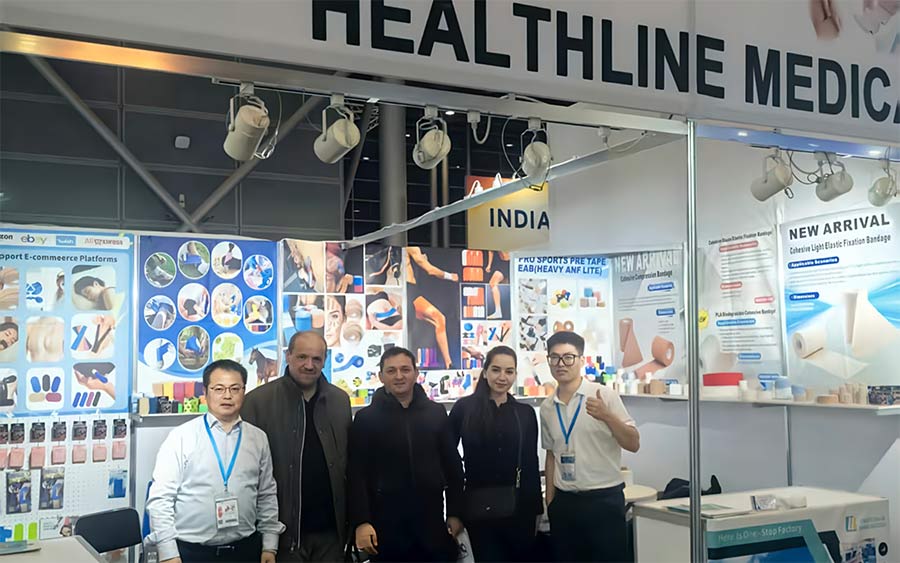
Driven by uncompromising quality, competitive value, and customer-centric service, Healthline’s products are now present in over 50 countries and regions across the globe. As a dedicated OEM/ODM manufacturer of medical cohesive bandages and sports tape, we serve a diverse client portfolio—including hospitals and clinics,veterinary,authorized distributors, government procurement agencies, national pharmacy chains, and retail supermarkets,on-line Amazon,Lotte & Tiktok e-commerce industry .
We are proud to be the long-term OEM/ODM partner for globally recognized names such as Target, CVS, Aldi, Lidl, Carrefour,Tesco, Alliance Boots,Deathlon,Covetrus and Kruuse. Our annual sales volume has maintained a steady year-over-year growth of 15% for consecutive years—a testament to the trust our partners place in us.
In today’s competitive global market, we believe sustainable success comes from continuously delivering superior products and responsive service at a fair price. This philosophy has guided Healthline for three decades, and we are committed to repaying your trust with solutions that help your business grow.























- Ethan Zhang
- Tel:+86-512-6289 3223
- Mob:+86-19822909189
- Email:ethanzhang@healthline-medical.com
- Whatsapp / Wechat:+86-19822909189
- Skype:+86-19822909189
- Asher.cao
- Tel:+86-512-6289-3223
- Mob:+86-17625487782
-
Email:ethanzhang@healthline-medical.com
+86-18305276521 Di.tian@healthline-medical.com
- Whatsapp / Wechat:+86-17625487782
- Skype:+86-17625487782
- Jason Zhang
- Tel:+86-512-6289 3223
- Mob:+86-13152123359
- Email:jason@healthline-medical.com
- Whatsapp / Wechat:+86-13152123359
Copyright © 2025 SUZHOU HEALTHLINE MEDICAL PRODUCTS CO., LTD
All Rights Reserved.
 Sports Tape Manufacturers Cohesive Bandages Suppliers
The information provided on this website is intended for use only in countries and jurisdictions outside of the People's Republic of China.


