
 English
 Español
 русский
 عربى
عربى

- Cotton Kinesiology Tape
- Synthetic Kinesiology Tape
- Nylon Kinesiology Tape
- 4-Way Stretch Elastic Kinesiology Tape
- Standard Kinesiology Tape Roll
- Pre-Cut Kinesiology Tape Strips
- Printed / Pattern Kinesiology Tape
- Perforated Kinesiology Tape (Ventilated)
- Special Shape Kinesiology Tape
- Water-Resistant Kinesiology Tape
- Pregnancy Support Tape
- Face Lift Kinesiology Tape
- Gentle / Beauty Kinesiology Tape
- Veterinary Kinesiology Tape
- Breast Lift Tape
- Customized Kinesiology Tape
- Pre-cut I Strip Kinesiology Tape
- Pre-cut Y Strip Kinesiology Tape
- Pre-cut X Strip Kinesiology Tape
- Knee Kinesiology Tape
- Leg Kinesiology Tape
- Shoulder Kinesiology Tape
- Back Kinesiology Tape
- Waist Kinesiology Tape
- Ankle Kinesiology Tape
- Pregnancy Belly Tape
- Beauty Face Tape
- Solid Color Cohesive Bandage Roll
- Printed & Pattern Cohesive Bandage
- Non-Woven Self-Adhesive Bandage
- Cotton Self-Adhesive Bandage
- PBT Gauze Cohesive Bandage Rolls
- Pet Vet Wrap
- Horse and Cattle Self-Adhesive Bandage
- Veterinary Cohesive Bandage
- Camo Cohesive Wrap Tape
- Military and Tactical Cohesive Bandage
- Tattoo Grip Tape
- Latex Cohesive Bandage
- Latex-Free Cohesive Bandage
- Pet Laminated Self-Adhesive Bandage
- High-Tensile Cohesive Bandage
- Football Sock Wrap Self-Adhesive Bandage
- Sterile Cohesive Bandage
- Special Function Cohesive Bandage
- OEM / Bulk Cohesive Bandage Roll
- Rigid Strapping Tape
- Athletic Tape
- Zinc Oxide Sports Tape
- Rayon Rigid Sports Tape
- Sports Strapping Tape
- Finger Bob Bandages
- Boxing Tape
- Heavyweight Elastic Adhesive Bandage (EAB)
- 93 Cotton Heavyweight Elastic Adhesive Bandages(EAB)
- Athletic Heavyweight Elastic Adhesive Bandage (EAB)
- Lightweight Elastic Adhesive Bandage (EAB)
- Athletic Lightweight Elastic Adhesive Bandage (EAB)
- American Style Elastic Adhesive Bandage (EAB)
- Japanese Style Elastic Adhesive Bandage (EAB)
- Elastic Adhesive Compression Bandage
- Veterinary Elastic Adhesive Bandage (EAB)
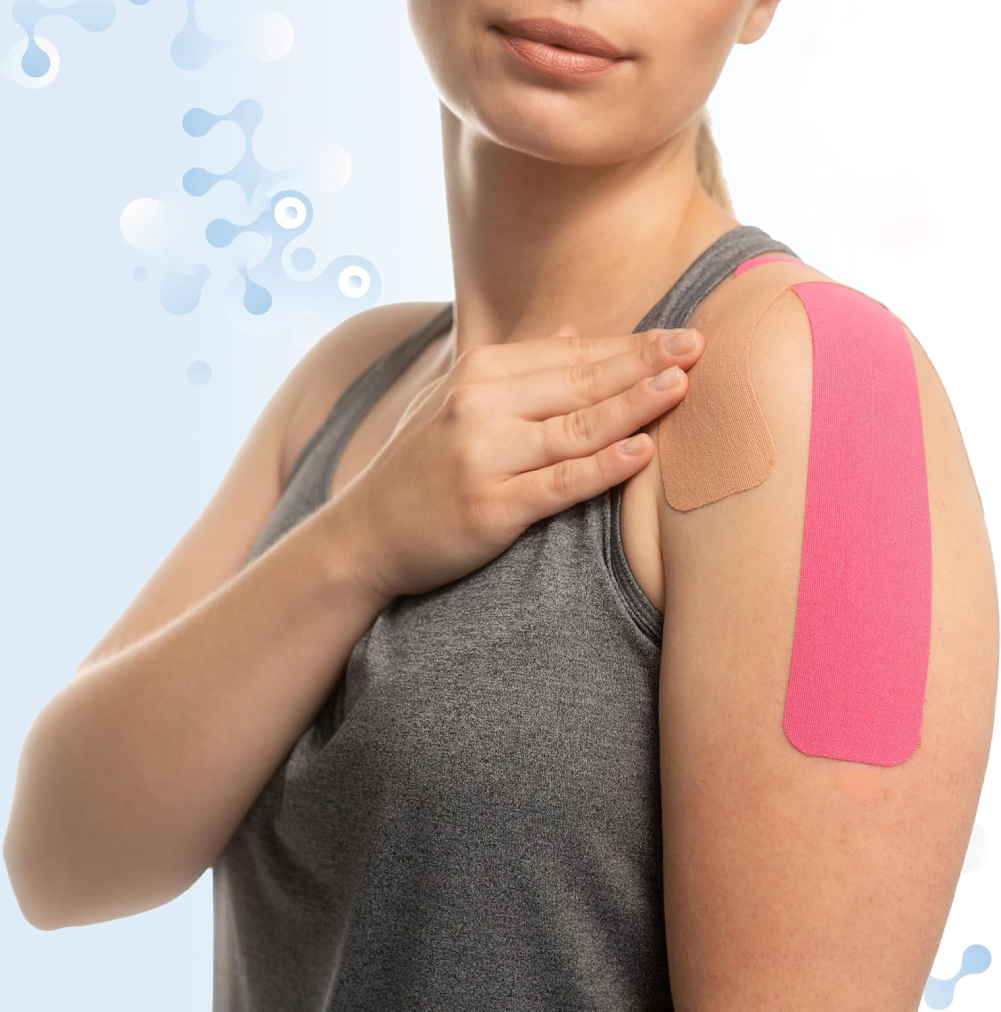
Kinesiology Tape & Kinesio Tape: How It Works, Uses & Choosing the Right One
Content
Roughly 50+ brands of kinesiology tape now compete on store shelves, yet most people still reach for the first colorful roll they see without knowing what separates a tape that works from one that peels off after the first set. Here's what actually matters.
What Kinesiology Tape Actually Does
Kinesiology therapeutic tape is an elastic cotton-based strip coated with a medical-grade acrylic adhesive. Unlike rigid sports tape, it stretches up to 140% of its resting length — closely matching the elasticity of human skin. When applied to the body, it recoils slightly and lifts the outer layers of skin, creating a microscopic decompression effect beneath the surface.
That lifting action is the mechanism behind its main benefits: enhanced blood and lymphatic circulation, reduced pressure on pain receptors, and improved proprioceptive feedback to the muscles and joints. The tape doesn't immobilize — it informs. Your body can still move freely while receiving continuous sensory input that helps stabilize and coordinate movement.
A 2021 survey published in the International Journal of Sports Physical Therapy found that among healthcare professionals in the U.S., 74% use kinesiology tape for post-injury treatment, 67% for pain modulation, and 60% for neurosensory feedback — evidence that clinical use has moved well beyond athlete aesthetics.
What the Research Says — Honestly
Kinesiology tape has genuine clinical backing, but with important nuance. A meta-analysis published in PubMed found that kinesio taping delivered superior pain relief compared to minimal intervention (pooled SMD = −0.36, p = 0.009) in chronic musculoskeletal pain cases. However, the same analysis found no statistically significant advantage over other active treatment approaches. The takeaway: tape works — it's just not a replacement for rehab, it's a complement to it.
For specific conditions, the evidence is more encouraging. Studies on chronic low back pain found that combining kinesio taping with conventional physical therapy produced better short-term outcomes than physical therapy alone. Research on myofascial pain syndrome shows tape can reduce pain intensity and improve range of motion. Multiple functions have been observed: improved muscle activation, fascia alignment, lymphatic drainage, and deactivation of pain pathways via cutaneous mechanoreceptors.
Realistic expectation: kinesiology tape manages pain and supports healing. It does not repair torn tissue or reverse structural damage on its own.
Common Applications by Body Area
Kinesiology tape is used across virtually every major muscle group and joint. The most clinically established applications include:
- Knee — runner's knee, patellar tracking issues, ACL support. Tape guides kneecap alignment and reduces joint pressure without restricting flexion. knee-specific kinesiology tape rolls and pre-cut knee muscle patches simplify application significantly.
- Shoulder — rotator cuff strains, impingement syndrome, general instability. Taping reduces muscle fatigue during overhead movements and helps maintain joint positioning. A pre-cut shoulder kinesiology tape removes the guesswork from strip sizing.
- Lower Back — lumbar strain, posture support for desk workers and manual laborers. A waist-fixed kinesio tape designed for lumbar support holds well through long work shifts.
- Calf & Achilles — plantar fasciitis, Achilles tendinopathy, calf strain. Pre-cut patches for the calf and Achilles tendon support patches deliver targeted compression exactly where it's needed.
- Wrist & Ankle — post-sprain stability and proprioceptive retraining. These small joints benefit most from precisely cut strips rather than trimming a full roll.
Choosing the Right Tape: Material Matters
Not all kinesiology tape performs the same. The three main material constructions each serve a different user profile:
| Material | Best For | Key Property |
|---|---|---|
| Cotton (classic) | Everyday training, rehabilitation | Breathable, skin-friendly, 3–5 day wear |
| Synthetic / Nylon 4-way stretch | High-intensity sports, complex joints | Greater recoil force, superior durability |
| Waterproof / Perforated | Swimming, heavy sweating, sensitive skin | Moisture-resistant, extended adhesion |
The adhesive matters as much as the fabric. Medical-grade acrylic adhesive — such as the Henkel-sourced adhesive used in professional-grade athletic kinesiology tape — activates with body heat for a secure bond that survives showers and training sessions without leaving residue. For sensitive skin or extended wear in water, a waterproof breathable kinesiology tape prevents edge lifting and skin irritation.
For those who tape frequently, pre-cut muscle patches shaped for specific body parts — including I-strips, Y-strips, and fan cuts for the back, ankle, finger, and toe — eliminate the most common application errors.
How to Apply It Correctly (The Basics)
Poor application is the leading reason tape underperforms. The fundamentals:
- Prepare the skin. Clean, dry, hair-free skin. Apply 30–60 minutes before activity to let the adhesive bond fully.
- Round the corners. Rounded edges dramatically reduce early peeling at the tape ends.
- Apply with the correct stretch. For muscle support: 15–25% stretch. For decompression or lymphatic flow: 0–15%. Over-stretching causes skin irritation and reduces wear time.
- Anchor ends without tension. The first and last 2–3 cm of each strip should be applied with zero stretch — these anchors keep the tape secured.
- Rub to activate. Friction from rubbing over the applied tape generates heat that activates the adhesive.
Most tapes stay on for 3 to 5 days. To remove without pain, soak in warm water or apply a small amount of oil to the edges and peel back slowly in the direction of hair growth.
Beyond Athletes: Expanding Use Cases
Kinesiology tape's reach now extends well beyond the gym. Pregnancy support tape helps distribute abdominal load and relieve lower back strain in the third trimester. Scar management tape applies gentle compression to flatten and soften post-surgical or post-injury scars. Even occupational use — supporting warehouse workers, nurses, and construction workers through repetitive strain — has grown substantially.
The common thread: anyone dealing with muscle fatigue, joint instability, swelling, or postural strain can benefit from correctly applied kinesiology therapeutic tape — provided it's used as part of a broader recovery or conditioning plan, not a substitute for one.
Share:
RECOMMENDED PRODUCTS
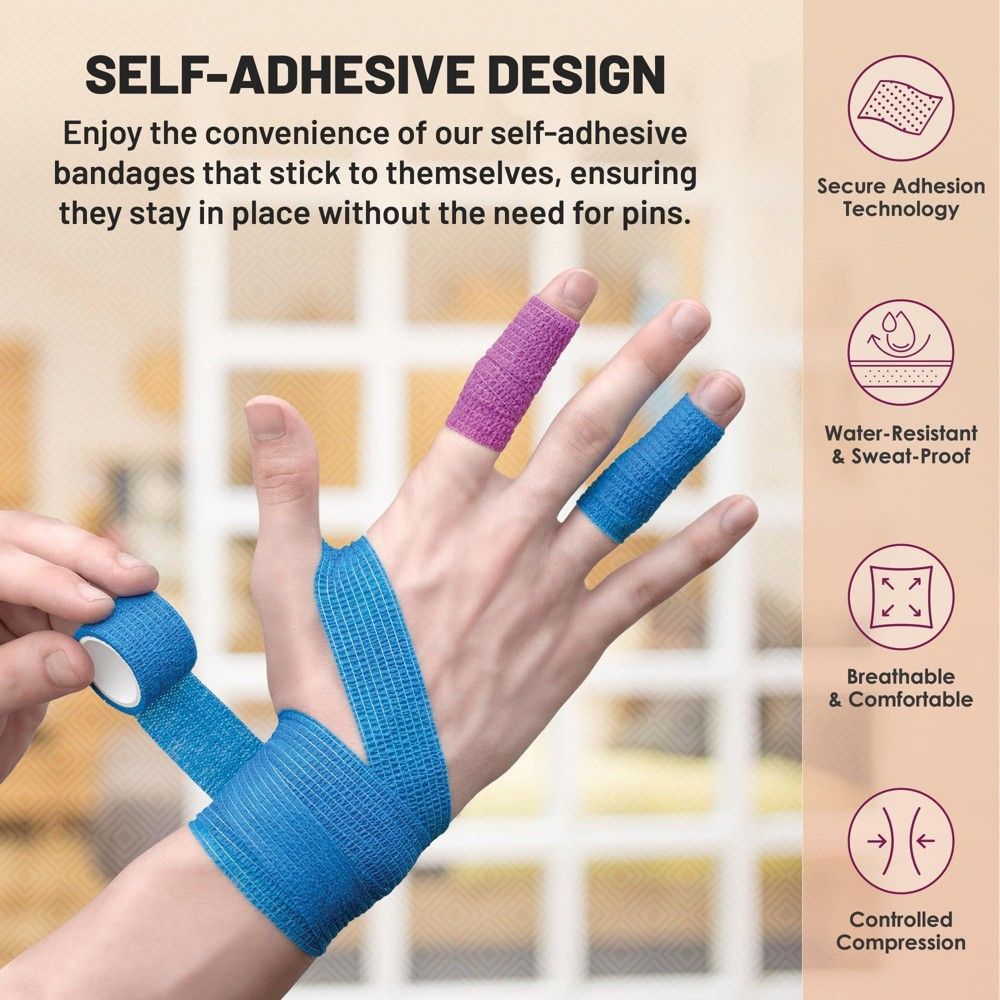

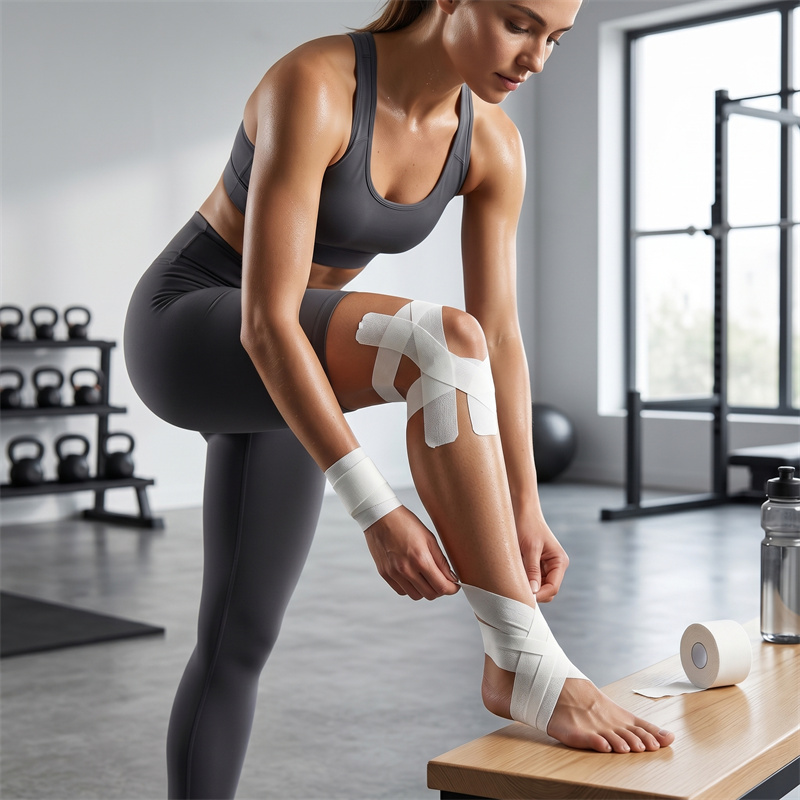
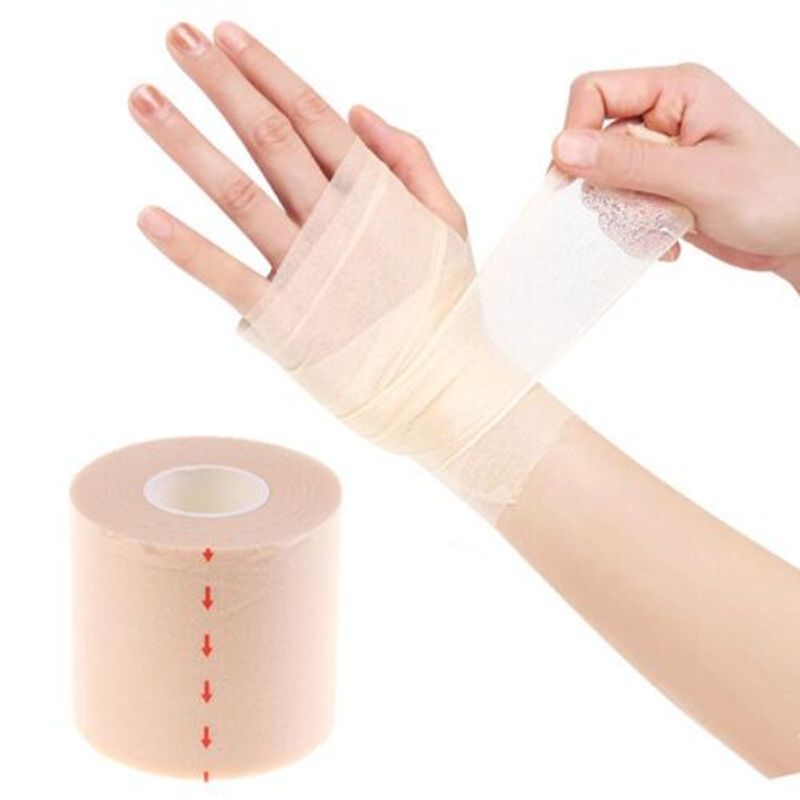

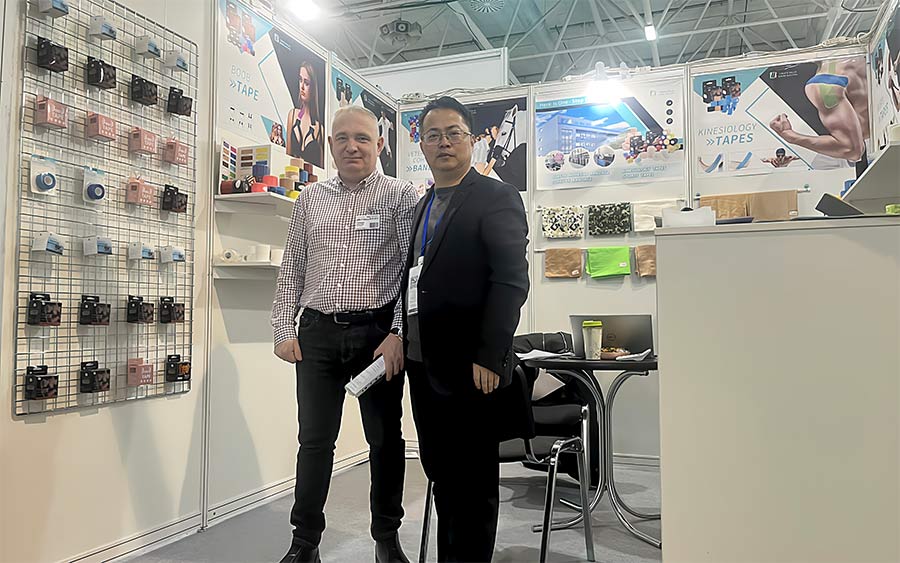
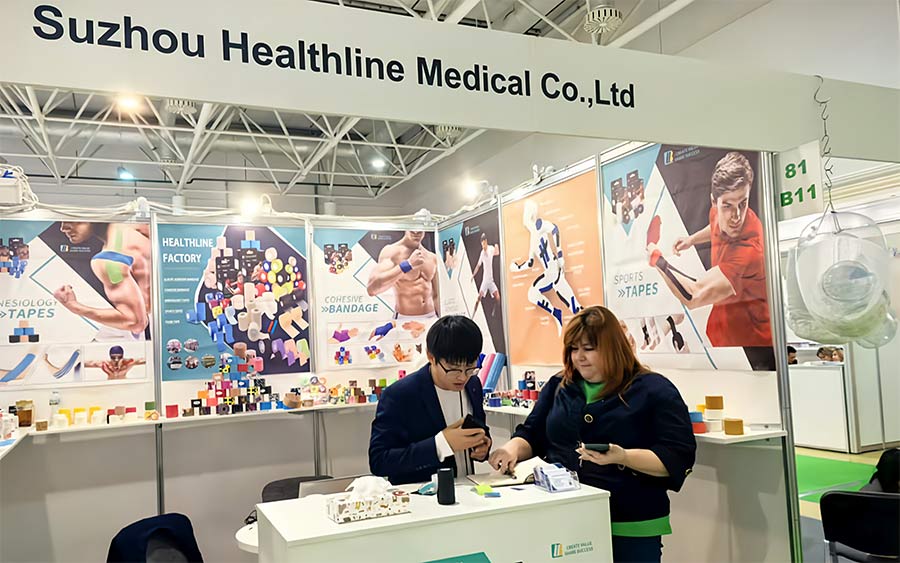
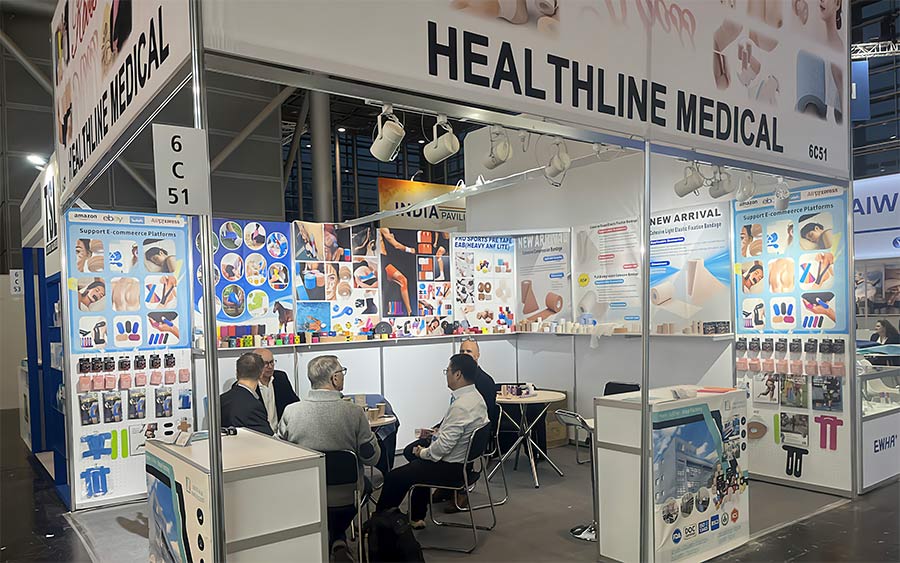
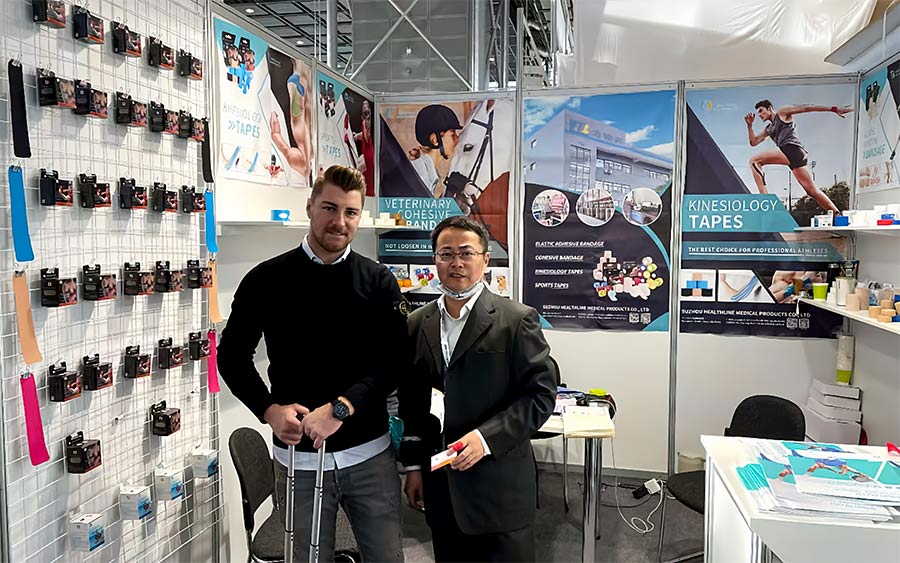
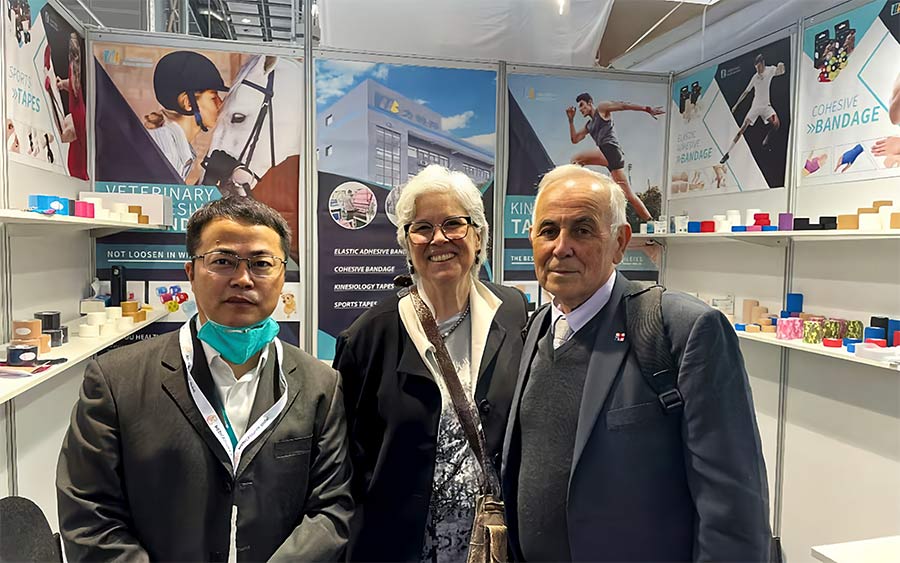
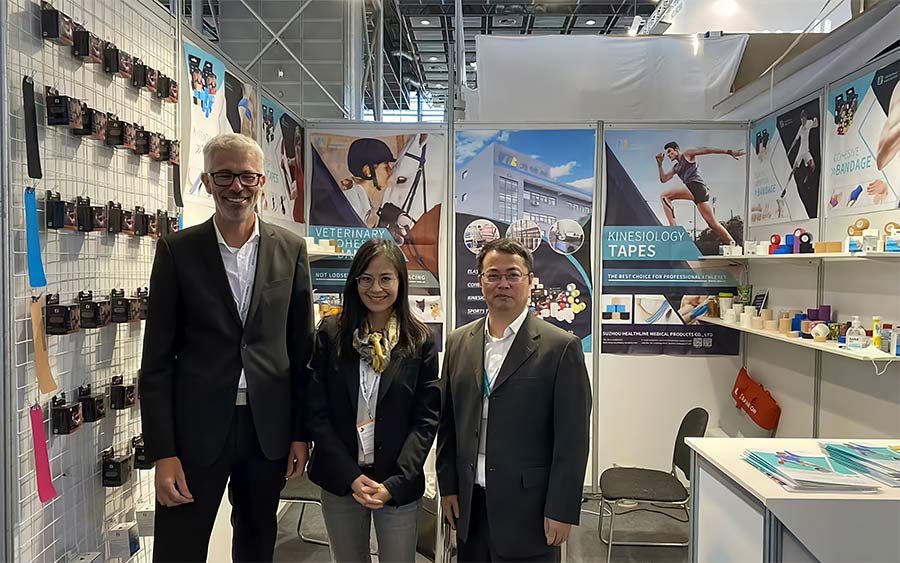
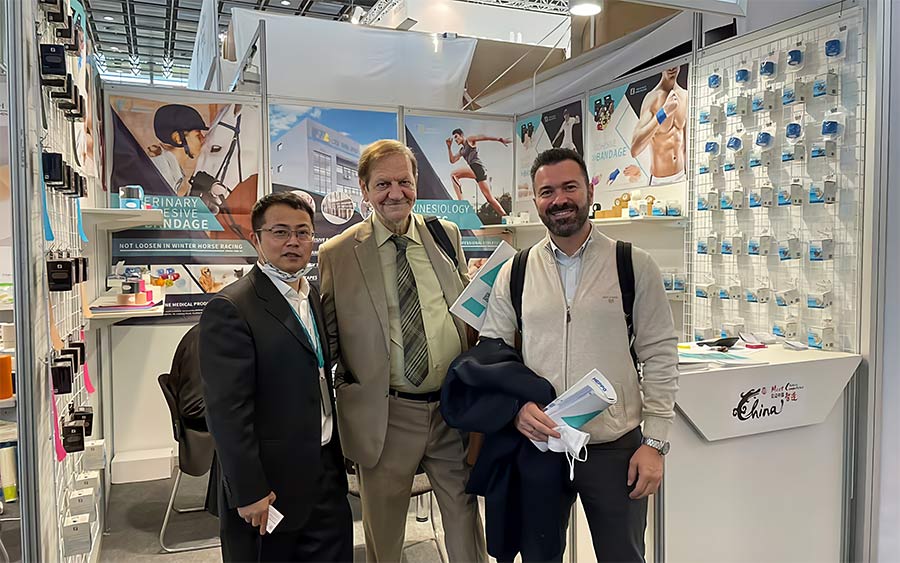
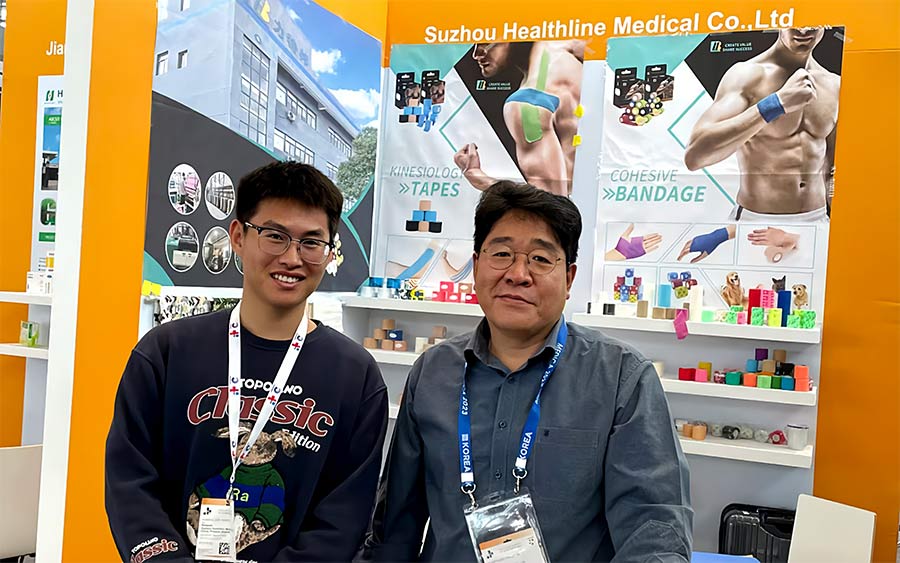
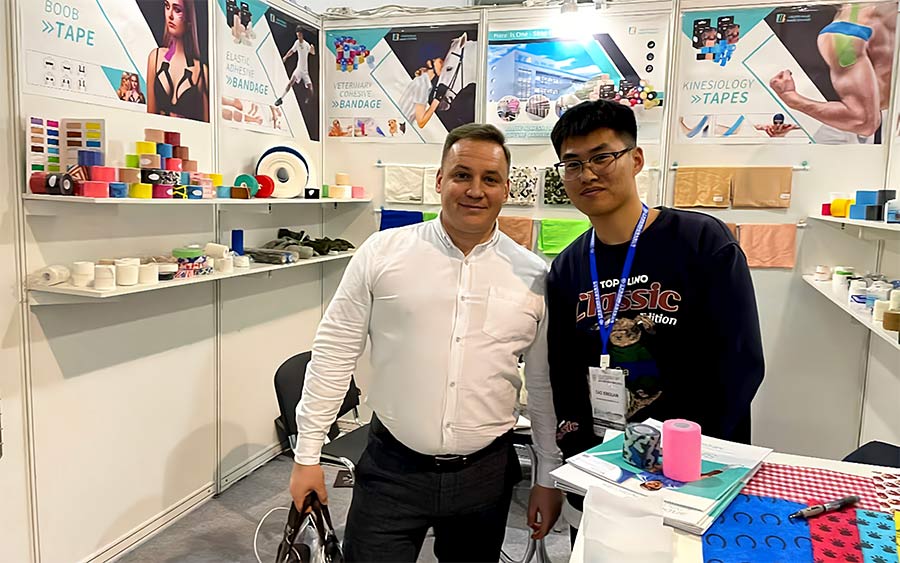
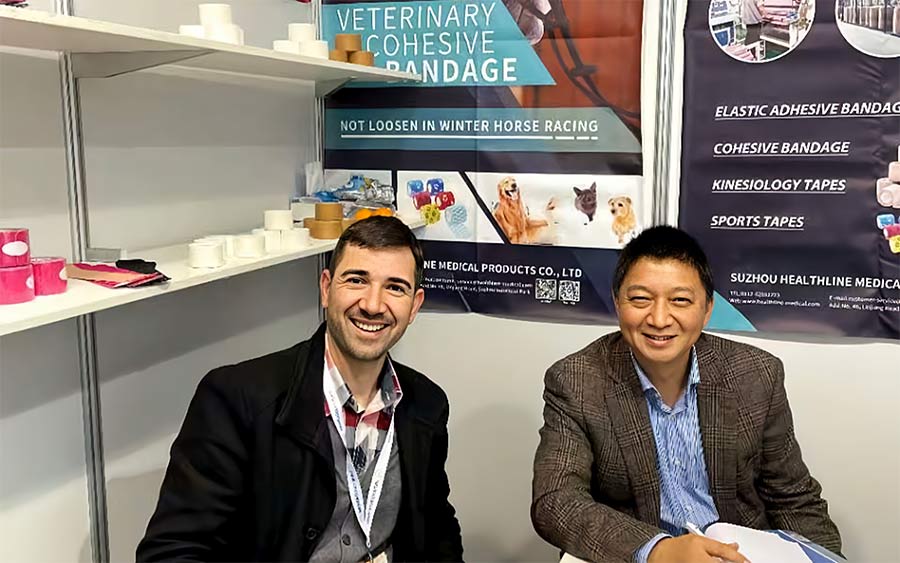
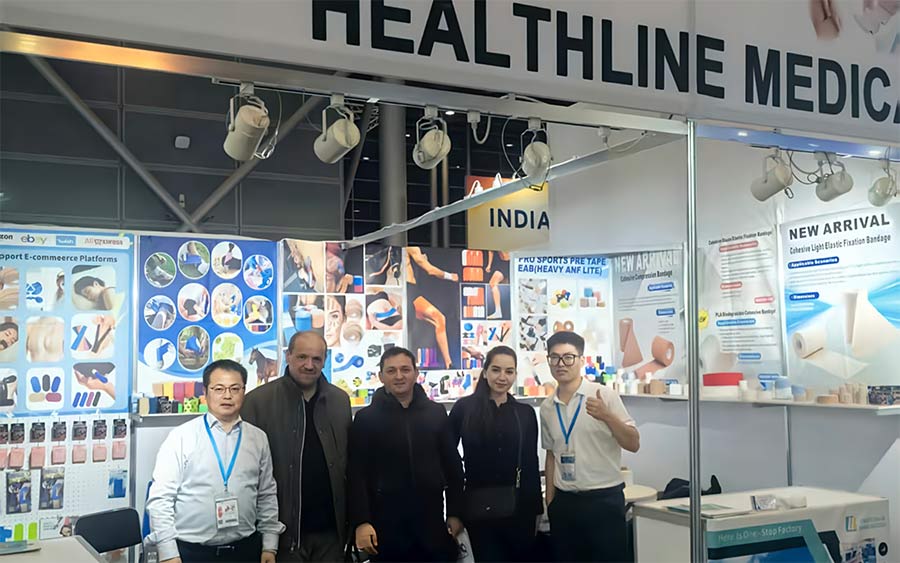
Driven by uncompromising quality, competitive value, and customer-centric service, Healthline’s products are now present in over 50 countries and regions across the globe. As a dedicated OEM/ODM manufacturer of medical cohesive bandages and sports tape, we serve a diverse client portfolio—including hospitals and clinics,veterinary,authorized distributors, government procurement agencies, national pharmacy chains, and retail supermarkets,on-line Amazon,Lotte & Tiktok e-commerce industry .
We are proud to be the long-term OEM/ODM partner for globally recognized names such as Target, CVS, Aldi, Lidl, Carrefour,Tesco, Alliance Boots,Deathlon,Covetrus and Kruuse. Our annual sales volume has maintained a steady year-over-year growth of 15% for consecutive years—a testament to the trust our partners place in us.
In today’s competitive global market, we believe sustainable success comes from continuously delivering superior products and responsive service at a fair price. This philosophy has guided Healthline for three decades, and we are committed to repaying your trust with solutions that help your business grow.


















- Ethan Zhang
- Tel:+86-512-6289 3223
- Mob:+86-19822909189
- Email:ethanzhang@healthline-medical.com
- Whatsapp / Wechat:+86-19822909189
- Skype:+86-19822909189
- Asher.cao
- Tel:+86-512-6289 3223
- Mob:+86-17625487782
-
Email:ethanzhang@healthline-medical.com
Asher.cao@healthline-medical.com
- Whatsapp / Wechat:+86-17625487782
- Skype:+86-176 2548 7782
- Jason Zhang
- Tel:+86-512-6289 3223
- Mob:+86-13152123359
- Email:jason@healthline-medical.com
- Whatsapp / Wechat:+86-13152123359
Copyright © 2025 SUZHOU HEALTHLINE MEDICAL PRODUCTS CO., LTD
All Rights Reserved.
 Sports Tape Manufacturers Cohesive Bandages Suppliers
The information provided on this website is intended for use only in countries and jurisdictions outside of the People's Republic of China.


