
 English
 Español
 русский
 عربى
عربى

- Cotton Kinesiology Tape
- Synthetic Kinesiology Tape
- Nylon Kinesiology Tape
- 4-Way Stretch Elastic Kinesiology Tape
- Standard Kinesiology Tape Roll
- Pre-Cut Kinesiology Tape Strips
- Printed / Pattern Kinesiology Tape
- Perforated Kinesiology Tape (Ventilated)
- Special Shape Kinesiology Tape
- Water-Resistant Kinesiology Tape
- Pregnancy Support Tape
- Face Lift Kinesiology Tape
- Gentle / Beauty Kinesiology Tape
- Veterinary Kinesiology Tape
- Breast Lift Tape
- Customized Kinesiology Tape
- Pre-cut I Strip Kinesiology Tape
- Pre-cut Y Strip Kinesiology Tape
- Pre-cut X Strip Kinesiology Tape
- Knee Kinesiology Tape
- Leg Kinesiology Tape
- Shoulder Kinesiology Tape
- Back Kinesiology Tape
- Waist Kinesiology Tape
- Ankle Kinesiology Tape
- Pregnancy Belly Tape
- Beauty Face Tape
- Solid Color Cohesive Bandage Roll
- Printed & Pattern Cohesive Bandage
- Non-Woven Self-Adhesive Bandage
- Cotton Self-Adhesive Bandage
- PBT Gauze Cohesive Bandage Rolls
- Pet Vet Wrap
- Horse and Cattle Self-Adhesive Bandage
- Veterinary Cohesive Bandage
- Camo Cohesive Wrap Tape
- Military and Tactical Cohesive Bandage
- Tattoo Grip Tape
- Latex Cohesive Bandage
- Latex-Free Cohesive Bandage
- Pet Laminated Self-Adhesive Bandage
- High-Tensile Cohesive Bandage
- Football Sock Wrap Self-Adhesive Bandage
- Sterile Cohesive Bandage
- Special Function Cohesive Bandage
- OEM / Bulk Cohesive Bandage Roll
- Rigid Strapping Tape
- Athletic Tape
- Zinc Oxide Sports Tape
- Rayon Rigid Sports Tape
- Sports Strapping Tape
- Finger Bob Bandages
- Boxing Tape
- Heavyweight Elastic Adhesive Bandage (EAB)
- 93 Cotton Heavyweight Elastic Adhesive Bandages(EAB)
- Athletic Heavyweight Elastic Adhesive Bandage (EAB)
- Lightweight Elastic Adhesive Bandage (EAB)
- Athletic Lightweight Elastic Adhesive Bandage (EAB)
- American Style Elastic Adhesive Bandage (EAB)
- Japanese Style Elastic Adhesive Bandage (EAB)
- Elastic Adhesive Compression Bandage
- Veterinary Elastic Adhesive Bandage (EAB)
Self Adhesive Bandage Wrap: Uses, Sizes & How to Choose the Right One
Content
A rolled bandage that sticks to itself but never to your skin — no clips, no pins, no tape. That's the core premise of self-adhesive bandage wrap, and it's why this product has become a staple in first-aid kits, sports bags, veterinary clinics, and hospital supply rooms alike. But not all wraps perform the same way. Knowing what separates a good one from a frustrating one can save you time, money, and a poorly supported ankle.
What Makes Self-Adhesive Wrap Different from Regular Bandages
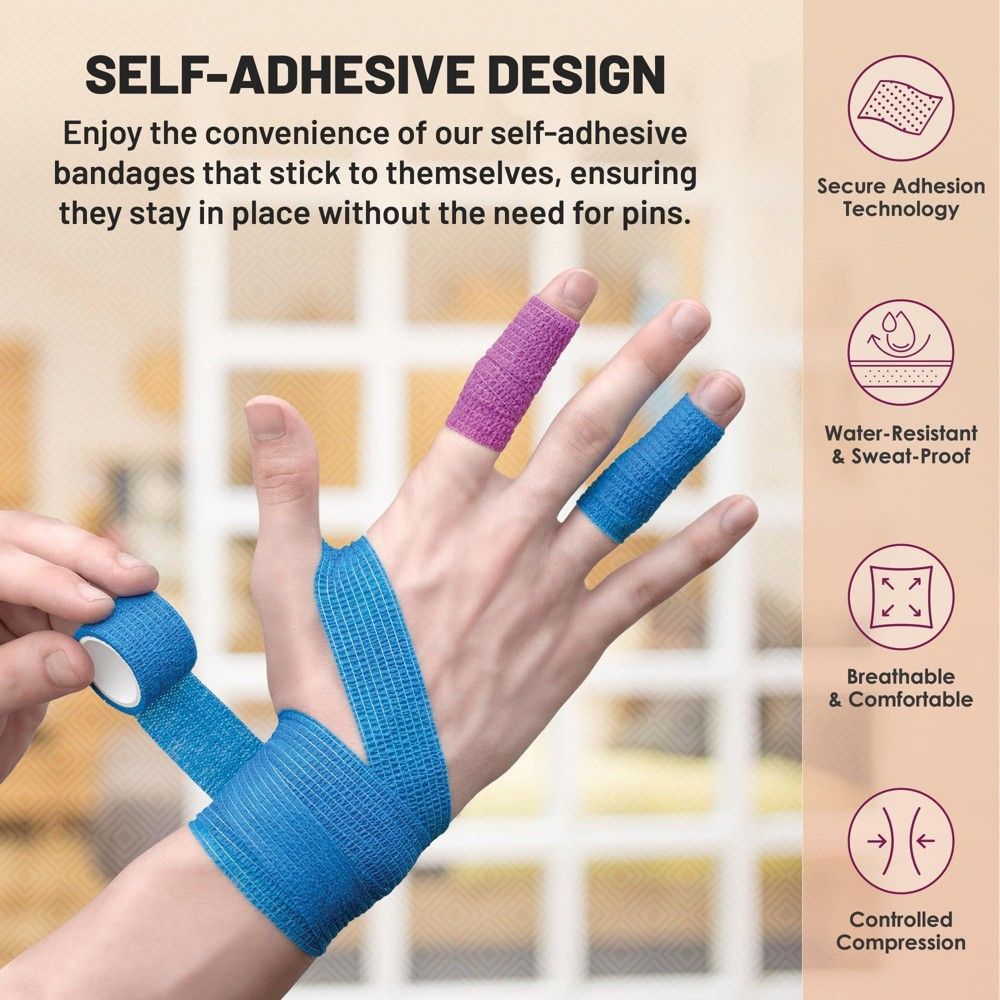
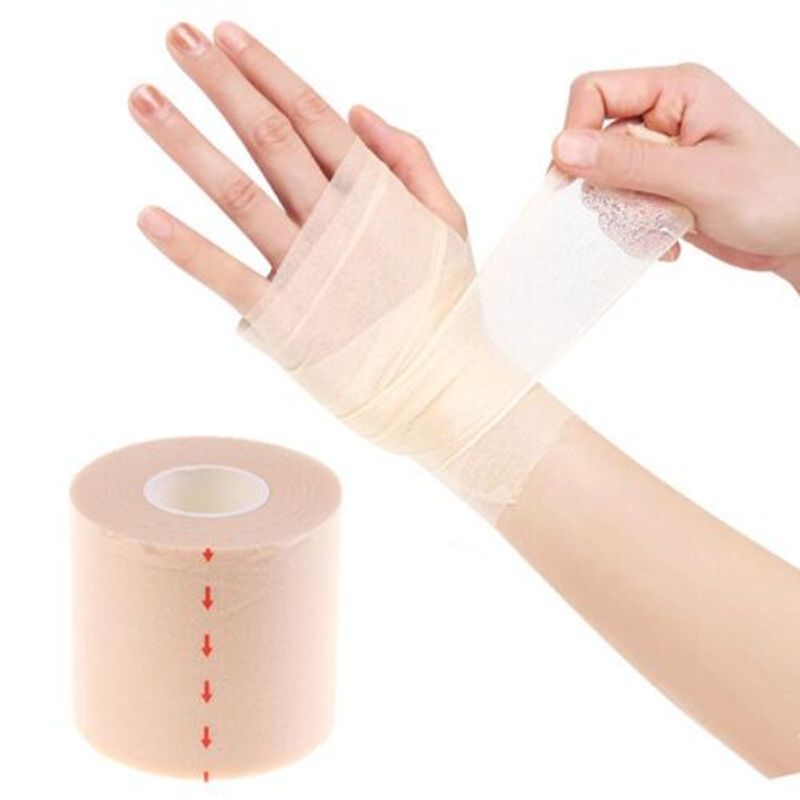
Standard elastic bandages rely on metal clips to hold their shape — which shift, dig in, and fail at the worst moments. Self-adhesive bandage wrap (also called cohesive bandage) uses a micro-friction coating on a non-woven elastic base that bonds layer to layer on contact. The result is a secure wrap that holds through sweat and movement without ever adhering to skin, hair, or fur.
A clinical review published in late 2025 noted that cohesive bandages maintain their compression integrity across activity levels where traditional adhesive wraps can lose up to 30–40% of adhesion under perspiration. That's a meaningful gap when you're mid-game or mid-shift.
Explore the full range of flexible wrap self-adhesive bandages to see how material options and formats differ across use cases.
Where Self-Adhesive Wrap Gets Used
Sports and injury prevention. Athletes across football, basketball, running, and combat sports use cohesive wrap to stabilize ankles, wrists, and knees before and after exertion. Applied without stretch, multiple layers build meaningful joint support. Applied with moderate tension, a single layer provides light compression to manage swelling after a minor sprain.
Medical and wound care. In clinical settings, self-adhesive wrap is used as a secondary dressing layer — holding gauze, ointment-impregnated pads, or other primary dressings in place without the skin irritation caused by adhesive tape. A 2023 multi-center study tracking 702 patients on compression therapy reported an average pain reduction of 67% using cohesive-type compression systems over a six-week period. The wrap can be unwound and reapplied for wound checks as long as it hasn't been contaminated.
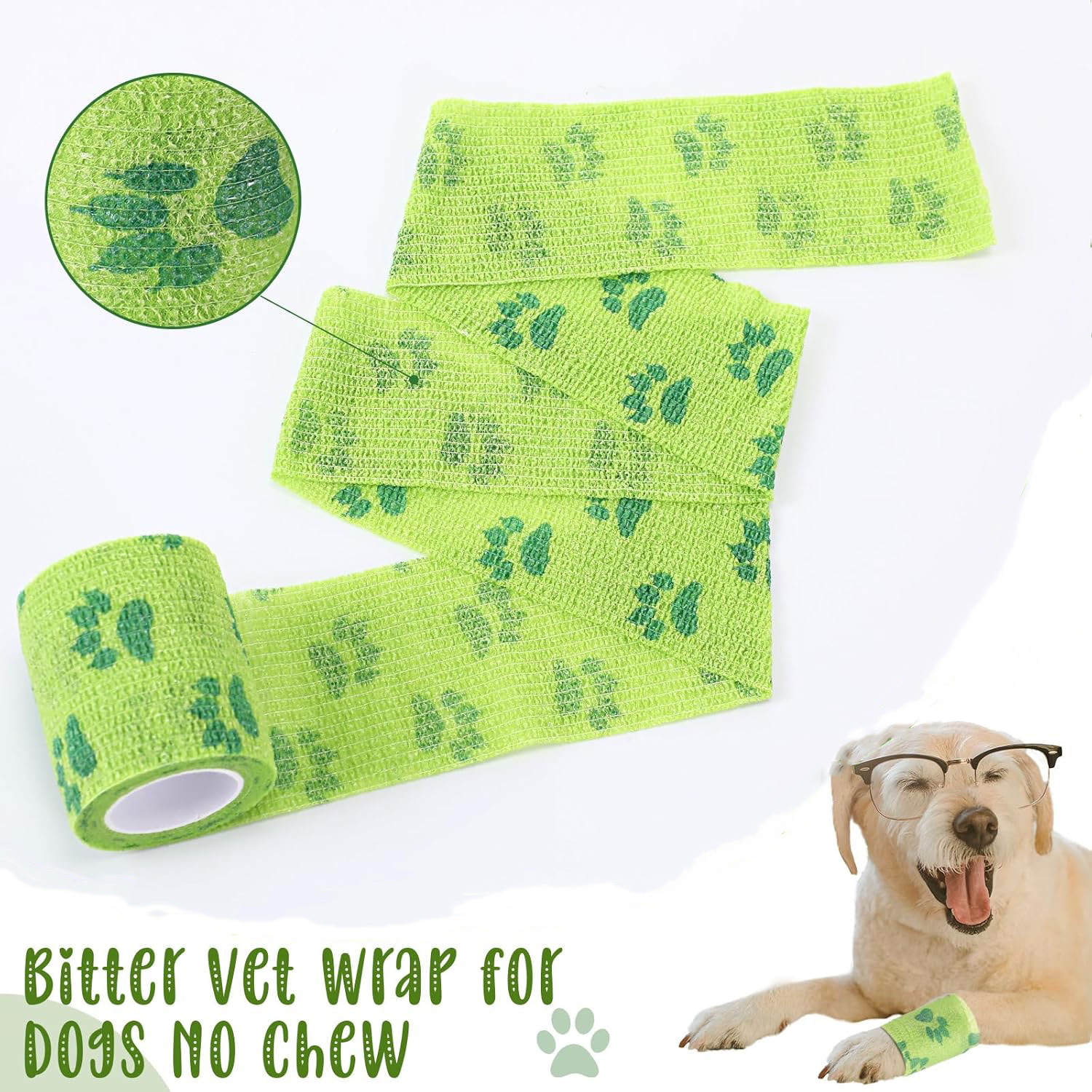
Veterinary use. Cohesive bandages are a go-to in animal care because they don't catch on fur or feathers. They're routinely used on limb wounds and post-surgical dressings for pets, livestock, and horses — the same self-adherent principle that makes them gentle on human skin works equally well on animals.
Choosing the Right Width
Width is the most commonly mismatched variable. Too narrow and you're spending time doing extra passes; too wide and you lose contouring control around small joints. A practical guide:
| Width | Best For |
|---|---|
| 2.5 cm × 4.5 m | Fingers, toes, small pet limbs |
| 5 cm × 4.5 m | Wrists, thumbs, narrow ankle wraps |
| 7.5 cm × 4.5 m | Ankles, elbows, mid-sized joints |
| 10 cm × 4.5 m | Knees, shoulders, full ankle/calf wraps |
| 15 cm × 4.5 m | Thighs, compression wraps for larger limbs |
For joints that move frequently — ankle, knee — start your wrap just below the joint and spiral upward with 50% overlap per pass. A clockwise direction is the clinical standard because it distributes tension more evenly and reduces the likelihood of the wrap loosening.
How to Apply It Correctly
The most common mistake is wrapping too tight. Self-adhesive wrap doesn't stretch after application the way elastic bandages do, so excess tension at the time of wrapping stays locked in. The test: slide two fingers under the wrap after it's applied. If you can't, loosen it. Numbness, tingling, or skin discoloration below the wrap means blood flow is being restricted — remove and reapply immediately.
For first aid use, anchor the wrap with one or two flat passes before spiraling up the limb. Tear the end by hand — quality non-woven material tears cleanly without scissors. No clips or tape needed to finish.
For more guidance on secondary fixation and proper technique, see how cohesive bandages are applied in secondary fixation settings.
Latex-Free and Waterproof Options
Standard cohesive bandages are often made with natural rubber latex, which provides excellent elasticity. If you're sourcing for a clinical environment or working with patients who have latex sensitivities, latex-free cohesive bandages made from synthetic elastic materials offer equivalent compression without the allergy risk. These are also the safer default for first-aid kits where you don't know the end user's sensitivities in advance.
For outdoor sports, hiking, or any situation involving water exposure, a waterproof self-adhesive wrap holds its structure through rain and perspiration where standard non-woven material would degrade and loosen. Waterproof outdoor self-adhesive bandages use a treated surface layer that repels moisture while maintaining the cohesive self-adherent bond.
One more practical note: self-adhesive wrap is non-sterile. It secures dressings; it doesn't replace them. Never apply directly to an open wound. The primary wound care layer — sterile gauze, a non-adherent pad — goes on first. The cohesive wrap goes on top.
For a deeper look at how self-adhesive bandages reduce risk in first aid and injury management, the clinical rationale behind this product type is worth understanding before stocking up.
If you need compression support that also adheres directly to the skin for more secure fixation — especially post-surgical or for high-demand athletic use — an elastic adhesive bandage is the appropriate step up from cohesive wrap.
Share:
RECOMMENDED PRODUCTS

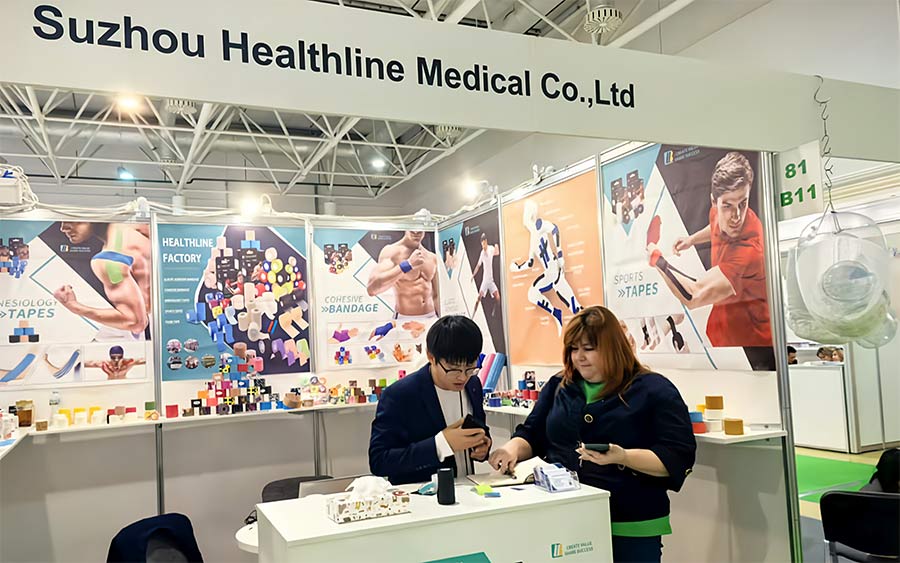
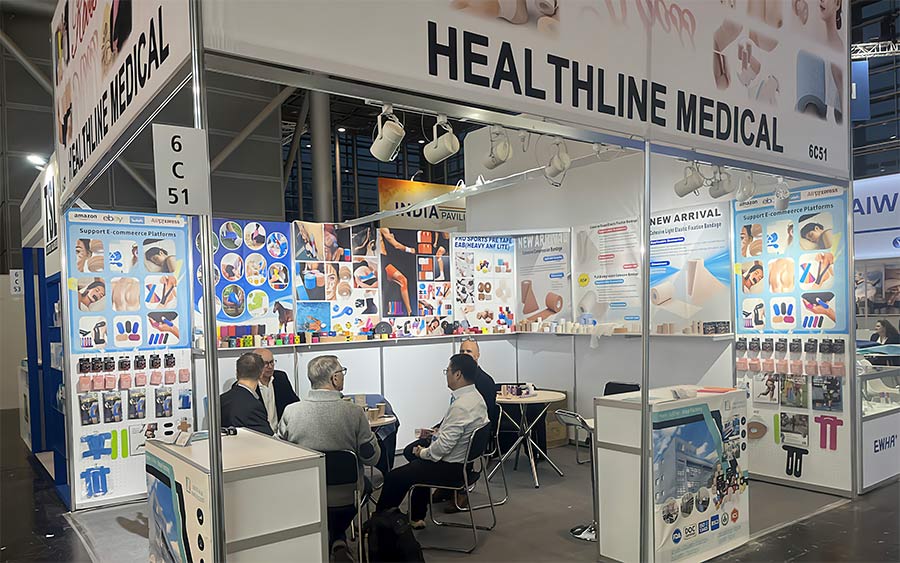
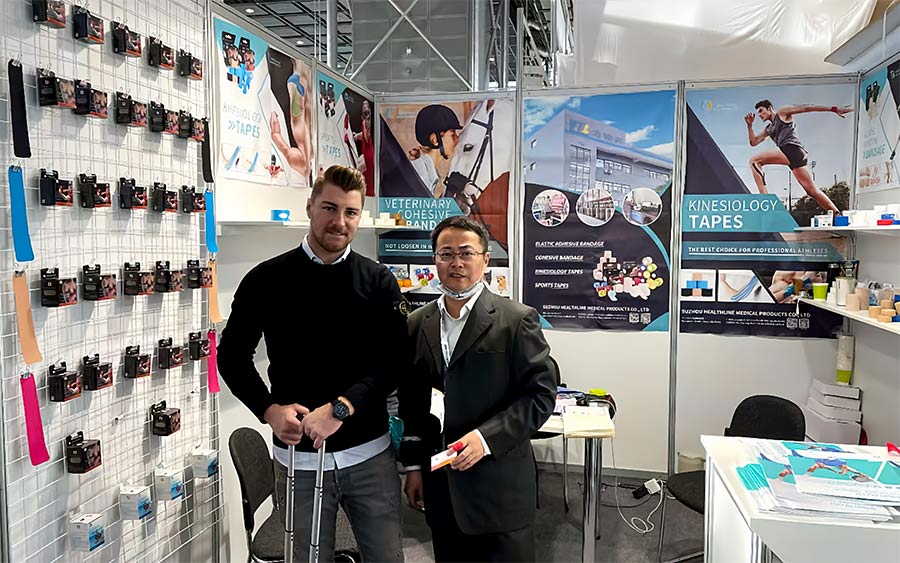
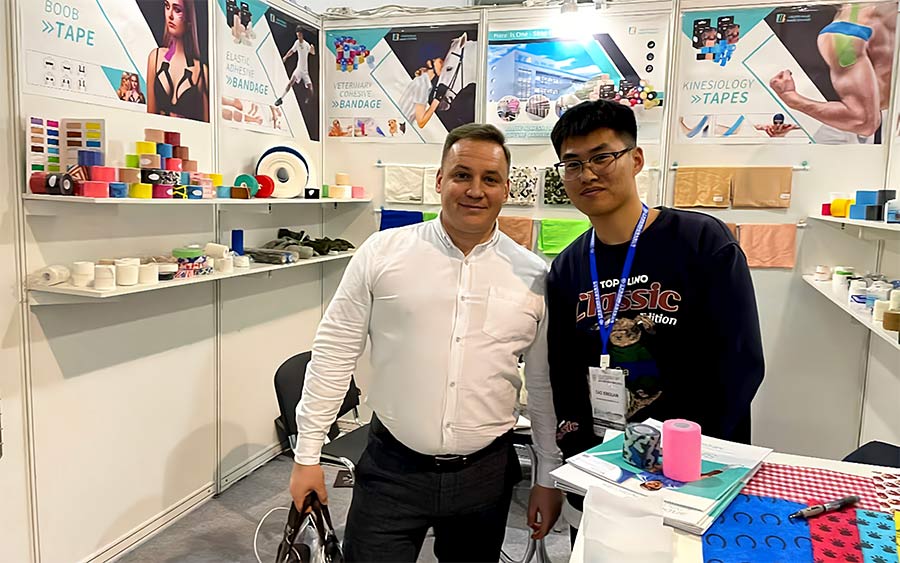
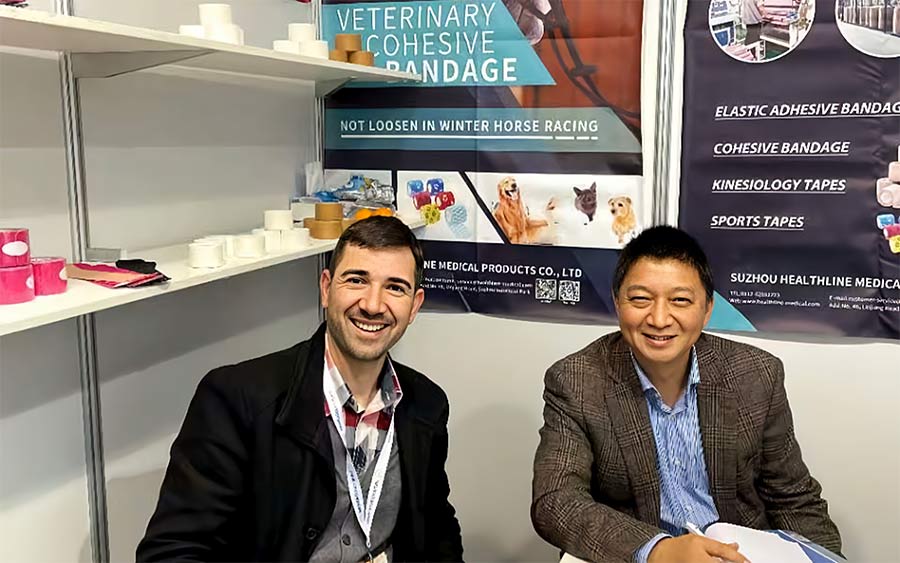
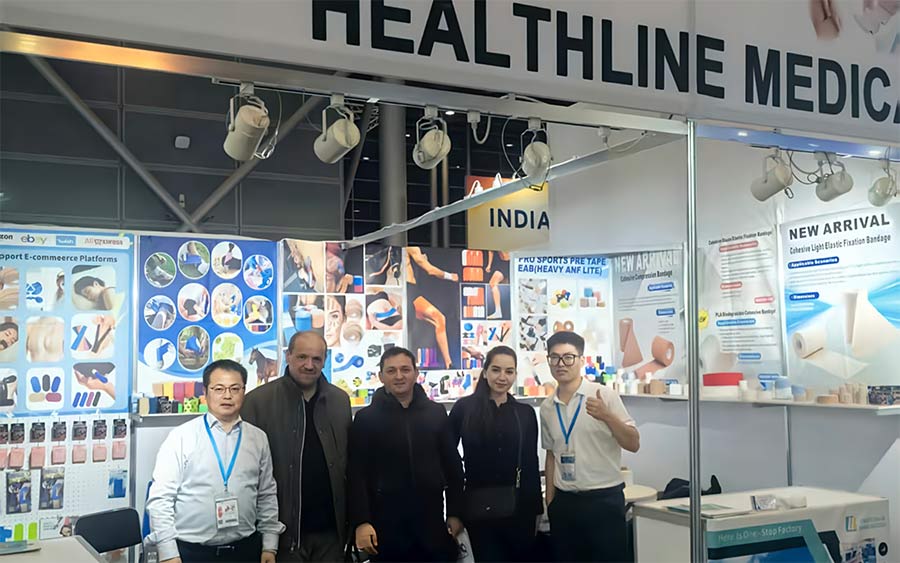
Driven by uncompromising quality, competitive value, and customer-centric service, Healthline’s products are now present in over 50 countries and regions across the globe. As a dedicated OEM/ODM manufacturer of medical cohesive bandages and sports tape, we serve a diverse client portfolio—including hospitals and clinics,veterinary,authorized distributors, government procurement agencies, national pharmacy chains, and retail supermarkets,on-line Amazon,Lotte & Tiktok e-commerce industry .
We are proud to be the long-term OEM/ODM partner for globally recognized names such as Target, CVS, Aldi, Lidl, Carrefour,Tesco, Alliance Boots,Deathlon,Covetrus and Kruuse. Our annual sales volume has maintained a steady year-over-year growth of 15% for consecutive years—a testament to the trust our partners place in us.
In today’s competitive global market, we believe sustainable success comes from continuously delivering superior products and responsive service at a fair price. This philosophy has guided Healthline for three decades, and we are committed to repaying your trust with solutions that help your business grow.


















- Ethan Zhang
- Tel:+86-512-6289 3223
- Mob:+86-19822909189
- Email:ethanzhang@healthline-medical.com
- Whatsapp / Wechat:+86-19822909189
- Skype:+86-19822909189
- Asher.cao
- Tel:+86-512-6289 3223
- Mob:+86-17625487782
-
Email:ethanzhang@healthline-medical.com
Asher.cao@healthline-medical.com
- Whatsapp / Wechat:+86-17625487782
- Skype:+86-176 2548 7782
- Jason Zhang
- Tel:+86-512-6289 3223
- Mob:+86-13152123359
- Email:jason@healthline-medical.com
- Whatsapp / Wechat:+86-13152123359
Copyright © 2025 SUZHOU HEALTHLINE MEDICAL PRODUCTS CO., LTD
All Rights Reserved.
 Sports Tape Manufacturers Cohesive Bandages Suppliers
The information provided on this website is intended for use only in countries and jurisdictions outside of the People's Republic of China.


