
 English
 Español
 русский
 عربى
عربى

- Cotton Kinesiology Tape
- Synthetic Kinesiology Tape
- Nylon Kinesiology Tape
- 4-Way Stretch Elastic Kinesiology Tape
- Standard Kinesiology Tape Roll
- Pre-Cut Kinesiology Tape Strips
- Printed / Pattern Kinesiology Tape
- Perforated Kinesiology Tape (Ventilated)
- Special Shape Kinesiology Tape
- Water-Resistant Kinesiology Tape
- Pregnancy Support Tape
- Face Lift Kinesiology Tape
- Gentle / Beauty Kinesiology Tape
- Veterinary Kinesiology Tape
- Breast Lift Tape
- Customized Kinesiology Tape
- Pre-cut I Strip Kinesiology Tape
- Pre-cut Y Strip Kinesiology Tape
- Pre-cut X Strip Kinesiology Tape
- Knee Kinesiology Tape
- Leg Kinesiology Tape
- Shoulder Kinesiology Tape
- Back Kinesiology Tape
- Waist Kinesiology Tape
- Ankle Kinesiology Tape
- Pregnancy Belly Tape
- Beauty Face Tape
- Solid Color Cohesive Bandage Roll
- Printed & Pattern Cohesive Bandage
- Non-Woven Self-Adhesive Bandage
- Cotton Self-Adhesive Bandage
- PBT Gauze Cohesive Bandage Rolls
- Pet Vet Wrap
- Horse and Cattle Self-Adhesive Bandage
- Veterinary Cohesive Bandage
- Camo Cohesive Wrap Tape
- Military and Tactical Cohesive Bandage
- Tattoo Grip Tape
- Latex Cohesive Bandage
- Latex-Free Cohesive Bandage
- Pet Laminated Self-Adhesive Bandage
- High-Tensile Cohesive Bandage
- Football Sock Wrap Self-Adhesive Bandage
- Sterile Cohesive Bandage
- Special Function Cohesive Bandage
- OEM / Bulk Cohesive Bandage Roll
- Rigid Strapping Tape
- Athletic Tape
- Zinc Oxide Sports Tape
- Rayon Rigid Sports Tape
- Sports Strapping Tape
- Finger Bob Bandages
- Boxing Tape
- Heavyweight Elastic Adhesive Bandage (EAB)
- 93 Cotton Heavyweight Elastic Adhesive Bandages(EAB)
- Athletic Heavyweight Elastic Adhesive Bandage (EAB)
- Lightweight Elastic Adhesive Bandage (EAB)
- Athletic Lightweight Elastic Adhesive Bandage (EAB)
- American Style Elastic Adhesive Bandage (EAB)
- Japanese Style Elastic Adhesive Bandage (EAB)
- Elastic Adhesive Compression Bandage
- Veterinary Elastic Adhesive Bandage (EAB)
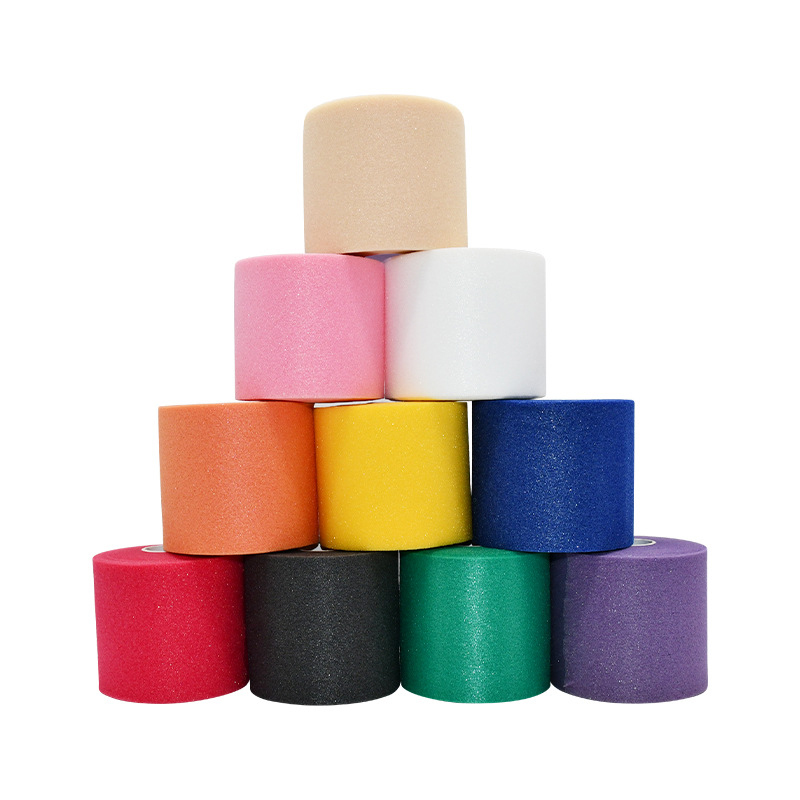
No More Tape Tears: Why Underwrap Foam Is the Pre-Wrap Revolution Athletes Need
Content
Every athlete has felt it — that sharp sting when athletic tape rips away from bare skin after a game. It's not just painful; repeated tape removal can strip the outer skin layer, cause blisters, and leave raw patches that make the next taping session even worse. The fix is simple, and it's been sitting in sports medicine kits for decades: underwrap foam, the unsung base layer that transforms the entire taping experience.
What Underwrap Foam Actually Does
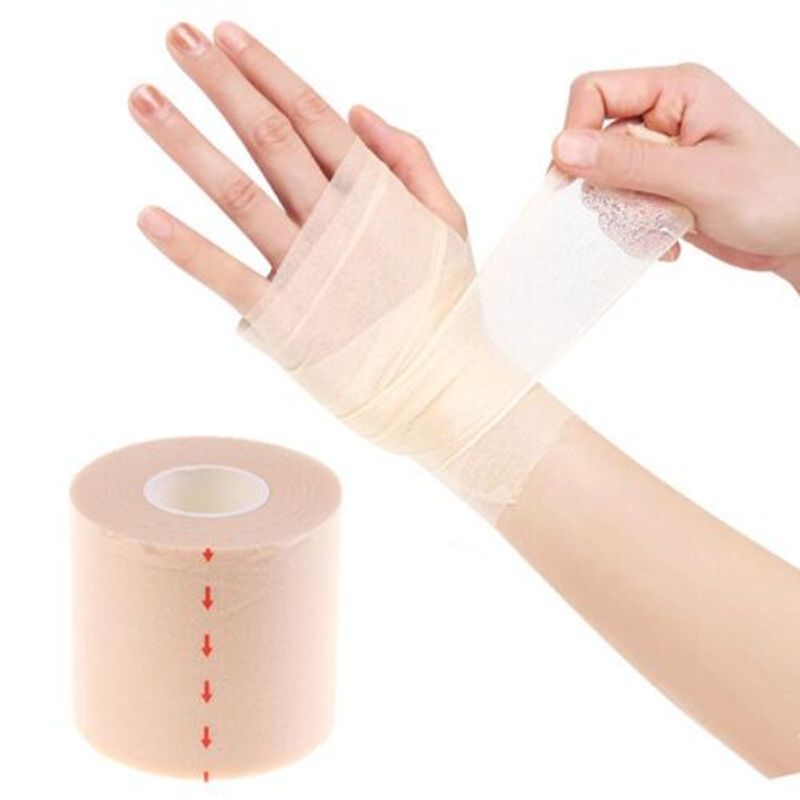
Underwrap foam — also called pre-wrap — is a thin, non-adhesive polyurethane foam applied directly to the skin before athletic tape goes on. It creates a protective buffer between adhesive and skin, so when the tape comes off, it peels away from the foam instead of dragging across your epidermis.
The material is engineered to be self-clinging: it sticks to itself through gentle compression, not glue. That means zero adhesive residue on skin, no painful hair-pulling, and no torn patches. For athletes who tape joints daily — ankles, wrists, knees — this distinction is significant. professional-grade foam underwrap made from high-quality polyurethane offers a protective barrier at roughly 25 mils thickness — enough cushion to matter, thin enough to fit inside a shoe without bulk.
The Real Cost of Skipping Pre-Wrap
Applying rigid athletic tape directly to skin isn't just uncomfortable — it's a skin health risk. Research published in Cureus confirmed that medical adhesives can damage the stratum corneum upon removal, stripping proteins and increasing transepidermal water loss even in healthy volunteers. For athletes who tape and re-tape the same joints week after week, that cumulative damage adds up fast.
Skin that's been repeatedly abraded becomes sensitized. Tape adhesion worsens on irritated skin. The joint support you're relying on gets compromised — ironically, by the very act of trying to protect the joint. Underwrap foam breaks this cycle before it starts.
It's also worth noting that between 5% and 15% of athletes show some sensitivity to adhesive tape components. A foam underlayer dramatically reduces the surface area of adhesive contact with skin, lowering both reaction risk and removal trauma in one step.
How Pre-Wrap Improves Tape Performance — Not Just Comfort
A common misconception is that underwrap reduces tape effectiveness by adding a slippery layer. The opposite is true when applied correctly. Foam pre-wrap provides a consistent, clean surface for adhesive tape to bond to — more uniform than bare skin, which has variable texture, moisture levels, and hair.
The result is more predictable tape behavior: edges stay down longer, the tape job holds its shape through sweat and movement, and the overall structure is easier to apply with consistent tension. Athletic trainers in professional sports settings rely on this consistency. A poorly adhering tape job that shifts mid-game provides neither support nor safety.
Pre-wrap also works in tandem with zinc oxide sports tapes and rigid athletic tapes to deliver proper joint stabilization — the foam doesn't impede compression, it channels it. And for kinesiology tape applications where extended wear is expected, the barrier layer reduces the inflammation that often cuts a taping session short.
Versatility Beyond Joint Taping
Underwrap foam has quietly become one of the most multi-purpose items in any sports kit. Its hand-tearable format means it's ready in seconds — no scissors needed. Athletes use it as:
- A base layer under rigid or elastic tape for ankles, wrists, and knees
- A sweat-absorbing headband that stays put without adhesive
- A sock or pad holder to prevent slippage during long matches
- A gentle wrap to secure cold packs to an injury site post-game
- An emergency bandage when nothing else is available
The lightweight, breathable foam structure means it works in warm and humid conditions without trapping excess heat — a meaningful advantage in endurance sports or summer training. Its water-resistant properties keep performance consistent even when sweat is heavy.
Choosing the Right Underwrap Foam
Not all foam pre-wrap is equal. Key factors to evaluate:
| Feature | What to Look For | Why It Matters |
|---|---|---|
| Material | Polyurethane foam, latex-free | Reduces allergy risk, suits sensitive skin |
| Thickness | ~25 mils | Protective without adding bulk under footwear |
| Tearability | Hand-tearable | Fast application in field conditions |
| Breathability | Porous / open-cell foam | Prevents heat and moisture buildup |
| Self-adherence | Clings to itself, not to skin | No adhesive residue on removal |
For clinical or team settings, bulk rolls in multiple colors allow color-coding by sport, position, or injury protocol — a practical organizational advantage that individual rolls don't offer. The raw fabric materials used in professional sports taping are also worth understanding if you're making purchasing decisions at scale.
The Right Order of Operations
Applying underwrap correctly takes under a minute. Clean and dry the target area thoroughly — moisture under foam creates slippage. Wrap the foam with light tension, overlapping each pass by roughly half the width of the roll. Keep it smooth and wrinkle-free; folds create pressure points under rigid tape. Then apply your athletic tape over the top with normal technique.
Removal is equally straightforward. The tape peels away cleanly from the foam surface. The foam itself lifts off without adhesive resistance. No tape-removal spray needed, no soaking, no bracing for the sting. That alone makes pre-wrap worth adding to every taping routine.
The tear-and-tape sequence becomes second nature within a few sessions. And once athletes experience a painless removal, going back to bare-skin taping feels like a deliberate inconvenience rather than just standard practice.
Share:
RECOMMENDED PRODUCTS


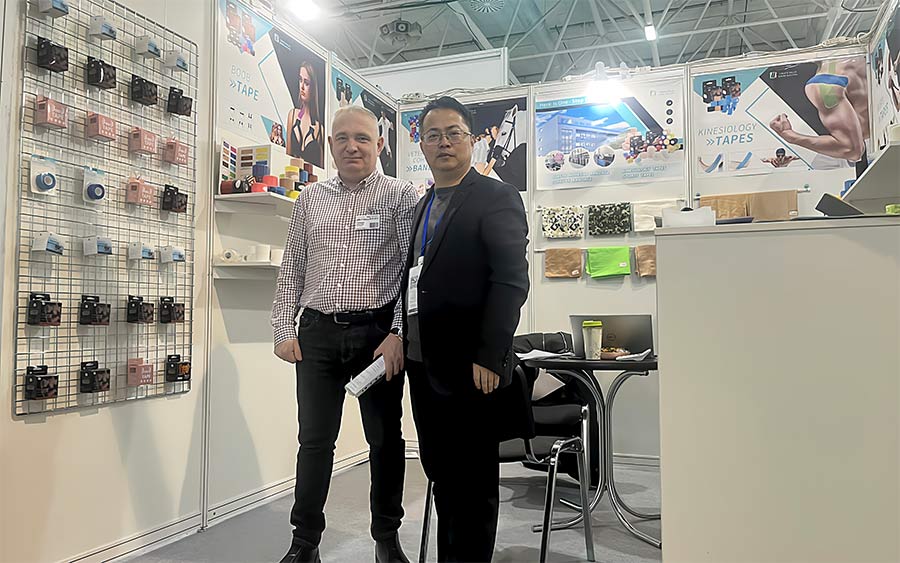
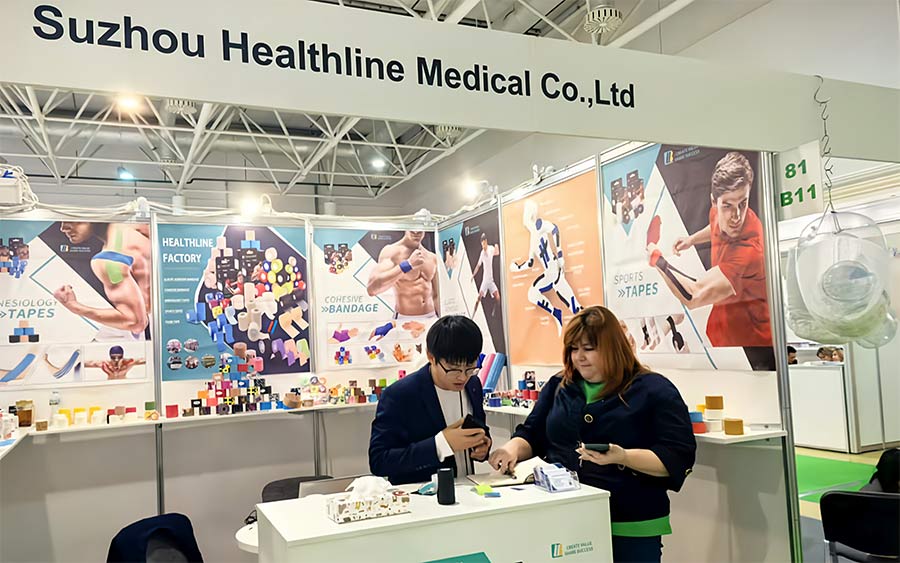
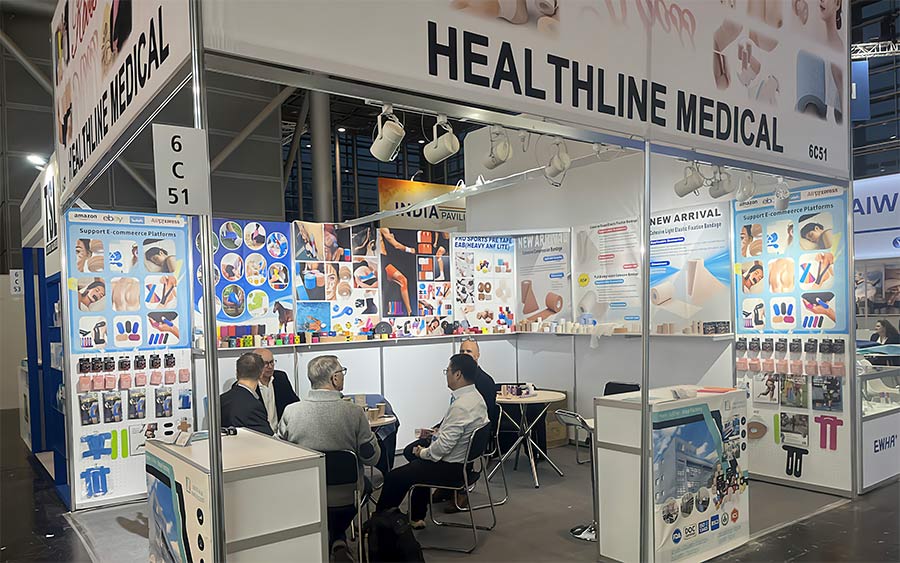
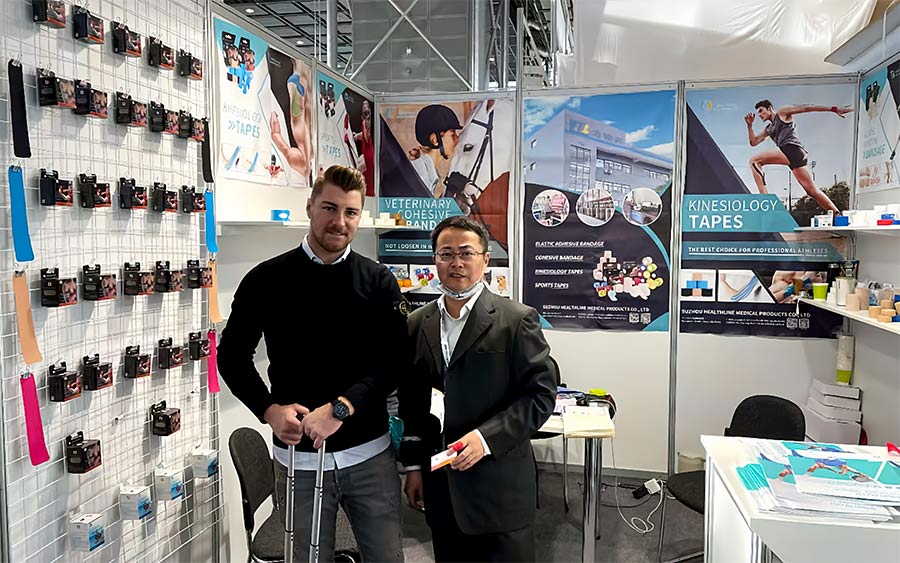
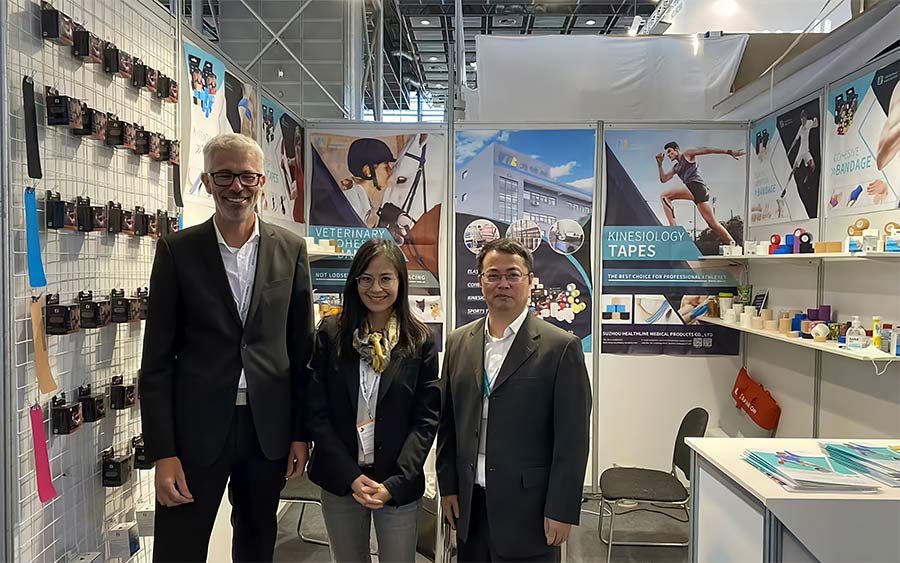
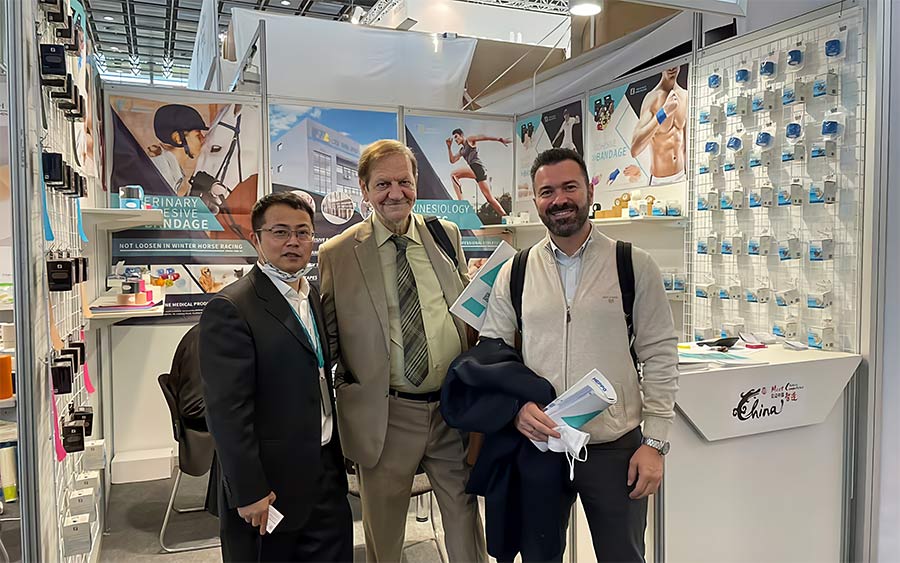
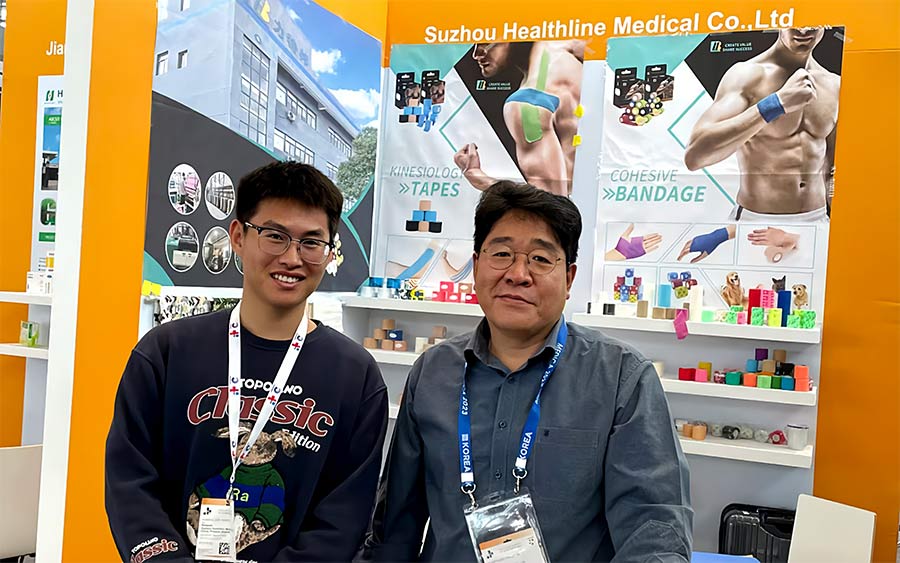
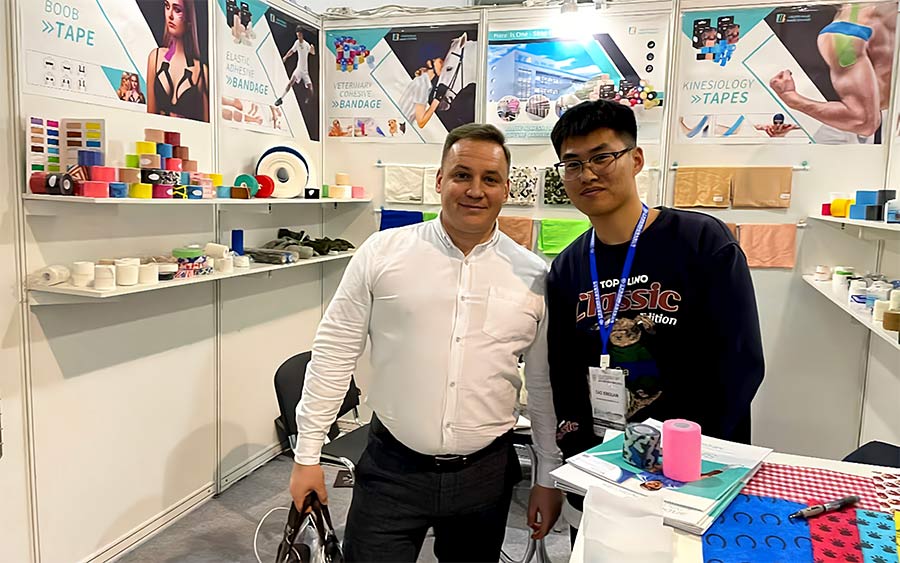
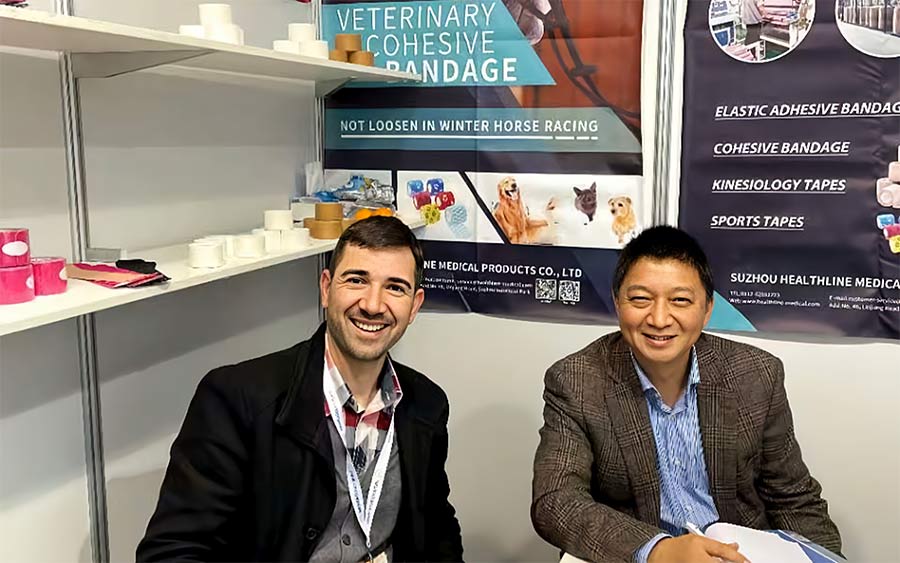
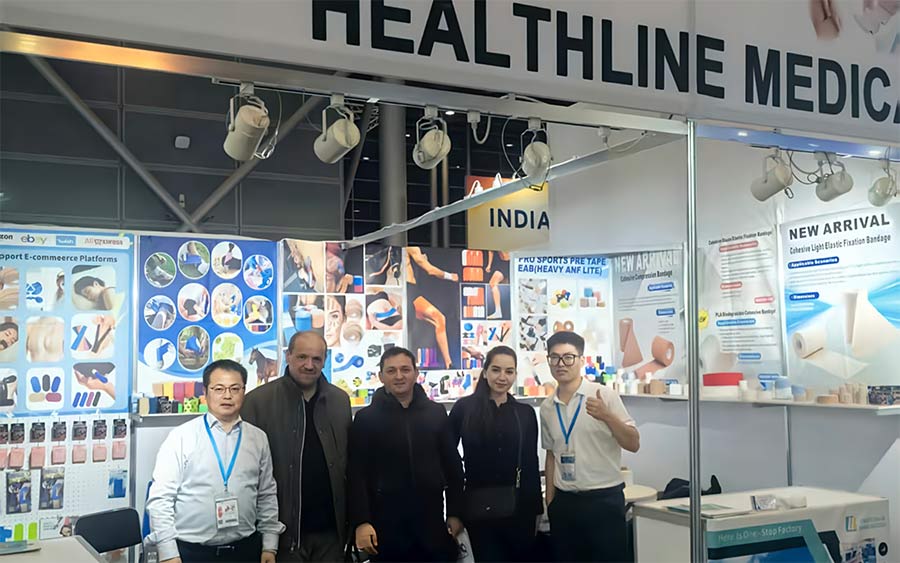
Driven by uncompromising quality, competitive value, and customer-centric service, Healthline’s products are now present in over 50 countries and regions across the globe. As a dedicated OEM/ODM manufacturer of medical cohesive bandages and sports tape, we serve a diverse client portfolio—including hospitals and clinics,veterinary,authorized distributors, government procurement agencies, national pharmacy chains, and retail supermarkets,on-line Amazon,Lotte & Tiktok e-commerce industry .
We are proud to be the long-term OEM/ODM partner for globally recognized names such as Target, CVS, Aldi, Lidl, Carrefour,Tesco, Alliance Boots,Deathlon,Covetrus and Kruuse. Our annual sales volume has maintained a steady year-over-year growth of 15% for consecutive years—a testament to the trust our partners place in us.
In today’s competitive global market, we believe sustainable success comes from continuously delivering superior products and responsive service at a fair price. This philosophy has guided Healthline for three decades, and we are committed to repaying your trust with solutions that help your business grow.













- Asher.cao
- Tel:+86-512-6289 3223
- Mob:+86-176 2548 7782
- Email:Asher.cao@healthline-medical.com
- Whatsapp / Wechat:+86-176 2548 7782
- Skype:+86-176 2548 7782
- Ethan Zhang
- Tel:+86-512-6289 3223
- Mob:+86-19822909189
- Email:ethanzhang@healthline-medical.com
- Whatsapp / Wechat:+86-19822909189
- Skype:+86-19822909189
- Jason Zhang
- Tel:+86-512-6289 3223
- Mob:+86-13152123359
- Email:jason@healthline-medical.com
- Whatsapp / Wechat:+86-13152123359
Copyright © 2025 SUZHOU HEALTHLINE MEDICAL PRODUCTS CO., LTD
All Rights Reserved.
 Sports Tape Manufacturers Cohesive Bandages Suppliers
The information provided on this website is intended for use only in countries and jurisdictions outside of the People's Republic of China.


