
 English
 Español
 русский
 عربى
عربى

- Cotton Kinesiology Tape
- Synthetic Kinesiology Tape
- Nylon Kinesiology Tape
- 4-Way Stretch Elastic Kinesiology Tape
- Standard Kinesiology Tape Roll
- Pre-Cut Kinesiology Tape Strips
- Printed / Pattern Kinesiology Tape
- Perforated Kinesiology Tape (Ventilated)
- Special Shape Kinesiology Tape
- Water-Resistant Kinesiology Tape
- Pregnancy Support Tape
- Face Lift Kinesiology Tape
- Gentle / Beauty Kinesiology Tape
- Veterinary Kinesiology Tape
- Breast Lift Tape
- Customized Kinesiology Tape
- Pre-cut I Strip Kinesiology Tape
- Pre-cut Y Strip Kinesiology Tape
- Pre-cut X Strip Kinesiology Tape
- Knee Kinesiology Tape
- Leg Kinesiology Tape
- Shoulder Kinesiology Tape
- Back Kinesiology Tape
- Waist Kinesiology Tape
- Ankle Kinesiology Tape
- Pregnancy Belly Tape
- Beauty Face Tape
- Solid Color Cohesive Bandage Roll
- Printed & Pattern Cohesive Bandage
- Non-Woven Self-Adhesive Bandage
- Cotton Self-Adhesive Bandage
- PBT Gauze Cohesive Bandage Rolls
- Pet Vet Wrap
- Horse and Cattle Self-Adhesive Bandage
- Veterinary Cohesive Bandage
- Camo Cohesive Wrap Tape
- Military and Tactical Cohesive Bandage
- Tattoo Grip Tape
- Latex Cohesive Bandage
- Latex-Free Cohesive Bandage
- Pet Laminated Self-Adhesive Bandage
- High-Tensile Cohesive Bandage
- Football Sock Wrap Self-Adhesive Bandage
- Sterile Cohesive Bandage
- Special Function Cohesive Bandage
- OEM / Bulk Cohesive Bandage Roll
- Rigid Strapping Tape
- Athletic Tape
- Zinc Oxide Sports Tape
- Rayon Rigid Sports Tape
- Sports Strapping Tape
- Finger Bob Bandages
- Boxing Tape
- Heavyweight Elastic Adhesive Bandage (EAB)
- 93 Cotton Heavyweight Elastic Adhesive Bandages(EAB)
- Athletic Heavyweight Elastic Adhesive Bandage (EAB)
- Lightweight Elastic Adhesive Bandage (EAB)
- Athletic Lightweight Elastic Adhesive Bandage (EAB)
- American Style Elastic Adhesive Bandage (EAB)
- Japanese Style Elastic Adhesive Bandage (EAB)
- Elastic Adhesive Compression Bandage
- Veterinary Elastic Adhesive Bandage (EAB)
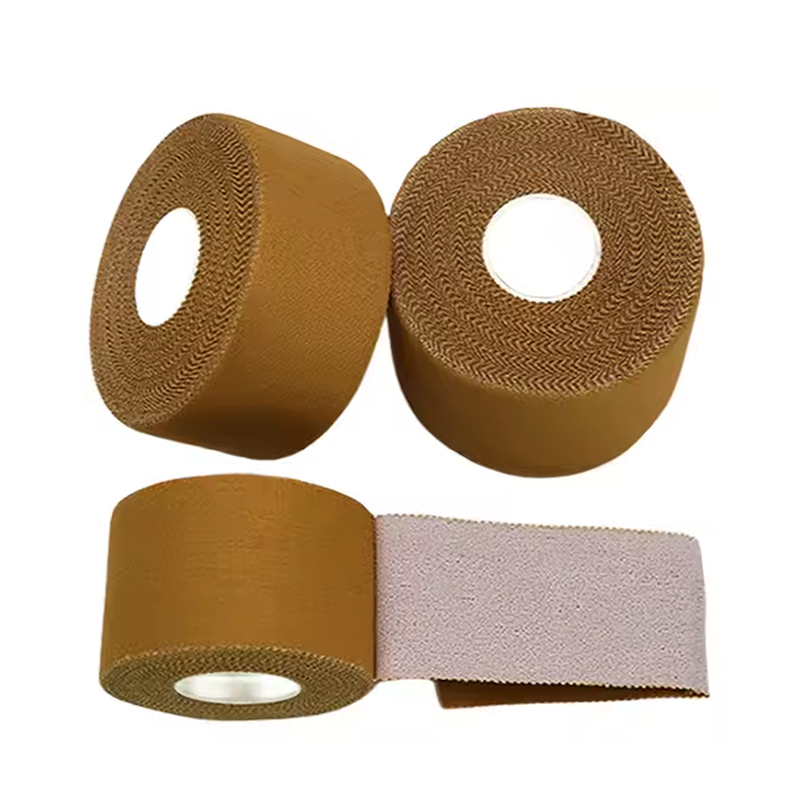
Rigid Sports Strapping Tape: How to Choose, Apply & Prevent Injury
Content
Ankle sprains account for roughly 25% of all sports injuries — and most of them are preventable. Rigid strapping tape is one of the most direct, evidence-backed tools athletes and physios reach for first. Here's what it actually does, how to pick the right type, and when to use it.
What Rigid Sports Strapping Tape Does Differently
Unlike kinesiology tape, which stretches with your body to support muscles, rigid sports strapping tape does not stretch at all. That non-elastic structure is exactly the point. It physically limits excessive joint rotation, hyperextension, and lateral movement — keeping vulnerable ligaments and tendons from being pushed past their safe range.
Research published on PMC confirms that prophylactic ankle taping with rigid tape is effective in preventing injuries in both amateur and elite athletes, primarily by restricting ankle range of motion and increasing proprioceptive feedback. A separate randomized controlled trial found that rigid ankle tape improves joint position sense even under muscle fatigue — the precise moment when sprains are most likely to happen.
Beyond joint protection, studies also show a measurable confidence effect: athletes taped with rigid strapping tape report significantly higher self-efficacy and perceived stability during dynamic tasks, which allows earlier return to full activity during rehabilitation.
How to Choose the Right Width
Width selection is straightforward but often overlooked. The wrong size reduces effectiveness regardless of how well it's applied.
| Width | Recommended Body Areas | Typical Use |
|---|---|---|
| 50 mm | Knee, shoulder, foot arch | Large joint stabilization, post-surgical support |
| 38 mm | Ankle, elbow, wrist | Most common; preventive taping in sport |
| 25 mm | Wrist, smaller joints | Moderate joint support, rehabilitation phase |
| 12.5 mm | Fingers, toes | Buddy taping, small joint immobilization |
For ankle strapping — the most common application — a 38 mm width is the standard starting point. Move up to 50 mm for larger foot sizes or when more coverage is needed over the midfoot and heel.
Rayon vs. Cotton: Material Matters
Traditional rigid sports strapping tape uses a cotton backing. It works, but cotton absorbs sweat and loses structural integrity during prolonged activity or in wet conditions. For athletes training in high-intensity or aquatic environments, this creates a reliability problem.
Rayon-based rigid strapping tape — such as the high-tensile rayon rigid strapping sports tape from Healthline Medical — uses a tightly woven rayon fabric that resists warping and fraying even under sweat-intensive conditions. The hypoallergenic zinc oxide adhesive provides secure adhesion without skin irritation, making it practical for both short athletic sessions and extended clinical wear.
For users with latex sensitivity, a latex-free zinc oxide athletic sports tape is the appropriate choice — it delivers the same firm support structure without triggering allergic reactions.
Application: The Basics Done Right
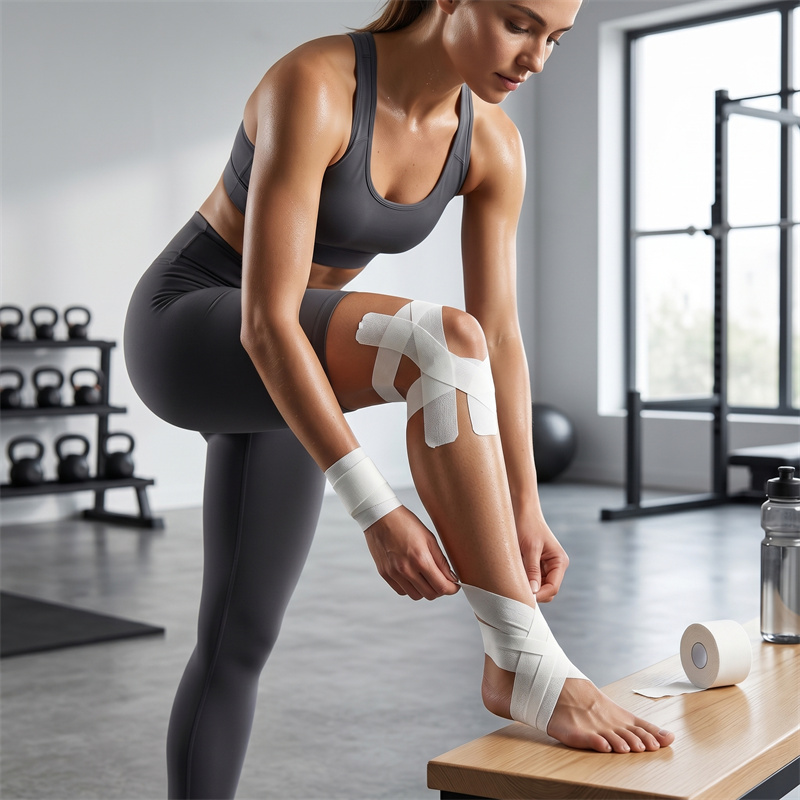
Poor application is the most common reason rigid tape underperforms. Follow these steps for a functional, skin-safe result:
- Prepare the skin. Clean and dry the area completely. Oils and sweat drastically reduce adhesion.
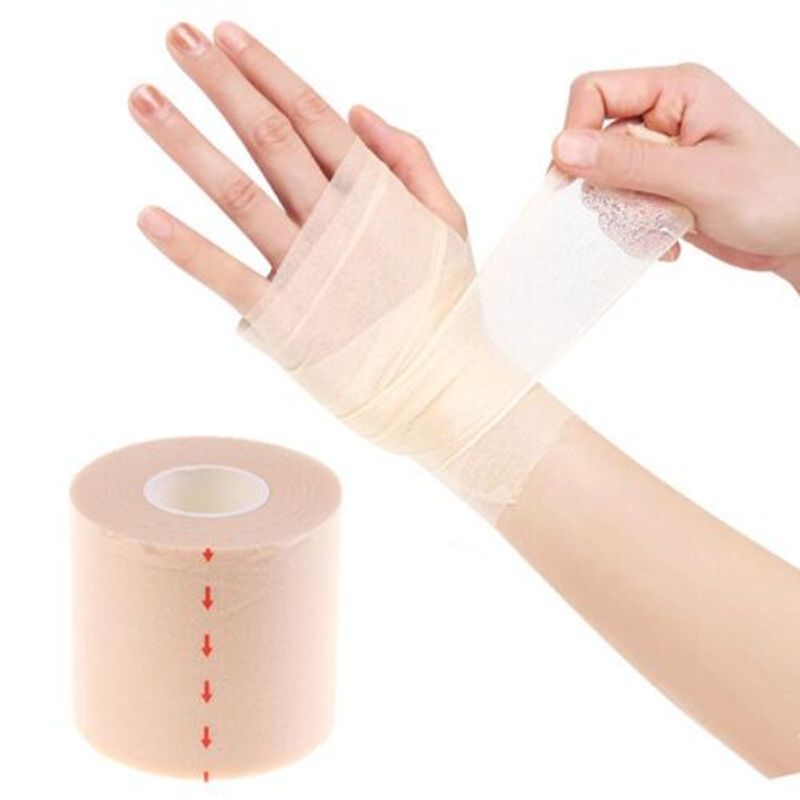
- Apply foam underwrap first. A layer of protective foam underwrap pre-wrap over the skin prevents tape from pulling at hair and sensitive areas, and allows cleaner removal. This step is especially important for repeated daily taping.
- Position the joint at neutral. Apply tape with the joint neither flexed nor extended — this ensures the tape provides support without cutting off circulation or movement.
- Anchor first, then apply structural strips. Lay 2–3 anchor strips, then apply stirrups or specific taping patterns depending on the joint. Overlap each strip by roughly half the previous one.
- Check circulation after application. Toes or fingers should not turn white, blue, or numb. If they do, the tape is too tight and needs to be removed immediately.
Rigid tape is designed for activity, not extended wear. Remove it after training or competition, and give the skin time to breathe. Monitor for any redness, blistering, or irritation — particularly with first-time use.
When to Pair It With Other Tape
Rigid strapping tape works best when combined with the right companion products for the situation. For compression and additional joint support during return-to-sport after a knee or ankle sprain, layering an elastic adhesive bandage for strong compression over injured joints on top of rigid tape significantly increases stability. For muscle fatigue management and circulation during training — rather than structural restriction — classic kinesiology tape for athletic recovery serves a completely different function and can complement rigid strapping in multi-layer protocols.
The key distinction: rigid tape restricts movement; kinesiology tape supports it. Both have a role, but they are not interchangeable.
Who Benefits Most
Rigid sports strapping tape is most valuable in three scenarios: athletes with a history of ankle or wrist sprains returning to contact or high-impact sport; patients in the early rehabilitation phase of a ligament injury who need immobilization without a full cast; and sports professionals who apply preventive taping protocols across a team before competition. Studies consistently show the injury-prevention effect is strongest in athletes who have already suffered a previous sprain — making this a go-to tool for secondary prevention.
If you're unsure whether rigid tape or a brace is the better option for a recurring instability issue, a licensed physiotherapist can assess the joint and recommend an approach matched to your specific anatomy and activity level.
Share:
RECOMMENDED PRODUCTS
















- Asher.cao
- Tel:+86-512-6289 3223
- Mob:+86-176 2548 7782
- Email:Asher.cao@healthline-medical.com
- Whatsapp / Wechat:+86-176 2548 7782
- Skype:+86-176 2548 7782
- Ethan Zhang
- Tel:+86-512-6289 3223
- Mob:+86-19822909189
- Email:ethanzhang@healthline-medical.com
- Whatsapp / Wechat:+86-19822909189
- Skype:+86-19822909189
- Jason Zhang
- Tel:+86-512-6289 3223
- Mob:+86-13152123359
- Email:jason@healthline-medical.com
- Whatsapp / Wechat:+86-13152123359
Copyright © 2025 SUZHOU HEALTHLINE MEDICAL PRODUCTS CO., LTD
All Rights Reserved.
 Sports Tape Manufacturers Cohesive Bandages Suppliers
The information provided on this website is intended for use only in countries and jurisdictions outside of the People's Republic of China.


